How to Unlock Banana Nutrition – A Deep Dive Guide
You can access banana nutrition by choosing ripeness wisely. Less ripe bananas have more resistant starch, while ripe ones offer more antioxidants.
Store them at room temperature, avoid wrapping stems tightly, and refrigerate only when fully ripe to keep nutrients intact.
Pair bananas with protein or healthy fats to boost absorption.
Cooking or freezing changes nutrient availability but mostly preserves benefits.
If you want to optimize energy, digestion, and vitamin intake, there’s plenty more to discover.
What Nutrients Make Bananas Nutritious?
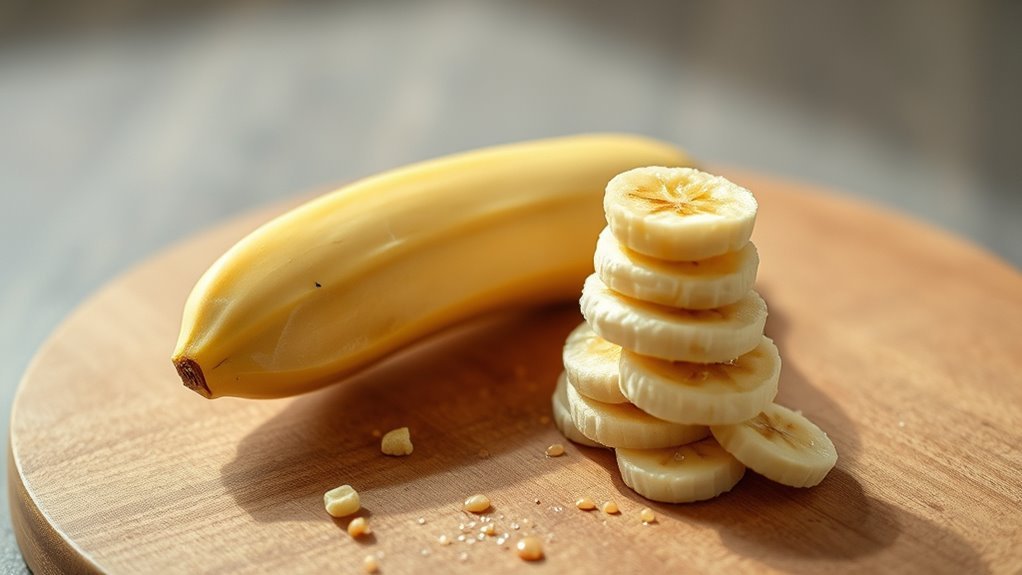
Although bananas are often enjoyed for their sweet taste and convenience, they’re also packed with essential nutrients that support your health. When you eat a medium banana, you get about 450 mg of potassium, which helps regulate nerve signals and keeps your heart functioning smoothly.
You’ll also benefit from vitamin B6, around 0.4 mg per banana, vital for brain development and boosting your immune system. On top of that, bananas provide roughly 3 grams of dietary fiber, which aids your digestion and helps keep your blood sugar levels steady.
These nutrients work together to make bananas not just tasty but a smart choice for your diet. By including bananas regularly, you’re fueling your body with important minerals and vitamins that support overall well-being without any hassle. So, next time you grab a banana, remember it’s more than just a quick snack; it’s a nutrient powerhouse.
How Does Banana Ripeness Affect Nutrition?
How does the ripeness of a banana change its nutritional profile? As bananas ripen, their starches convert into sugars, making them sweeter and raising their sugar content. Less ripe bananas contain higher levels of resistant starch, a type of dietary fiber that slows digestion and leads to a lower glycemic index, around 40.
This means they cause a slower rise in your blood sugar levels. As the banana ripens, the glycemic index increases to about 51, reflecting the higher sugar content.
You’ll also find that ripe bananas boast more bioavailable antioxidants like dopamine, which increase as the fruit turns brown. These antioxidants help combat oxidative stress, enhancing the banana’s health benefits.
How to Store Bananas to Preserve Nutrients
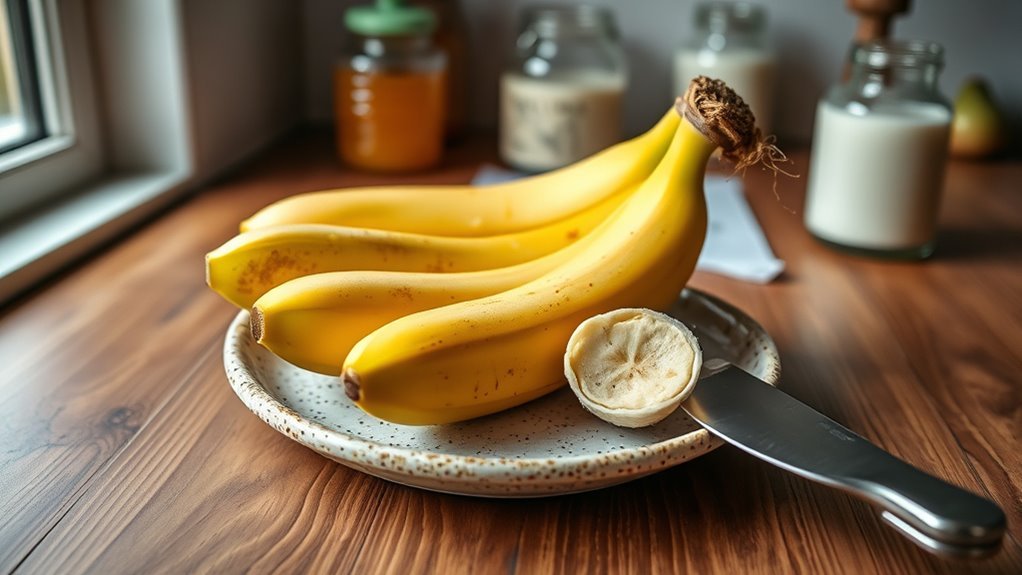
To preserve the nutrients in your bananas, you should store them at room temperature until they fully ripen, then move them to the refrigerator to slow down further ripening. This storage method helps maintain vitamin C and slows enzymatic nutrient degradation.
Avoid refrigerating green bananas, as cold temperatures disrupt ripening and reduce nutrient quality. To extend freshness, wrap each banana stem individually with plastic wrap or foil. This simple step can add 4-5 days of shelf life by limiting ethylene gas release, which speeds ripening.
Also, keep bananas separate from other fruits to prevent accelerated ripening caused by ethylene emitted from other produce. Proper storage not only preserves the texture and taste but also locks in essential antioxidants and vitamins.
What Happens to Banana Nutrition When You Freeze Them?
When you freeze bananas, most of their nutrients, like vitamins, minerals, and antioxidants, stay intact with very little loss. This excellent nutrient retention means you can enjoy many health benefits even after freezing.
The resistant starch found in green bananas remains stable during freezing, preserving its ability to support digestion and blood sugar control when you thaw them. However, vitamin C can degrade slightly during freezing and storage, but the impact is minimal. So you still get a good dose of this essential antioxidant.
Freezing may cause small cell damage, which slightly alters texture but doesn’t considerably affect nutrient content. To maximize nutrient retention, peel and slice your bananas before freezing. This also makes them easier to use later in smoothies or baking.
When Is the Best Time to Eat Bananas for Energy?
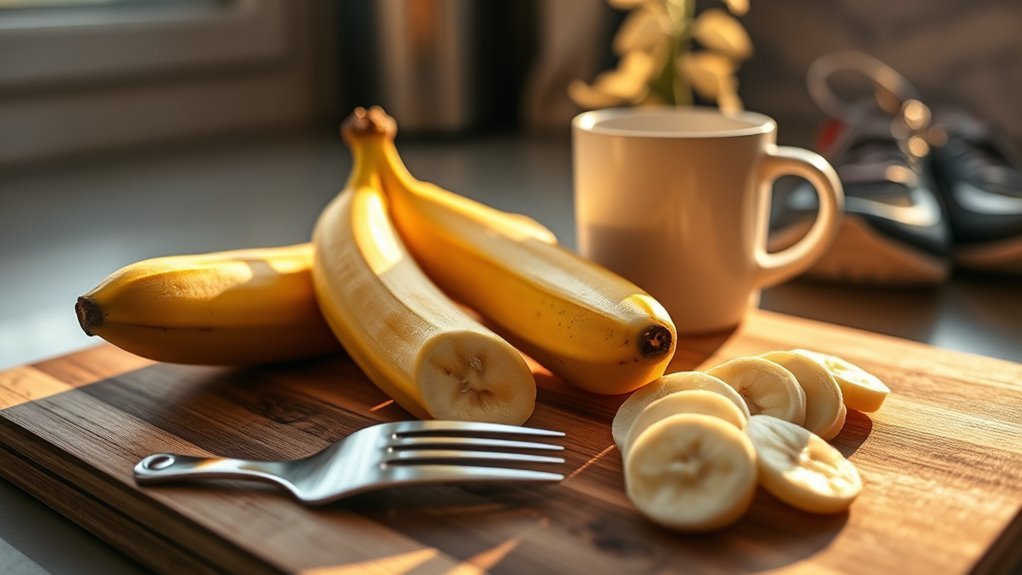
Because bananas provide quick, easily digestible carbohydrates and potassium, eating them before exercise can give you a natural energy boost while helping prevent muscle cramps. Knowing the best time to eat bananas for energy can maximize their benefits. Here’s how to time your banana intake:
Bananas offer quick carbs and potassium, boosting energy and preventing cramps when eaten before exercise.
- 30-60 minutes before workouts: Eating a banana then offers ideal energy without stomach discomfort.
- During exercise: Bananas help replenish glycogen and electrolytes, sustaining energy levels.
- In the morning: Starting your day with a banana boosts energy and supports hydration.
- As part of balanced meals or snacks: For sustained energy, don’t rely solely on bananas; pair them with proteins or fats.
Why Choose Whole Bananas Over Processed Products?
Why should you choose whole bananas instead of processed banana products? Whole bananas offer natural fiber, resistant starch, and essential nutrients that processed products often lose during manufacturing. Processed products frequently contain added sugars and preservatives, which can undermine the fruit’s health benefits.
When you eat whole bananas, you benefit from better nutrient retention, as heat and processing reduce vitamins and antioxidants in processed options. Whole bananas also help regulate blood sugar levels thanks to their low glycemic index and high fiber content. This is unlike many processed products that cause rapid blood sugar spikes.
Furthermore, whole bananas support digestive health and keep you feeling full longer, while processed banana snacks tend to be calorie-dense and less satisfying. By choosing whole bananas, you avoid unhealthy additives and maximize the natural health benefits this fruit provides, making them the smarter choice for your nutrition.
How to Pair Bananas With Protein and Healthy Fats
You can boost your banana’s nutrition by pairing it with protein-rich foods like Greek yogurt or nut butter. Plus, adding healthy fats from nuts or avocado helps your body absorb key nutrients more effectively. This combo not only supports better nutrient absorption but also keeps your energy steady and hunger at bay.
Combining Bananas With Nuts
When you combine bananas with nuts, you create a snack that balances carbohydrates, protein, and healthy fats to keep your energy steady and hunger at bay. This pairing enhances the nutrition profile, making your snack more satisfying and nutrient-dense.
Here’s why combining banana and nuts works:
- Nuts like almonds and walnuts provide monounsaturated fats and plant protein that complement banana’s natural sugars and resistant starch.
- The fiber and fats in nuts help stabilize blood sugar, preventing energy crashes.
- Adding nuts to fruit boosts absorption of vitamins, minerals, and antioxidants.
- Together, a banana with a handful of nuts delivers about 6-8 grams of protein and 10 grams of healthy fats for a well-rounded fuel boost.
This combo turns simple banana nutrition into a powerful, balanced snack.
Benefits Of Banana Protein
Although bananas offer a modest amount of protein on their own, pairing them with protein-rich foods like Greek yogurt or nuts can transform your snack into a muscle-repairing, energy-sustaining powerhouse.
Bananas provide about 1 gram of protein per medium fruit, which isn’t much, but when combined with higher-protein options, they boost your overall nutrient intake. The amino acids from protein support muscle repair, especially after exercise, while bananas’ carbohydrates help replenish muscle glycogen.
This combination makes your snack more effective for recovery and keeps you energized longer. By adding protein, you also increase satiety, making bananas a satisfying choice for breakfast or post-workout fuel. So, pairing bananas with protein helps you access their full nutritional potential.
Healthy Fats Enhance Nutrition
Since healthy fats slow digestion and stabilize blood sugar, pairing bananas with nuts, seeds, or avocado can make your snack more balanced and satisfying. Here’s how to enhance your banana’s nutrition with healthy fats:
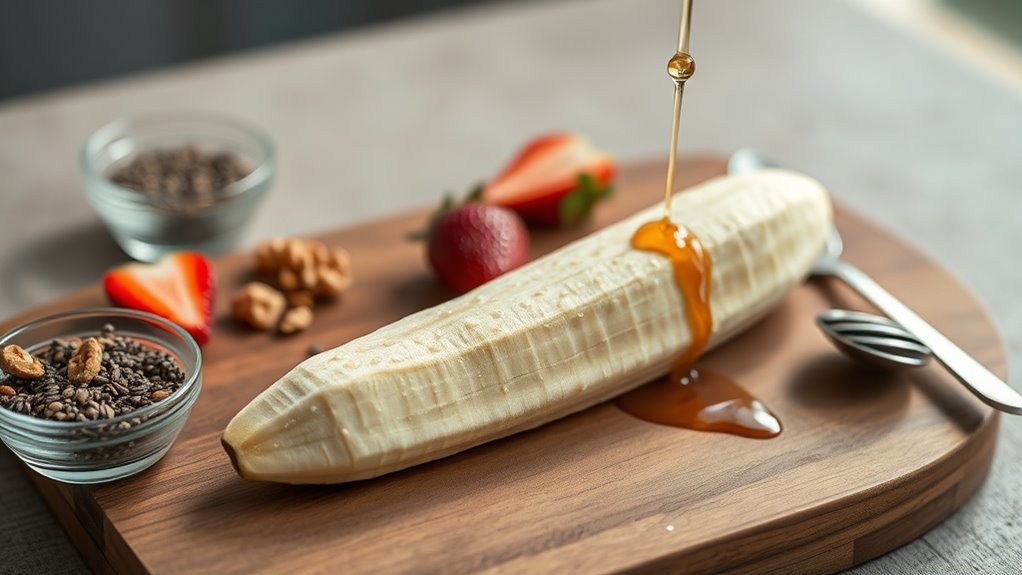
- Spread almond or peanut butter on your banana to add protein, supporting muscle repair and sustained energy.
- Combine bananas with avocado for monounsaturated fats, which promote heart health and improve nutrient absorption.
- Sprinkle chia or flaxseeds to boost omega-3 fatty acids, increasing anti-inflammatory benefits and nutrient density.
- Blend bananas with coconut oil or walnuts in smoothies to enhance satiety and help regulate blood lipid levels.
Incorporating these healthy fats optimizes nutrient absorption and keeps your blood sugar steady, revealing the full potential of banana nutrition.
How Cooking Affects Banana Nutrition
When you cook bananas, their nutrient profile changes in some interesting ways. Heat can actually boost antioxidants and break down resistant starch, which makes bananas sweeter and easier to digest.
But on the flip side, some heat-sensitive vitamins might decrease during cooking. So, the method you choose really matters if you want to preserve as much nutrition as possible.
Nutrient Changes During Cooking
If you cook bananas, you’ll notice changes in their nutritional profile that affect both health benefits and taste. Here’s what happens:
- Vitamin C, being heat-sensitive, decreases during cooking, reducing this antioxidant’s presence.
- Some antioxidants like dopamine become more bioavailable, enhancing their absorption and health effects.
- Resistant starch partially converts to simple sugars, making the banana sweeter and altering its carbohydrate makeup.
- Cooking breaks down cell walls, which can improve nutrient accessibility and enhance flavor and texture.
While prolonged heat can diminish certain nutrients, moderate cooking unlocks antioxidants and sweetness, balancing nutrition and enjoyment. Knowing these changes helps you choose the best way to prepare bananas for your health needs.
Impact On Digestibility
Although cooking can reduce some heat-sensitive vitamins in bananas, it considerably improves their digestibility by breaking down resistant starches into simpler sugars. When you apply heat processing methods like boiling or baking, the resistant starch content decreases, making the banana’s carbohydrates easier for your body to absorb.
This transformation not only increases sweetness but also raises the glycemic index, so cooked bananas digest and impact blood sugar faster than raw ones. If you have a sensitive stomach, cooking bananas can be especially beneficial, as it reduces the resistant starch that often causes digestive discomfort.
While some nutrients may diminish with heat, the overall effect on digestibility is positive, helping your body access energy more efficiently from bananas.
Creative Ways to Eat Bananas Without Losing Nutrients
Since heat and prolonged cooking can degrade key nutrients, you’ll want to enjoy bananas raw or with minimal processing to preserve their benefits. Here are some creative ways to eat bananas while keeping their nutrients intact:
To preserve nutrients, enjoy bananas raw or with minimal processing for maximum health benefits.
- Freeze bananas before blending into smoothies. This locks in antioxidants and vitamins while giving you a creamy texture without heat.
- Add peeled banana slices to fruit salads or yogurt bowls for a quick, nutrient-rich snack.
- Use mashed ripe bananas in no-bake or minimally heated recipes, adding natural sweetness without nutrient loss.
- Peel bananas just before eating to reduce exposure to air and light, preserving sensitive nutrients like vitamin C.
Common Mistakes That Lower Banana Nutrition
You might not realize it, but letting bananas get too brown or storing them the wrong way can actually drain their nutrients. And if you put them in the fridge too early or seal them in plastic, that can harm their natural sweetness and vitamins, too. So, let’s break down how these common mistakes affect banana nutrition—and what you can do to keep your bananas at their best.
Overripe Banana Effects
When bananas become overripe, their nutritional value takes a hit in several ways. Overripening triggers enzyme degradation and nutrient loss, which impacts the banana’s health benefits. Here’s what happens:
- Resistant starch converts to simple sugars, raising sugar content but lowering fiber and nutrient density.
- Vitamin C levels drop, reducing antioxidant benefits.
- Enzymatic breakdown diminishes enzymes that help digestion and nutrient absorption.
- Excessive ripeness can lead to mold or fermentation bacteria growth, causing spoilage and further nutrient degradation.
If you rely on overripe bananas for nutrition, you miss out on the fuller spectrum of nutrients found in slightly less ripe bananas. Understanding these effects helps you make better choices to unlock banana nutrition effectively.
Improper Storage Impact
Overripe bananas lose valuable nutrients, but how you store them can also make a big difference in their health benefits. Putting bananas in the refrigerator before they’re ripe might turn their peel brown or black, which looks unappetizing and often leads to waste, even though the fruit inside stays fine.
Wrapping the stems tightly traps ethylene gas and moisture, speeding up ripening and lowering nutrient quality. Storing bananas in plastic bags or sealed containers can trap humidity, encouraging mold growth that breaks down nutrients and spoils the fruit faster.
Also, keeping bananas near other ripe fruits raises ethylene exposure, causing them to overripen prematurely. To preserve banana nutrition, store them loosely at room temperature, away from direct sunlight and other ethylene-producing fruits.
Frequently Asked Questions
Can Bananas Help Improve Digestion Beyond Fiber Content?
Yes, bananas can help improve digestion beyond just fiber content. They boost enzyme activity, which aids in breaking down food more efficiently.
Plus, bananas support your gut microbiota by providing resistant starch that feeds beneficial bacteria, promoting a healthy digestive environment. This interaction enhances nutrient absorption and maintains gut health.
Do Organic Bananas Offer More Nutrients Than Conventional Ones?
Long before smartphones, you’d trust a farmer’s word about banana farming, but today, studies show that organic certification doesn’t guarantee more nutrients. When you compare nutrient levels, organic and conventional bananas grown in similar soil conditions offer nearly the same vitamins and minerals.
While organic farming can improve soil health over time, the nutrient comparison reveals minimal differences in the fruit itself. So, don’t expect organic bananas to pack a bigger nutritional punch.
How Do Bananas Affect Blood Sugar Levels in Diabetics?
Bananas affect blood sugar levels by causing a moderate rise, but you can manage this with diabetic dietary tips. Choosing less ripe bananas helps because their resistant starch slows digestion, improving blood sugar regulation and minimizing insulin response spikes.
You’ll want to monitor portion sizes and ripeness closely to keep your blood sugar stable. Including bananas in moderation supports balanced glucose levels without overwhelming your system.
Are Banana Peels Safe and Nutritious to Eat?
Think of banana peels as hidden treasure chests. You just need the right key to reveal their value. Yes, banana peels are safe and packed with benefits like antioxidants and fiber.
If you prepare them properly by washing thoroughly and cooking or blending, you’ll reduce bitterness and improve digestibility. Unripe banana nutrition also shines here, as peels hold unique compounds.
Embrace banana peel preparation to tap into these surprising, nutritious perks.
Can Bananas Enhance Mood or Cognitive Function Naturally?
Yes, bananas can naturally enhance your mood and cognitive function. They’re packed with mood-boosting compounds like dopamine and vitamin B6, which help your brain produce serotonin. This improves mental clarity and emotional well-being.
The potassium in bananas supports nerve function, while resistant starch provides steady energy, reducing fatigue. So, when you eat a banana, you’re fueling your brain for better focus and cognitive enhancement throughout the day.
Conclusion
Now that you know bananas pack about 12% of your daily potassium needs in just one medium fruit, you can see why they’re a powerhouse snack. By choosing ripe bananas, storing them properly, and pairing them with protein or healthy fats, you reveal their full nutritional potential.
Remember, a little care goes a long way in preserving their benefits. So, enjoy bananas smartly and fuel your body with nature’s perfect energy boost!