7 Steps to a 30 Day Anti Inflammatory Meal Plan
To create a 30-day anti-inflammatory meal plan, start by understanding how inflammation affects your body. Avoid processed, sugary, and fried foods that fuel inflammation.
Add colorful veggies, omega-3 rich fish, and spices like turmeric to your meals.
Swap ingredients for nutrient-dense options and batch cook for convenience.
Tailor meals to your sensitivities and keep the plan flexible for long-term success.
Following these steps sets a strong foundation for vibrant health and easy meal prep.
Understand Inflammation and Its Effects on Your Body
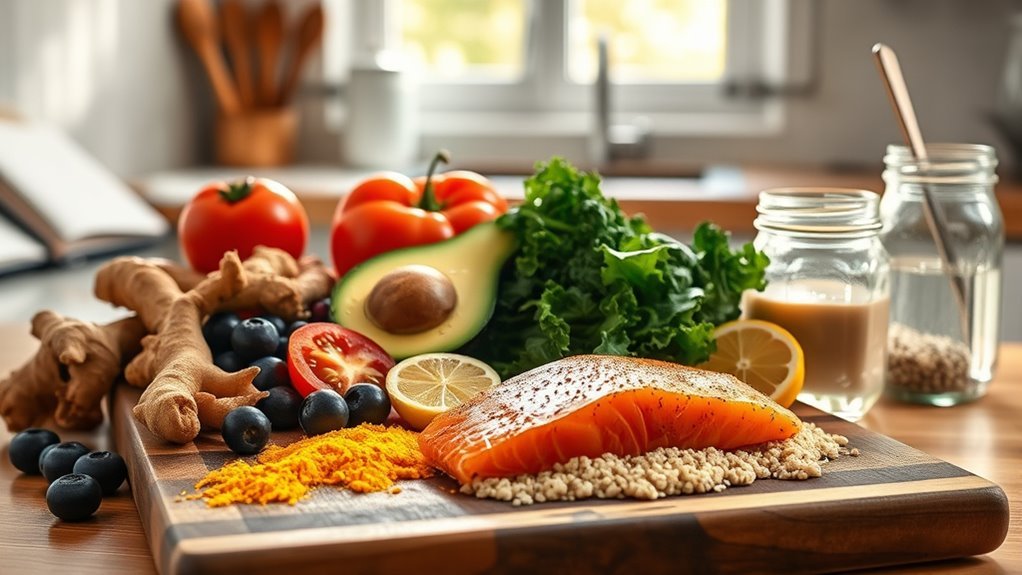
Although inflammation is your body’s natural defense against injury or infection, it can become harmful when it lingers too long. When your immune system triggers an inflammatory response, it releases cytokines and other inflammatory mediators to protect you.
However, chronic inflammation occurs when this response sticks around for months or years, damaging tissues and increasing your risk of health conditions like heart disease, diabetes, and autoimmune disorders. You might not realize that factors such as processed foods, excess sugar, and environmental toxins can sustain this harmful inflammation.
To combat it, you can adopt diet and lifestyle changes focused on anti-inflammatory habits. Choosing foods that reduce inflammation and supporting your immune system with healthy routines can help manage and even reverse chronic inflammation.
Understanding these processes empowers you to take control of your health and lower the chances of inflammation-related diseases through conscious choices every day.
Avoid Foods That Cause Inflammation
Certain foods can directly fuel inflammation in your body, making it essential to avoid them if you want to reduce chronic inflammation. Ultra-processed foods like microwave dinners, hot dogs, and many baked goods often contain added sugars, saturated fats, and trans fats that trigger inflammatory responses.
Refined grains found in white bread, refined cereals, and white pasta lack fiber and nutrients, promoting inflammation when eaten frequently. Deep-fried foods and processed meats also contribute to inflammation due to unhealthy oils and preservatives.
Foods high in added sugars, such as sugary drinks and candies, further escalate inflammation markers linked to chronic diseases. By steering clear of these inflammatory culprits—ultra-processed foods, refined grains, deep-fried foods, processed meats, and baked goods loaded with trans fats—you’ll create a solid foundation for your 30-day anti-inflammatory meal plan, helping your body heal and function most effectively.
Add Anti-Inflammatory Foods to Your Diet
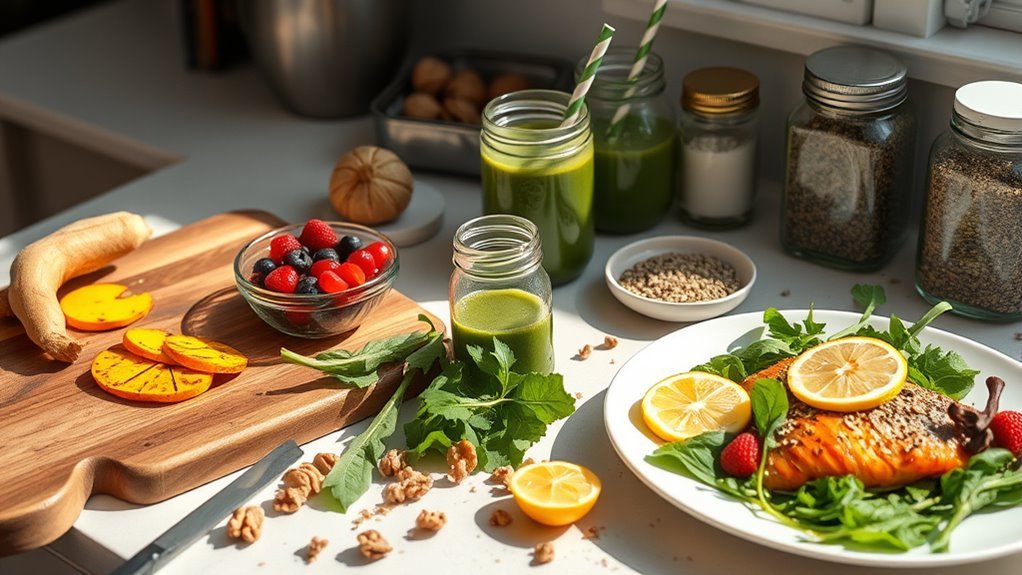
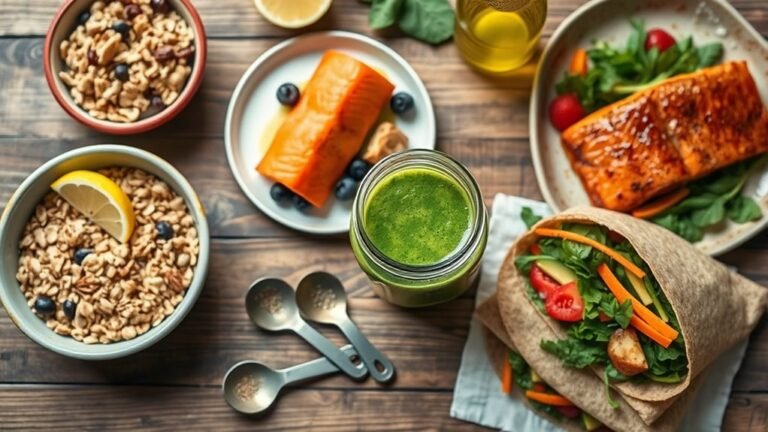
When you add anti-inflammatory foods to your diet, you give your body powerful tools to fight inflammation naturally. Focus on colorful vegetables and antioxidant-rich fruits like berries, tomatoes, and broccoli to supply polyphenols and antioxidants.
Include fatty fish like salmon and mackerel for omega-3 fatty acids that reduce inflammation. Don’t forget herbs and spices such as turmeric and ginger, which contain bioactive compounds that support your body’s defenses.
Incorporate whole grains and fiber-rich foods like oats and quinoa to help lower inflammatory markers. Nuts and seeds like walnuts and flaxseeds provide healthy fats essential for combating inflammation.
| Anti-Inflammatory Foods | Benefits |
|---|---|
| Colorful Vegetables | Rich in antioxidants, polyphenols |
| Fatty Fish | High in omega-3 fatty acids |
| Nuts, Seeds & Whole Grains | Provide fiber-rich, healthy fats |
Adding these foods daily builds a strong anti-inflammatory foundation for your meal plan.
Plan Meals With Colorful Ingredient Swaps
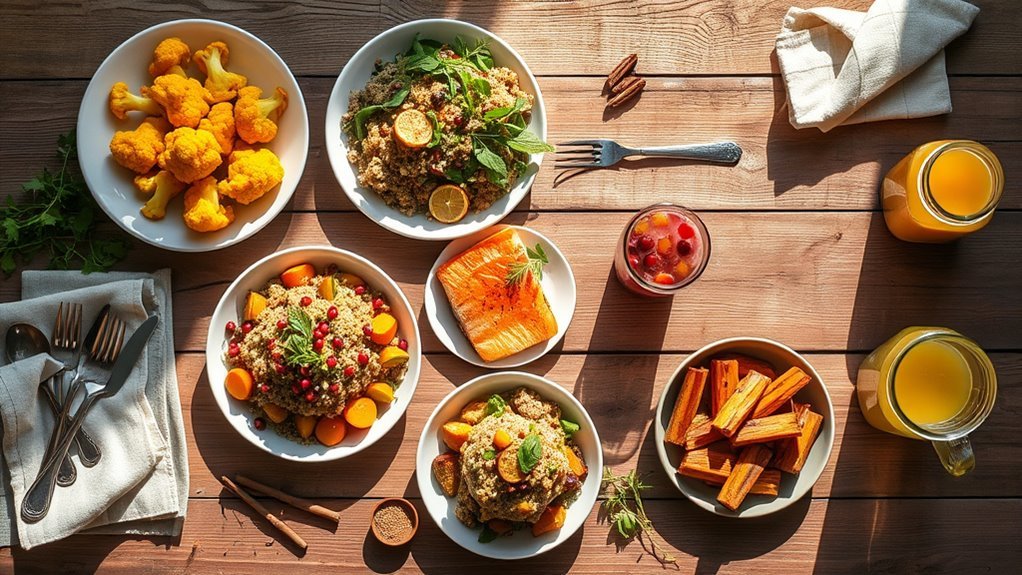
You can boost your meals’ anti-inflammatory power by adding a variety of colorful fruits, vegetables, and spices. It’s really as simple as making swaps like choosing whole grains or seasonal produce. These little changes make it easy to eat vibrant, nutrient-rich foods every day.
Let’s explore how these colorful ingredient choices benefit your health and fit right into your meal plan. You’ll see it’s not just about looking good on your plate—these foods pack a powerful punch for your well-being.
Benefits of Color Variety
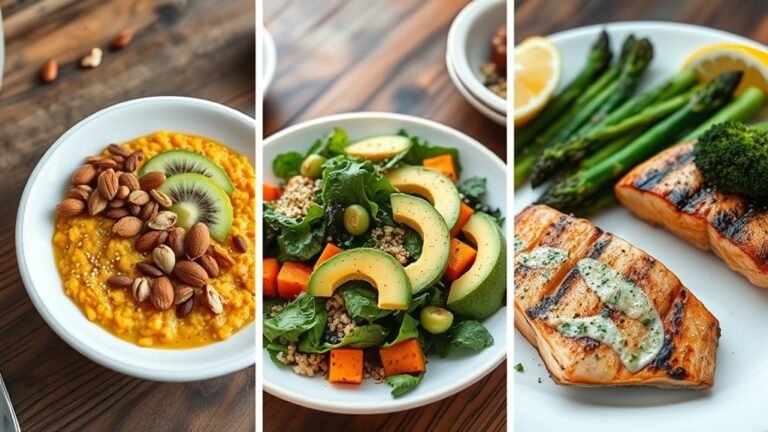
Why stick to the same ingredients when you can easily boost your meal’s health benefits with colorful swaps? Using colorful produce like tomatoes, carrots, and bell peppers adds vibrant ingredients packed with antioxidants and phytochemicals that help reduce inflammation.
Incorporating a vegetable variety enhances nutrient diversity, ensuring you get a broad nutrient spectrum essential for fighting chronic inflammation. These colorful swaps turn ordinary meals into nutrient-rich meals that support overall health.
Plus, visually appealing dishes encourage you to enjoy more anti-inflammatory foods regularly. By embracing the benefits of color variety, you not only nourish your body with powerful compounds but also create meals that excite your senses, making it easier to stick to your 30-day anti-inflammatory meal plan.
Easy Ingredient Swaps
Although changing your usual ingredients might seem challenging, easy swaps can transform your meals into colorful, nutrient-packed dishes that fight inflammation. By replacing inflammatory ingredients with nutrient-dense swaps, you boost fiber, healthy fats, and antioxidants in every bite.
Focus on whole grains instead of refined ones and colorful vegetables over processed foods to maximize antioxidant-rich foods and fiber. Incorporate omega-3 fatty acids with wild-caught salmon or mackerel and enhance flavor and benefits by using herbs and spices like turmeric and ginger.
Try these simple swaps:
- Swap white rice for quinoa or barley to add fiber and whole grains.
- Exchange processed meats for omega-3-rich fish like salmon.
- Replace sugary snacks with fresh berries or citrus for antioxidant-rich foods.
Seasonal Produce Choices
When should you plan your meals around seasonal produce? The answer is simple: align your meals with seasonal availability to maximize nutrient content and flavor. Incorporate fresh greens in spring, berries in summer, squash in fall, and citrus fruits in winter.
Using colorful vegetables like bell peppers, carrots, and beets not only boosts antioxidant levels but also adds variety in your meal plan. Swapping ingredients based on seasonal produce choices keeps meals fresh, cost-effective, and rich in polyphenols and phytochemicals.
Focusing on seasonal fruits and seasonal vegetables ensures you get a diverse range of anti-inflammatory benefits. By prioritizing seasonal produce, you’ll naturally enhance your meals’ nutrient content and create vibrant dishes that support your 30-day anti-inflammatory journey.
Batch Cook to Save Time and Reduce Stress
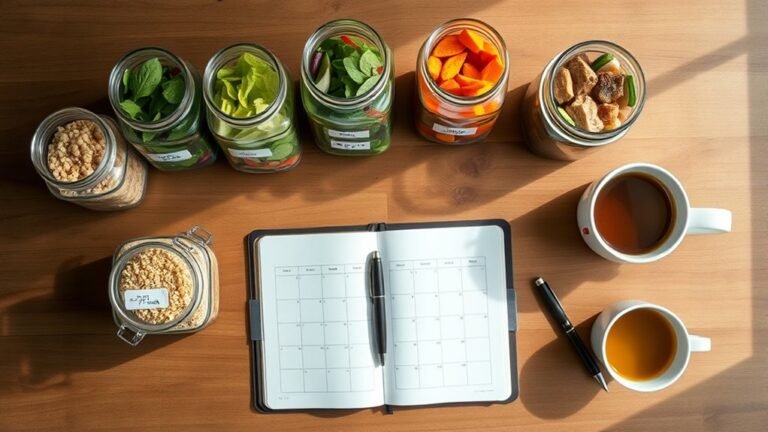
Batch cooking is a great way to prepare large meals ahead of time, which means less daily cooking and less stress. When you plan your batch sessions for when you have the most energy, it helps keep your meals nutritious and consistent. Plus, using smart storage techniques means you’ll always have healthy options ready to go. This makes it way easier to stick to your anti-inflammatory plan.
Benefits of Batch Cooking
Saving time and reducing stress are two major benefits you’ll gain by cooking meals in advance. Batch cooking lets you prepare multiple nutritious meals at once, making meal prep quicker and more efficient.
With thoughtful meal planning, you can organize your cooking sessions to guarantee you have healthy meals ready throughout the week. This method also supports portion control, helping you avoid overeating while promoting food waste reduction by using ingredients wisely.
Plus, proper food storage lets you keep meals fresh, so you always have convenient, anti-inflammatory options on hand.
Here’s what batch cooking offers you:
- Time-saving convenience during busy weekdays
- Consistent access to nutritious, ready-made meals
- Improved meal organization and reduced food waste
Essential Batch Cooking Tips
Preparing multiple meals ahead can transform your weekly routine by cutting down daily cooking time and easing mealtime stress. When batch cooking, focus on versatile ingredients to simplify meal prep and reduce ingredient waste.
Choose simple recipes that you can double or triple easily. Portioning meals before freezing helps you grab exactly what you need, keeping your meal routine consistent.
Use airtight containers for proper storage to maintain freshness and make reheating quick and hassle-free. Plan your batch cooking sessions for days when you feel your best, reducing fatigue’s impact on your prep.
Freezing your meals extends their shelf life, ensuring you always have healthy, anti-inflammatory options ready. These essential batch cooking tips will save you time and keep your meals stress-free throughout the month.
Meal Storage Strategies
When you store your meals thoughtfully, you’ll find it much easier to stick to your anti-inflammatory plan without feeling overwhelmed. Meal storage plays a key role in batch cooking’s success.
Freezing leftovers in portion-controlled meal prep containers preserves nutrients and speeds up meal reheating on busy days. Labeling each container with dates guarantees you maintain nutrient preservation and avoid food waste.
Organize your freezer to boost meal plan flexibility, making it effortless to grab a ready meal anytime. Plan batch cooking on low-pain, high-energy days to reduce stress and enhance consistency.
- Use clear, portioned containers for easy meal reheating and portion control
- Label meals with dates for freshness and nutrient preservation
- Keep your freezer organized to maximize meal plan flexibility and access
Adjust Your Plan for Personal Sensitivities
Because personal sensitivities vary widely, you’ll need to customize your anti-inflammatory meal plan to avoid foods that trigger inflammation or digestive issues. If you have gluten intolerance or dairy sensitivity, exclude those ingredients and find alternatives like almond milk or gluten-free grains.
For autoimmune conditions, avoiding nightshade vegetables can be essential, as they may worsen symptoms. Pay close attention to your body’s responses to identify specific food triggers, which helps refine your personalized meal plan.
Making these dietary adjustments supports effective inflammation management while ensuring you still get essential nutrients. Consulting a healthcare professional or dietitian can guide you in navigating food sensitivities and creating a balanced plan that suits your needs.
Stay Flexible for Long-Term Success
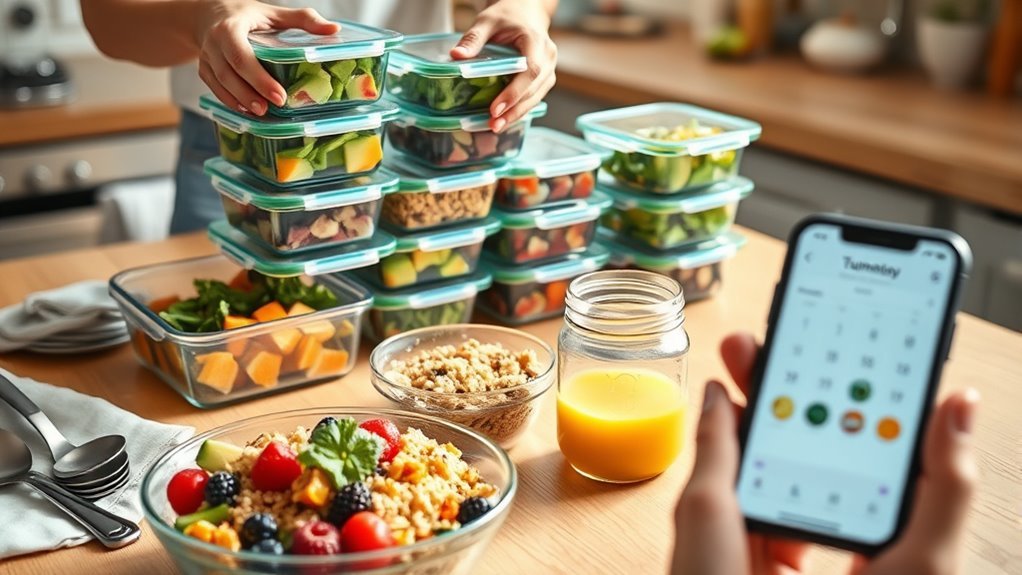
How can you guarantee your anti-inflammatory meal plan remains effective and enjoyable over time? The key is flexibility. By staying adaptable, you can adjust your meal plan to fit changing tastes, schedules, and seasonal ingredients, which supports long-term success.
Embracing variety ensures you get a broad nutrient spectrum, preventing diet fatigue and boosting enjoyment. Pay attention to portion sizes and meal frequency, tailoring them to your energy needs and health responses. This approach promotes sustainable eating without feeling restrictive. Also, allow for occasional food substitutions or indulgences to maintain a positive relationship with food.
Embrace variety and mindful portions to enjoy sustainable, flexible eating without feeling restricted.
To stay flexible for long-term success:
- Regularly revisit and tweak your meal plan to reflect your preferences and lifestyle changes
- Incorporate a wide variety of anti-inflammatory foods to cover a broad nutrient spectrum
- Adjust portion sizes and meal frequency to align with your body’s signals and daily energy
Flexibility and adaptation will make your anti-inflammatory meal plan a lasting, enjoyable habit.
Frequently Asked Questions
Can Anti-Inflammatory Diets Help Improve Mental Health?
Yes, an anti-inflammatory diet can help improve your mental health by reducing brain inflammation and oxidative stress. It supports gut health, which influences serotonin production and neurotransmitter balance, vital for mood regulation.
Lowering cortisol levels helps manage chronic stress, enhancing mental clarity. By nurturing neural pathways, you promote better communication in your brain, leading to improved mood and cognitive function. You’ll likely feel more balanced and resilient overall.
How Do I Handle Social Events While Following This Meal Plan?
At social events, use strategies like pre-event preparation and meal plan flexibility to stay on track. Bring portable snack ideas to avoid temptations and research dining out tips to choose anti-inflammatory dishes.
Consider alcohol options by opting for low-sugar choices. Use ingredient substitutions when needed and lean on peer support for motivation.
Manage cravings by timing your meals well so you’re less likely to overindulge during the event.
What Supplements Complement an Anti-Inflammatory Diet?
You’ll find several supplements for inflammation that really boost your anti-inflammatory efforts. Omega 3 benefits heart and joint health, while turmeric supplements and ginger capsules offer powerful herbal anti-inflammatory remedies.
Boswellia benefits include reducing swelling, and antioxidant boosters like green tea extract fight oxidative stress. Don’t forget vitamin D roles in immune support and probiotic support for gut health. These all work together to enhance your diet’s effects.
Are There Specific Beverages That Reduce Inflammation?
Yes, you can reduce inflammation by drinking herbal teas, turmeric milk, and green smoothies packed with antioxidants. Ginger shots help fight inflammation quickly, while berry juices provide powerful anti-inflammatory compounds.
Coconut water and vegetable broths hydrate and soothe your body. Apple cider and lemon water support digestion, reducing inflammatory triggers. Don’t forget chia seed drinks, which offer omega-3s and fiber to calm inflammation naturally.
Incorporate these beverages daily to feel better.
How Do I Transition Back to a Regular Diet After 30 Days?
You should start with gradual reintroduction of foods, paying close attention to any food sensitivities. Use meal plan adjustments to maintain nutrient balance and practice portion control.
Incorporate a cheat meal strategy to satisfy cravings without overdoing it. Stay hydrated and apply hydration tips to support your body.
Embrace dietary flexibility and use meal prep tips to keep meals balanced. Managing cravings will help you shift seamlessly back to a regular diet.
Conclusion
You might think tackling inflammation means strict dieting and bland meals, but it’s actually about vibrant, flavorful choices that heal your body. By avoiding harmful foods while embracing colorful, anti-inflammatory ingredients, you’ll feel energized instead of restricted.
Batch cooking saves time, and adjusting for your needs keeps it manageable. Stay flexible and watch how small changes transform your health, proving that a plan isn’t a prison, but a pathway to lasting well-being.