10 Key Nutrition Benefits of Canned Beets
You get a boost of fiber, essential vitamins like C and B6, and minerals such as potassium and iron from canned beets, helping your digestion and energy levels.
Their powerful antioxidants, betalains, protect your cells and reduce inflammation.
Nitrates improve blood flow and lower blood pressure, supporting heart and brain health.
Plus, canned beets are convenient and versatile.
Using both the beets and their liquid maximizes nutrition while cutting sodium.
Explore how to make the most of these benefits.
What Nutrients Make Canned Beets a Healthy Choice
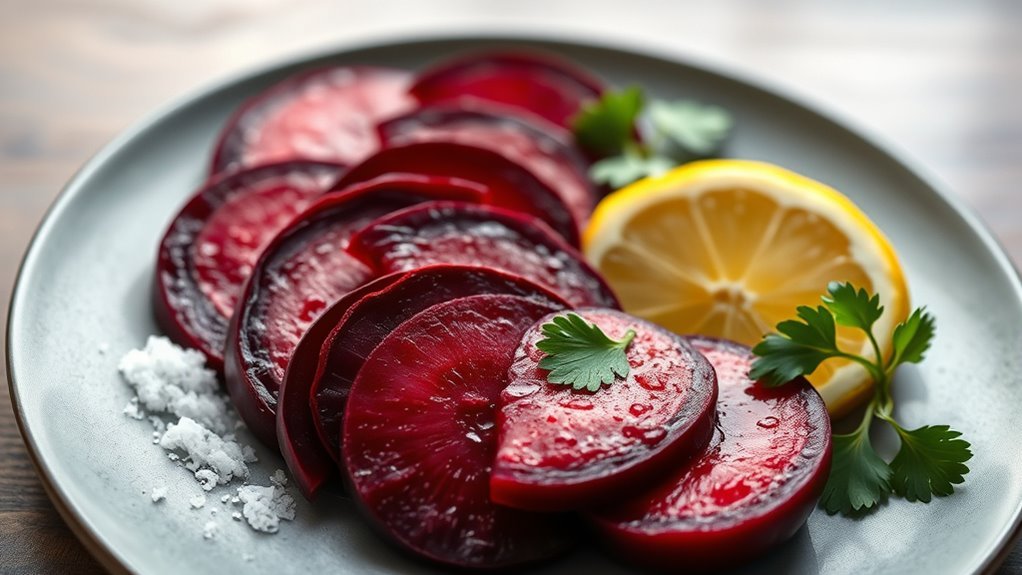
Although canned beets undergo processing, they still pack a powerful nutritional punch, providing you with dietary fiber, vitamins C and B6, and essential minerals like potassium, iron, and manganese. These nutrients are crucial for your body’s functions, supporting everything from energy metabolism to maintaining healthy blood pressure.
Beyond vitamins and minerals, canned beets also retain antioxidants that help combat oxidative stress. The dietary fiber in canned beets aids digestion and supports gut health, making them a smart, low-calorie addition to your meals.
Even after canning, folate remains present, which is essential for cell growth and repair. To reduce sodium, you can rinse canned beets without losing most water-soluble nutrients, allowing you to enjoy their benefits without excessive salt.
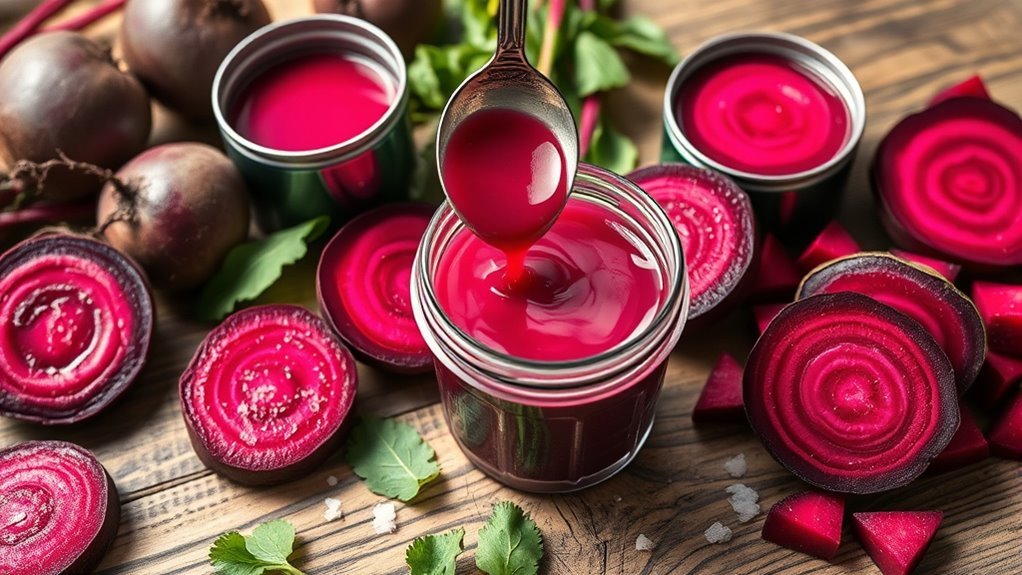
Plus, the beet liquid itself contains beneficial antioxidants and nutrients, so don’t toss it. It’s a simple way to enhance your recipes and boost your nutrient intake.
How Betalain Antioxidants Protect Your Cells
You get a lot of benefits from betalains found in canned beets because they work as powerful antioxidants that help protect your cells from damage. Basically, these compounds help stop cellular injury by lowering oxidative stress and boosting DNA protection. So, when you include canned beets in your diet, you’re giving your body a hand in defending itself against aging and disease. It’s a simple way to support your natural defenses every day.
Antioxidant Power of Betalains
When you consume canned beets, you tap into the powerful antioxidant effects of betalains, especially betanin, which actively scavenge harmful free radicals like DPPH, hydroxyl, and superoxide radicals. These betalains exhibit strong antioxidant activity that helps reduce oxidative stress in your body.
By neutralizing free radicals, they protect your cells from damage and support overall health. The phenolic content in beets further enhances this antioxidant power, especially when processing methods boost these compounds.
Unlike synthetic antioxidants, betalains act as natural defenders against oxidative challenges, maintaining their effectiveness even through digestion. Including canned beets in your diet means you’re harnessing these potent antioxidants to help manage oxidative stress and promote cellular resilience, making betalains a valuable ally in your nutritional arsenal.
Cellular Damage Prevention
How exactly do betalains in canned beets protect your cells from damage? Betalains act as potent antioxidants that neutralize free radicals, reducing oxidative stress and preventing cellular damage. They inhibit DNA damage and lipid peroxidation, safeguarding your cell membranes and genetic material.
Plus, betalains boost your body’s own defenses by increasing antioxidant enzymes like superoxide dismutase and catalase. These compounds remain stable through digestion, ensuring lasting cellular protection.
Here’s a quick look at how betalains work for you:
| Benefit | Effect |
|---|---|
| Antioxidant Power | Neutralizes free radicals |
| Oxidative Stress | Decreases cellular oxidative stress |
| DNA Damage | Inhibits DNA damage |
| Enzyme Activation | Enhances antioxidant enzymes |
| Cellular Protection | Protects membranes and genetic material |
Canned beets help reduce chronic disease risk by maintaining your cell health.
Enhanced DNA Protection
Building on betalains’ role in preventing cellular damage, their influence extends specifically to safeguarding your DNA. Betalains in canned beets act as powerful antioxidants that neutralize free radicals, reducing oxidative stress and preventing DNA damage.
These compounds inhibit mutations caused by oxidative and nitrative injury, protecting your cellular genetic material. Betalains also activate Nrf2 pathways, boosting genes responsible for DNA repair and enhancing your body’s natural defense mechanisms.
Laboratory studies confirm that betalain-rich extracts significantly decrease DNA strand breaks triggered by reactive oxygen species. By regularly consuming beet-derived betalains, you support genetic stability and overall cellular health, helping your cells maintain their integrity and function.
This enhanced DNA protection is a vital benefit of including canned beets in your diet.
Why Fiber in Canned Beets Supports Digestion and Gut Health
Because canned beets provide about 3.4 grams of fiber per cup, they play an essential role in keeping your digestion regular and preventing constipation. The fiber adds bulk to your stool, helping it move smoothly through your gastrointestinal tract and reducing discomfort. This action supports overall gut health by maintaining regular bowel movements and lowering the risk of digestive issues.
Additionally, the soluble fiber in canned beets feeds beneficial gut bacteria, which are vital for a balanced microbiome. These bacteria aid digestion and promote a healthy gut barrier, enhancing your body’s ability to absorb nutrients and defend against harmful pathogens. When you consume canned beets along with their fiber-rich liquid, you boost these prebiotic effects even further.
How Nitrates in Canned Beets Help Lower Blood Pressure
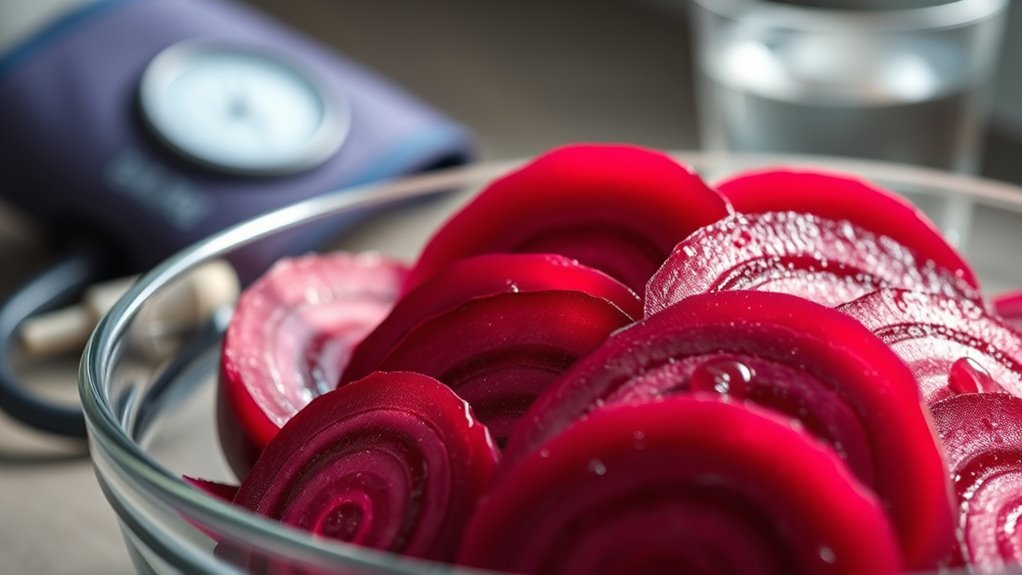
Three key compounds in canned beets work together to help lower your blood pressure, with nitrates playing the lead role. When you eat canned beets, their nitrates convert into nitric oxide in your body. This nitric oxide relaxes and widens your blood vessels, a process called vasodilation, which improves blood flow and reduces blood pressure.
Regularly including nitrate-rich canned beets in your diet can notably lower both systolic and diastolic blood pressure, supporting better cardiovascular health.
Here’s how nitrates in canned beets benefit you:
- Promote vasodilation by increasing nitric oxide levels
- Help reduce high blood pressure and risk of hypertension
- Support overall cardiovascular function through improved circulation
To maximize benefits, try consuming the liquid from canned beets too, since rinsing may wash away some nitrates. This simple addition can make a big difference in managing your blood pressure naturally.
How Anti-Inflammatory Compounds in Canned Beets Benefit Your Health
While many focus on their heart health benefits, canned beets also pack powerful anti-inflammatory compounds that can help reduce chronic inflammation in your body. The betalains in canned beets are potent anti-inflammatory agents that lower markers like CRP and TNF-alpha, reducing the risk of chronic diseases.
Furthermore, phenolic compounds such as ferulic acid and rutin combat oxidative damage, protecting your cells. These compounds inhibit pro-inflammatory enzymes and decrease cytokine production, supporting overall cellular health.
| Compound Type | Key Actions | Health Benefits |
|---|---|---|
| Betalains | Reduce inflammation markers | Lower chronic disease risk |
| Phenolic Compounds | Combat oxidative damage | Protect tissues & cells |
| Enzyme Inhibitors | Suppress pro-inflammatory enzymes | Decrease cytokine production |
| Antioxidants | Neutralize free radicals | Promote cellular health |
| Anti-inflammatory | Reduce CRP, TNF-alpha | Support inflammation control |
Including canned beets in your diet provides these anti-inflammatory benefits, helping you maintain better health.
How Canned Beets Boost Athletic Performance and Energy
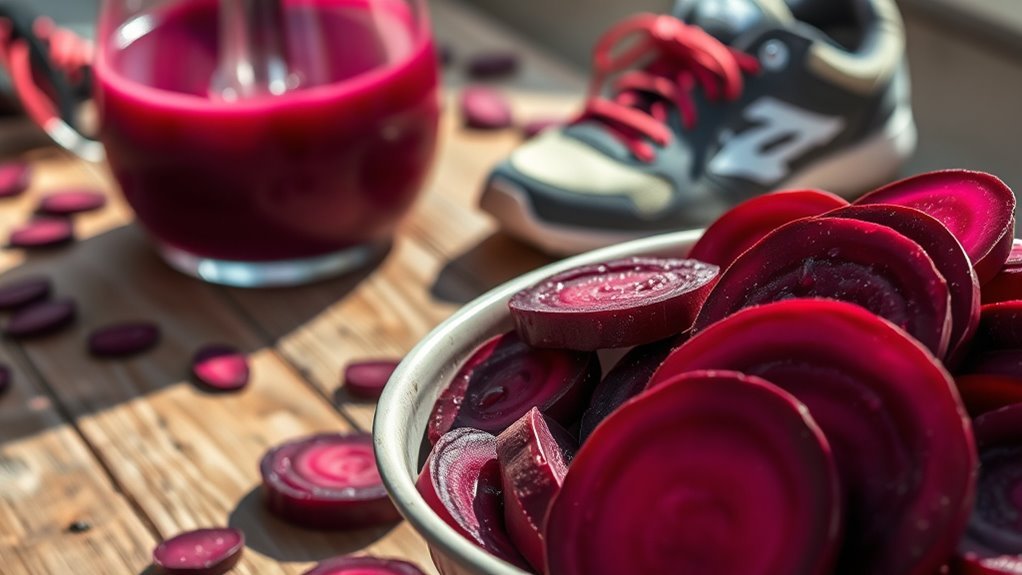
If you want to enhance your workout performance, canned beets are a natural ally. Packed with nitrates, canned beets improve blood flow by converting to nitric oxide. This helps deliver oxygen more efficiently during exercise.
This process supports your muscles, boosting endurance and delaying fatigue so you can push harder.
Here’s how canned beets boost your athletic performance and energy:
Increase endurance: Nitrates enhance mitochondrial efficiency, producing more energy at the cellular level.
Provide quick energy: Natural sugars in canned beets offer an immediate energy boost, perfect for high-intensity activities.
Optimize performance: Consuming canned beets 2-3 hours before exercise reduces perceived exertion and enhances stamina.
Incorporating canned beets into your diet can give you that extra edge. It helps you train longer and feel more energized throughout your workouts.
How Canned Beets Support Brain Function and Cognitive Health
Beyond boosting your workout, canned beets also support your brain function and cognitive health. The nitrates in canned beets improve blood flow to your brain by promoting vasodilation. This enhances cognitive functions like memory and decision-making.
Their antioxidants, particularly betalains, protect brain cells from oxidative stress and inflammation. These issues can impair brain health over time. Furthermore, folate in canned beets aids neurotransmitter synthesis, helping maintain mental clarity and ideal brain performance.
Here’s a quick look at how canned beets benefit your brain:
| Benefit | How It Works |
|---|---|
| Nitrates | Improve cerebral blood flow via vasodilation |
| Antioxidants (betalains) | Protect brain cells from oxidative damage |
| Folate | Supports neurotransmitter synthesis |
| Anti-inflammatory | Reduces neuroinflammation, lowering disease risk |
Including canned beets in your diet can be a simple way to boost your brain health and cognitive function naturally.
Why Canned Beets Are a Convenient Nutritious Choice
Three reasons make canned beets a convenient and nutritious choice: they retain key nutrients, save you prep time, and offer versatile uses. Canned beets keep most of their important nutrition, like fiber, vitamin C, and folate, so you don’t miss out on essential nutrients. Plus, they’re ready to eat, eliminating the hassle of peeling and cooking fresh beets.
Here’s why canned beets stand out for convenience and nutrition:
- Time saver: No peeling or long cooking, just open the can and enjoy.
- Nutrient retention: They hold onto crucial nutrients that support your health.
- Versatility: Use the nutrient-rich liquid in smoothies or dressings for added benefits.
Tips to Cut Sodium Without Losing Nutrients in Canned Beets
You can easily cut sodium in canned beets by giving them a quick rinse for a couple of minutes. This helps lower the salt content without losing too many nutrients. Just keep in mind that the liquid they’re packed in does hold some vitamins and minerals. So, instead of tossing it, you might want to save it for smoothies or soups. Also, picking low-sodium or no-salt-added cans is a smart move—it keeps the sodium down while preserving all those good nutrients.
Rinsing Effects On Sodium
Rinsing canned beets can cut their sodium content by about 18%, making them a better choice if you’re watching your salt intake. This simple step supports effective sodium reduction while still enjoying canned beets’ convenience.
However, rinsing may cause some nutrient loss, particularly water-soluble vitamins like vitamin C. To balance sodium reduction and nutrient retention, consider these tips:
- Gently rinse canned beets under cold water to reduce sodium content without excessive nutrient loss.
- Choose low-sodium or no-salt-added canned beets to minimize the need for rinsing.
- Remember that the can’s liquid contains flavor and nutrients, so skipping rinsing preserves these benefits, especially if you’re not as concerned about sodium content.
Nutrient Loss Considerations
Cutting sodium in canned beets often means draining and rinsing, but this process can also wash away some valuable nutrients, especially water-soluble vitamins like vitamin C. When you rinse canned beets for about two minutes, you cut sodium by roughly 18%, but you also lose up to 6.5 mg of vitamin C per cup.
To balance sodium reduction with nutrient retention, consider choosing low-sodium or no-salt-added canned beets, which require less or no rinsing. This way, you avoid significant nutrient loss while still managing your sodium intake.
Using Beet Liquid
Although draining canned beets lowers sodium, you can still preserve valuable nutrients by using the beet liquid in your recipes. Rinsing canned beets with water reduces sodium by about 18%, but it also washes away some water-soluble nutrients like vitamin C. To achieve sodium reduction without losing benefits, consider incorporating the beet liquid instead of discarding it.
Here are some practical tips:
- Add beet liquid to smoothies for a nutrient boost without extra sodium.
- Use it as a flavorful base for soups or sauces to retain antioxidants.
- Choose low-sodium canned beets and combine rinsing with beet liquid use for ideal nutrient retention.
Creative Ways to Use Canned Beets and Their Nutrient-Rich Liquid
When you drain canned beets, don’t toss out the vibrant liquid. It’s packed with nutrients like vitamin C and betalains that can boost your meals. Using both canned beets and beet liquid in recipes enhances flavor, color, and nutritional value. You can rinse beets to reduce sodium by 18%, making them even healthier.
Try these creative uses to maximize health benefits and reduce waste:
| Use | Benefits |
|---|---|
| Smoothies | Adds natural color & vitamin C |
| Salad dressings | Boosts antioxidants & flavor |
| Soups & broths | Enhances color & nutrients |
| Dips & spreads | Improves taste & nutritional value |
| Cooking liquid | Retains water-soluble nutrients |
Incorporate beet liquid to get more from your canned beets, turning simple dishes into nutrient-rich delights.
Frequently Asked Questions
Are Canned Beets as Nutritious as Fresh Beets?
Yes, canned beets offer good nutrient retention, so you won’t miss out much compared to fresh ones. You might notice slight texture differences; they’re softer and the flavor may be milder.
While antioxidant levels stay fairly high, fresh beets could edge out a bit. However, canned beets shine in cooking versatility, saving you prep time without sacrificing much nutrition.
How Long Do Canned Beets Last After Opening?
Once you open canned beet varieties, you should store them in an airtight container in the fridge. They last about 5 to 7 days this way. To keep their beet flavor profiles fresh, submerge the beets in beet juice or fresh brine.
Cooking with canned beets is easier when you preserve beet peel nutrition by not overcooking. If you notice off smells or mold, discard the beets to stay safe.
Can Canned Beets Be Safely Consumed During Pregnancy?
Yes, you can safely eat canned beets during pregnancy, as long as you follow food safety tips like rinsing to reduce sodium. About 50% of pregnant women worry about dietary restrictions, but canned beets fit well into a balanced pregnant diet when consumed in moderation.
Keep an eye on nutritional concerns like oxalate levels, and always choose low-sodium options. If unsure, consult your healthcare provider for pregnancy safety guidance.
Do Canned Beets Contain Added Sugars or Preservatives?
Yes, canned beets often contain added sugars and preservatives. You’ll want to check the nutritional labels carefully, as sugar content varies by brand.
Common preservative types include sodium benzoate and salt, which help maintain freshness but add additives you might not want. Some brands focus on natural flavor and offer low-sugar or no-preservative options.
Always rinse canned beets to reduce added sugars and sodium if you’re concerned about those additives.
How Should Canned Beets Be Stored for Best Quality?
For the best quality, store unopened canned beets in a cool, dark place with an ideal temperature, like your pantry. Once opened, transfer the beets and their liquid into airtight glass or BPA-free plastic containers to prevent metal taste.
Refrigerate them promptly, and consume within 3-4 days to guarantee freshness and safety. Following these storage tips will help maintain flavor, texture, and extend the shelf life effectively.
Conclusion
Think of canned beets like a trusty battery pack, compact but packed with power. Just one half-cup serving delivers about 3.4 grams of fiber and a boost of antioxidants that keep your cells charged and your heart happy.
By adding canned beets to your meals, you’re fueling your body with essential nutrients effortlessly. So next time you want a quick, healthy boost, reach for canned beets. They’re the little powerhouse you didn’t know you needed.