
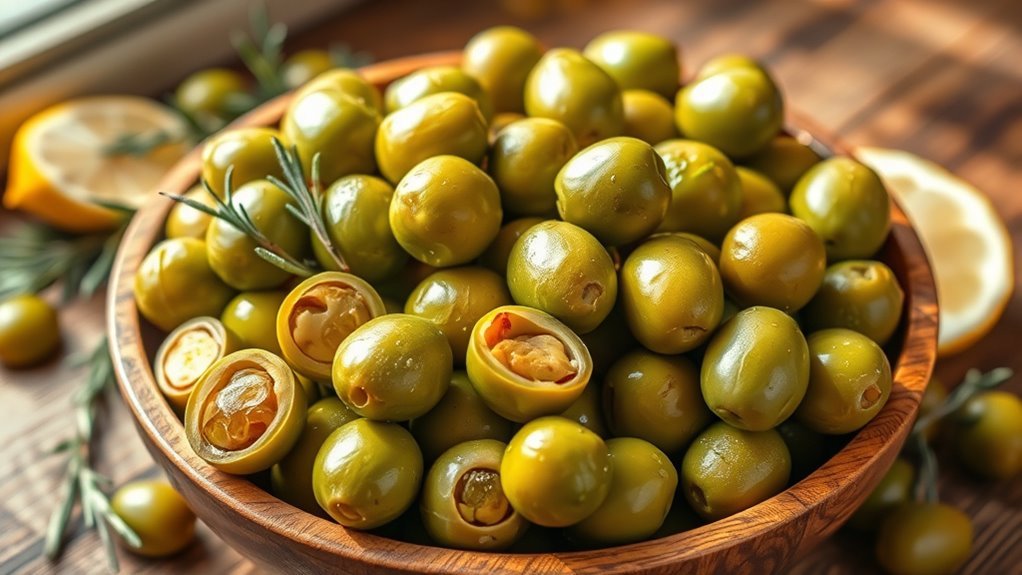
Do Green Olives Have Any Nutritional Value?
Yes, green olives offer plenty of nutritional value. They’re packed with heart-healthy monounsaturated fats, especially oleic acid, plus antioxidants like vitamin E that protect your cells.
You’ll also get fiber to aid digestion and minerals such as iron and potassium. Just watch the sodium, since olives are often brined.
Eating a moderate amount supports cardiovascular and metabolic health. If you want to understand how these nutrients work together and tips on portions, keep exploring the benefits.
Why Green Olives Are a Healthy Snack
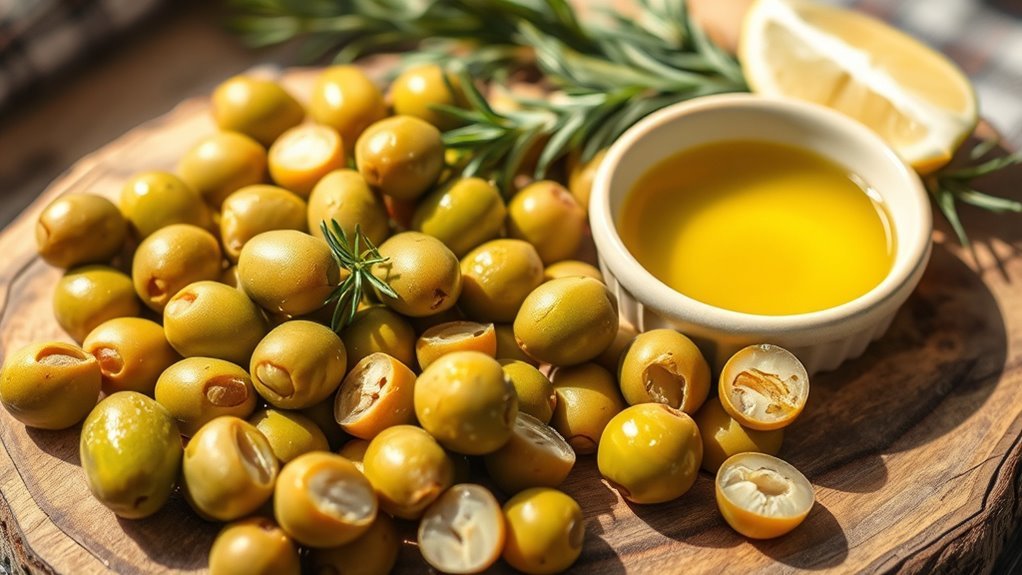
Although green olives are often overlooked as a snack, they offer impressive health benefits you shouldn’t ignore. When you choose green olives, you’re getting a great source of healthy fats, especially monounsaturated fatty acids like oleic acid.
These fats play a key role in supporting heart health by helping regulate cholesterol levels and reducing inflammation. Plus, green olives are rich in vitamin E, a powerful antioxidant that protects your cells from oxidative damage and supports overall wellness.
Snacking on green olives not only satisfies your taste buds but also contributes to maintaining a healthy heart. Just keep in mind their sodium content, and enjoy them in moderation.
What Nutrients Are in Green Olives?
When you include green olives in your diet, you get more than just flavor. They deliver a variety of essential nutrients that support your overall health. Green olives are rich in monounsaturated fats, mainly oleic acid, which plays a key role in maintaining heart health.
Alongside healthy fats, they offer important vitamins and minerals like vitamin E, iron, copper, calcium, and potassium. Vitamin E acts as a powerful antioxidant, helping protect your cells from oxidative damage. The minerals contribute to various bodily functions, from oxygen transport to bone strength and muscle function.
Green olives also provide dietary fiber, ranging from 1.5 to 3 grams per 100 grams, which aids digestion and promotes gut health. Keep in mind that the exact levels of these nutrients can vary depending on the type of olive and how it’s processed, but including green olives in your meals is a tasty way to boost your nutrient intake.
How Much Fat Is in Green Olives: And Why It Matters
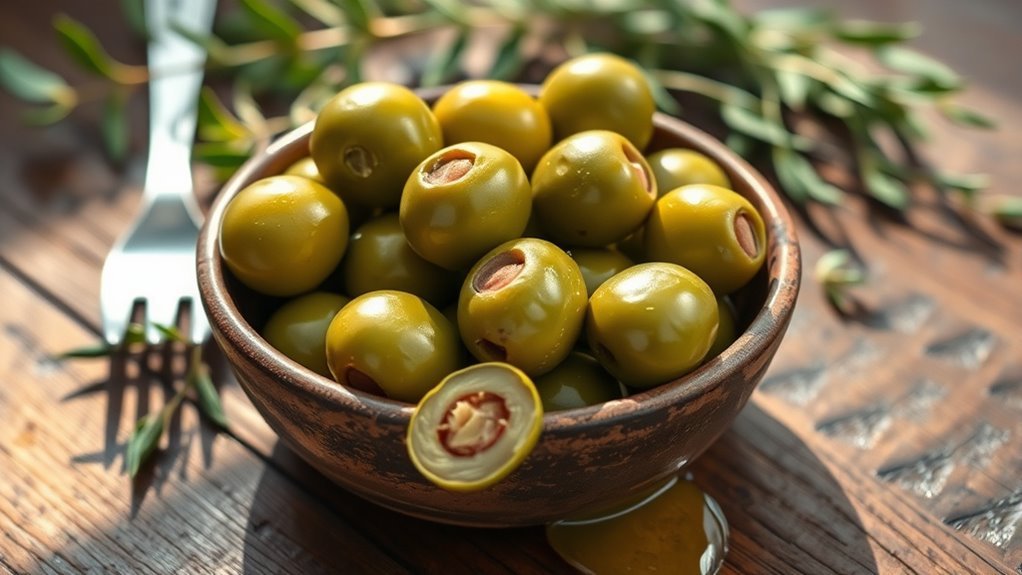
Green olives pack a significant amount of fat, ranging from 6 to 24 grams per 100 grams depending on the variety and how they’re prepared. This fat isn’t just any fat; it’s mostly monounsaturated fat, particularly oleic acid, which makes up about 70% of the fat content.
Monounsaturated fat is well-known for supporting heart health by helping to reduce bad cholesterol levels. When you eat green olives, you’re not only getting fats that provide energy but also fats that help your body absorb fat-soluble vitamins like vitamin E.
The fat content in green olives also contributes to their calorie density, so it’s something to take into account if you’re watching your calorie intake. Variations in fat levels come from differences in ripeness, cultivar, and processing techniques.
Understanding the fat content in green olives helps you appreciate their role in a balanced, heart-healthy diet, especially in Mediterranean eating patterns.
The Role of Carbohydrates and Fiber in Green Olives
Since carbohydrates and fiber play essential roles in your diet, it’s important to understand their presence in green olives. These olives contain about 6 grams of carbohydrates per 100 grams, with roughly 1.5 grams coming from dietary fiber. This balance makes green olives a low-carb snack option that fits well into many diets.
The dietary fiber in green olives supports healthy digestion and helps you feel full, which can control appetite and reduce overeating. Keep in mind that processing methods like brining and fermentation can affect the fiber content and how carbohydrates are absorbed.
Here’s why fiber and carbohydrates in green olives matter:
- Dietary fiber promotes digestive health and reduces heart disease risk.
- Low carbohydrate levels make green olives suitable for low-carb diets.
- Fiber contributes to satiety, aiding in appetite control.
Understanding these elements helps you appreciate the nutritional role green olives can play in your diet.
Why Vitamin E Is Important for Your Health
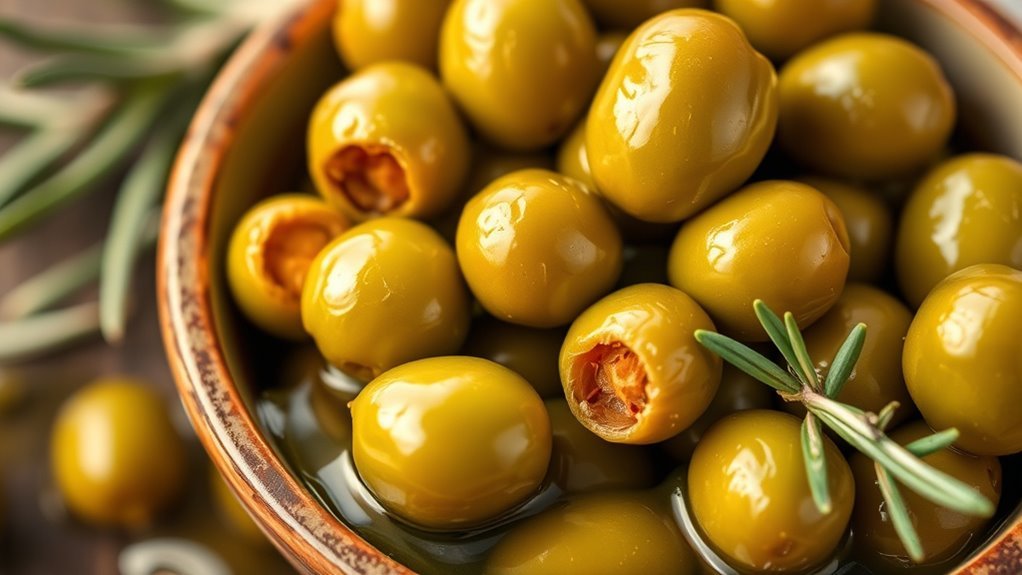
Although you might not always notice it, vitamin E plays an essential role in protecting your cells from oxidative damage caused by free radicals. This powerful antioxidant helps safeguard your cell membranes, preventing injury that can lead to inflammation and chronic diseases like cardiovascular issues and cancer.
When you include green olives in your diet, you provide your body with vitamin E, which supports immune function and promotes healthy skin and hair by maintaining cellular health. Regular intake of vitamin E-rich foods like green olives helps slow aging at the cellular level, keeping your body resilient.
What Antioxidants in Green Olives Do for Your Body
Vitamin E is just one of the many antioxidants you get from green olives that help protect your body. Green olives are rich in hydroxytyrosol, a powerful antioxidant that shields your cells from oxidative damage. Alongside this, phenolic acids like 5-O-caffeoylquinic acid and compounds such as luteolin and verbascoside work together to neutralize free radicals and support cell protection.
Green olives provide powerful antioxidants like hydroxytyrosol and luteolin that protect your cells from oxidative damage.
By including green olives in your diet, you help reduce inflammation and keep your cells healthier.
Here’s what antioxidants in green olives do for you:
- Protect your cells from oxidative damage caused by free radicals
- Reduce inflammation, lowering the risk of chronic diseases
- Support overall cellular health by neutralizing harmful compounds
Choosing minimally processed green olives guarantees you get the maximum antioxidant benefits for your body’s defense and well-being.
How Green Olives Support Heart Health
You’ll benefit from the monounsaturated fats in green olives, especially oleic acid, which helps improve your cholesterol levels. Eating green olives can boost your HDL (good) cholesterol while lowering LDL (bad) cholesterol. Plus, their compounds support healthy blood pressure, reducing your risk of heart disease. So, adding green olives to your diet is a tasty way to give your heart some extra love.
Monounsaturated Fats Benefits
Because green olives are rich in monounsaturated fats, especially oleic acid, they play a powerful role in supporting your heart health. These healthy fats help improve cardiovascular health by positively influencing your cholesterol levels and reducing inflammation. Oleic acid, a key component of monounsaturated fats in green olives, contributes to lowering blood pressure and promoting a healthier heart.
Incorporating green olives into your diet can benefit you by:
- Boosting HDL (good) cholesterol levels
- Reducing LDL (bad) cholesterol and inflammation
- Aligning with Mediterranean diet practices linked to lower heart disease risk
Cholesterol Regulation Effects
How exactly do green olives help keep your cholesterol in check? They’re packed with oleic acid, a monounsaturated fat that lowers LDL cholesterol levels while boosting HDL, the good cholesterol. These healthy fats improve your lipid profile, which plays a crucial role in supporting cardiovascular health.
By regularly including green olives in your diet, you help regulate your cholesterol levels through better transport and metabolism of fats. Furthermore, green olives contain polyphenols, bioactive compounds that protect your arteries from oxidative damage and reduce inflammation, a major contributor to heart disease.
Blood Pressure Reduction
While green olives are best known for their cholesterol benefits, they also play a key role in reducing blood pressure and supporting heart health. Their rich content of monounsaturated fats, especially oleic acid, helps lower blood pressure effectively.
The antioxidants in green olives, like vitamin E and polyphenols, protect your blood vessels by reducing oxidative stress and maintaining elasticity. Plus, the magnesium in green olives promotes blood vessel dilation, further aiding blood pressure control.
However, since green olives can be high in sodium, it’s important to enjoy them in moderation.
Key benefits include:
- Monounsaturated fats from olive oil help reduce blood pressure.
- Antioxidants protect and improve blood vessel function.
- Magnesium supports blood vessel relaxation and dilation.
Can Green Olives Help Manage Blood Sugar?
You’ll find that green olives are rich in monounsaturated fats, especially oleic acid. This type of fat can actually help improve how your body manages insulin. So, it plays a role in regulating your blood sugar levels more effectively. Including green olives in your diet might be an easy way to support better blood sugar control.
Monounsaturated Fats Benefits
Because green olives are packed with monounsaturated fats like oleic acid, they can play a key role in managing your blood sugar. These healthy fats improve insulin sensitivity, supporting better blood sugar regulation and overall metabolic health. Including green olives in your diet may reduce the risk of type 2 diabetes by activating pathways that enhance glucose uptake and lower blood sugar levels.
Here’s why monounsaturated fats in green olives benefit you:
- Improve insulin sensitivity, aiding in blood sugar control
- Support metabolic health by replacing saturated fats
- Enhance glucose uptake, helping to lower blood sugar
Oleic Acid Effects
If you want to manage your blood sugar more effectively, incorporating green olives into your diet can help thanks to their high oleic acid content. Oleic acid, a powerful monounsaturated fat found in green olives, supports improved insulin sensitivity, which means your cells respond better to insulin.
This enhanced response helps regulate blood sugar levels more efficiently. Furthermore, the monounsaturated fats in green olives reduce inflammation, a key factor in insulin resistance.
Blood Sugar Regulation
How exactly can green olives help manage blood sugar? Green olives are rich in monounsaturated fats, especially oleic acid, which improves insulin sensitivity and supports blood sugar regulation. Their dietary fiber content slows carbohydrate absorption, reducing blood sugar spikes after meals.
Moreover, antioxidants like hydroxytyrosol in green olives combat oxidative stress, a factor linked to insulin resistance and type 2 diabetes.
Here’s how green olives aid blood sugar control:
- Monounsaturated fats enhance insulin sensitivity.
- Dietary fiber slows glucose absorption, preventing sharp increases.
- Antioxidants reduce oxidative stress impacting insulin function.
Including green olives regularly in your diet may help maintain healthy blood sugar levels and improve metabolic health overall.
Which Minerals in Green Olives Benefit Your Health?
While green olives might seem like a simple snack, they pack a powerful punch of essential minerals that can boost your health. For starters, their iron content supports oxygen transport in your blood, helping to prevent anemia and keep you energized.
You’ll also find calcium in green olives, which plays a critical role in maintaining strong bones and ensuring your nerves function properly. Magnesium is another key mineral present; it aids muscle function, helps regulate blood sugar, and boosts your energy production.
Don’t overlook copper, either. It supports heart health and helps form connective tissue, which keeps your body’s structure intact. Keep in mind, though, the exact mineral levels can vary depending on the olive variety and how they’re processed.
Incorporating green olives into your diet can be a tasty way to benefit from these minerals and support overall wellness.
Should You Be Concerned About Sodium in Green Olives?
Since green olives are typically cured in brine, they contain a high amount of sodium, around 735 mg per 100 grams. Eating too many can quickly raise your daily sodium intake, which might lead to health concerns like hypertension and cardiovascular problems. However, green olives still offer nutritional value, including healthy fats and antioxidants.
You don’t have to avoid them altogether, but it’s a good idea to practice moderation. Here are some tips to help manage sodium intake from green olives:
- Rinse or soak olives before eating to reduce their sodium content.
- Keep track of how much sodium you consume from all sources throughout the day.
- Choose lower-sodium olive varieties if they’re available.
How Many Green Olives Should You Eat Daily?
Deciding on the right number of green olives to eat daily depends on balancing their nutritional benefits with their sodium content. Eating about 10 green olives offers roughly 50 calories and a good dose of heart-healthy monounsaturated fats, mainly oleic acid. This amount also boosts your daily intake of dietary fiber, vitamins, and minerals without adding too many calories.
Experts suggest consuming 1-2 servings, or around 7-20 olives daily, to maximize these benefits. However, green olives are high in sodium, roughly 735 mg per 100 grams, so you should be cautious not to overdo it. Sticking to about 10-15 green olives daily helps you enjoy their nutritional perks while keeping your sodium intake in check.
This moderate daily intake supports a balanced diet and contributes positively to your heart health, thanks to the monounsaturated fats in green olives.
Frequently Asked Questions
How Are Green Olives Harvested and Processed Before Consumption?
You’ll find green olives harvested using careful olive harvesting methods when they’re still unripe and firm. After picking, they go through processing techniques like alkaline curing to remove bitterness.
This curing process often involves soaking the olives in lye and then rinsing thoroughly. These steps enhance flavor, ensuring the olives are tasty and ready for consumption. The entire process can take days or weeks, depending on the desired texture and taste.
Do Green Olives Contain Any Allergens or Cause Food Sensitivities?
About 1 in 100 people may face olive allergy or food sensitivity when eating green olives. You should know green olives can trigger reactions due to cross-reactivity with plants like jasmine.
Processing adds potential allergens, so always check allergen labeling carefully. If you’re sensitive, these olives might cause skin irritation or headaches.
It’s smart to consult your healthcare provider before adding green olives to your diet.
Can Green Olives Be Included in a Low-Carb or Keto Diet?
You can definitely include green olives in your low-carb or keto diet. They offer olive oil benefits with healthy fats and green olive antioxidants that support your health.
Their preserved olive flavors add a tasty punch to meals, making culinary olive uses versatile. Just watch the sodium content if you eat preserved varieties.
Are There Different Varieties of Green Olives With Varying Nutritional Profiles?
Imagine a colorful mosaic where each tile tells a story, just like regional varieties of green olives. You’ll find olive flavor profiles shifting with each variety, shaped by unique curing methods and local soil. These factors create nutritional differences, with some olives richer in healthy fats and antioxidants.
How Should Green Olives Be Stored to Maintain Freshness and Quality?
To keep your green olives fresh, follow olive storage tips like sealing them in an airtight container. Use freshness preservation methods by keeping olives submerged in their brine to maintain texture and flavor.
Proper packaging techniques are key. Avoid exposure to sunlight and heat. Store them under ideal refrigeration conditions, ideally in the fridge at a consistent cool temperature.
Once opened, consume olives within 1-2 weeks to enjoy the best quality.
Conclusion
Just like the olive branch symbolizes peace, adding green olives to your diet can bring harmony to your health. They’re packed with healthy fats, fiber, and essential vitamins like E, supporting your heart and blood sugar balance.
While their sodium content calls for moderation, enjoying a few daily can offer real nutritional benefits. So, go ahead, embrace green olives as your tasty, nutritious ally in a balanced diet.


One Comment