
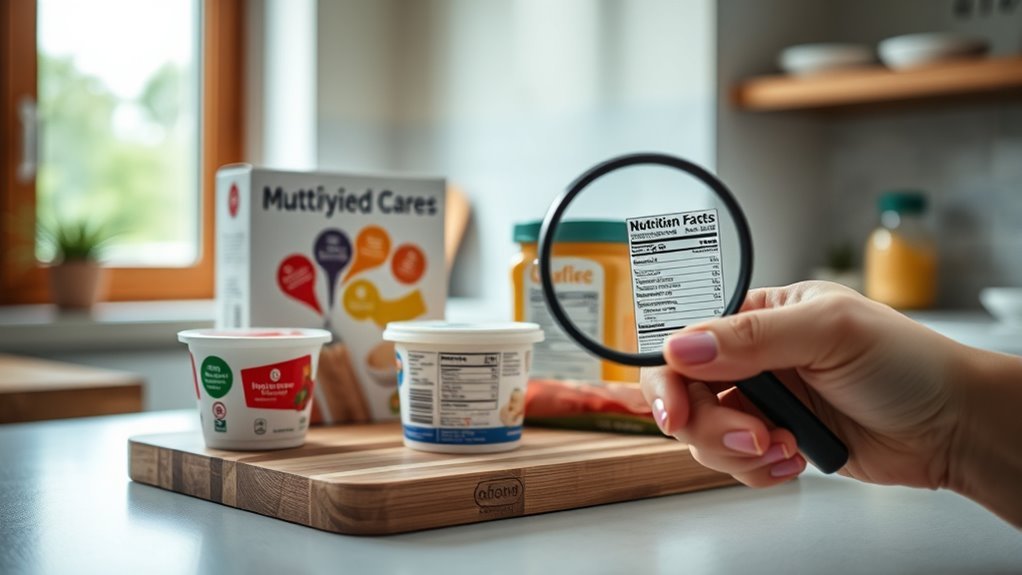
What Are Nutritional Claims and How to Identify Them
Nutritional claims highlight key health benefits like “low fat” or “high fiber” to help you quickly spot healthier choices. You can identify them by looking for keywords such as “light,” “source of,” or “reduced” on labels.
These claims are regulated to guarantee accuracy and often require disclaimers, especially on supplements.
By understanding these claims, you can better evaluate food products and make informed decisions. Exploring further reveals how these rules protect your health and guide smarter shopping.
What Are Nutritional Claims And Why Do They Matter?
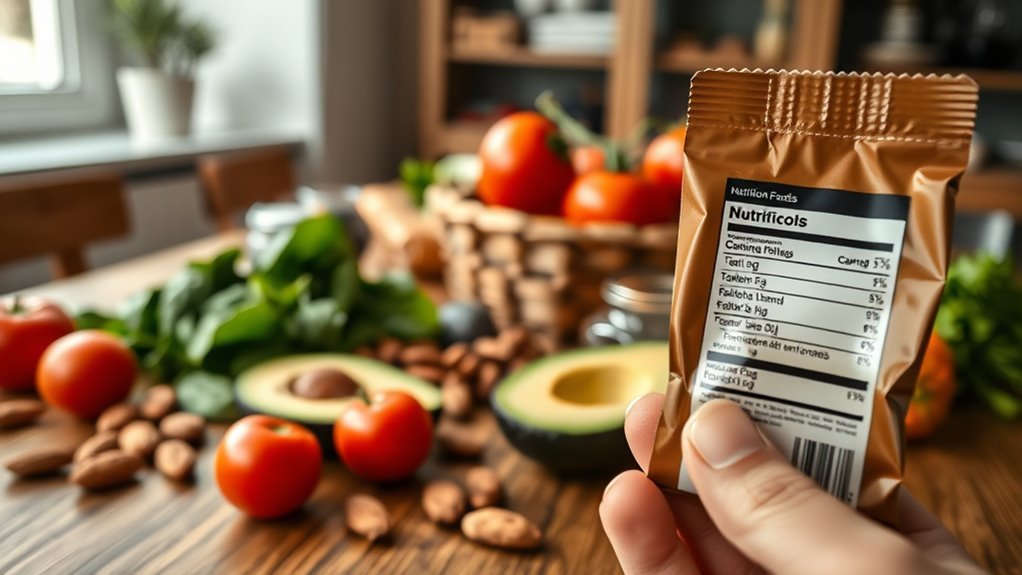
Nutritional claims are statements that highlight key health benefits of a food, like “low fat” or “high in fiber.” They help you quickly spot products that fit your dietary needs, making healthier choices easier.
When you read food labels, nutritional claims stand out because they emphasize a product’s healthfulness, steering your consumer perception toward better options. However, these claims aren’t just marketing fluff. They’re strictly regulated.
Regulatory bodies set clear standards that a product must meet before it can carry a specific nutritional claim. This regulation guarantees the claims on packaging are accurate and trustworthy, so you can rely on them when making decisions.
To identify genuine nutritional claims, you need to look for specific wording and verify that the product meets official criteria. Understanding nutritional claims helps you cut through confusing labels and select foods that truly support your health goals.
The Three Main Types Of Nutritional Claims On Food Labels
Understanding the different types of claims on food labels can help you make sense of what those statements really mean. The three main types of nutritional claims are nutrient content claims, health claims, and general health claims.
Nutrient content claims focus on the amount of specific nutrients, like “low fat,” “high fiber,” or “sugar-free,” and must meet strict regulatory criteria. Health claims connect certain nutrients or ingredients to the reduced risk of specific diseases, while general health claims describe overall health benefits without linking to a particular condition.
To guarantee accurate identification, pay close attention to the wording on food labels, such as terms like “light,” “source of,” or “reduced.” Knowing these distinctions lets you better understand what you’re consuming and helps you make informed choices based on reliable, regulated information rather than vague or misleading statements.
How Nutritional Health Claims Reduce Disease Risk

When you see a health claim on a food label, it often means that the product contains nutrients proven to help reduce the risk of specific diseases. These health claims are carefully regulated by the FDA to guarantee they meet strict standards based on scientific evidence.
For instance, a claim like “low sodium may reduce the risk of high blood pressure” reflects significant scientific agreement linking nutrient content to disease risk reduction. By identifying these claims, you can make informed choices that support your health.
The claims explicitly connect a nutrient, such as calcium, to a lowered risk of conditions like osteoporosis, giving you clear guidance on how certain foods can benefit your well-being. Thanks to FDA regulations, you can trust that these health claims are backed by credible research, helping you understand how nutrient content plays a role in reducing disease risk and promoting a healthier lifestyle.
What Nutrient Content Claims Reveal About Foods
How can you quickly tell if a food fits your dietary needs? Nutrient content claims on food labeling give you that insight by specifying the amount of certain nutrients, like “low sodium” or “high fiber,” based on strict regulatory criteria.
These claims use terms such as “low,” “high,” “more,” or “reduced” to highlight favorable nutrient levels, helping you make informed choices. For example, a “low fat” claim means the food contains no more than 3 grams of fat per 100 grams, ensuring consistency and reliability.
Quantitative statements, like “200 mg sodium,” are also allowed if they are accurate and uncharacterized. Most nutrient content claims focus on nutrients with established Daily Values, so you can trust they meet regulatory standards.
Understanding Structure/Function Claims On Food Labels
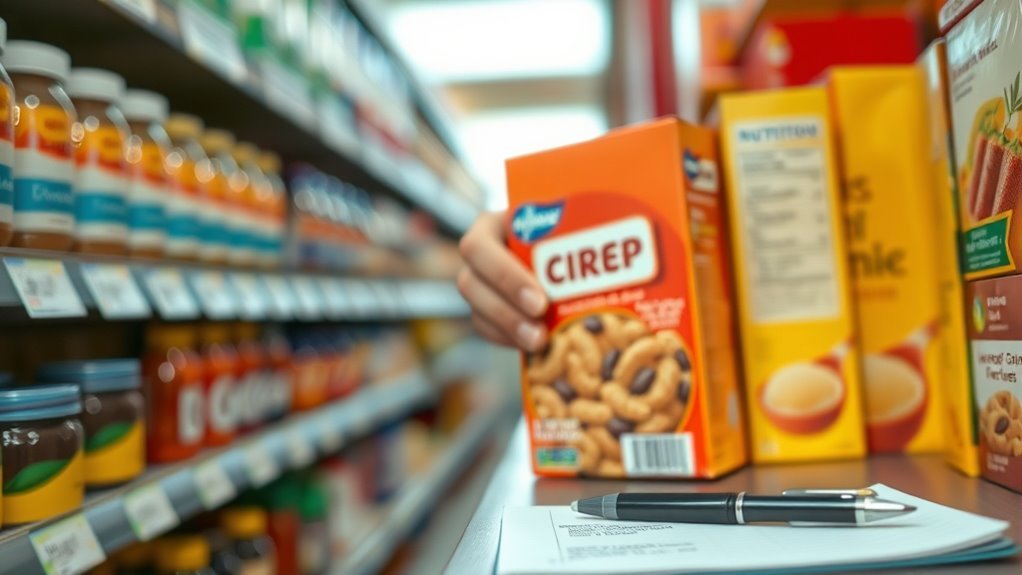
Although structure/function claims don’t diagnose or treat diseases, they tell you how a nutrient or ingredient supports your body’s normal functions, like saying “calcium builds strong bones.” When you see these claims on food labels, they describe the role of nutrients or ingredients in maintaining body structure, function, or overall well-being, such as “fiber maintains bowel regularity” or “vitamins support immune health.”
These claims aren’t pre-approved by the FDA, but manufacturers must have evidence to back them up and guarantee they’re truthful and not misleading. You’ll also notice a mandatory disclaimer stating the FDA hasn’t evaluated the claim and that the product isn’t meant to treat diseases.
While the FDA doesn’t approve these claims beforehand, manufacturers must notify the FDA within 30 days of marketing products with structure/function claims. Understanding these points helps you make informed choices by recognizing which statements describe normal body functions rather than disease treatment.
How Regulations Keep Nutritional Claims Honest And Clear
Why can you trust the nutritional claims on your food labels? Because strict regulations guarantee these claims truthfully reflect the actual nutrient content. For example, terms like “reduced” require at least a 30% decrease in a specific nutrient, while “energy-free” means the product contains no more than 4 kcal per 100 ml.
Regulations also set clear criteria for claims such as “low fat” or “high fiber,” so you know these labels meet consistent standards. Regulatory bodies review nutrient data and enforce compliance, preventing misleading or exaggerated claims.
Qualifying language like “source of” or “high in” is also regulated to guarantee accuracy. Thanks to these rules, you can confidently distinguish genuinely healthy products from those making unsubstantiated assertions.
Ultimately, these regulations keep nutritional claims on food labels honest and clear, providing you with reliable information to make informed choices.
Common Keywords That Indicate Nutritional Claims On Labels
Regulations guarantee nutritional claims on labels are accurate, but understanding the specific words used can help you quickly spot what they mean. When you read food labels, certain keywords reveal important nutrient content claims that are truthful and regulated.
Here are three common types of claims to watch for:
- Low and Free: Words like “low” or “sodium-free” indicate minimal amounts of specific nutrients, such as fat or sodium.
- Source and Rich In: Phrases like “source of fiber” or “rich in vitamin C” highlight the presence of beneficial nutrients.
- Reduced and Lite: Terms such as “reduced sugar” or “lite” suggest the product has less fat, sugar, or calories compared to a standard version.
How Nutritional Claims Differ Between Foods And Supplements
You’ll notice that nutritional claims on foods and supplements follow different rules. This is especially true when it comes to what they can say and how they prove it. Foods have to meet strict criteria for nutrient levels. On the other hand, supplements have more flexibility but still need to back up their claims with evidence. Plus, supplements often include disclaimers to keep things transparent, which you usually won’t see on food labels.
Regulatory Differences Overview
How do nutritional claims differ between foods and dietary supplements? The regulatory differences are significant, affecting how you interpret food labeling and supplement claims under FDA regulations. Here’s what you need to know:
- Nutrition claims for foods must meet strict criteria, like a 30% reduction in fat or sugar compared to similar products, without needing premarket approval.
- Dietary supplements have more flexibility, allowing non-nutritive or structure/function claims, but they require substantiation and FDA notification within 30 days of marketing.
- While foods focus on effects from nutritive value, supplements can claim broader health benefits, provided they include disclaimers.
Understanding these distinctions helps you better evaluate nutrition claims and make informed choices about foods and dietary supplements.
Claim Substantiation Requirements
Because nutritional claims impact your choices, it’s important to know that foods and dietary supplements have different rules for backing them up. Foods making nutrition claims must meet specific criteria, like a 30% nutrient reduction for “reduced” claims, and verify these claims are truthful and not misleading.
They generally don’t need premarket approval but must follow regulatory requirements to avoid false claims. Dietary supplements face stricter claim substantiation; manufacturers must have supporting evidence before marketing and notify authorities within 30 days.
Supplements often require more rigorous proof since they can affect health beyond basic nutrition. Understanding these differences helps you evaluate nutrition claims critically, ensuring the products you choose meet the standards for safety and accuracy established by regulators.
Disclaimers And Notifications
Although both foods and dietary supplements make nutritional claims, the rules for disclaimers and notifications differ considerably between them. When you check food labels, you’ll notice that conventional foods don’t require mandatory disclaimers for structure/function claims.
Dietary supplements, however, must include disclaimers stating that the FDA hasn’t evaluated their claims and that the product isn’t intended to diagnose, treat, cure, or prevent disease. Here’s what you should know:
- Dietary supplements making health-related claims must notify the FDA within 30 days of marketing.
- These supplements must include disclaimers on their labels to prevent misleading consumers.
- The presence or absence of disclaimers helps you distinguish between pre-approved claims, required notifications, and unregulated claims on food labels versus supplements.
Understanding these differences helps you make informed choices.
Tips For Using Nutritional Claims To Make Smarter Food Choices
When you want to make smarter food choices, paying attention to nutritional claims can be a helpful strategy. Nutritional claims on food labels highlight the nutrient content, like “low fat” or “high fiber,” guiding you toward healthier choices.
Focus on claims that specify nutrient levels, such as “sodium-free” or “rich in vitamins,” especially those addressing nutrients of public health concern like sodium or saturated fat. These claims can support heart health and overall wellness.
However, don’t rely solely on buzzwords like “light” or “lite.” Make sure they meet reduction criteria, often at least 30% less fat or calories. Always check the serving size and actual nutrient content on the label to verify the claim fits your dietary needs.
Frequently Asked Questions
How Do Cultural Differences Affect the Interpretation of Nutritional Claims?
Cultural differences shape how you interpret nutritional claims through your cultural perceptions and traditional beliefs. Language barriers might confuse you, changing a claim’s meaning or trustworthiness.
Regional standards affect what terms like “light” or “healthy” truly mean where you live. Marketers tailor strategies to fit these differences, influencing how you view nutrition info.
Can Nutritional Claims Impact Food Allergies or Intolerances?
Don’t judge a book by its cover. Nutritional claims can definitely impact your food allergies or intolerances. If a product has allergy mislabeling or lacks claim accuracy, you might face intolerance concerns.
It’s essential you look for clear allergen labeling and demand ingredient transparency. Relying solely on claims without verifying allergens can put you at risk. So always double-check to keep your meals safe and avoid unwanted reactions.
Are There Penalties for Companies That Misuse Nutritional Claims?
Yes, companies that misuse nutritional claims face legal penalties to guarantee regulatory compliance. If you spot misleading advertising, authorities can launch enforcement actions like fines or product recalls to protect consumers.
These penalties discourage false claims and promote transparency. By holding companies accountable, consumer protection improves, helping you make informed choices without being deceived by inaccurate nutrition information.
How Often Are Nutritional Claims Updated to Reflect New Research?
You’ll find nutritional claims updated infrequently, mainly when scientific updates or regulation changes demand it. Companies adjust claims to stay compliant with new rules and to refine marketing strategies.
While consumer awareness grows, the industry’s compliance pace is slow because updates usually follow major discoveries or regulatory shifts. So, don’t expect claims to reflect new research constantly, but they do evolve to keep information accurate and trustworthy over time.
Do Online Food Retailers Follow the Same Nutritional Claim Regulations?
When you browse online grocery aisles, you expect label accuracy to guide your choices. Most online food retailers do follow nutritional claim regulations, aiming for regulatory compliance to showcase genuine health benefits.
But marketing strategies sometimes blur the lines, risking consumer trust. While many stick to the rules, inconsistent enforcement means you should stay alert.
Always double-check claims to make certain they reflect true nutrition, protecting your health and wallet.
Conclusion
Next time you reach for a snack, picture the label as a window into your health. Nutritional claims aren’t just words; they’re guides lighting your path to better choices.
By spotting terms like “low fat” or “supports immunity,” you’re revealing clues to nourish your body wisely. Remember, those claims are regulated to keep you safe, so trust them but stay curious.
Let these insights help you build a vibrant, energized life with every bite you take.