
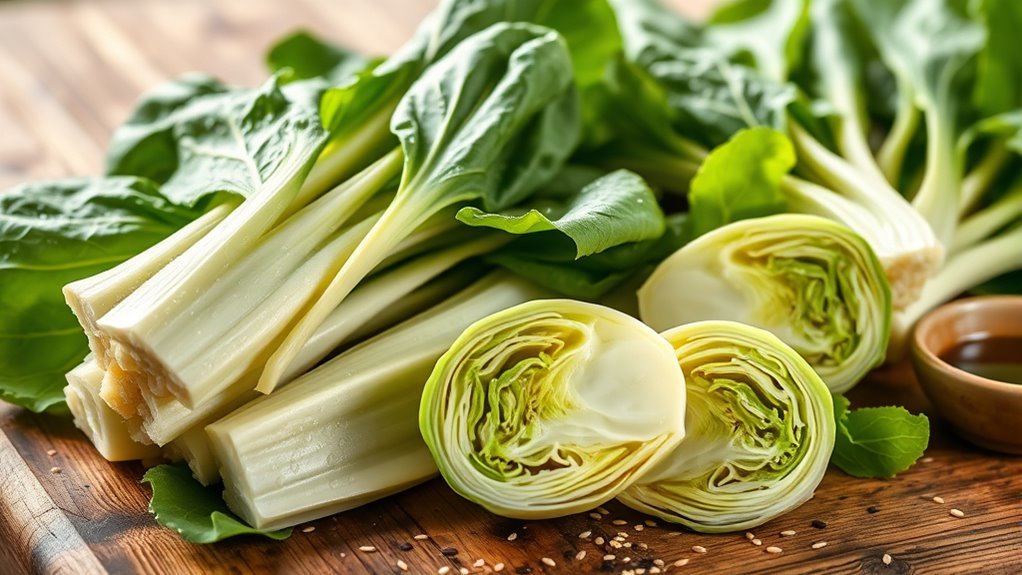
How to Understand Bok Choy Nutrition Benefits
You get powerful nutrients in bok choy like vitamins A, C, and K, plus minerals such as calcium and magnesium that support your bones, heart, and immune system. Its antioxidants fight cell damage and reduce disease risk.
While these nutrients are essential, fiber helps manage digestion and blood sugar.
Bok choy also boosts eye health and joint strength. When you explore its full benefits, you’ll uncover how it supports overall wellness and fits perfectly into a healthy diet.
Key Nutrients That Make Bok Choy Healthy
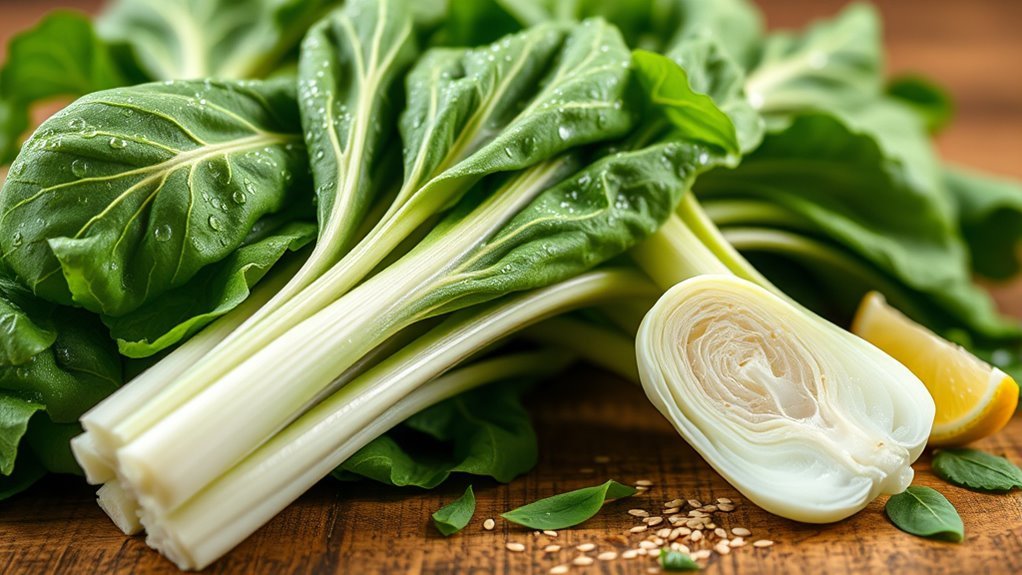
Although bok choy may seem like a simple leafy green, it packs a powerful nutritional punch that benefits your overall health. You’ll find it loaded with essential vitamins like C, K, and A, which help boost your immune system, support blood clotting, and maintain eye health.
Bok choy also offers fundamental minerals such as calcium, magnesium, and phosphorus, all indispensable for keeping your bones strong. Beyond that, its fiber content promotes healthy digestion and helps lower cholesterol, protecting your heart.
The fiber also keeps your digestive system running smoothly, which is key for overall wellness. Plus, it contains important nutrients like folate and vitamin B6 that help maintain healthy blood vessels by reducing homocysteine levels.
With this combination of vitamins, antioxidants, minerals, and fiber, bok choy is a nutrient-dense vegetable that fits perfectly into a balanced diet focused on supporting your body’s essential functions.
How Bok Choy’s Antioxidants Protect Your Cells
When you eat bok choy, you’re getting a good dose of powerful antioxidants like vitamins C and E, beta-carotene, and selenium. These nutrients don’t work alone—they team up to neutralize free radicals in your body. This teamwork helps reduce oxidative stress in your cells.
Key Antioxidant Nutrients
How exactly do the antioxidants in bok choy protect your cells? The vitamin C and beta-carotene in bok choy play essential roles. Vitamin C neutralizes harmful molecules, while beta-carotene converts into vitamin A, supporting your immune system and shielding cellular tissues from damage.
Selenium, another key antioxidant in bok choy, helps defend your cells by preventing oxidative harm and aiding detoxification. Together, these antioxidants work in harmony to protect your DNA and cell membranes, reducing oxidative stress that can lead to chronic illnesses.
Free Radical Defense
Why do antioxidants in bok choy play such an essential role in protecting your cells? They fight free radicals, unstable molecules that can damage DNA, proteins, and lipids.
Bok choy’s antioxidants, including vitamin C, vitamin E, and beta-carotene, neutralize these harmful molecules and prevent cellular damage. Selenium, also found in bok choy, supports antioxidant enzymes that strengthen your body’s defense against free radical attacks.
Flavonoids like quercetin further boost this protective action by scavenging free radicals. By regularly consuming bok choy, you reduce oxidative stress, which helps maintain healthy cells and potentially lowers your risk of chronic diseases.
Incorporating bok choy into your diet gives your body the antioxidant support it needs to combat everyday cellular threats efficiently.
Oxidative Stress Reduction
Although oxidative stress can damage your cells over time, eating bok choy helps protect them by providing powerful antioxidants like vitamins C and E, beta-carotene, and selenium. These antioxidants neutralize free radicals, reducing oxidative stress and supporting your immune system.
Bok choy’s phytochemicals work together to prevent cellular damage linked to chronic diseases. Plus, its fiber aids in lowering inflammation in your digestive system.
| Antioxidant | Role | Benefit |
|---|---|---|
| Vitamin C | Neutralizes free radicals | Immune system support |
| Vitamin E | Protects cell membranes | Reduces oxidative stress |
| Beta-carotene | Precursor to vitamin A | Enhances antioxidant defense |
| Selenium | Supports antioxidant enzymes | Cellular protection |
Including bok choy regularly strengthens your body’s defense against oxidative stress.
Why Bok Choy Supports Strong Bones and Joints
Three key nutrients in bok choy, calcium, magnesium, and vitamin K, play an essential role in keeping your bones strong and joints healthy. Calcium and magnesium are vital minerals that contribute directly to bone health by strengthening bone density and supporting mineral balance. Vitamin K helps regulate bone mineralization, which is instrumental for maintaining bone strength and reducing the risk of osteoporosis as you age.
Beyond these, bok choy contains zinc and iron, minerals that support collagen synthesis. This is essential for maintaining healthy joints and the structural integrity of your bones. Phosphorus in bok choy also aids in bone tissue repair, helping you recover and maintain skeletal strength.
How Bok Choy Boosts Eye Health and Vision
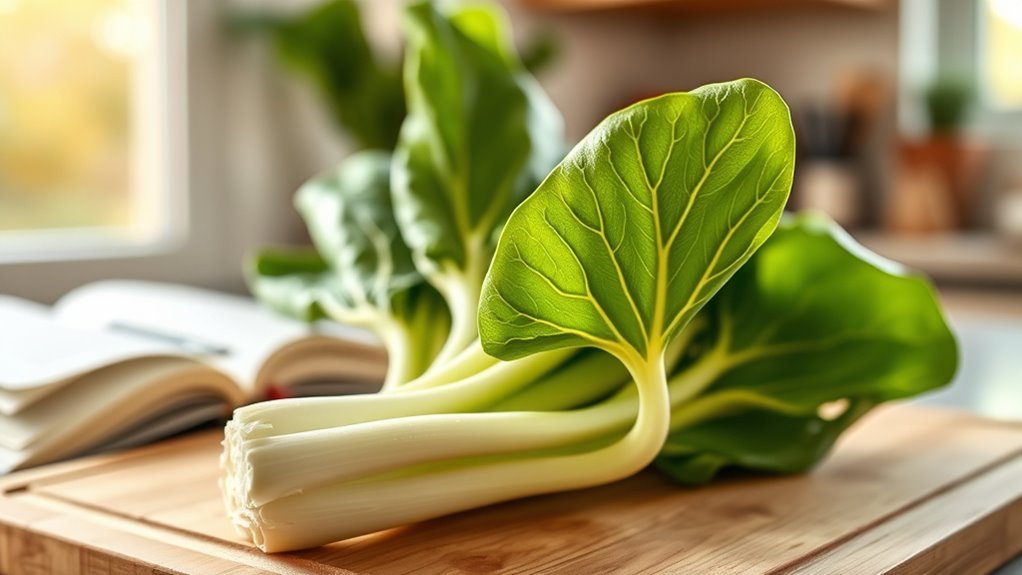
You’ll find that bok choy is packed with vitamin A, which plays a key role in keeping your eyesight sharp and preventing night blindness. Plus, it contains antioxidants like beta-carotene and vitamin C that help protect your eyes from damage caused by oxidative stress. So, including bok choy in your diet can really help support healthier vision as you get older.
Vitamin A Benefits
How exactly does bok choy support your eye health? It’s rich in beta-carotene, which your body converts into vitamin A. This nutrient is vital for maintaining strong vision.
Just one cup of raw bok choy gives you over 50% of your daily vitamin A needs. This helps prevent age-related macular degeneration and lowers the risk of night blindness.
Plus, the antioxidants, including beta-carotene and vitamin A, protect your eyes from oxidative stress caused by free radicals. Regularly eating bok choy ensures you get enough vitamin A for optimal eye health.
| Nutrient | Role in Eye Health | Daily Value per Cup |
|---|---|---|
| Vitamin A | Maintains vision | 50%+ of recommended |
| Beta-carotene | Converts to vitamin A | High |
| Antioxidants | Protect eyes from damage | Present |
Antioxidants Protect Eyes
Along with vitamin A, the antioxidants found in bok choy play a big role in protecting your eyes. Rich in beta-carotene and vitamins C and E, bok choy supplies antioxidants that fight oxidative stress. This stress can damage eye cells and speed up vision loss.
By reducing oxidative stress, these antioxidants help preserve your eye health. They lower the risk of cataracts and macular degeneration. Vitamin A from bok choy is especially essential for night vision and preventing dry eyes.
Eating bok choy regularly provides your eyes with indispensable nutrients that protect the lens and retina from free radicals. Including bok choy in your diet supports long-term eye health and helps keep your vision sharp as you age.
What Makes Bok Choy Good for Heart Health
Because bok choy contains key minerals like potassium, magnesium, and calcium, it plays an essential role in regulating your blood pressure and supporting heart health. These minerals help maintain healthy blood vessel function, preventing hypertension and reducing strain on your cardiovascular system.
Bok choy also provides antioxidants, including vitamin C and flavonoids like quercetin, which protect your blood vessels from oxidative damage that can lead to heart disease. Moreover, the folate and vitamin B6 in bok choy help lower homocysteine levels, a harmful amino acid linked to increased cardiovascular risk.
How Bok Choy May Lower Your Cancer Risk
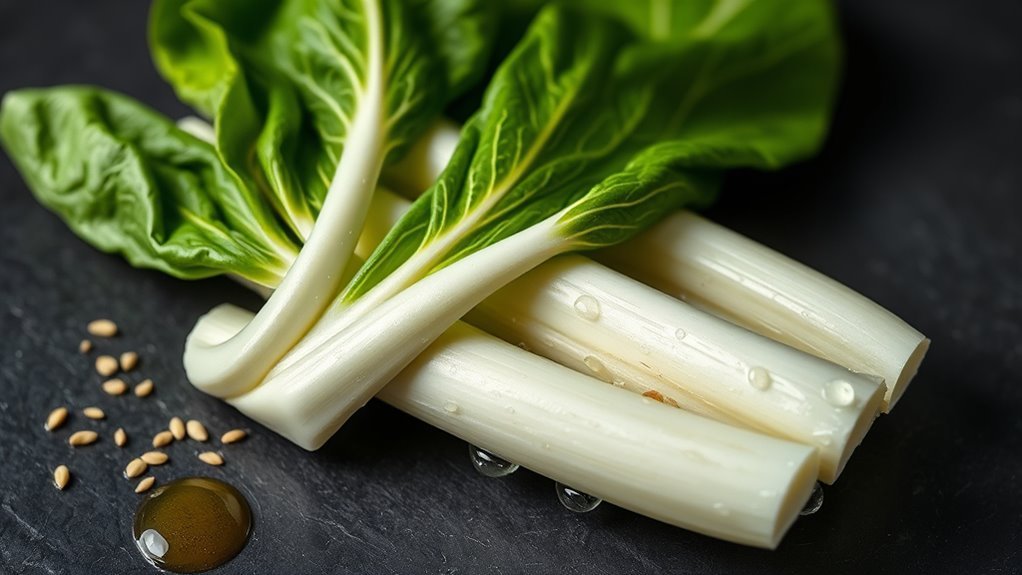
When you include bok choy in your diet, you tap into its powerful cancer-fighting properties. This cruciferous vegetable is rich in glucosinolates, which your body converts into isothiocyanates, compounds studied for their ability to inhibit cancer cell growth.
Bok choy also provides antioxidants like vitamins C, E, beta-carotene, folate, and selenium that protect your cells from oxidative damage. Selenium, in particular, supports your body’s defense mechanisms and may slow tumor progression.
Furthermore, the high fiber content in bok choy aids digestive health, which can lower your risk of colon and other gastrointestinal cancers. Regularly eating cruciferous vegetables like bok choy is linked to a reduced overall risk of certain cancers.
Bok Choy and Diabetes Management
When you’re managing diabetes, choosing foods that keep your blood sugar steady is key. That’s where bok choy comes in—it has a low glycemic impact, so it won’t cause your levels to spike.
What’s great about bok choy is its fiber content. The fiber helps slow down digestion, which means glucose is absorbed more gradually. This can make a big difference in keeping your blood sugar stable throughout the day.
On top of that, bok choy is packed with vitamins and minerals that support your overall health. So, not only does it help with blood sugar, but it also gives your body the nutrients it needs without any unwanted sugar spikes. Pretty good, right?
Low Glycemic Impact
How does bok choy help manage blood sugar levels? Bok choy has a low glycemic index, meaning it causes minimal spikes in blood glucose after meals.
With only about 2 grams of carbohydrates per cooked cup, it’s an excellent choice for blood sugar control. Its nutrient density offers essential vitamins and minerals without raising blood sugar, making it a diabetes-friendly vegetable.
Including bok choy in your meals supports stable blood sugar levels, especially if you’re managing diabetes. Because it’s non-starchy and packed with nutrients, you can enjoy it without worrying about blood sugar fluctuations.
Choosing bok choy helps you maintain control while benefiting from a nutrient-rich diet tailored for diabetes management.
Fiber and Digestion
Why does fiber matter so much in managing diabetes? Fiber, especially the soluble fiber in bok choy, plays a key role in digestion and blood sugar control. When you include bok choy in your diet, its fiber content helps slow carbohydrate absorption, improving your blood glucose stability.
Plus, fiber supports gut health by nourishing beneficial bacteria, which is vital for overall digestion.
Here’s how bok choy’s fiber benefits you if you have diabetes:
- Slows carbohydrate absorption
- Supports regular bowel movements
- Promotes feelings of fullness to aid weight management
- Enhances gut health by feeding good bacteria
- Helps lower cholesterol with soluble fiber
Including bok choy regularly can improve digestion and support your diabetes management effectively.
Nutrient Support for Diabetes
Although managing diabetes requires careful attention to your diet, including nutrient-rich vegetables like bok choy can make it easier. Bok choy is low in carbs and rich in fiber, vitamins, and minerals that help regulate blood sugar and support overall health.
Its fiber slows digestion, reducing blood sugar spikes. Vitamins C, A, and folate boost your immune system, while potassium and magnesium promote healthy blood pressure, which is crucial for diabetes management.
| Nutrient | Benefit for Diabetes | Source in Bok Choy |
|---|---|---|
| Fiber | Regulates blood sugar levels | High in cooked bok choy |
| Vitamins | Supports immune function | Vitamin C, A, folate |
| Minerals | Maintains blood pressure | Potassium, magnesium |
Including bok choy in your meals aids in better glucose control and lowers complications.
When Is Bok Choy in Season and How to Choose It
When can you find the freshest bok choy at the market? Bok choy thrives in cool weather, so its peak season is during spring and fall. During these times, you’ll get the best freshness and flavor.
When selecting bok choy, focus on stalks and leaves that signal quality and freshness.
Keep these tips in mind for the best selection and storage:
- Choose bok choy with bright green, crisp stalks.
- Look for tender leaves free of wilting or blemishes.
- Avoid yellowing or limp leaves to ensure freshness.
- Store bok choy in your refrigerator’s crisper drawer.
- Use it within 4-5 days for optimal taste and nutrition.
Preparing Bok Choy to Preserve Nutrients
After selecting fresh bok choy and storing it properly, how you prepare it plays a big role in keeping its nutrients intact. Start by washing bok choy thoroughly just before cooking to remove any dirt but avoid soaking it, as water-soluble nutrients like vitamin C can leach out.
When it comes to cooking, choose methods that ensure nutrient preservation. Steaming for a short time is ideal because it retains vitamins and antioxidants better than boiling, which can can cause nutrient loss. Cutting bok choy into larger pieces also helps minimize surface exposure, protecting water-soluble nutrients such as folate and vitamin C.
Moreover, cooking bok choy quickly at high heat, like stir-frying, locks in more vitamins and minerals compared to prolonged boiling or overcooking. By following these simple steps, you can enjoy bok choy’s full nutritional benefits while keeping its flavor and texture fresh.
Simple Recipes to Add Bok Choy to Your Meals
If you want to enjoy bok choy’s nutrition in delicious ways, incorporating it into simple recipes is the key. This versatile vegetable adds flavor and boosts the health benefits of any meal. You can easily include bok choy in your diet with these quick ideas:
Enjoy bok choy’s nutrition and flavor by adding it to simple, healthy recipes for any meal.
- Stir-fry chopped bok choy with garlic and ginger for a nutrient-packed dish.
- Add sliced bok choy to soups like miso or chicken broth to enhance vitamins A, C, and K.
- Toss shredded bok choy into salads for crunch and antioxidants.
- Roast halved bok choy with olive oil and seasoning for a savory side that keeps its nutrients.
- Use bok choy in Asian-inspired recipes like turkey meatball wonton soup or garlic bok choy for convenient, healthy meals.
Frequently Asked Questions
Can Bok Choy Cause Allergies or Food Sensitivities?
Yes, bok choy can cause a bok choy allergy in some people. If you have food sensitivity symptoms like itching, swelling, or skin rashes after eating it, your immune response might be reacting.
This often happens due to allergen cross reactivity, especially if you’re allergic to other cruciferous veggies like broccoli or kale. If you notice these symptoms, it’s smart to consult a healthcare professional to manage your reaction safely.
How Should Bok Choy Be Stored for Maximum Freshness?
Think of bok choy as a delicate treasure that needs careful storage to keep its crisp charm. For freshness preservation, wrap it in a damp paper towel and slide it into a plastic bag.
Use refrigeration methods by placing it in your fridge’s crisper drawer, away from ethylene producers like apples. These storage tips and gentle handling techniques make certain your bok choy stays vibrant and fresh for 4-5 days.
Is Bok Choy Safe to Eat Raw?
Yes, you can eat bok choy raw, which helps with nutrient preservation since cooking methods like boiling may reduce vitamin C and antioxidants. Just wash it thoroughly to remove pesticides.
Raw bok choy’s crunchy texture pairs well with flavors like sesame and ginger, making it great for salads or popular recipes like Asian slaws. If you’re mindful of flavor pairings and nutrient tips, raw bok choy can be a delicious, healthy addition to your meals.
What Are the Environmental Benefits of Growing Bok Choy?
Oh, sure, grow bok choy and single-handedly save the planet! But seriously, when you grow bok choy, you’re promoting soil health by diversifying crops, conserving water since it needs less than most veggies, and boosting pest resistance naturally.
Plus, you cut down your carbon footprint by growing it locally, avoiding long-distance transport. So, you’re not just eating healthy, you’re farming smarter and kinder to the Earth.
Can Bok Choy Interact With Medications?
Yes, bok choy can interact with medications. Its vitamin K effects may interfere with blood thinning interactions, especially if you’re on warfarin or similar drugs.
The vegetable’s nutrients might also affect medication absorption and herbal supplement compatibility. If you’re taking blood thinners or other prescriptions, you should talk to your healthcare provider before adding bok choy regularly to your diet to avoid any unwanted complications.
Conclusion
Think of bok choy as a vibrant garden in your kitchen. Each crisp leaf is packed with nutrients that nurture your body like sunlight and water feed plants. Its antioxidants shield your cells like a protective fence, while calcium strengthens your bones like sturdy roots.
Including bok choy in your meals is like planting health seeds that grow into lasting well-being. So, grab this leafy treasure and let it cultivate your energy every day.