Does Romaine Have Any Nutritional Value?
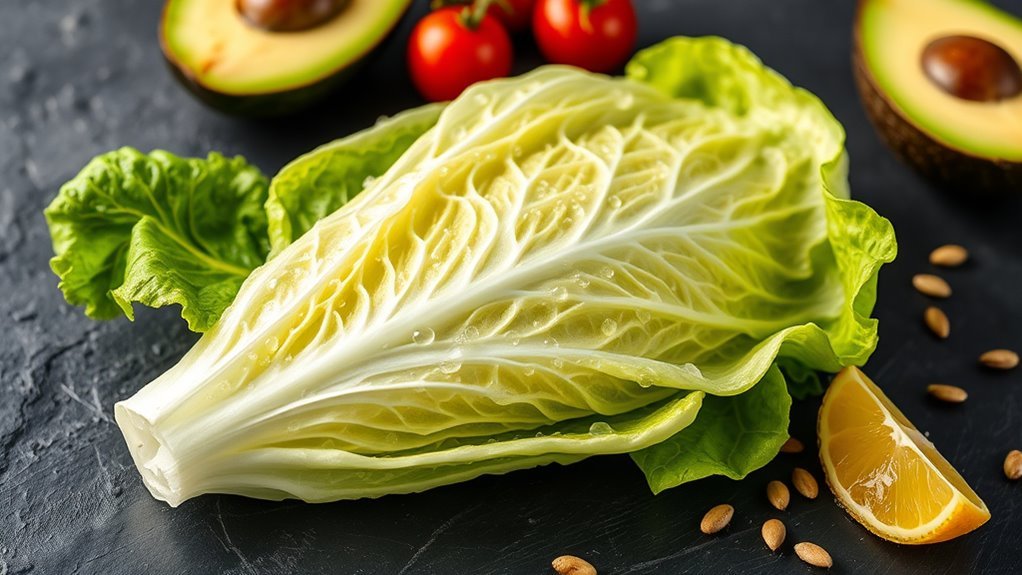
Romaine lettuce offers you a nutrient-rich, low-calorie boost with about 8 calories per cup. It’s packed with vitamins A and K that support your immune system and bone health, plus minerals like calcium, potassium, and magnesium.
You’ll also get antioxidants for eye health and fiber to aid digestion. Compared to iceberg, romaine delivers more nutrition and flavor.
If you want to discover how to use and store it for maximum benefit, keep exploring the details.
Key Nutrients in Romaine Lettuce
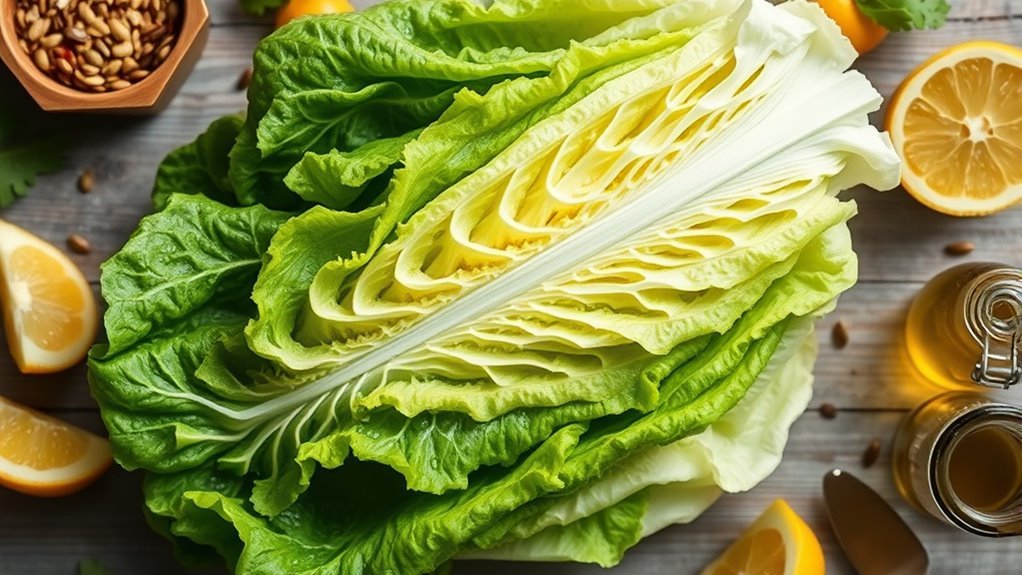
Although romaine lettuce is often overlooked, it packs a powerful nutritional punch that benefits your body in many ways. This low-calorie leafy green offers impressive nutritional value with just about 8 calories per cup, making it perfect for maintaining a healthy diet without extra calories.
You’ll find a variety of essential vitamins and minerals in romaine, including calcium, magnesium, potassium, and phosphorus. These nutrients support your bone health and muscle function. Plus, romaine contains antioxidants like beta carotene and lutein that help protect your cells and promote eye health.
With a modest amount of dietary fiber, it also aids digestion and helps you feel full longer. By including romaine lettuce in your meals, you’re giving your body a nutrient-rich boost without overloading on calories. It’s a simple, tasty way to enhance your nutrition every day.
Which Vitamins Are Most Abundant in Romaine Lettuce?
Romaine lettuce doesn’t just provide a range of minerals and antioxidants. It’s also packed with key vitamins that support your health. The most abundant vitamins in romaine are vitamin A and vitamin K, both essential for your body’s functions.
One cup delivers about 82% of your daily vitamin A needs, primarily from beta carotene, which your body converts into vitamin A to help maintain healthy vision and immune function. Moreover, romaine supplies roughly 40% of the recommended daily intake of vitamin K, important for blood clotting and bone health.
These nutrients contribute markedly to romaine’s nutritional benefits, making it a smart choice for your diet. While romaine also contains vitamin C and folate, it’s the high levels of vitamin A and K that stand out, ensuring you get critical support from this leafy green with every serving.
What Minerals and Electrolytes Does Romaine Lettuce Provide?
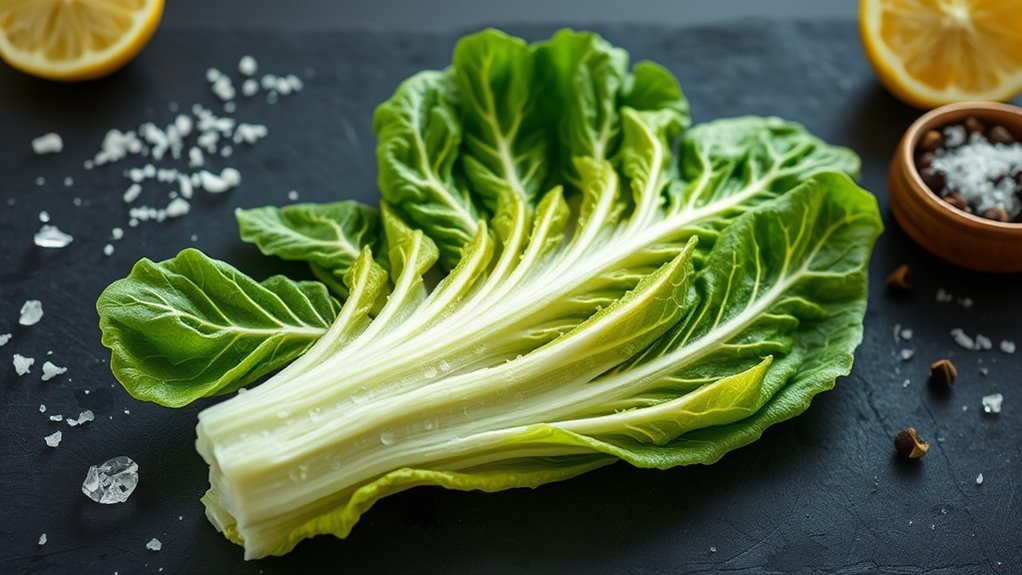
When you include romaine lettuce in your meals, you get a solid boost of essential minerals and electrolytes that support your body’s crucial functions. Romaine offers a good amount of calcium, about 7% of your daily recommended intake per cup, which helps keep your bones strong.
It also provides potassium, an important electrolyte that maintains a regular heartbeat and guarantees proper nerve function. Magnesium, another key mineral found in romaine, plays a fundamental role in enzyme activity and muscle relaxation, making it indispensable for overall bodily function.
Furthermore, romaine contains phosphorus, which works alongside calcium to strengthen your bones and teeth. By eating romaine lettuce, you’re fueling your body with a balanced mix of minerals and electrolytes that contribute to heart health, muscle function, and bone strength.
How Much Fiber Does Romaine Lettuce Contain?
If you’re looking to support your digestive health, including romaine lettuce in your meals can help since it provides about 1 gram of dietary fiber per cup. This fiber plays a key role in promoting healthy digestion and regular bowel movements. So, romaine is a simple way to add beneficial nutrients to your diet.
Here are three reasons why romaine lettuce’s fiber matters:
Three key benefits of romaine lettuce fiber for digestion, heart health, and weight management.
- It aids digestion by keeping things moving smoothly through your digestive tract.
- The mostly soluble fiber can help lower cholesterol levels, supporting heart health.
- Fiber in romaine contributes to feelings of fullness, which can assist in managing your weight.
While romaine contains less fiber than some other vegetables like kale or broccoli, it still offers valuable dietary fiber to complement your overall nutrient intake. Adding romaine lettuce to your meals is a light, nutritious choice that supports your digestion and overall well-being.
Key Health Benefits of Romaine Lettuce
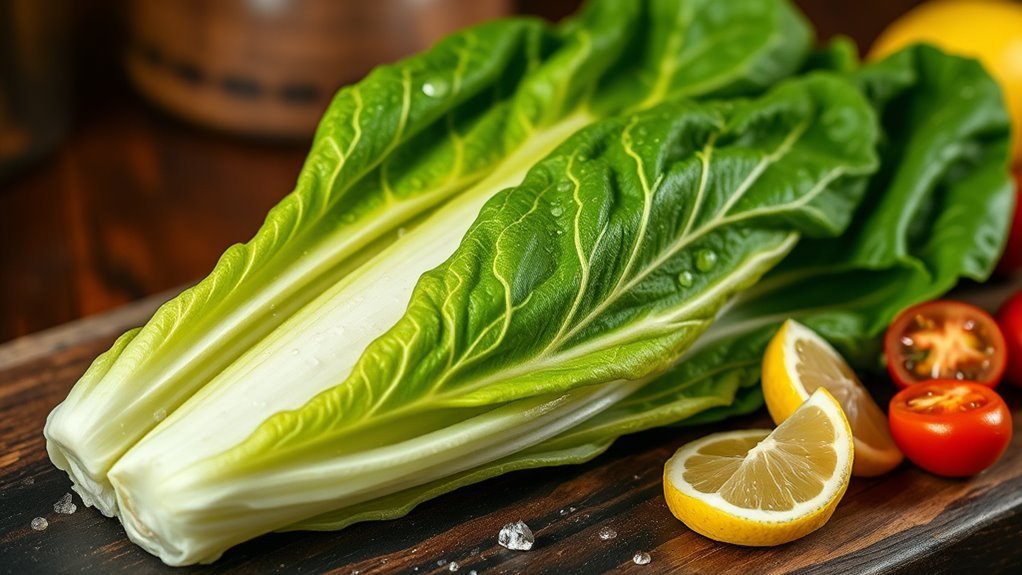
Although it might seem like just a simple leafy green, romaine lettuce packs a powerful nutritional punch that can boost your health in multiple ways. It’s loaded with essential vitamins, especially vitamins A and K, which support your immune system and blood clotting.
The antioxidants in romaine, like beta carotene and lutein, play a key role in maintaining your eye health and lowering the risk of age-related eye diseases. Thanks to its high water content, romaine helps keep you well-hydrated, which is vital for overall bodily functions.
Plus, it provides important minerals such as calcium, magnesium, and potassium that contribute to strong bones, efficient muscle function, and healthy blood pressure levels. By including romaine lettuce in your diet, you’re not just adding crunch; you’re nourishing your body with nutrients that promote long-term wellness.
How Does Romaine Lettuce Compare to Iceberg and Other Lettuces?
You’ve seen how romaine lettuce offers a range of health benefits thanks to its rich nutrient content. When you compare romaine lettuce to iceberg lettuce and other leafy greens, the differences in nutritional value become clear. Romaine stands out because it packs more vitamins and minerals per cup, making it a smarter choice for your health.
Here’s why you might choose romaine over iceberg or other lettuces:
- Romaine contains higher levels of vitamins A, K, and C, boosting your immune system and bone health.
- It offers more fiber, folate, calcium, phosphorus, and magnesium, supporting digestion and overall wellness.
- Despite having fewer calories than iceberg, romaine delivers a richer flavor and more nutrients.
Incorporating Romaine Lettuce Into Meals
You can use romaine lettuce as a versatile base for salads or wraps—it adds a nice crunch and packs in nutrients. Another tasty idea is to grill it with a bit of olive oil; it makes a flavorful side dish that’s a bit different.
Also, try layering romaine in sandwiches and tacos for an easy way to boost nutrition without much effort. If you’re cooking something like stir-fries or chili, toss in some romaine right at the end. This keeps its vitamins intact and gives your dish a fresh, crisp texture.
Salad Base Versatility
When you want a base that adapts effortlessly to different meals, romaine lettuce fits the bill perfectly. Its crisp texture and mild flavor make it an ideal salad base, offering impressive versatility. Beyond salads, romaine adds nutritional value by packing fiber and essential vitamins.
Here’s why you’ll love incorporating romaine lettuce into your meals:
- Use it as a crunchy wrap substitute, replacing bread or tortillas to boost vitamins and fiber intake.
- Chop or tear it to complement fresh toppings like tomatoes and cucumbers, enhancing texture and nutrition.
- Add it to hot or cold dishes like stir-fries or chili for an unexpected crunch and a vitamin boost.
Romaine’s adaptability means you can enjoy its nutritional benefits in countless creative ways.
Grilling And Wrapping
Although romaine lettuce is often enjoyed raw, grilling it brings out a smoky flavor and enhances its crisp texture without sacrificing nutrients. By brushing the leaves with olive oil and charring them slightly, you amplify romaine’s taste while preserving its vitamins and antioxidants.
Wrapping your proteins or veggies in fresh or grilled romaine offers a low-calorie, nutrient-rich alternative to bread or tortillas. This method adds crunch and boosts your intake of vitamins A, K, and lutein, supporting overall health benefits.
Whether you’re making sandwiches, tacos, or salads, grilling and wrapping with romaine lets you enjoy versatile, satisfying meals that increase fiber and mineral intake without added refined carbs. It’s a smart, delicious way to incorporate more nutrients into your diet.
Nutrient Boosting Additions
Since romaine lettuce packs a powerful blend of vitamins A, K, and C, adding it to your meals instantly boosts your nutrient intake while supporting immune and bone health. You can easily enhance your healthy diet with romaine by:
- Tossing it into salads or wraps to increase fiber, which aids digestion and keeps you full longer.
- Using it as a crunchy base or garnish, providing essential minerals like calcium and potassium.
- Blending it into smoothies or juices, improving hydration and nutrient absorption.
Each method helps you maximize romaine’s benefits without extra effort. By incorporating romaine regularly, you not only enjoy its crisp texture but also elevate your intake of crucial vitamins, fiber, and minerals, making your meals more nutritious and satisfying.
Safety and Freshness Tips When Buying Romaine Lettuce
To guarantee your romaine lettuce stays fresh and safe to eat, buy it just a few days before you plan to use it. When selecting romaine, check the outer leaves for crispness and vibrant color. These are clear signs of good quality and freshness.
Avoid any heads with wilted, discolored, or slimy leaves, as these indicate spoilage. Proper storage is essential. Keep your romaine in the refrigerator inside a breathable bag or container to maintain its crispness and prolong freshness.
Before eating or cooking, washing thoroughly under running water removes dirt, bacteria, and potential contaminants, ensuring safety. By paying close attention to freshness, storage, and washing, you’ll enjoy romaine lettuce at its best nutritional potential while minimizing health risks associated with spoilage.
Following these simple safety and freshness tips lets you confidently add romaine to your meals every time.
Frequently Asked Questions
Can Romaine Lettuce Help With Skin Health?
Yes, romaine lettuce can help with skin health because of its nutrient density and vitamin content, especially vitamins A and C. You’ll benefit from its antioxidant properties, which protect your skin from damage.
Its hydration benefits keep your skin moisturized, while dietary fiber supports overall health, indirectly aiding skin repair. Including romaine in your diet lets you nourish your skin naturally and maintain a healthy, glowing complexion.
Is Romaine Lettuce Suitable for People With Allergies?
Yes, romaine lettuce is generally suitable for people with allergies, but you should still take food allergy precautions. It has low levels of proteins that rarely cause allergy symptoms, making it safe for most.
However, if you have lettuce sensitivity or pollen allergies, watch for cross reactivity issues. Always wash romaine thoroughly to avoid contamination, which can trigger reactions in sensitive individuals.
If you suspect a lettuce allergy, avoid it to stay safe.
How Should Romaine Lettuce Be Stored to Maintain Freshness?
Wondering how to keep romaine lettuce crisp and fresh? Start by storing it in your refrigerator’s crisper drawer. This spot controls moisture perfectly.
Wrap the leaves in a damp paper towel, then place them inside a perforated plastic bag or airtight container. This helps manage moisture and extend shelf life.
Avoid washing before storage. Wait until just before use.
Watch for freshness indicators like firm leaves and a bright green color to enjoy romaine at its best.
Does Romaine Lettuce Have Any Effects on Blood Sugar Levels?
Yes, romaine lettuce has a positive effect on blood sugar levels. Its low carbohydrate content and minimal glycemic index impact mean it won’t spike your blood sugar or insulin response. This makes it great for diabetes management and blood sugar regulation.
Including romaine in your meals helps slow carbohydrate absorption thanks to its fiber, supporting stable glucose levels without causing sharp insulin changes. You can enjoy it confidently as part of a balanced diet.
Can Romaine Lettuce Be Grown Easily at Home?
Just like planting a victory garden during wartime, you can easily grow romaine lettuce at home. With proper soil preparation and consistent watering, romaine thrives both indoors and outdoors.
Indoor gardening lets you control temperature and light, ensuring your lettuce gets what it needs. Use well-draining soil and keep the environment between 60-70°F for best results.
You’ll enjoy fresh, crisp leaves in about 60 days, perfect for salads or sandwiches.
Conclusion
When it comes to nutrition, romaine lettuce is more than just a pretty face on your plate. Packed with vitamins, minerals, and fiber, it’s a real powerhouse that beats iceberg hands down.
Adding romaine to your meals is a no-brainer if you want to boost health without extra calories. Just remember to pick fresh leaves and wash thoroughly. Don’t put all your eggs in one basket when it comes to safety!