10 Key Nutrition Facts About Canned Green Beans
You’ll find canned green beans are low in calories and fats, offering about 24 calories and minimal fat per serving. They provide fiber, around 1-2 grams of protein, and key vitamins like C, K, and folate, though processing lowers some heat-sensitive nutrients.
Canned beans still contain antioxidants that support your immune system. Sodium can be high, but rinsing cuts it almost in half.
Keep these tips in mind to enjoy their health benefits and flavor in your meals.
Calories and Fat Content in Canned Green Beans
Although canned green beans are a convenient pantry staple, you might be surprised by how low they are in calories and fat. A typical 14.5 oz can provides about 24 calories per serving, making them an excellent choice if you’re watching your calorie intake.
These beans contain only 0.2 grams of total fats per serving, with saturated fats also at a minimal 0.2 grams. The fat content includes small amounts of polyunsaturated fats, roughly 0.4 grams per serving, contributing to a healthy fat profile.
Because of this low calorie and fat content, canned green beans fit well into weight management plans. You can enjoy them without worrying about adding unnecessary calories or unhealthy fats to your diet. So next time you reach for a can, know you’re choosing a low-calorie, low-fat option that supports your nutrition goals effectively.
Comparing Canned and Fresh Green Beans: Nutrition Differences
While canned green beans offer a low-calorie, low-fat option, you might wonder how they stack up nutritionally against fresh green beans. Fresh green beans contain more vitamin C, over 12 mg per cup, compared to just 2.5 mg in canned ones. They also provide considerably more potassium, with 211 mg per cup versus less than 100 mg in canned varieties.
Both types are similar in calories and fat, with fresh green beans at 31 kcal and canned at 24 kcal per cup. These nutritional differences primarily stem from processing and preservation methods, which tend to reduce some vitamins and minerals in canned green beans.
While canned green beans are convenient and still nutritious, you’ll get more vitamins and minerals from fresh green beans. Understanding these differences helps you make informed choices based on your nutritional goals and lifestyle.
Sodium Content in Canned Green Beans and How to Reduce It
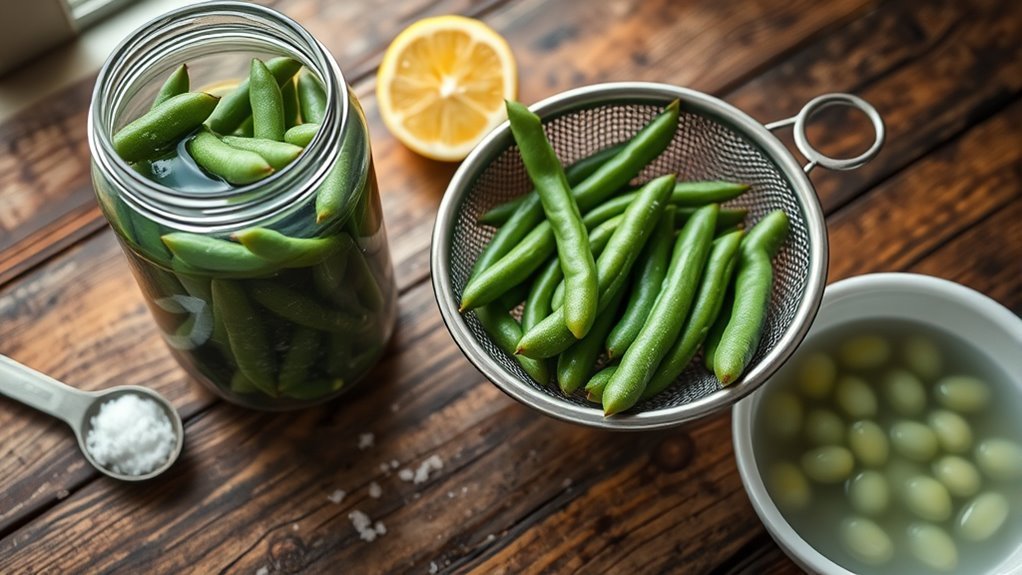
Because canned green beans often contain high sodium levels, up to 461 mg per serving if you don’t rinse them, you’ll want to take simple steps to lower their sodium content. Rinsing canned green beans under cold water can reduce sodium by about 40-50%, making a noticeable difference in your daily intake. Since the American Heart Association recommends no more than 1,500 mg of sodium per day, rinsing is vital if you’re watching your salt consumption.
You can also choose canned green beans labeled “reduced-sodium” or “no added salt” to further control sodium levels. These options help you enjoy the convenience of canned green beans without compromising your heart health. By combining proper rinsing with smart product choices, you can manage sodium intake effectively while still benefiting from canned green beans’ nutrition. Taking these steps ensures you keep sodium in check without sacrificing taste or convenience.
Fiber Benefits of Canned Green Beans for Digestive Health
When you include canned green beans in your meals, you’re adding about 4 grams of dietary fiber per cooked cup. This fiber supports healthy digestion and plays a key role in keeping your digestive system running smoothly.
Here’s how fiber from canned green beans benefits you:
- Helps prevent constipation by improving bowel regularity
- Provides soluble fiber that can lower LDL cholesterol levels
- Contributes to your daily fiber intake, promoting overall digestive health
- Maintains fiber benefits even after rinsing to reduce sodium content
Key Vitamins in Canned Green Beans: Vitamin C, K, and Folate
Even though processing reduces some nutrients, canned green beans still pack key vitamins like vitamin C, K, and folate that support your health. While vitamin C levels drop to about 2.5 mg per cup due to processing, canned green beans remain a modest source of this important antioxidant, which helps protect your cells and supports your immune system.
More impressively, they provide around 60 mcg of vitamin K per cup, about half your daily needs, crucial for blood clotting and bone health. Folate content ranges from 23 to 43 mcg per serving, contributing to cell growth and DNA synthesis.
Important Minerals in Canned Green Beans: Potassium, Iron, and Magnesium
Although processing can slightly reduce mineral content, canned green beans still offer valuable amounts of potassium, iron, and magnesium that support your body’s vital functions. These minerals play key roles in keeping you healthy and energized.
When you include canned green beans in your meals, you get:
- About 70 mg of potassium per serving, helping maintain electrolyte balance and proper nerve function.
- Around 0.8 mg of iron per 28-ounce can, which supports the production of red blood cells and oxygen transport.
- Approximately 25 mg of magnesium per serving, essential for muscle relaxation and nerve signaling.
- A simple way to boost your daily mineral intake within a balanced diet without extra effort.
Protein in Canned Green Beans: What You Need to Know
You’ll find that canned green beans contain several important amino acids like alanine, arginine, and aspartic acid. These amino acids contribute to their protein content. Now, while they’re not exactly a high-protein food, they still give you a helpful little boost. This can be especially beneficial if you follow a plant-based diet. So, knowing this can help you make the most of their nutritional benefits.
Amino Acid Profile
When you include canned green beans in your diet, you’re adding a variety of essential amino acids like leucine, lysine, and phenylalanine, each present in modest amounts. These amino acids support your body’s protein synthesis and muscle maintenance, making green beans a valuable addition to your amino acid intake.
While they’re not a primary protein source, they complement your overall nutrition.
Key amino acids in canned green beans include:
- Leucine, lysine, and phenylalanine (about 0.1 grams each)
- Glutamic acid and glycine (around 0.2 grams each)
- Alanine, arginine, and aspartic acid (0.1-0.2 grams per serving)
- A balanced profile supporting body functions
Including canned green beans helps diversify your amino acid intake conveniently.
Protein Content Benefits
How much protein do canned green beans really offer? While they provide only 1-2 grams per serving, the protein they contain includes essential amino acids like leucine, lysine, and phenylalanine. This makes them a helpful supplement, especially if you follow a plant-based diet.
Though not a high-protein source, canned green beans support muscle maintenance and overall health when combined with other protein-rich foods.
| Amino Acid | Role | Benefit |
|---|---|---|
| Leucine | Muscle Repair | Supports muscle recovery |
| Lysine | Protein Synthesis | Aids in tissue growth |
| Phenylalanine | Neurotransmitter | Enhances brain function |
| Alanine | Energy Production | Helps convert glucose to energy |
Including canned green beans can diversify your protein intake effectively.
Antioxidants and Health Benefits of Canned Green Beans
You’ll find antioxidants like flavonoids and carotenoids in canned green beans, which help protect your cells from damage. Plus, these nutrients, along with vitamin C and manganese, give your immune system a nice boost and help reduce inflammation. Eating canned green beans regularly can actually lower your risk of chronic diseases and improve your overall health. So, adding them to your meals is a simple way to feel better and stay healthier.
Antioxidant Content Overview
Although some antioxidants may diminish during processing, canned green beans still pack a variety of beneficial compounds like flavonoids and carotenoids that help neutralize harmful free radicals in your body. These antioxidants contribute to your overall health by supporting cellular functions and reducing oxidative stress.
While vitamin C levels drop compared to fresh beans, canned green beans continue to offer protective benefits.
Here’s what you should know about their antioxidant content:
- Flavonoids and carotenoids remain present in significant amounts.
- Processing slightly reduces antioxidant levels but doesn’t eliminate them.
- They help neutralize free radicals that can damage cells.
- Regular intake boosts your dietary antioxidants, aiding immune health.
Including canned green beans in your diet can help maintain a steady antioxidant supply.
Health Benefits Explained
Canned green beans offer more than just antioxidants; they provide a range of health benefits that support your body’s functions. The antioxidants, like vitamin C and manganese, help combat oxidative stress and reduce inflammation, protecting your cells from damage.
You’ll also get fiber, which aids digestion and may help lower LDL cholesterol, supporting heart health. If you rinse canned green beans, you’ll reduce sodium content, helping maintain healthy blood pressure.
Plus, these green beans supply essential vitamins and minerals that boost your immune system and promote cellular health. Including canned green beans in your diet can contribute to chronic disease prevention by delivering antioxidants and nutrients that work together to keep you healthy and balanced.
How Processing Affects the Nutritional Value of Canned Green Beans
When green beans undergo processing for canning, their nutritional profile changes noticeably. You’ll find that some vitamins and minerals take a hit due to heat and preservation methods. For instance, vitamin C drops sharply from over 12 mg in fresh beans to about 2.5 mg in canned ones. Here’s what else happens:
Heat-sensitive vitamins, like certain B vitamins, degrade during processing. Minerals such as potassium and folate reduce because of exposure to heat. Sodium content can spike, sometimes reaching 282 mg per cup unless you rinse the beans. Despite these changes, fiber largely remains intact in canned green beans.
Practical Tips for Choosing, Preparing, and Using Canned Green Beans
When you’re picking canned green beans, look for bright green cans without dents or leaks—this helps guarantee freshness. Give them a good rinse to cut down on sodium. Plus, rinsing makes it easier to boost their flavor with herbs or a splash of lemon juice. Since they’re already cooked, you can quickly heat them up or toss them right into your favorite recipes. It’s super convenient!
Selecting Quality Canned Beans
Although canned green beans offer great convenience, you should always inspect the cans carefully to guarantee quality and safety. Avoid cans with dents, rust, or bulges, as these signs could indicate compromised contents.
When selecting canned green beans, look for labels stating “no added salt” or “low sodium” to make healthier choices. Store your cans in a cool, dry place to maintain freshness, and use them within 1-2 years.
Before using canned green beans, rinse them thoroughly under cold water to reduce sodium by up to 40%. Here are key tips to keep in mind:
- Check cans for physical damage or swelling
- Opt for low-sodium or no-added-salt versions
- Store properly away from heat and moisture
- Rinse beans well before eating or cooking
These steps help you enjoy quality canned green beans safely and nutritiously.
Preparing For Best Flavor
Even if canned green beans save you time, you can still boost their flavor and texture with a few simple steps. First, rinse the green beans thoroughly under cold water to cut sodium by up to 40%. Then, drain any excess liquid to improve their taste and prevent sogginess.
When you’re ready to serve, heat the green beans until steaming hot, either on the stove or in the microwave, and season them to your liking. For the freshest flavor, always pick cans that are bright green and free from dents, leaks, or rust.
These small actions will help you get the most out of your canned green beans whether you’re adding them to casseroles, salads, or stir-fries.
Creative Recipe Ideas
Since canned green beans are already cooked and convenient, you can easily toss them into a variety of dishes to save time without sacrificing flavor. Before using, rinse the green beans to cut down on sodium by up to 40%.
Then, try these creative ideas to enjoy them: sauté green beans with almonds for a crunchy, tasty side. Add green beans to quesadillas with cheese for a quick, flavorful meal. Steam or microwave with garlic, lemon, or herbs to enhance their natural taste.
You can also combine green beans with shrimp or grilled chicken in pasta or rice bowls for a nutritious, easy dish. These simple tips help you make the most of canned green beans while keeping meals delicious and heart-healthy.
Frequently Asked Questions
Are Canned Green Beans Safe to Eat During Pregnancy?
Yes, canned green beans are safe to eat during pregnancy when you rinse them well to lower sodium levels. You should always check the label to verify the can is BPA-free and free from harmful additives, which boosts pregnancy safety.
Also, staying informed about any recalls or safety alerts is smart. Including them in your diet can provide important nutrients, but moderation and proper preparation are key to keeping both you and your baby healthy.
Can Canned Green Beans Be Part of a Low-Carb Diet?
Yes, you can definitely include canned green beans in a low-carb diet. They’re low in carbohydrates and sugars, making them a smart choice to keep your carb intake down.
Plus, their fiber content helps digestion without adding many net carbs. Just rinse them to cut down on sodium, and you’ll have a convenient, nutritious option that fits perfectly into your low-carb meal plan.
How Long Do Canned Green Beans Last After Opening?
Once you open canned green beans, their shelf life is about 3 to 4 days if you store them properly. You should transfer them to a covered, airtight container and keep them refrigerated to maintain freshness and prevent bacterial growth.
If you notice any off smell, sliminess, or discoloration, it’s best to toss them. For longer storage, consider freezing cooked green beans, which can last up to 10-12 months.
Do Canned Green Beans Contain Any Preservatives?
Just like a classic novel preserved on your bookshelf, canned green beans don’t rely on added preservatives to stay fresh. You don’t have to worry about preservative concerns here because the heat processing during canning acts as a natural safeguard, killing bacteria and sealing in freshness.
Most brands simply use green beans, water, and salt, keeping things simple and free from artificial preservatives. So, you’re enjoying purity with every bite.
Can Children Eat Canned Green Beans Daily?
Yes, children can eat canned green beans daily as part of a balanced diet. When you rinse them well, you reduce sodium, making them a healthy option for child nutrition.
They provide essential nutrients like vitamin C and iron that support growth and immune health. Because they’re low in calories and fat, they fit nicely into daily meals without adding unnecessary extras.
This helps you meet your child’s vegetable intake goals.
Conclusion
Think of canned green beans like a trusty flashlight during a power outage. They might not shine as brightly as fresh ones, but they still light the way to good nutrition.
With around 20 calories per half-cup and a surprising fiber boost, they support your health when fresh options aren’t handy. By rinsing to cut sodium, you keep them shining bright.
So, keep canned green beans in your kitchen. They’re a reliable, nutritious backup you can count on.