10 Essential Nutrition Tips for Seniors
As you age, focus on nutrient-dense foods like colorful fruits, lean proteins, and whole grains to meet your vitamin and mineral needs.
Keep protein intake steady to maintain muscle strength and adjust portions to match your lower calorie needs.
Stay hydrated, limit unhealthy fats and sugars, and use meal delivery or grocery services if mobility is a challenge.
Combine nutrition with regular physical activity, and don’t hesitate to get professional help for ongoing issues.
You’ll find more ways to support your health ahead.
Recognize Why Senior Nutrition Matters More As You Age

Even though aging brings changes to your body, paying attention to nutrition becomes more important than ever. As you get older, your body’s ability to absorb nutrients declines, making it essential to focus on nutrient-dense foods that provide essential vitamins and minerals.
Aging affects nutrient absorption, making nutrient-dense foods vital for essential vitamins and minerals.
You need more calcium, vitamin D, and B12 to support your bones and brain health. Since muscle mass and activity levels tend to decrease with aging, ensuring adequate protein intake helps prevent frailty and maintain strength.
Changes in taste, smell, and chewing ability can make eating challenging, so choosing the right foods is key to meeting your nutritional needs. Prioritizing good nutrition reduces your risk of chronic diseases like osteoporosis, hypertension, and heart disease.
This helps you maintain a higher quality of life. Recognizing why senior nutrition matters empowers you to make smarter dietary choices that support your health as you age.
Choose Nutrient-Dense Foods To Maximize Health Benefits
How can you get the most nutrition without overeating? Choosing nutrient-dense foods is essential for healthy eating, especially for aging adults. These foods deliver essential vitamins and minerals with fewer calories, helping you meet your nutritional needs without extra weight gain.
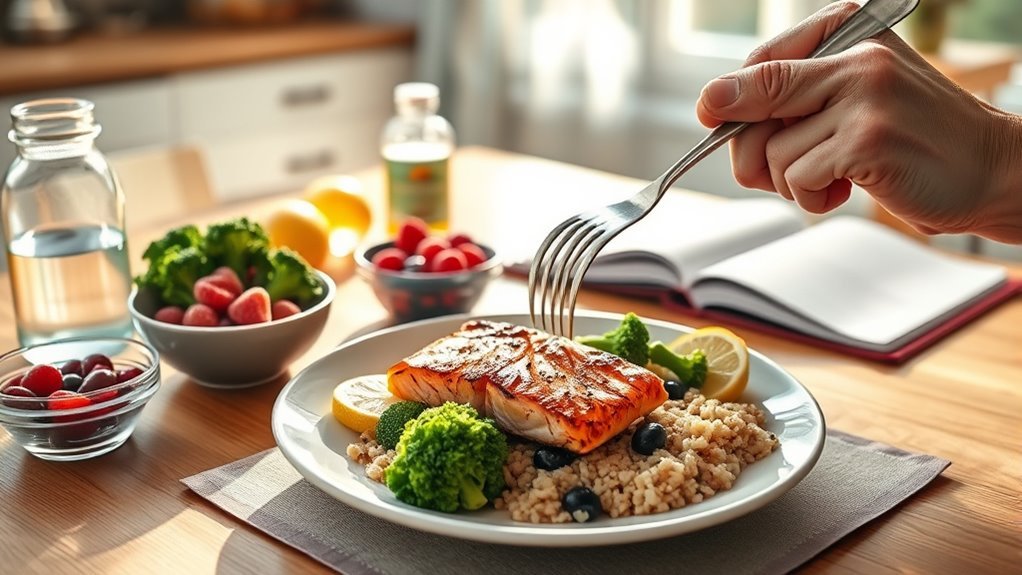
Focus on colorful fruits and vegetables to boost intake of potassium, vitamin D, and B12, nutrients commonly low in seniors. Whole grains like oatmeal, brown rice, and whole-wheat bread provide fiber and nutrients that support digestion and reduce chronic disease risk.
Incorporate lean options such as fish, poultry, beans, and nuts to supply critical amino acids that maintain muscle strength. Don’t forget low-fat dairy or fortified plant-based alternatives, which help meet calcium and vitamin D needs vital for bone health.
Include Enough Protein To Keep Your Muscles Strong

As you age, including enough protein in your diet becomes essential to keep your muscles strong and prevent the loss of muscle mass known as sarcopenia. For older adults, aiming for 5 to 6.5 ounces of protein daily supports muscle maintenance and helps preserve muscle strength. This is vital for mobility and independence.
Unfortunately, many seniors consume less than the recommended amount, often around 4.5 ounces, which isn’t enough to counteract age-related muscle loss that accelerates after 60. To meet your protein needs, include lean meats, seafood, eggs, beans, nuts, and low-fat dairy products in your meals.
Prioritizing these protein-rich foods helps you maintain your muscle strength, reduces the risk of frailty, and enhances your overall quality of life as you age. Remember, getting adequate protein isn’t just about diet; it’s about staying active and strong to enjoy your golden years to the fullest.
Adjust Portion Sizes To Match Your Changing Calorie Needs
As you get older, your calorie needs usually go down by about 20-30%. So, it’s important to adjust your portion sizes to keep your weight in a healthy range. Try focusing on smaller servings that are full of nutrient-dense foods. This way, you get the vitamins and minerals you need without overeating.
Keeping an eye on your portions can help you stay energized throughout the day. Plus, it lowers your risk of developing chronic diseases. It’s all about finding the right balance for your changing body!
Calorie Needs Decrease
Why do your calorie needs change as you age? After age 50 to 70, your daily calorie needs typically drop by 5% to 10% compared to younger years. This decrease happens because your metabolism slows down and physical activity often declines.
To keep your weight healthy, you should adjust your portion sizes to match these lower calorie needs. However, even though you need fewer calories, your body still requires the same or more of certain nutrients like protein, calcium, and vitamin D.
That’s why focusing on nutrient-dense foods is essential. They provide crucial vitamins and minerals without excess calories. Using smaller plates and measuring servings can help you better control your portions and maintain a balanced diet that supports your changing body.
Portion Control Importance
Since your calorie needs drop with age, adjusting portion sizes becomes key to maintaining a healthy weight. Smaller servings of high-calorie foods help you avoid unwanted weight gain while keeping energy steady.
Using smaller plates and bowls can naturally control portion sizes and prevent overeating. Always check serving sizes on food labels to match your changing needs.
Proper portion control supports a balanced diet and helps manage conditions like hypertension and diabetes.
| Food Type | Recommended Portion Size | Tips for Control |
|---|---|---|
| High-Calorie | Smaller servings | Use smaller plates |
| Vegetables | Moderate servings | Fill half your plate |
| Protein | Balanced servings | Measure portions |
| Whole Grains | Controlled servings | Avoid oversized portions |
Nutrient-Dense Food Focus
When your calorie needs drop, focusing on nutrient-dense foods helps you get the vitamins and minerals you need without extra calories. As a senior, adjusting portion sizes is key to match your lower energy needs while still supporting your health. Choose foods rich in calcium, vitamin D, and B12 to meet your increased nutrient requirements.
To maintain healthy eating, prioritize colorful fruits and vegetables for maximum nutrients. Include whole grains, lean proteins, and low-fat dairy for balanced meals. Also, opt for smaller portions that provide essential vitamins without overeating.
Stay Hydrated To Support Digestion And Energy
How often do you remember to drink water throughout your day? As you age, your sense of thirst may diminish, so staying mindful about hydration is essential. Proper hydration supports digestion by helping dissolve nutrients and making their absorption easier in your gastrointestinal tract.
Without enough fluids, digestion slows down, and you might feel sluggish. Dehydration doesn’t just affect digestion; it can sap your energy, leading to fatigue and confusion, which impacts your daily life.
Insufficient fluids slow digestion and drain energy, causing fatigue and confusion that disrupt daily life.
To keep your energy steady, try sipping small amounts of water consistently rather than drinking large quantities all at once. Also, if you take medications or manage health conditions that cause dry mouth or increase fluid loss, staying hydrated becomes even more important.
Make water your go-to drink throughout the day to support digestion and keep your energy levels up. Your body will thank you for it.
Tackle Eating Challenges Like Chewing And Swallowing

Although chewing and swallowing can become more difficult with age, addressing these challenges is essential for maintaining proper nutrition and overall health. You might experience chewing difficulties due to dental issues or missing teeth, which can reduce your food intake and nutrient absorption.
Swallowing problems, known as dysphagia, may require you to modify food textures to avoid choking or aspiration. Choosing soft foods and drinking liquids with meals can ease swallowing and improve nutrition.
To tackle these challenges effectively, consider eating moist, tender, and soft foods that are easier to chew and swallow. Using adaptive utensils can support better chewing efficiency. Also, consulting healthcare professionals or speech-language pathologists can offer personalized strategies.
Ensuring proper dental care and adjusting your diet can help you maintain adequate nutrition despite chewing and swallowing difficulties.
Limit Unhealthy Fats, Sugars, And Sodium For Better Nutrition
You can boost your heart health by cutting back on saturated and trans fats to less than 10% of your daily calories. It really makes a difference.
Also, try to limit added sugars—no more than 6 teaspoons for women and 9 for men each day. This helps lower your risk of diabetes and obesity.
Making these small changes can help you stay healthier and manage chronic conditions more easily. It’s all about taking simple steps for a better you.
Reduce Saturated And Trans
Since your heart health depends greatly on what you eat, reducing saturated and trans fats is essential. Saturated fats should make up less than 10% of your daily calories to lower heart disease risk.
Trans fats, found in many processed and fried foods, raise bad LDL cholesterol and should be avoided completely. To protect your heart health, focus on healthier fats like olive oil, nuts, and avocados instead.
Keep these tips in mind:
- Limit saturated fats by choosing lean meats and low-fat dairy.
- Avoid trans fats by checking food labels for partially hydrogenated oils.
- Replace unhealthy fats with sources of unsaturated fats such as nuts and olive oil.
Making these changes supports a healthier heart and better overall nutrition.
Cut Added Sugars
Cutting added sugars to less than 10% of your daily calories can substantially lower the risk of obesity, diabetes, and heart disease. You can make healthier choices by reading Nutrition Facts labels to spot hidden added sugars. Try replacing sugary snacks with nutrient-dense, healthy foods like fruits and whole grains.
Avoid processed foods high in sugar and unhealthy fats to protect your heart and manage weight effectively.
| High in Added Sugars | Nutrient-Dense Healthy Foods |
|---|---|
| Sugary sodas | Fresh fruits |
| Candy and sweets | Nuts and seeds |
| Sweetened cereals | Whole grains |
| Processed desserts | Vegetables |
Choosing nutrient-dense foods over those with added sugars supports better health and longevity.
Use Meal Delivery And Grocery Services To Help
Although shopping and cooking can become challenging with age, meal delivery and grocery services offer a convenient way to maintain a nutritious diet. These options help seniors meet their nutritional needs by providing easy access to balanced meals and fresh ingredients without the hassle of shopping or cooking from scratch.
Many services, like Uber Eats and DoorDash, now accept SNAP EBT, making it easier for you to order eligible groceries and meals online. Meal kits such as HelloFresh deliver pre-portioned ingredients and recipes, so you can enjoy healthy meals without extra effort.
Consider these benefits:
- Access fresh fruits, vegetables, lean proteins, and whole grains effortlessly.
- Overcome mobility or transportation barriers with home delivery.
- Take advantage of discounts from community programs supporting seniors.
Using meal delivery and grocery services can simplify your routine while ensuring you get the nutrients you need to stay healthy and independent.
Use Physical Activity To Support Healthy Eating And Appetite
When you stay physically active, you can naturally boost your appetite and make it easier to enjoy nutritious meals. Physical activity increases your muscle mass and metabolic rate, which sends stronger hunger signals and encourages you to eat more.
Even moderate exercises like walking or light stretching improve circulation and digestion, helping your body absorb nutrients better. This combination supports healthy eating by ensuring your meals provide the energy and nourishment you need.
Regular physical activity also enhances your overall well-being, making you more motivated to stick with healthy eating habits. By incorporating movement into your daily routine, you not only maintain energy levels but also stimulate your appetite naturally.
Get Professional Help For Persistent Nutrition Issues
If you’re having trouble with your nutrition despite trying your best, it’s a good idea to reach out to healthcare providers and registered dietitians. They can help figure out if there are any medical issues or medication side effects that might be affecting your eating. Plus, they can offer personalized advice that fits your needs. So, don’t hesitate to get professional support—it can really make a difference in keeping your nutrition on track.
Consult Healthcare Providers
Because persistent eating or swallowing problems can signal deeper health issues, you should consult healthcare providers such as doctors, dietitians, or speech therapists for a personalized assessment and treatment plan. A healthcare provider can identify underlying causes of your eating difficulties, including medication side effects or nutritional deficiencies.
They’ll help guarantee your nutritional needs are met, preventing malnutrition and promoting your overall health.
Key reasons to seek professional help include:
- Detecting chronic conditions affecting nutrition, like dental or neurological issues
- Recommending dietary changes, supplements, or therapies to improve eating
- Monitoring your progress with regular check-ups to adjust care as needed
Seek Registered Dietitians
Although you might try adjusting your diet on your own, consulting a registered dietitian offers tailored guidance that addresses your unique nutritional needs. Registered dietitians are trained healthcare professionals who provide personalized nutrition counseling specifically for older adults.
They can help you manage persistent issues like unintentional weight loss, nutrient deficiencies, or swallowing difficulties with evidence-based strategies. Studies show that working with a dietitian improves dietary intake and overall health outcomes in seniors.
Plus, they offer ongoing support to help maintain ideal nutrition as you age. Whether you’re dealing with chronic conditions or just want to enhance your diet, registered dietitians deliver expert advice designed for your individual situation, making them an invaluable resource for your nutritional well-being.
Address Medical Conditions
When you experience persistent nutrition problems like unexplained weight loss, difficulty swallowing, or a loss of appetite, it’s important to seek professional evaluation to uncover any underlying medical issues. Medical conditions such as diabetes, thyroid disorders, or gastrointestinal diseases can affect how your body absorbs nutrients, requiring specialized nutritional interventions.
Medications might also cause side effects like dry mouth or nausea, interfering with your nutrition. A healthcare provider can help identify these problems and recommend appropriate solutions.
Consider these steps to address nutrition-related medical concerns:
- Schedule regular check-ups to monitor your health and nutrition.
- Discuss any medication side effects impacting your appetite or digestion.
- Follow tailored nutritional interventions for chronic illnesses like cancer or dementia.
Getting professional help guarantees your nutrition supports your overall well-being.
Frequently Asked Questions
How Does Senior Nutrition Affect Medication Effectiveness?
Your nutrition directly affects medication absorption and how well your body processes drugs. Nutrient drug interactions, like grapefruit juice with statins or vitamin K with blood thinners, can change medication effectiveness or cause side effects.
You’ll want to manage supplement timing carefully to avoid interfering with your prescriptions. Staying hydrated and eating a balanced diet supports your liver and kidneys, helping medications work safely and efficiently.
What Vitamins Are Most Commonly Deficient in Seniors?
Imagine your body as a garden; without the right nutrients, some plants won’t bloom. In seniors, vitamin absorption slows, leading to common deficiencies in vitamin B12, vitamin D, calcium, folate, and sometimes vitamin A.
These mineral deficiencies can weaken bones and immunity. You’ll often need nutrient supplementation to fill these gaps and keep your garden thriving.
Don’t hesitate to check your levels and adjust your diet or supplements accordingly.
Can Probiotics Improve Digestion in Older Adults?
Yes, probiotic strains can improve your digestion by enhancing gut health and supporting the production of digestive enzymes. As you age, your gut microbiota diversity declines, but probiotics help restore balance, easing issues like bloating and constipation.
Taking probiotics through foods or supplements boosts your digestive enzymes, making nutrient absorption smoother and improving bowel regularity. Including them in your diet can make a noticeable difference in how your digestive system functions.
How Often Should Seniors Have Nutrition Check-Ups?
You deserve to feel vibrant every day, so you should have nutrition check-ups at least once a year. These visits help fine-tune your meal planning, confirm your hydration strategies are solid, and evaluate if dietary supplements are needed.
Regular assessments catch changes early, keeping you strong and energized. Don’t wait. Making nutrition a priority means you’re investing in your health and happiness for years to come.
Are There Specific Diets to Prevent Cognitive Decline?
Yes, you can follow specific diets to support brain health and memory enhancement. The Mediterranean and DASH diets offer excellent cognitive support by emphasizing fruits, vegetables, whole grains, and healthy fats like omega-3s from fish.
These foods help protect your brain cells and maintain stable blood sugar levels, which are essential for preventing cognitive decline. Sticking to these diets can considerably boost your memory and overall brain function.
Conclusion
As you age, good nutrition becomes even more essential. Did you know that nearly 40% of seniors don’t get enough protein, risking muscle loss and weakness?
By choosing nutrient-dense foods, adjusting portions, staying hydrated, and limiting unhealthy fats, you’ll feel stronger and more energized. Don’t hesitate to use meal services or seek professional help if needed.
Remember, small changes can make a big difference in your health and quality of life every day.