
How to Master Avocado Nutrition With a Deep Dive
You can master avocado nutrition by focusing on its unique mix of healthy fats, fiber, and antioxidants that support heart, gut, and weight health.
Control your portions, about half an avocado daily balances nourishment and calories.
Choose ripe avocados by gentle pressure and store them properly to keep freshness.
Add them to meals for flavor and satiety without weight gain worries.
Understanding these basics sets a strong foundation for optimizing avocado benefits and smart usage.
Why Avocado Nutrition Is Unique
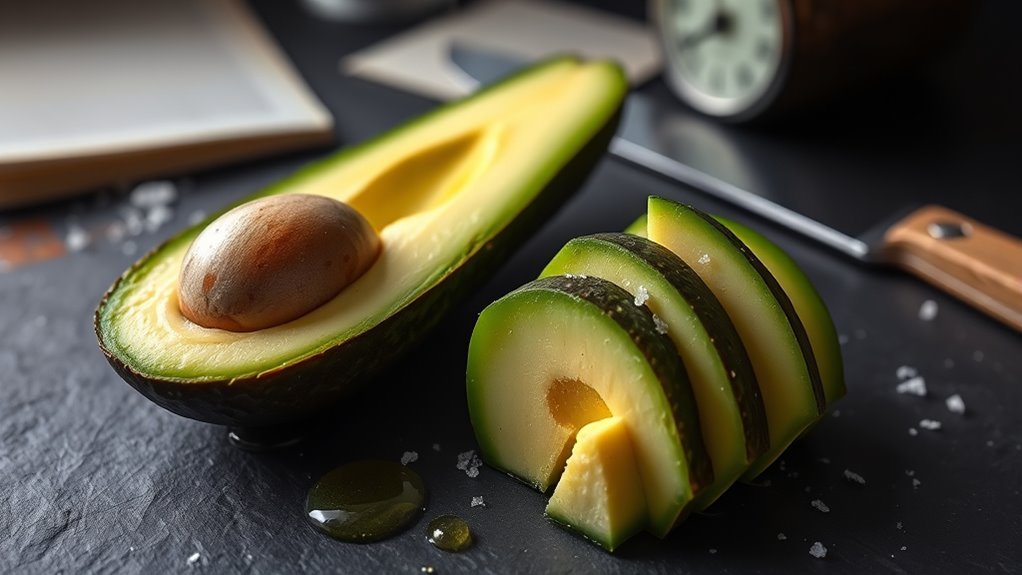
Although many fruits offer health benefits, avocado nutrition stands out because it provides a high amount of monounsaturated fats, especially oleic acid, which supports heart health. When you include avocados in your diet, you tap into a nutrient-rich fruit dense in healthy fats that contribute to feeling full and satisfied.
Beyond fats, avocados offer a unique blend of dietary fiber, vitamins and minerals, and phytonutrients like lutein and zeaxanthin, all essential for overall wellness. Their low carbohydrate content makes them an excellent choice if you’re focused on blood sugar regulation and weight management.
Unlike most fruits, avocados combine these health-supporting components in one package, making them a powerful addition to your meals. By choosing avocados, you’re not just getting healthy fats but an all-encompassing nutrient profile that supports your body’s needs efficiently and deliciously.
How Healthy Fats and Fiber Support Heart and Gut Health
You’ll find that the monounsaturated fats in avocados help lower bad cholesterol and protect your heart. And the fiber? It’s great for digestion because it keeps things moving smoothly and feeds the good bacteria in your gut. Plus, the antioxidants in avocados work behind the scenes to give your heart an extra boost.
Benefits of Monounsaturated Fats
When you include monounsaturated fats like oleic acid from avocados in your diet, you actively support heart health by lowering LDL cholesterol and reducing your risk of heart disease. These healthy fats improve your lipid profile, enhancing fat metabolism and offering cardiovascular benefits that protect your heart over time.
Oleic acid, a key monounsaturated fat, also plays a role in inflammation reduction, which further supports cardiovascular wellness. By replacing saturated fats with these dietary fats, you help maintain balanced cholesterol levels and promote overall heart function.
Including avocados regularly ensures you get these essential monounsaturated fats, which work synergistically with other nutrients to optimize your fat metabolism and bolster your heart’s defenses against disease.
Fiber’s Role in Digestion
Monounsaturated fats like oleic acid support heart health, but the fiber in avocados plays an equally important role in keeping your digestive system running smoothly. The 7 grams of fiber per half avocado include 65% insoluble fiber, which promotes regular bowel movements and eases digestive discomfort.
Soluble fiber helps form a gel-like substance that supports gut health by lowering cholesterol and stabilizing blood sugar. Acting as a prebiotic, avocado fiber nurtures your gut microbiome, enhancing overall digestive health.
| Fiber Type | Role in Digestion |
|---|---|
| Insoluble Fiber | Supports bowel regularity |
| Soluble Fiber | Lowers cholesterol, stabilizes sugar |
| Prebiotic Fiber | Boosts beneficial gut bacteria |
Eating avocados regularly helps prevent gastrointestinal issues and keeps digestion balanced.
Antioxidants Supporting Heart Health
Because avocados are rich in antioxidants like vitamin E, vitamin C, lutein, and zeaxanthin, they help protect your heart by combating oxidative stress that can damage blood vessels. These antioxidants neutralize harmful free radicals, reducing inflammation and preserving vascular health.
Moreover, the phytosterols in avocados block cholesterol absorption in your intestines, helping maintain healthy cholesterol levels. The monounsaturated fats support heart health by lowering LDL cholesterol, while the fiber promotes gut health and encourages beneficial bacteria growth.
This, in turn, enhances lipid metabolism, further supporting cardiovascular wellness. By including avocados regularly in your diet, you actively improve lipid profiles, reduce oxidative damage, and strengthen both heart and gut health through this powerful combination of antioxidants, healthy fats, and fiber.
How Avocados Keep You Full and Help Manage Weight
When you eat avocados, the fiber slows down digestion and helps you feel full for longer. Plus, the healthy fats in them trigger hormones that reduce your hunger. So, together, they keep your blood sugar steady. This helps cut cravings and stops you from overeating. With this combo, managing your weight becomes easier, and you stay satisfied between meals.
Fiber’s Role in Fullness
If you want to stay full longer and manage your weight more effectively, the fiber in avocados plays a key role. With over 20% of your daily fiber needs per serving, this fiber-rich fruit slows digestion, promoting prolonged feelings of fullness and better satiety.
About 65% of avocado fiber is insoluble, which supports gut health and regular digestion, both vital for enhancing fullness. This high fiber content also helps stabilize blood sugar levels, preventing hunger spikes that can lead to overeating.
Healthy Fats and Satiety
How exactly do the healthy fats in avocados help keep you full and support weight management? The monounsaturated fats, especially oleic acid, in avocado nutrition stimulate hormones like leptin and cholecystokinin that signal fullness to your brain.
These healthy fats slow digestion, prolonging satiety after meals. When combined with fiber, they help stabilize blood sugar levels, which reduces hunger and prevents overeating.
Research shows that people who eat avocados experience greater dietary satisfaction and consume fewer calories throughout the day. By incorporating avocados into your meals, you enhance feelings of fullness and support effective weight management.
Blood Sugar and Cravings
Although many foods cause blood sugar spikes that trigger cravings, avocados help keep your levels steady. The fiber in avocados slows digestion, prolonging fullness and reducing hunger. Their monounsaturated fats stimulate hormones like leptin and peptide YY, which signal satiety to your brain.
This combination promotes glycemic stability, preventing blood sugar fluctuations that often lead to cravings. By maintaining steady blood sugar, avocados curb your desire for unhealthy, carbohydrate-rich snacks.
Studies show that when you eat avocados regularly, you experience greater satiety and lower overall calorie intake, supporting effective weight management. Incorporating avocados into your diet helps you manage hunger, control cravings, and stay full longer, making them a powerful tool for balancing blood sugar and achieving your health goals.
How Much Avocado Should You Eat? Portion Sizes and Calories
Since controlling calorie intake is key to maintaining a balanced diet, you should pay attention to your avocado portions. A typical serving size is about one-third of a medium avocado, which contains roughly 80 calories.
Most dietary guidelines recommend eating between half to one whole avocado per day to enjoy its health benefits without overdoing calories. Remember, a medium avocado has about 322 calories, so dividing it into smaller avocado servings helps with calorie control.
If you’re focused on weight management, adjusting portion sizes to match your individual calorie needs is essential. Consuming half an avocado, around 100 grams, provides about 160 calories, striking a balance between nourishment and calorie intake.
Picking and Storing the Best Avocados

Wondering how to pick the perfect avocado? Look for ripe avocados that yield slightly to gentle pressure near the stem. This means they’re ready to eat.
If your avocados aren’t ripe yet, store unripe ones at room temperature. To speed up the ripening process, place them in a paper bag with a banana or apple.
Once ripe, prolong their shelf life by refrigerating them. This slows down further ripening and keeps them fresh for several days.
Avoid overripe avocados, which turn dark, mushy, and develop brown spots. These signs mean they’ve passed their ideal quality.
When you cut into an avocado, prevent browning by applying lemon juice and storing it in an airtight container. These storage tips help maintain flavor and texture.
Following these simple steps will make your avocado experience both fresh and delicious every time.
Easy Ways to Add Avocados to Your Meals
When you want to boost your meals with nutrients and flavor, adding avocado is a simple and delicious choice. Try spreading mashed avocado on your avocado toast or sandwiches instead of processed spreads for a nutrient-rich meal enhancement packed with healthy fats and fiber.
Avocado slices also brighten salads, grain bowls, and tacos, adding texture and creamy flavor. For a quick snack idea, whip up a simple avocado dip or guacamole to enjoy with crackers or veggies.
You can even blend avocado into smoothies with fruits and greens for a creamy, nutrient-dense treat. Don’t forget to toss diced avocado into soups or sushi to elevate both taste and nutrition.
These versatile recipes help you effortlessly incorporate avocados into your daily eating habits, ensuring you get the benefits of healthy fats and fiber while keeping your meals exciting and satisfying.
Busting Common Myths About Avocados and Weight Gain
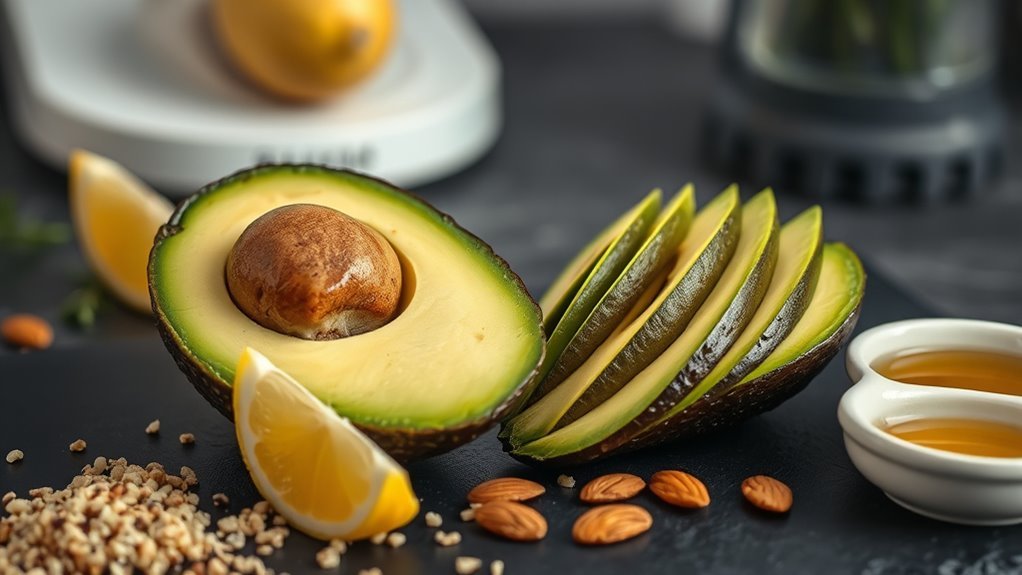
Adding avocados to your meals can feel like a nourishing upgrade, but you might hesitate because of their calorie content. Many avocado myths suggest they cause weight gain, yet research proves otherwise.
Adding avocados may seem calorie-heavy, but research shows they don’t contribute to weight gain.
Moderate avocado consumption over six months doesn’t increase belly fat or overall weight when part of a balanced diet. The secret? Avocados are rich in healthy fats, especially monounsaturated fats like oleic acid, which support weight management and boost satiety.
These fats help you feel fuller longer, reducing your overall calorie intake. Swapping less nutritious fats for avocado can aid sustainable weight control without contributing to weight gain.
Nutrition misconceptions often overlook how avocados promote fullness and balance. So, if you’re worried about avocado myths affecting your weight, rest assured they’re unfounded.
Including avocados as part of a balanced diet can enhance your nutrition while supporting your weight goals. No need to fear belly fat or unwanted pounds.
When to Talk to a Pro About Adding Avocados
Although avocados offer numerous health benefits, you should consult a healthcare professional before making significant changes to your intake, especially if you have allergies, medical conditions, or take certain medications. If you have nut or latex allergies, it’s essential to be cautious, as avocados can cause allergic reactions or trigger allergy symptoms.
Those with health conditions like kidney disease or on low-potassium diets should seek dietary consultation to manage potassium levels safely. If you’re on blood-thinning medications, talk to your doctor since avocados contain vitamin K, which may interfere with medication effectiveness.
Additionally, if you experience digestive discomfort or any adverse symptoms after adding avocados to your diet, get medical advice promptly. Pregnant or breastfeeding individuals should also discuss avocado consumption with a healthcare provider to ensure nutrient intake aligns with personalized nutrition needs.
Consulting a pro guarantees you enjoy avocados’ benefits safely and effectively without compromising your health.
Frequently Asked Questions
Can Avocado Consumption Affect Medication Absorption?
Yes, avocado consumption can affect medication absorption due to nutrient interaction and gastrointestinal effects. The fats in avocados influence absorption rates and bioavailability changes, especially with fat-soluble vitamins and certain drugs.
You should consider medication timing carefully, as nutrient competition may alter drug efficacy. To avoid negative impacts on medication absorption, keep dietary considerations in mind and consult your healthcare provider about how avocado might affect your specific medications.
Are Avocado Seeds Edible or Beneficial?
Think of avocado seeds as hidden treasure chests packed with antioxidants, fiber, and potential detoxification effects. You can reveal avocado seed benefits through careful seed preparation methods like drying and grinding.
However, seed consumption safety is essential since their tough texture can cause choking or discomfort. Explore seed-based recipes cautiously, store seeds properly, and try seed germination tips if you want to grow your own.
Always balance curiosity with caution to enjoy these nutritional gems safely.
How Do Avocado Varieties Differ Nutritionally?
You’ll find avocado varieties differ slightly in avocado fat, calorie comparison, and oil composition due to genetic variation and harvest timing. While nutrient density, vitamin content, fiber levels, and antioxidant properties remain mostly consistent, Hass avocados pack more fat and calories.
Other varieties like Fuerte or Bacon offer milder flavors and slightly fewer calories. So, variety differences mainly affect taste and size, not the core nutritional benefits you get from avocados.
Can Avocados Cause Allergic Reactions?
Imagine your immune system as a vigilant gatekeeper. Sometimes, it mistakes avocados for a masked intruder. Yes, avocados can cause allergic reactions, especially if you have latex sensitivity or pollen allergy due to cross-reactivity.
You might face oral irritation, skin reactions, or even respiratory issues. Though less common than nut allergy, avocado allergy carries anaphylaxis risk.
If you notice food intolerance signs, avoid them and consult a doctor to stay safe.
What Is the Environmental Impact of Avocado Farming?
Avocado farming impacts the environment through high water usage and a significant carbon footprint, especially from transportation emissions. You’ll notice biodiversity effects and land degradation due to intensive cultivation and pesticide impact.
To reduce harm, focus on sustainable farming and organic practices that promote water conservation. Choosing eco-friendly packaging also helps. By supporting these methods, you contribute to lowering avocado farming’s environmental footprint while enjoying this nutritious fruit responsibly.
Conclusion
Mastering avocado nutrition is easier than you think! Did you know that just one avocado has nearly 20 vitamins and minerals? That’s a powerful punch for your heart, gut, and overall health.
By understanding portion sizes and busting myths, you can confidently add this creamy fruit to your meals without worry. Remember, listening to your body and consulting a pro when needed will help you enjoy all the benefits avocados offer, deliciously and healthfully!