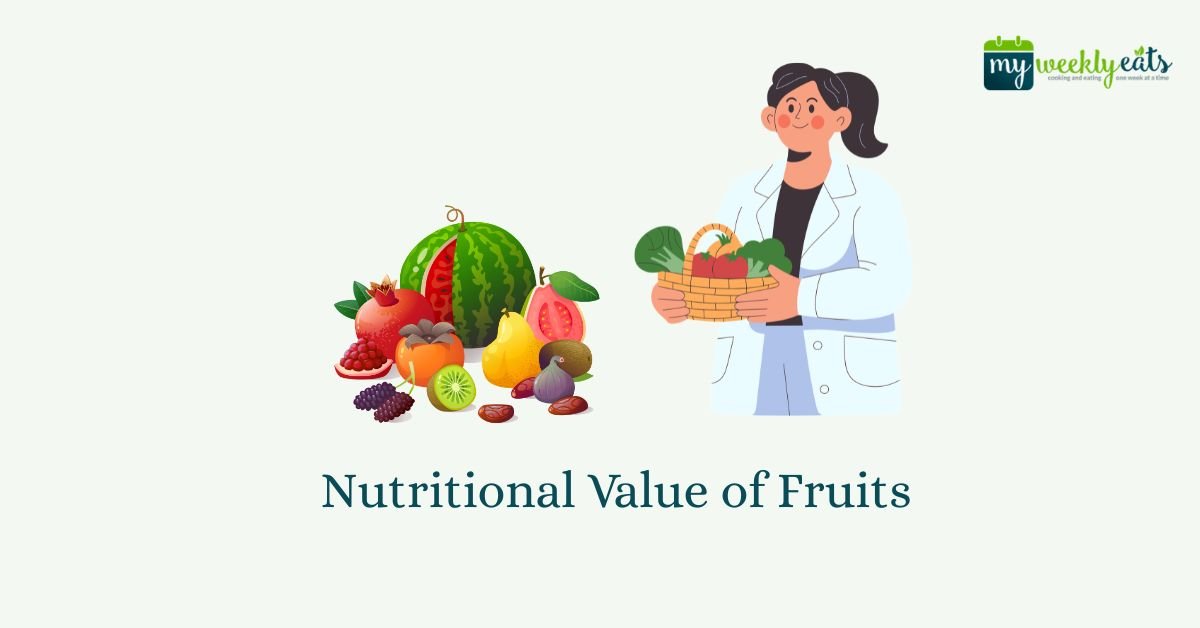
Nutritional Value of Fruits: What Each One Actually Delivers & How to Use Them Weekly
You reach for fruit every week. But most people cannot explain why an avocado and a watermelon both earn the label ‘nutritious’ when one is 22 grams of fat and the other is 92% water. Both are genuinely good for you — and yet their nutritional stories have almost nothing in common.
That gap matters. The blanket claim ‘fruit is healthy’ obscures more than it reveals. Avocado is a fat-dominant food that delivers oleic acid, lutein, and folate. Watermelon is a hydration food that delivers lycopene and L-citrulline at just 46 calories per cup. Calling both ‘nutritious’ in the same breath skips the part that makes each fruit useful.
This guide compares fruits by their actual nutrient profiles, standout compounds, and real value in a weekly meal plan — using data from USDA FoodData Central throughout. Every fruit in this cluster has one thing it does better than almost anything else in the produce aisle. Knowing what that is makes fruit rotation practical, not abstract.
The single most nutrient-dense fruit in this cluster, measured by vitamins and minerals per calorie, is kiwi — delivering 273% of the Daily Value for vitamin C per two-fruit serving.
01 TOP FRUITS BY NUTRITIONAL VALUE
What fruits have the highest nutritional value?
Quick Answer
Avocado, kiwi, and blueberries top the charts for micronutrient density — delivering healthy fats, vitamin C, potassium, and antioxidant compounds per calorie. Citrus fruits lead for vitamin C. Bananas lead for potassium among commonly eaten fruits. Watermelon, despite its reputation, delivers lycopene and citrulline in meaningful amounts.
‘Nutritional value’ means different things depending on which metric you use. Nutrient density measures nutrients per calorie — avocado scores high here because it packs folate, vitamin K, potassium, and oleic acid into each calorie. Absolute nutrient content measures total nutrients per serving — watermelon scores well here because a large serving delivers meaningful lycopene and vitamin C even with very few calories. The right metric depends on what your weekly diet actually needs.
Every fruit in this guide has a standout nutrient or compound — one thing it does better than almost anything else in the produce aisle. Kiwi for vitamin C. Blueberries for anthocyanins. Avocado for oleic acid and lutein. Dates for copper and polyphenols. Understanding each fruit’s standout contribution is the most practical way to build plant-based nutrition into a weekly meal plan.
Fruit rotation matters more than fruit volume. Eating the same fruit daily at high volume misses the point of phytonutrients, which are specific to each fruit. Rotating across three or four different fruits per week covers a broader spectrum of vitamins, minerals, and antioxidants than eating only one type daily.
Fruit Nutritional Value Comparison — All 12 Fruits (USDA FoodData Central)
| Fruit | Cal/Cup | Standout Nutrient | Fiber | Vit C | Unique Compound | Best Weekly Use |
| Banana | 200 (1 med) | Potassium 422 mg | 3.1 g | 17% DV | Resistant starch (unripe) | Smoothies, oatmeal, pre-workout |
| Watermelon | 46 | Lycopene + Citrulline | 0.6 g | 21% DV | L-citrulline (amino acid) | Hydration, fruit bowls, salads |
| Apple | 65 | Quercetin (skin) | 3.3 g | 14% DV | Pectin (prebiotic fiber) | Daily snack, oatmeal, raw |
| Avocado | 240 (1 med) | Healthy fats 15 g | 10 g | 17% DV | Oleic acid + Lutein | Toast, salads, grain bowls |
| Grapes | 104 | Resveratrol (red/purple) | 1.4 g | 27% DV | Resveratrol + Anthocyanins | Snacking, fruit boards |
| Strawberries | 49 | Vitamin C 149% DV | 3 g | 149% DV | Ellagic acid + Fisetin | Smoothies, yogurt, oats |
| Blueberries | 84 | Anthocyanins (highest) | 3.6 g | 24% DV | Pterostilbene + Anthocyanins | Smoothies, cereal, baking |
| Dates (3) | 207 | Potassium + Iron | 4.5 g | 0% | Polyphenols + Tannins | Sweetener, snacks, baking |
| Mango | 99 | Vitamin A 25% DV | 2.6 g | 76% DV | Mangiferin (antioxidant) | Smoothies, salsas, bowls |
| Cantaloupe | 54 | Vitamin A 120% DV | 1.4 g | 108% DV | Beta-carotene | Breakfast, fruit salads |
| Kiwi | 108 (2 med) | Vitamin C 273% DV | 5.3 g | 273% DV | Actinidin + Lutein | Breakfast, smoothies, toppings |
| Pineapple | 82 | Bromelain (enzyme) | 2.3 g | 131% DV | Bromelain | Smoothies, grilled, tropical bowls |
Data source: USDA FoodData Central. Values approximate per standard serving. % DV based on FDA 2,000-calorie reference diet.
02 BANANA NUTRITION
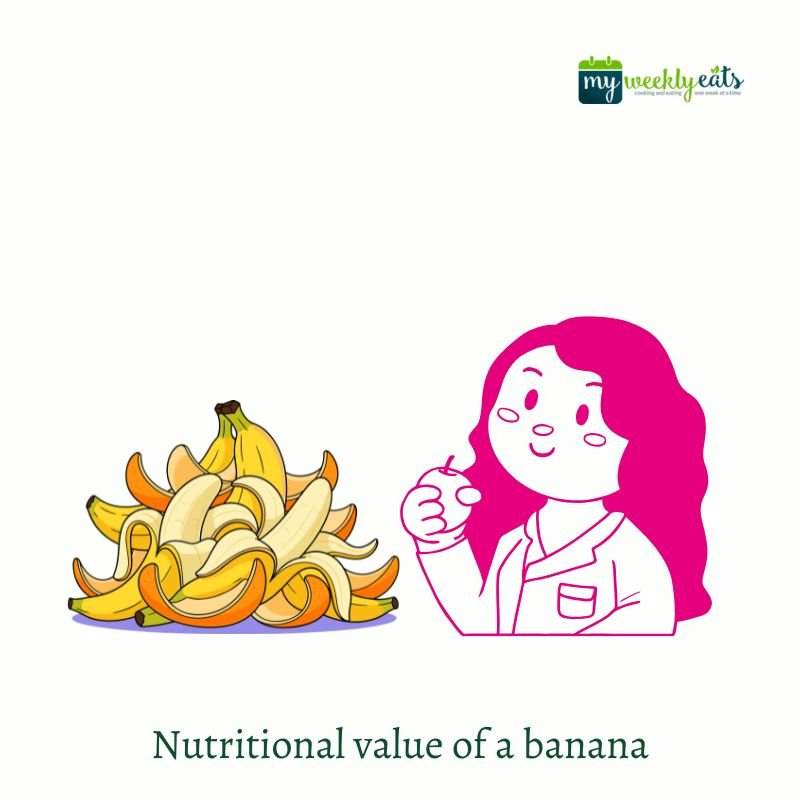
What is the nutritional value of a banana?
Quick Answer
One medium banana provides 422 mg potassium (12% DV), 3.1 g dietary fiber, 17% DV vitamin C, vitamin B6 at 25% DV, manganese, and 27 g carbohydrates. Ripe bananas are higher in simple sugars; unripe bananas contain resistant starch that feeds gut bacteria and produces a slower blood glucose response.
Full Nutrient Profile — Per Medium Banana (118 g)
Per USDA FoodData Central: Calories 105 kcal · Carbohydrates 27 g · Dietary fiber 3.1 g · Sugars 14 g · Protein 1.3 g · Fat 0.4 g · Potassium 422 mg (12% DV) · Vitamin B6 0.43 mg (25% DV) · Vitamin C 10 mg (17% DV) · Magnesium 32 mg (8% DV) · Folate 23 mcg (6% DV) · Manganese 0.32 mg (14% DV). Bananas also contain dietary dopamine and catechins — antioxidant compounds that act on oxidative stress, not brain-crossing agents.
The Ripeness-Nutrition Relationship
Unripe green bananas contain significant resistant starch — a carbohydrate that resists digestion in the small intestine, feeds Bifidobacterium and Lactobacillus species in the colon, and supports production of short-chain fatty acids that maintain gut lining integrity. As bananas ripen, resistant starch converts to simple sugars, primarily fructose and sucrose, raising the glycemic response. Neither state is nutritionally superior — the choice depends on gut health goals versus fast energy needs.
Vitamin B6 — Banana’s Standout Nutrient
Banana is one of the most accessible dietary sources of vitamin B6 (pyridoxine), delivering 25% of the Daily Value per medium fruit. Vitamin B6 participates in over 100 enzymatic reactions, including serotonin and dopamine synthesis, homocysteine metabolism, and immune cell production. Athletes, active adults, and anyone managing mood and energy consistently benefit from reliable daily B6 intake.
Best Weekly Uses
Pre-workout snack (ripe, fast energy) · Overnight oats topping · Smoothie base (frozen for thickness) · Baking substitute for butter in recipes requiring moisture and natural sweetness.
03 WATERMELON NUTRITION
Does watermelon have any nutritional value — and what does it actually contain?
Quick Answer
Yes — watermelon delivers lycopene, vitamin C, vitamin A, potassium, and the amino acid L-citrulline, all with only 46 calories per cup. Its 92% water content makes it one of the most effective hydration foods in the produce section. Watermelon seeds provide protein, iron, and magnesium when roasted.
The Case Against Watermelon — And Why It’s Wrong
Watermelon’s high water content and natural sweetness lead many people to dismiss it as empty calories. This mischaracterises the nutritional profile entirely. The low calorie count — 46 kcal per cup — is a direct function of high water content, not an absence of nutrients. There are meaningful vitamins and plant compounds in every serving.
Full Nutrient Profile — Per Cup (152 g)
Per USDA FoodData Central: Calories 46 · Vitamin C 21% DV · Vitamin A 17% DV (from beta-carotene) · Potassium 5% DV · Lycopene 6–7 mg — among the highest lycopene concentrations of any fresh fruit · Magnesium and B vitamins in trace amounts.
Lycopene — Watermelon’s Most Significant Contribution
Lycopene is a carotenoid antioxidant extensively studied for its association with cardiovascular health and reduced oxidative stress. Evidence indicates that regular lycopene intake is linked to lower LDL oxidation and reduced markers of inflammation. Watermelon delivers more lycopene per cup than raw tomatoes — and the red flesh contains significantly more lycopene than yellow varieties.
L-Citrulline — Watermelon’s Unique Compound
L-citrulline is a non-essential amino acid present in watermelon that converts to L-arginine in the body, supporting nitric oxide production and blood vessel dilation. Studies suggest L-citrulline from watermelon may improve post-exercise muscle recovery and cardiovascular function. Evidence is promising but early-stage for most clinical applications beyond hydration support.
What About Watermelon Seeds?
Roasted watermelon seeds provide approximately 8 g protein per ounce, along with meaningful iron, magnesium, and zinc. They are not nutritionally empty — and they contribute to the fruit’s full nutritional accounting if consumed rather than discarded.
04 APPLE NUTRITION
What is the nutritional value of apples — and does eating the skin matter?
Quick Answer
One medium apple provides 4.4 g dietary fiber, 14% DV vitamin C, potassium, and significant quercetin, catechins, and pectin — particularly concentrated in the skin. Peeling an apple removes approximately a third of its fiber and the majority of its quercetin content. The skin is where most of the apple’s unique phytonutrient value is concentrated.
Full Nutrient Profile — Per Medium Apple (182 g, With Skin)
Per USDA FoodData Central: Calories 95 · Carbohydrates 25 g · Fiber 4.4 g (soluble and insoluble) · Sugars 19 g · Vitamin C 14% DV · Potassium 6% DV · Vitamin K 5% DV · Minor B vitamins. Total dietary antioxidants per gram of apple are substantial — the skin accounts for the majority of this value.
The Skin Question — Answered Definitively
Apple skin contains approximately 2–6 times more quercetin than the flesh, along with catechins, chlorogenic acid, and cyanidin in red varieties. It also provides roughly 30% of the apple’s total fiber. Peeling an apple removes the majority of its phytonutrients in a single step. We recommend washing thoroughly and eating apples unpeeled whenever possible for full nutritional value.
Pectin — Apple’s Most Underappreciated Nutrient
Apple pectin is a soluble fiber that forms a gel in the digestive tract, slowing glucose absorption, reducing cholesterol reabsorption in the small intestine, and feeding Lactobacillus and Bifidobacterium species. Evidence indicates regular pectin intake is associated with improved lipid profiles and reduced post-meal blood sugar spikes. Applesauce and cooked apple retain most pectin but lose volatile phytonutrients due to heat exposure.
‘An Apple a Day’ — Is There Science Behind It?
Studies suggest regular apple consumption is associated with lower risk of cardiovascular disease, type 2 diabetes, and asthma in observational research. The mechanistic pathway involves quercetin, pectin, and polyphenol compounds working collectively — not any single nutrient in isolation. The association in population data is genuine but hedged: correlation from observational studies, not causation established in controlled trials.
05 AVOCADO NUTRITION
What is the nutritional value of an avocado?
Quick Answer
One medium avocado provides 15 g of predominantly monounsaturated fat (oleic acid), 10 g dietary fiber, potassium exceeding a banana at 708 mg, folate at 41% DV, vitamin K at 28% DV, lutein and zeaxanthin for eye health, and vitamin E. Avocado is one of the few fruits classified as fat-dominant rather than carbohydrate-dominant.
Full Nutrient Profile — Per Medium Hass Avocado (~150 g)
Per USDA FoodData Central: Calories 240 · Fat 22 g (15 g monounsaturated oleic acid · 3 g polyunsaturated · 3 g saturated) · Carbohydrates 13 g total · Dietary fiber 10 g · Net carbs 1 g · Protein 3 g · Potassium 708 mg (20% DV — 70% more than a banana) · Folate 41% DV · Vitamin K 28% DV · Vitamin C 17% DV · Vitamin E 14% DV · B5 and B6 in meaningful amounts.
Oleic Acid — The Fat That Makes Avocado Exceptional
Oleic acid is the same monounsaturated fatty acid that defines olive oil’s health reputation. Evidence indicates it reduces LDL cholesterol levels while supporting HDL maintenance, and modulates inflammatory gene expression. Avocado’s oleic acid also significantly enhances the absorption of fat-soluble vitamins and carotenoids from other foods eaten at the same meal — a practical reason to pair avocado with salads and cooked vegetables.
Lutein and Zeaxanthin — Eye Health Compounds
Avocado delivers lutein and zeaxanthin — carotenoids that concentrate in the macular region of the retina. Evidence suggests regular dietary intake of lutein and zeaxanthin is associated with reduced risk of age-related macular degeneration and cataract formation. The fat content of avocado enhances its own carotenoid bioavailability within the same meal — a rare self-amplifying nutritional benefit.
Avocado’s Fiber Profile
10 g dietary fiber per medium avocado covers 36% of the Daily Value — extraordinary for a fruit. Both soluble and insoluble fiber types are present, supporting gut microbiome diversity, blood sugar regulation, and cholesterol management simultaneously. For anyone increasing plant-based nutrition, avocado is one of the most efficient single-food fiber sources available.
06 GRAPE NUTRITION
What is the nutritional value of grapes — and do green and red differ?
Quick Answer
One cup of grapes provides 27% DV vitamin C, 1.4 g fiber, potassium, vitamin K, and polyphenols including resveratrol in red and purple varieties and quercetin across all types. Green and red grapes share most nutrients; the key difference is anthocyanin and resveratrol content, concentrated in red, black, and purple-skinned varieties.
Full Nutrient Profile — Per Cup (151 g)
Per USDA FoodData Central: Calories 104 · Carbohydrates 27 g · Fiber 1.4 g · Sugars 23 g · Vitamin C 27% DV · Vitamin K 28% DV · Potassium 8% DV · Copper 10% DV · Minor B vitamins.
Red vs. Green Grapes — The Actual Nutritional Difference
Red, purple, and black-skinned grapes contain anthocyanins and higher concentrations of resveratrol in the skin and seeds. Green grapes lack these pigment-associated compounds but retain comparable vitamin C and mineral content. The difference is meaningful for antioxidant diversity in a weekly rotation but not for baseline micronutrient coverage. We recommend including red or purple varieties when available for their broader phytonutrient range.
Resveratrol — What the Evidence Actually Says
Resveratrol is a polyphenol produced by grapevines under environmental stress, concentrated in grape skins. Population studies associate higher resveratrol intake with cardiovascular benefits. Human clinical trials show more modest effects than early animal studies suggested. Evidence indicates regular consumption of polyphenol-rich foods including red grapes is broadly associated with lower cardiovascular disease markers.
What About Raisins?
Raisins are concentrated grapes. One ounce provides 1.3 g fiber, iron at 4% DV, potassium at 5% DV, and a meaningful antioxidant load. The drying process concentrates sugars significantly — a 1 oz serving contains 22 g sugar. Raisins are nutritionally dense but calorically concentrated relative to fresh grapes, useful as a portable energy and iron-support snack in appropriate portions.
07 BERRY NUTRITION
What is the nutritional value of strawberries and blueberries?
Quick Answer
Strawberries deliver 149% DV vitamin C per cup — more than an orange — plus ellagic acid, fisetin, and 3 g fiber. Blueberries provide the highest anthocyanin concentration of any commonly eaten fruit, 3.6 g fiber, and pterostilbene. Both berries are low in calories, nutrient-dense, and among the most phytonutrient-rich foods available in any produce section.
Strawberries — Nutrient Profile Per Cup (152 g)
Per USDA FoodData Central: Calories 49 · Fiber 3 g · Vitamin C 149% DV · Folate 9% DV · Manganese 29% DV · Potassium 7% DV. Strawberries also contain ellagic acid and anthocyanins from the red pigment, plus fisetin — a flavonoid with emerging research interest in cellular senescence pathways.
Why Strawberries Outperform Oranges for Vitamin C
A persistent myth holds that oranges are the vitamin C leader in the produce section. Per cup, strawberries deliver more than twice the vitamin C of a medium orange. One cup of strawberries (49 calories) provides 149% DV vitamin C. A medium orange (62 calories) provides approximately 77% DV. Serving size matters: compare equal volumes, not equal pieces of fruit.
Blueberries — Nutrient Profile Per Cup (148 g)
Per USDA FoodData Central: Calories 84 · Fiber 3.6 g · Vitamin C 24% DV · Vitamin K 36% DV · Manganese 25% DV. Anthocyanin content: highest among commonly consumed fruits by antioxidant measurement. Blueberries also contain pterostilbene — a methylated resveratrol derivative with higher bioavailability than resveratrol itself.
Anthocyanins — Blueberries’ Defining Contribution
Anthocyanins are the flavonoid pigments that give blueberries their characteristic deep blue-purple colour. Evidence indicates regular anthocyanin intake is associated with improved memory function, reduced inflammation markers, and cardiovascular benefits in observational studies. Laboratory research suggests anthocyanins cross the blood-brain barrier and interact with brain signalling pathways — human clinical evidence is promising but early-stage. We recommend blueberries as a consistent weekly rotation item for their breadth of phytonutrients in a low-calorie serving.
08 DATES, TROPICAL FRUITS & FROZEN FRUIT
What is the nutritional value of dates, tropical fruits — and does frozen fruit match fresh?
Quick Answer
Dates provide concentrated iron, potassium, fiber, and polyphenols — among the most nutrient-dense dried fruits available. Tropical fruits like mango, cantaloupe, and pineapple lead the group for vitamins A and C. Frozen fruit retains nearly the same nutritional value as fresh — often more for water-soluble vitamins than out-of-season fresh produce held in transit.
Dates — 3 Medjool Dates (57 g)
Per USDA FoodData Central: Calories 167 · Carbohydrates 45 g · Fiber 3.8 g · Potassium 14% DV · Iron 4% DV · Magnesium 10% DV · Copper 40% DV · Vitamin B6 12% DV. Dates are exceptionally high in polyphenols and tannins — among the highest polyphenol concentrations of any dried fruit. Calorie-dense and nutrient-dense simultaneously, making them useful as natural sweetener replacements in baking and iron-supporting snacks, but warrants portion awareness for anyone managing calorie or sugar intake.
Cantaloupe — 1 Cup Cubed
Per USDA FoodData Central: Calories 54 · Vitamin A 120% DV (from beta-carotene) · Vitamin C 108% DV · Potassium 12% DV · B vitamins and folate. Cantaloupe is exceptional for its dual coverage — few fruits deliver more than 100% DV of two separate vitamins simultaneously per cup. Its beta-carotene content makes it one of the richest vitamin A sources in the entire fruit category.
Mango — 1 Cup Sliced
Per USDA FoodData Central: Calories 99 · Vitamin C 76% DV · Vitamin A 25% DV · Folate 18% DV · Vitamin B6 11% DV. Unique compound: mangiferin — a polyphenol with antioxidant and anti-inflammatory properties in early-stage research. Mango is a practical weekly rotation choice for anyone prioritising vitamins C and A alongside tropical flavour.
Pineapple — 1 Cup Chunks
Per USDA FoodData Central: Calories 82 · Vitamin C 131% DV · Manganese 76% DV. Unique compound: bromelain — a proteolytic enzyme that aids protein digestion and carries anti-inflammatory properties relevant to post-exercise recovery. Evidence from studies suggests bromelain reduces inflammatory markers, though effects from whole pineapple consumption are more modest than from concentrated supplement forms.
Frozen Fruit vs. Fresh — The Definitive Answer for Meal Planners
Frozen fruit is harvested at peak ripeness and flash-frozen within hours, preserving nutrient content at its peak level. Fresh fruit transported over long distances continues ripening and losing water-soluble vitamins — particularly vitamin C and B vitamins — during transit and storage. Evidence indicates that for most vitamins and minerals, frozen fruit is nutritionally comparable to in-season fresh fruit and often superior to out-of-season fresh produce stored for extended periods.
The one genuine advantage of fresh fruit is texture and volatile aromatic compounds that affect flavour and some culinary uses. For nutritional value in meal planning, frozen berries, mango, and pineapple are fully equivalent to fresh. We recommend keeping a rotation of frozen blueberries, strawberries, and mango in stock as the most practical, cost-consistent approach to year-round plant-based nutrition.
09 KEY TAKEAWAYS & WEEKLY MEAL PLAN
Three Things to Take Into Your Weekly Meal Plan
No single fruit provides complete nutrition — each fruit’s standout compound represents a unique phytonutrient contribution available nowhere else in the produce section. Resveratrol in red grapes, lycopene in watermelon, oleic acid in avocado, anthocyanins in blueberries — these are not interchangeable. Fruit rotation across the week covers a broader nutritional spectrum than eating one fruit daily at high volume.
Frozen fruit is nutritionally equivalent to fresh for planning purposes. This makes consistent fruit inclusion in a weekly meal plan practical regardless of season and budget. Flash-frozen berries, mango, and pineapple deliver the same micronutrient density as in-season fresh counterparts — at a fraction of the cost and waste.
The most efficient approach to fruit nutrition is matching each fruit to its standout contribution and building a rotation around it — not chasing volume of one type. Pair avocado with salads to boost fat-soluble vitamin absorption. Rotate berries for anthocyanin diversity. Add citrus or kiwi for vitamin C. Keep dates as a natural iron-supporting sweetener in baking.