
Do Potato Skins Have Nutritional Value and How to Unlock It
Yes, potato skins offer impressive nutrition, packed with fiber, antioxidants, potassium, and vitamins like C and B6. You can access these benefits by keeping the skins on when cooking and choosing methods like baking or microwaving to preserve nutrients.
Just be sure to wash thoroughly and remove any green spots or sprouts for safety. Eating the skin not only boosts your health but also reduces food waste.
Want to discover practical tips and deeper benefits?
Nutritional Differences Between Potato Skin and Flesh
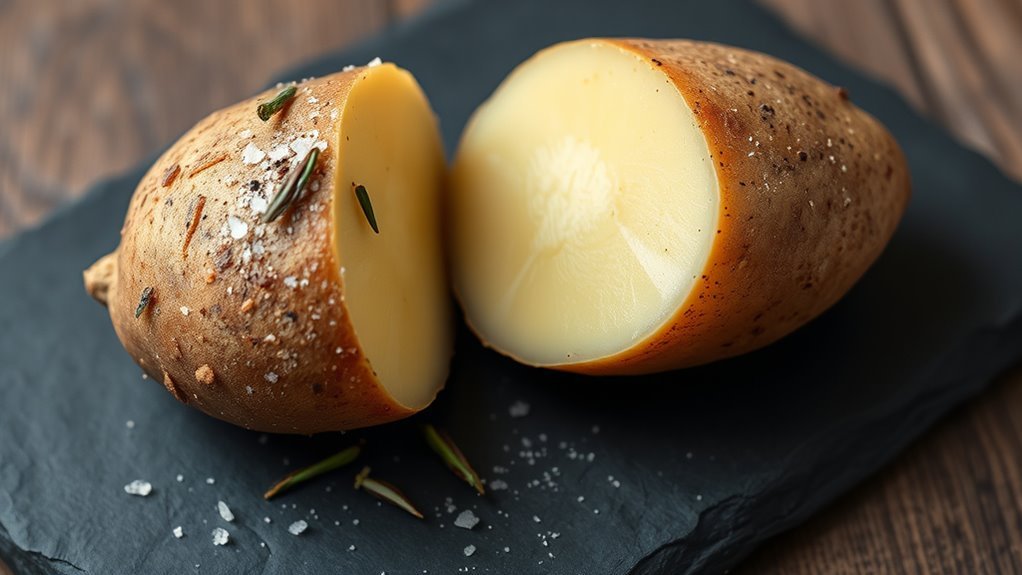
Although most of a potato’s potassium and vitamin C come from the flesh, the skin plays an essential role by providing fiber and antioxidants. When you eat a potato with its skin, you get about 620 mg of potassium and 27 mg of vitamin C, but peeling it off cuts around 150 mg of potassium and 4.5 mg of vitamin C.
The flesh mainly delivers these vitamins, including vitamin B6, while the skin contributes less to vitamins but adds valuable dietary fiber and antioxidants. For example, keeping the skin on doubles the fiber intake, from 1 gram in just the flesh to 2 grams total.
Even though the skin accounts for only a small portion of the potato’s nutrients, it considerably boosts your intake of fiber and antioxidants, which are important for digestion and fighting free radicals. So, by not peeling, you maximize the nutritional benefits, especially when it comes to potassium, dietary fiber, and antioxidants.
Fiber and Antioxidants in Potato Skins
You get about 2 grams of fiber from the skin of a medium potato, which helps keep your digestion on track. Plus, potato skins are loaded with antioxidants like flavonoids that protect your cells from damage. So, when you combine the fiber and antioxidants, they work together to support your immune system and might even lower the risk of chronic diseases.
Dietary Fiber Benefits
When you eat potato skins, you get about 2 grams of dietary fiber, which is roughly 7% of your daily recommended intake. This fiber includes both soluble and insoluble types, which work together to support digestion and promote regular bowel movements.
Along with dietary fiber, potato skins contain antioxidants like flavonoids and phenolic acids that help protect your cells from oxidative damage. These antioxidants complement the fiber’s benefits by reducing inflammation, which may contribute to better overall digestive health.
To make the most of these nutrients, wash and cook potato skins whole, preserving their fiber and antioxidant content. Including potato skins in your meals is a simple way to enhance digestion while enjoying the nutritional perks of both dietary fiber and antioxidants.
Antioxidant Protection Effects
Because potato skins are rich in antioxidants like flavonoids, phenolic acids, carotenoids, and anthocyanins, especially in red and purple varieties, eating them can markedly boost your body’s defense against oxidative stress. These antioxidants help protect your cells from free radical damage, reducing inflammation and lowering the risk of chronic diseases.
Colorful potato skins, such as those from red or purple potatoes, contain nearly double the phenolic acids compared to white-skinned ones, making them a powerful source of antioxidants. Plus, a medium potato with skin delivers about 2 grams of dietary fiber, which supports antioxidant activity.
Key Vitamins and Minerals in Potato Skins
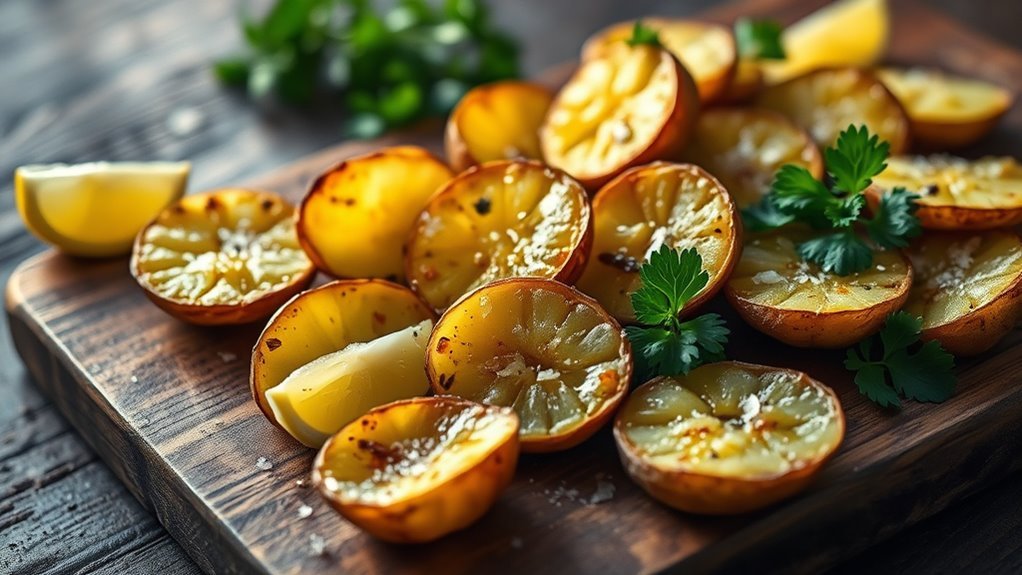
You’ll find that potato skins pack a punch with essential vitamins like vitamin C and B6. These vitamins are great for supporting your immune system and boosting your metabolism.
But that’s not all—potato skins are also loaded with important minerals such as potassium, magnesium, and iron. These minerals play a big role in keeping your body functioning smoothly.
Essential Vitamins Overview
How important are the vitamins and minerals found in potato skins? Quite significant, actually. The skins pack essential vitamins like vitamin C, delivering about 49 mg per medium potato. That’s nearly half your daily need.
You’ll also get vitamin B6, which supports nerve function, providing around 0.2 mg per serving, covering 10% of your daily value. These vitamins, combined with other nutrients, contribute greatly to the overall nutritional value of potatoes when eaten with their skins.
Including the skin means you’re not missing out on these vital components that aid your immune system and overall health. So, when you eat potatoes with the skin, you access a powerful source of essential vitamins that help keep your body functioning at its best.
Mineral Content Benefits
Beyond vitamins, potato skins offer a wealth of minerals that play key roles in your body’s daily functions. A medium potato’s skin provides about 905 mg of potassium, covering 19% of your daily needs. This helps regulate blood pressure and supports muscle contraction.
You’ll also find essential trace minerals like copper, iron, and magnesium, which contribute to nerve signaling and overall health. Plus, potato skins contain nearly half the daily value of vitamin C, boosting your immune system.
To make the most of these minerals and vitamins, cook potatoes with their skins on. Baking or boiling preserves their nutritional benefits. So, don’t peel away these nutrient-packed skins; they’re a simple way to give your body the minerals and vitamins it craves.
Safe Storage and Preparation of Potatoes With Skins
Although potatoes with skins offer great nutritional benefits, proper storage and preparation are essential to keep them safe to eat. For effective potato storage, keep them in a cool, dark, dry, and well-ventilated spot. Avoid refrigeration because cold temperatures can alter sugars and cause discoloration when cooked.
When you prepare potatoes, wash them thoroughly with a vegetable brush under cold running water to remove dirt and pesticides. Always cut away green spots and sprouts since they contain harmful glycoalkaloids.
| Storage Condition | Reason for Importance |
|---|---|
| Cool, dark, dry place | Prevents greening and sprouting |
| Well-ventilated | Reduces moisture, avoiding mold growth |
| No refrigeration | Stops sugar conversion and discoloration |
| Remove green/sprouts | Eliminates toxic glycoalkaloids |
Following these safety and preparation tips guarantees you enjoy potatoes with skins without health risks.
Best Ways to Cook Potato Skins Without Losing Nutrients
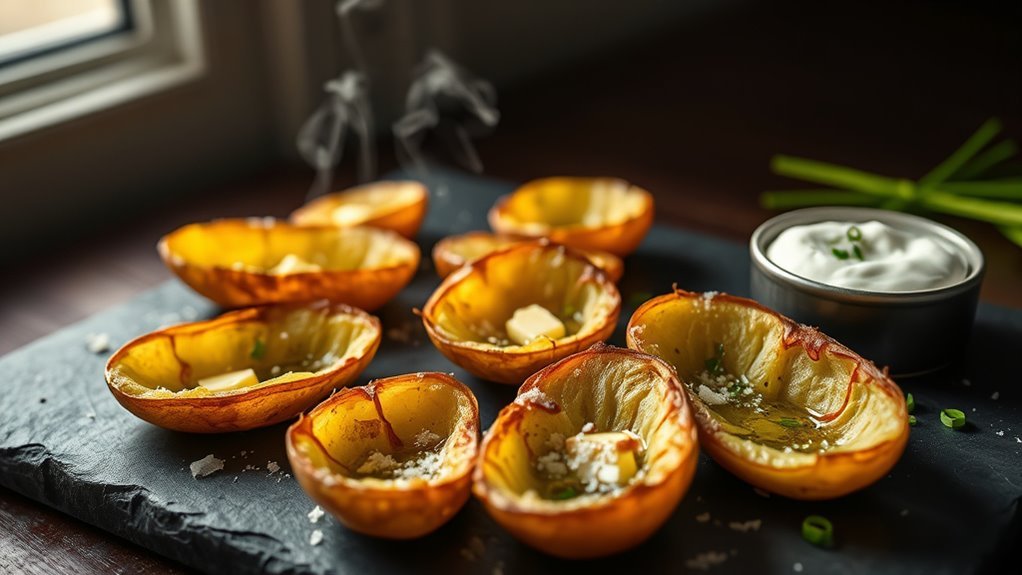
When you cook potato skins, choosing methods like baking or roasting at 400-450°F helps preserve nutrients and antioxidants better than boiling. Boiling tends to leach out vitamin C and potassium.
To enhance nutrient preservation, poke holes in the potatoes before baking to release steam and protect the skin’s integrity. Microwaving potato skins for about five minutes is another excellent method since it minimizes water contact and shortens cooking time, preserving most nutrients.
Avoid deep frying or using excessive oil because high temperatures can degrade nutrient content and form harmful compounds like acrylamide. Keeping the skins on during cooking guarantees you retain fiber, potassium, magnesium, and antioxidants.
Health Benefits of Eating Potato Skins
If you want to boost your nutrient intake, eating potato skins is a smart choice. Potato skins are packed with dietary fiber, giving you about 2 grams per medium potato. This fiber supports digestion and helps you feel fuller longer, which can aid in weight management.
The skins also provide a rich source of potassium, about 620 mg per serving. Potassium plays a key role in regulating blood pressure and supporting muscle function. Plus, they contain antioxidants like flavonoids and phenolic acids that protect your cells from oxidative stress. This may potentially lower the risk of chronic diseases.
Beyond fiber and potassium, potato skins offer minerals such as magnesium and iron. These contribute to bone health and overall essentiality. By eating the skins, you also retain some vitamin C and B6, which are important for immune function and energy metabolism.
Incorporating potato skins into your diet is an easy way to enhance your health through natural, nutrient-dense food.
Extracting Antioxidants and Bioactives From Potato Peels
Eating potato skins not only boosts your nutrient intake but also reveals a wealth of antioxidants and bioactive compounds hidden in the peels. Potato peels are especially rich in phenolic compounds like chlorogenic acid and flavonoids, which provide strong antioxidant effects.
Potato skins are nutrient-rich, packed with antioxidants like chlorogenic acid and flavonoids for powerful health benefits.
To access these benefits, innovative extraction methods like ultrasound-assisted extraction (UAE) and microwave-assisted extraction (MAE) greatly improve the yield of these valuable bioactive compounds. Keep in mind, antioxidant levels vary by potato variety, with red and purple skins typically offering more.
While extracting, it’s essential to monitor glycoalkaloid content to guarantee safety without compromising the recovery of antioxidants.
Here’s how you can get the most from potato peels:
- Use UAE or MAE techniques to maximize antioxidant extraction
- Choose red or purple potato peels for higher bioactive compound content
- Monitor glycoalkaloid levels to maintain safe consumption standards
Using Potato Skins in Functional Foods and Supplements
Because potato skins pack dietary fiber, antioxidants, and key minerals like potassium and magnesium, they make excellent ingredients for functional foods and supplements. When you use potato skins, you tap into their rich bioactive compounds, including phenolics and anthocyanins, which boost antioxidant intake.
Advanced extraction methods, like ultrasound-assisted extraction, help maximize these benefits for nutraceuticals. Just remember to remove any green or sprouted parts to keep products safe. Functional foods with potato skins can support digestion, reduce inflammation, and enhance antioxidant protection.
| Benefit | Description |
|---|---|
| Dietary Fiber | Supports digestion and gut health |
| Antioxidants | Protects cells from oxidative stress |
| Potassium | Helps maintain electrolyte balance |
| Magnesium | Supports muscle and nerve function |
| Bioactive Compounds | Phenolics and anthocyanins for added health benefits |
Incorporating potato skins into functional foods enhances their nutritional profile and health impact.
Eating Potato Skins for Sustainability and Waste Reduction
Beyond boosting nutrition, using potato skins plays a key role in sustainability and cutting down food waste. When you eat potato skins, you contribute to reducing food waste by making use of a part often discarded.
Potato skins offer fiber, antioxidants, and essential minerals, making them a valuable resource rather than trash. Embracing them supports sustainable eating habits and lowers environmental impact by decreasing waste sent to landfills, which reduces methane emissions.
To enjoy the benefits of potato skins while supporting sustainability and reducing food waste, keep these tips in mind:
- Always remove green areas and sprouts to guarantee safety before eating potato skins.
- Incorporate skins into recipes like baked potatoes, soups, or even snacks to maximize nutrient intake.
- Support circular economy practices by choosing products that use potato skins as functional ingredients.
Frequently Asked Questions
Can Potato Skins Cause Allergic Reactions in Some People?
Yes, potato skins can cause allergic reactions if you have skin sensitivity or a potato allergy. You might experience allergy symptoms like itching, swelling, or hives after eating them.
If you’re sensitive, managing allergens by peeling potatoes or cooking them thoroughly can help reduce reactions. However, it’s essential to consult your healthcare provider for proper allergen management to avoid severe symptoms and guarantee your safety when consuming potato skins.
How Do Glycoalkaloid Levels Affect the Safety of Potato Skins?
Glycoalkaloid levels directly impact the safety of potato skins because high amounts cause glycoalkaloid toxicity, leading to nausea or headaches. To guarantee safe consumption levels, you need to process potato skins properly by removing green areas and sprouts.
Cooking methods like boiling also reduce these toxins. If you skip potato skin processing or eat damaged ones, you risk ingesting harmful glycoalkaloid amounts, so always handle them carefully.
Are There Specific Potato Varieties Better for Eating Skins?
Don’t worry about potato skins being tough or tasteless. You can choose varieties that make skin-eating enjoyable and nutritious.
Focus on potato variety selection like Highland Burgundy Red or Rosalinde, which pack over 70% of their skin nutrient content in the peel. Also, farming practices matter. Organic and waxy types like Red Bliss have thinner, more palatable skins.
Picking the right potato helps you access maximum nutrition without sacrificing flavor or safety.
Can Potato Skins Be Used in Skincare or Cosmetic Products?
Yes, you can use potato skin extracts in cosmetic formulations to boost skin hydration and soothe irritation. Their antioxidants and vitamins help improve skin texture and promote collagen synthesis. Just make sure the extracts are carefully processed to remove any harmful glycoalkaloids.
Incorporating potato skin extracts into your skincare routine can offer gentle exfoliation and anti-inflammatory benefits, making them a natural, effective ingredient for hydrating and calming your skin.
What Is the Environmental Impact of Processing Potato Skins Industrially?
You face significant environmental impacts from industrial waste and processing emissions when handling potato skins. The large volume of peel waste produces greenhouse gases, contributing to pollution.
However, by adopting sustainable farming practices and innovative valorization techniques, you can reduce these emissions and repurpose the peels efficiently. This approach not only minimizes your carbon footprint but also supports circular economy goals, turning waste into valuable resources while protecting the environment.
Conclusion
You might think potato skins are just tough and tasteless, but they actually pack a nutritional punch with fiber, antioxidants, vitamins, and minerals you don’t get from the flesh alone. By cooking them right, you reveal these benefits without losing flavor or nutrients.
Plus, eating the skins helps reduce food waste and supports sustainability. Give potato skins a chance—you’ll boost your health and enjoy delicious, eco-friendly meals at the same time!