10 Easy Gluten and Dairy-Free Meal Plans
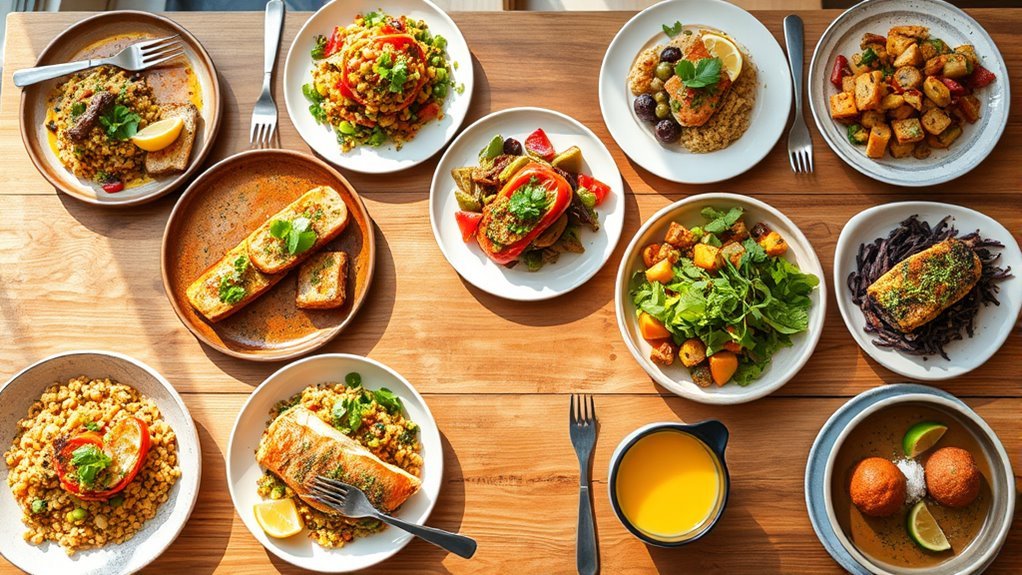
You can enjoy simple, tasty meals by focusing on whole foods like fruits, vegetables, lean proteins, and gluten-free grains.
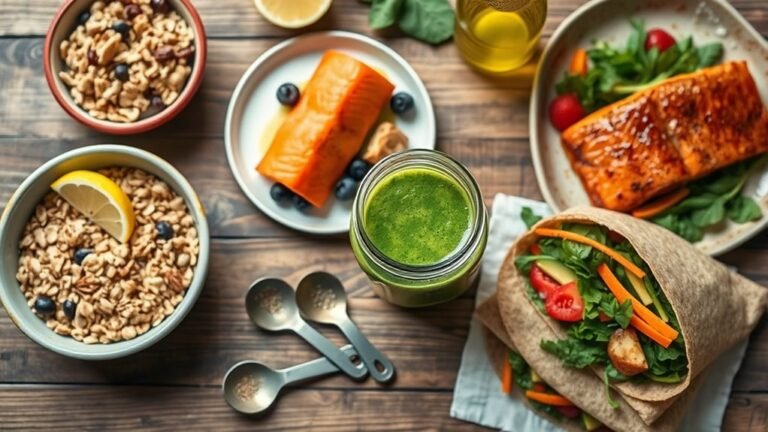
Try dairy-free smoothies or chia pudding for breakfast, quinoa bowls or wraps with hummus for lunch, and baked salmon with roasted veggies for dinner.
Incorporate plant-based proteins and quick-prep options to save time and stay nourished.
Using fresh herbs and spices will boost flavor and reduce inflammation.
Keep exploring to discover easy ways to make these meals fit your busy lifestyle.
Why Choose a Gluten and Dairy-Free Diet?
Although it might seem challenging at first, choosing a gluten and dairy-free diet can considerably improve how you feel by reducing symptoms like bloating, gas, and skin issues. If you have food sensitivities, eliminating gluten and dairy helps decrease inflammation and supports better digestion.
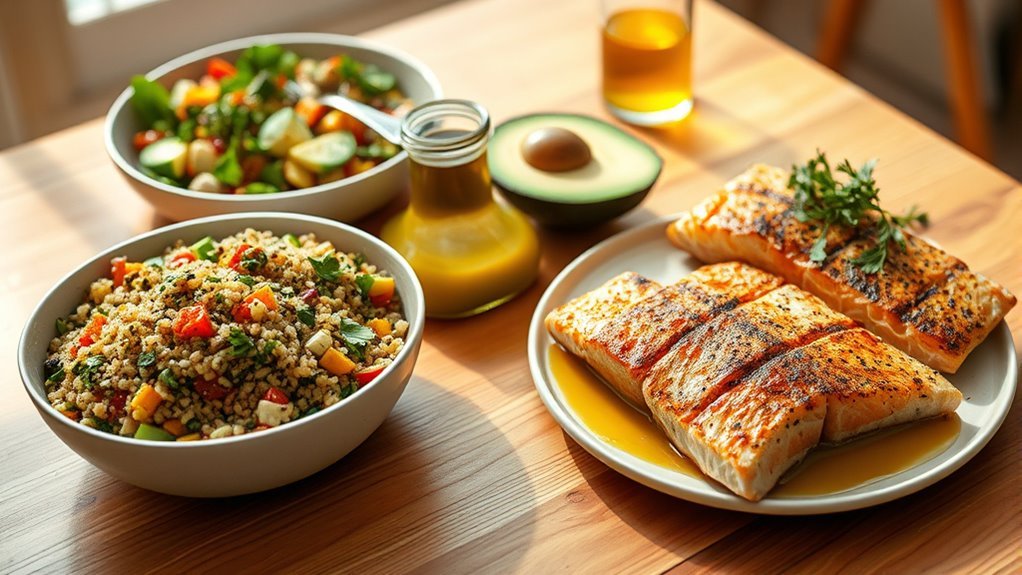
This diet encourages you to focus on whole foods such as fruits, vegetables, lean proteins, and naturally gluten-free grains, which are easier on your system and promote nutrient absorption. By avoiding processed ingredients, you give your body a chance to heal and function most effectively.
Plus, many gluten-free products are now more accessible than ever, making it simpler to stick to your plan. Adopting a gluten-free, dairy-free diet not only supports weight management but also boosts your energy levels by reducing digestive discomfort.
Easy Gluten-Free Breakfast Ideas to Start Your Day
When you start your day with easy gluten-free breakfast options, you set a positive tone for your diet and energy levels. Incorporate quick and nutritious choices like smoothies made with dairy-free almond or coconut milk, packed with fresh fruit and protein.
Overnight recipes, such as chia pudding or oatmeal, are perfect for busy mornings when you want a hassle-free start without sacrificing nutrition. Nut butters on gluten-free toast offer a satisfying combination of healthy fats and protein, fueling you for hours.
You can also prepare make-ahead egg muffins or rice cakes topped with fruit and nut butters as part of your meal plan. These simple swaps and preparations guarantee you stay on track with your gluten-free, dairy-free lifestyle without feeling deprived or rushed.
Quick, Nutritious Gluten-Free Lunches
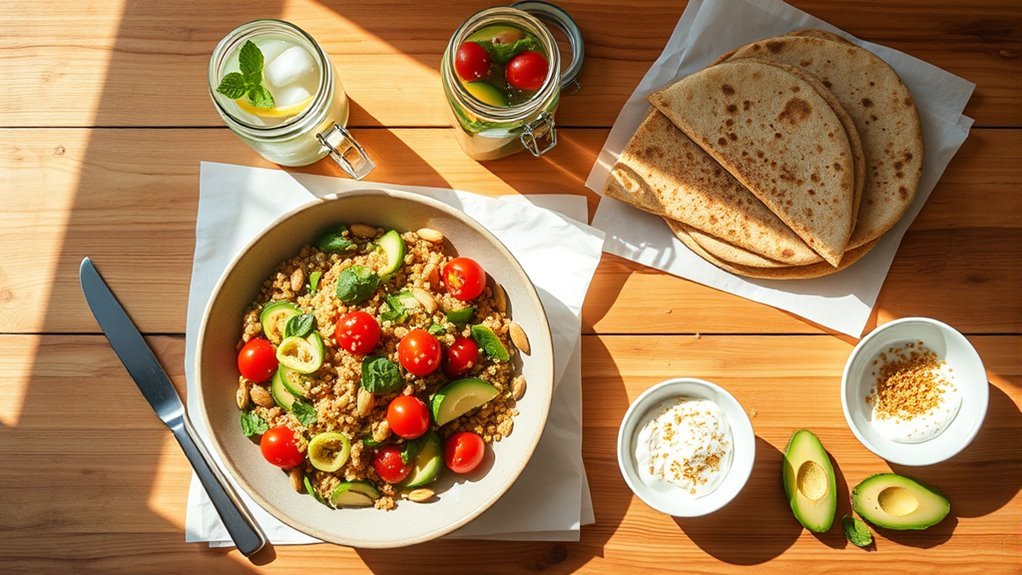
You can save time by prepping meals ahead of time with balanced combos like grilled chicken, quinoa, and fresh veggies. It’s an easy way to have something ready when you’re hungry.
Plus, mixing flavorful ingredients such as hummus, avocado, and roasted vegetables keeps lunches tasty and satisfying. These flavors really make a difference.
And with a few smart staples on hand, you’ll be able to whip up quick, nutritious gluten-free meals any day of the week. It’s all about having those go-to ingredients ready to go.
Easy Meal Prep
Saving time and reducing stress during busy weekdays becomes easy when you prepare gluten- and dairy-free lunches in advance. Meal prep with batch-cooked ingredients like roasted chicken, cooked grains, and chopped vegetables lets you assemble healthy, quick meals without hassle.
Focus on organizing your meals using containers with divided sections to keep protein, vegetables, and gluten-free grains separate and fresh. Incorporate portable options such as lettuce wraps or rice paper rolls to make lunches easy to pack and enjoy on the go.
Repeating meal components like bean salads or grilled tofu helps you stay organized while ensuring variety. By planning your meal prep around these gluten-free, dairy-free staples, you’ll maintain nutritious lunches that fuel your day and simplify your routine.
Balanced Nutrient Combos
How can you quickly put together a gluten-free lunch that’s both nutritious and satisfying? Start by combining lean proteins like grilled chicken or tofu with fiber-rich vegetables such as spinach or bell peppers for balanced nutrition.
Add gluten-free grains like quinoa or brown rice alongside legumes like chickpeas or black beans to create complete plant-based protein options. Don’t forget healthy fats from avocado or olive oil. They boost nutrient absorption and keep you full longer.
Incorporate a variety of colorful vegetables to guarantee you get essential antioxidants supporting overall health. With simple meal prep like roasting veggies or cooking grains ahead, you can assemble these nutrient-packed lunches in under 10 minutes.
This approach helps you enjoy quick, balanced, and flavorful gluten-free meals every day.
Flavorful Ingredient Ideas
Building on balanced nutrient combos, choosing the right flavorful ingredients can make gluten-free lunches both exciting and satisfying. Incorporate gluten-free ingredients and dairy-free flavorings that boost taste and nutrition. Here are four quick meal ideas to inspire your next lunch:
- Pre-cooked quinoa bowls topped with roasted vegetables, plant-based proteins, fresh herbs, and flavorful dressings made from healthy oils.
- Gluten-free wraps or lettuce leaves filled with hummus, grilled chicken, and crunchy vegetables for a portable, nutrient-dense meal.
- Lentil or chickpea salads seasoned with lemon, olive oil, and spices, enhanced with nutrient-dense toppings like avocado and roasted sweet potatoes.
- Vibrant smoothies blending fruits, plant-based milk, chia seeds, or nut butters for a quick, nourishing option.
These combinations guarantee your gluten-free lunches stay flavorful, nutritious, and easy to prepare.
Simple Gluten-Free Dinners for Busy Nights
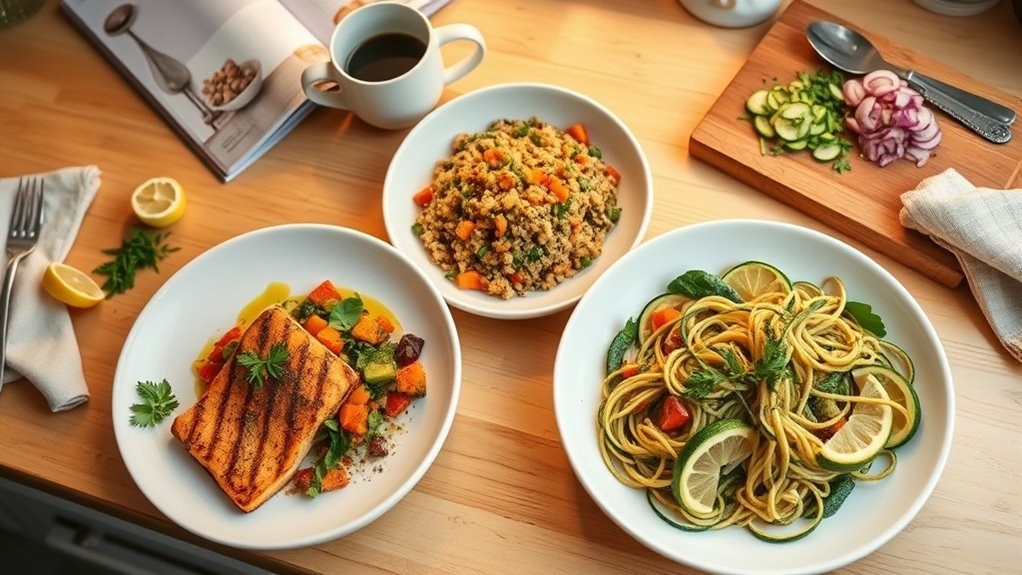
When nights get hectic, you can still enjoy a nutritious gluten-free dinner without spending hours in the kitchen. Focus on simple meals like baked salmon paired with roasted vegetables, a one-pan dish ready in under 30 minutes.
Using pre-cooked proteins such as rotisserie chicken or canned tuna helps you assemble a dairy-free meal quickly. Incorporate frozen vegetables and quick-cooking grains like quinoa or rice to round out your plate with minimal prep.
Pre-cooked proteins, frozen veggies, and quick grains make dairy-free meals fast and easy to prepare.
Meal prep is your best friend here: marinate meats and chop veggies ahead of time so your busy night dinner takes less than 15 minutes to put together. One-pan dishes reduce cleanup and keep your meal balanced and flavorful.
These strategies make quick meals achievable while sticking to gluten-free and dairy-free needs. This way, you can enjoy delicious, wholesome dinners even on the busiest nights.
Best Plant-Based Proteins for Gluten and Dairy-Free Meals
You’ll find plenty of plant-based proteins that fit perfectly into gluten and dairy-free meals. Think legumes like lentils and chickpeas—they’re super versatile and tasty. Then, there are complete proteins like quinoa, which help keep your meals balanced and satisfying.
Plus, don’t forget about tofu, tempeh, and nutrient-rich seeds. They add even more great options to your protein lineup, making it easy to mix things up and enjoy a variety of flavors.
Top Plant-Based Proteins
Five plant-based proteins stand out as excellent choices for gluten and dairy-free meals. You’ll find these options both nutritious and versatile, perfect for varied recipes.
1. Quinoa
A complete plant-based protein, quinoa contains all nine essential amino acids and is naturally gluten-free.
2. Lentils and Black Beans
These legumes provide essential amino acids and fiber, boosting your meals’ protein content.
3. Tofu and Tempeh
Made from soybeans, these protein sources fit gluten and dairy-free diets when prepared without gluten additives.
4. Chia, Hemp, and Pumpkin Seeds
These seeds add protein, healthy fats, and nutrients to your dishes, rounding out your plant-based protein options.
Each option supports your gluten and dairy-free lifestyle while keeping meals delicious and balanced.
Protein Sources Variety
Exploring a variety of plant-based proteins helps keep your gluten and dairy-free meals interesting and nutritious. You can rely on legumes like lentils, chickpeas, and black beans for a protein boost that’s naturally free from gluten and dairy.
Quinoa stands out as a complete plant-based protein, providing all nine essential amino acids. Tofu and tempeh, both made from soybeans, offer versatile options to add protein variety to your meals.
Don’t forget seed nuts like chia seeds, flaxseeds, almonds, and walnuts. They deliver protein along with healthy fats and fiber. Incorporating this diverse protein variety not only supports balanced nutrition but also keeps your dishes flavorful and satisfying.
Delicious Gluten-Free Snacks to Keep You Energized
When hunger strikes between meals, reaching for gluten-free snacks like rice cakes, fresh fruit, or nuts can quickly boost your energy without compromising your dietary needs. You’ll find many easy, dairy-free options that keep you fueled and satisfied throughout the day.
Making homemade energy balls with oats, dates, and nut or seed butter lets you control every ingredient, ensuring your snacks are both clean and nutrient-dense. Portable snacks make busy days easier, too.
Try these delicious gluten-free snacks to stay energized:
- Fresh fruit sticks paired with a creamy coconut lime dip
- Homemade energy balls packed with nuts and seed butter
- Crisped baked chickpeas seasoned for a savory crunch
- Gluten-free snack bars made with simple, clean ingredients
These options give you wholesome, dairy-free energy boosts whenever you need them.
Making Gluten and Dairy-Free Desserts That Satisfy
You can easily swap out dairy with ingredients like coconut milk or cashew cream to keep your desserts creamy and satisfying. And when you’re baking gluten-free, using almond flour or certified gluten-free oats really helps maintain both texture and flavor.
With these simple tips, you’ll be able to enjoy sweet treats without having to sacrifice taste or your dietary needs. It’s all about making those small changes that make a big difference!
Dairy-Free Sweet Alternatives
How can you satisfy your sweet tooth without dairy or gluten? You can use dairy-free sweeteners like coconut sugar, agave nectar, and stevia to add flavor without compromising your dietary needs. Natural sweet ingredients also play a key role in dairy-free baking, offering low-sugar options that keep desserts healthy and delicious.
Here are four ideas to inspire you:
- Chia seed pudding made with almond or coconut milk, lightly sweetened with agave nectar.
- Sugar-free desserts using ripe bananas or dates as natural sweeteners.
- Frozen fruit sorbets crafted from berries or mango for refreshing treats.
- Smoothies blended with plant-based sweetener and fresh fruit for quick satisfaction.
These choices make dairy-free sweet alternatives easy and enjoyable.
Gluten-Free Baking Tips
Mastering gluten-free baking means understanding how to substitute traditional ingredients without losing texture or flavor. Start by using gluten-free flours like almond flour, coconut flour, or rice flour in your gluten-free recipes.
To mimic gluten’s structure, add natural binders such as xanthan gum or ground flaxseed. For dairy-free ingredients, swap butter or milk with coconut yogurt, almond milk, or cashew cheese to keep your desserts creamy and rich.
Enhance sweetness naturally with maple syrup, honey, or coconut sugar, avoiding refined sugars. Always check labels for hidden gluten or dairy, and use dairy-free substitutes wisely.
Finally, experiment with baking tips like adding cinnamon or vanilla to boost flavor. These strategies will help you create delicious, satisfying gluten-free and dairy-free desserts every time.
Batch Cooking Tips for Gluten and Dairy-Free Meals
When preparing gluten and dairy free meals, batch cooking staples like roasted chicken, quinoa, and steamed vegetables can save you valuable time throughout the week. By focusing on meal prep with pre-cooked ingredients, you simplify meal assembly and maintain variety without extra effort. Proper storage in airtight containers keeps your food fresh and reduces waste.
Batch cooking staples like roasted chicken and quinoa saves time and keeps gluten and dairy free meals fresh and easy.
Here are four batch cooking tips to boost your gluten free, dairy free routine:
- Cook large portions of versatile staples such as grains, proteins, and veggies to mix and match meals easily.
- Use airtight containers for storage, refrigerating meals for 3-5 days or freezing for longer.
- Label each container with the date to track freshness and avoid spoilage.
- Pre-cook components like hard-boiled eggs or marinated proteins to speed up meal assembly.
With these strategies, you’ll enjoy stress-free, nutritious meals all week long.
Boost Flavor With Herbs and Spices (Gluten & Dairy-Free)
Although cutting out gluten and dairy might limit some traditional flavors, you can easily boost your meals by using a variety of herbs and spices. Fresh herbs like basil and oregano add bright aromatics, instantly elevating your gluten-free, dairy-free dishes.
Instead of relying on sauces that contain allergens, spices such as cumin, turmeric, and cinnamon bring intense flavor without extra calories. You’ll find that warm spices like paprika and chili powder add complexity and depth to meals, making them more satisfying.
Plus, incorporating these herbs and spices offers anti-inflammatory benefits that complement your health-focused eating plan. Using fresh herbs rather than dried enhances the aroma and meal satisfaction, helping you enjoy every bite.
Dining Out Tips for Gluten and Dairy-Free Diets
Managing dining out on a gluten and dairy-free diet can feel challenging, but a few smart strategies make it easier. When you dine out, start by asking if the restaurant has a dedicated gluten-free menu or preparation area to avoid cross-contamination. Clearly communicate your gluten and dairy restrictions to your server, specifying ingredients like wheat, barley, rye, milk, cheese, and butter to avoid.
Here are four tips to help you stay safe and enjoy your meal:
- Choose simple, naturally gluten-free and dairy-free dishes such as grilled meats, steamed veggies, salads with olive oil, or baked potatoes.
- Confirm the restaurant’s gluten-free options before ordering.
- Bring safe snacks or meal components when uncertain about the menu.
- Stay informed about your restrictions and ask questions to ensure your meal is safe.
These steps make dining out with gluten and dairy restrictions manageable and enjoyable.
Frequently Asked Questions
How Can I Avoid Cross-Contamination With Gluten and Dairy at Home?
You can avoid cross-contamination with gluten and dairy by improving your kitchen organization and setting separate zones for gluten-free and dairy-free foods. Clean utensils thoroughly after each use to prevent gluten cross contact and to remove dairy residue.
Practice careful storage practices by labeling ingredients and using dedicated containers. Be cautious with shared appliance use, clean them well, and prioritize allergen awareness.
Sourcing gluten- and dairy-free ingredients from trusted brands also boosts contamination prevention.
What Are the Best Gluten and Dairy-Free Substitutes for Baking?
You might think gluten free flours and dairy free cheeses lack flavor, but with the right choices, they shine. For baking, swap regular flour with almond or rice flour, and use dairy free baking mixes to simplify recipes.
Replace eggs with flaxseed or applesauce as egg substitutes. Gluten free breadcrumbs and gluten free leaveners help with texture, while gluten free thickeners and dairy free flavorings keep your treats moist and tasty.
How Do I Read Labels to Identify Hidden Gluten and Dairy Ingredients?
When you read labels, focus on ingredient allergies and label terminology to spot hidden additives. Watch for common gluten sources like wheat, barley, and rye, and dairy indicators such as casein or whey.
Processed foods often hide these ingredients, so check carefully. Look for natural ingredients and certification symbols like “gluten-free” or “dairy-free.”
Understanding these helps you make safe ingredient substitutions and avoid unexpected reactions.
Can a Gluten and Dairy-Free Diet Help With Autoimmune Conditions?
Yes, a gluten and dairy-free diet can support autoimmune symptom relief by focusing on inflammation reduction strategies and immune system support. By identifying dietary triggers through food sensitivity testing, you can manage autoimmune flare-ups more effectively.
This diet helps improve gut health and nutrient absorption, which are essential for immune boosting. Incorporating immune-boosting recipes tailored to your needs enhances autoimmune flare management and overall well-being.
How Do I Manage Social Events While Following a Gluten and Dairy-Free Diet?
Imagine you’re at a medieval feast. For modern social event planning, start by researching allergy-friendly recipes and packing event-friendly snacks like nuts or fruit.
Use dietary accommodation strategies by calling restaurants ahead and using clear communication tips to guarantee gluten-free beverages and dairy-free dressings are available.
Practice good social etiquette by politely explaining your needs. Always carry portable snack ideas to stay comfortable and confident throughout the event.
Conclusion
Choosing a gluten and dairy-free diet doesn’t have to feel limiting. With easy meal plans, tasty plant-based proteins, and flavorful herbs, you can enjoy every bite without hassle.
Why settle for bland when you can create vibrant, nutritious meals that suit your lifestyle? Whether you’re batch cooking or dining out, you’ve got the tools to make delicious choices every day.
Ready to embrace a healthier, happier you?