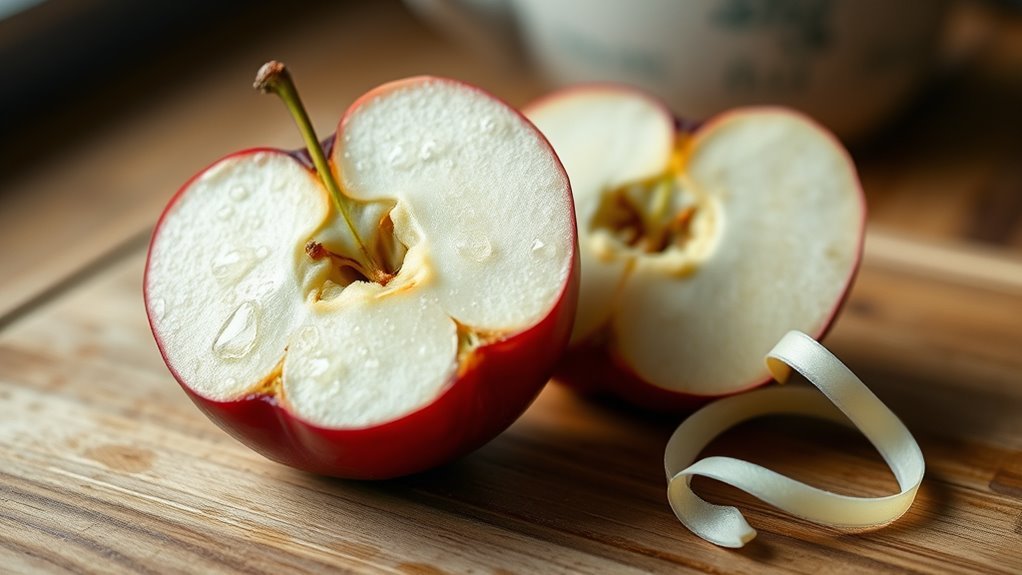
Does Apple Skin Have a Lot of Nutritional Value?
Yes, apple skin is packed with nutrients you don’t want to miss. It has higher levels of vitamins, fiber, and powerful antioxidants like quercetin that support your heart, digestion, and immune system.
Eating the skin can help regulate blood sugar and reduce inflammation. Just be sure to clean it well to minimize pesticide exposure.
If you want to understand how apple skin boosts your health and how to enjoy it safely, keep exploring these benefits.
What Makes Apple Skin So Nutritious
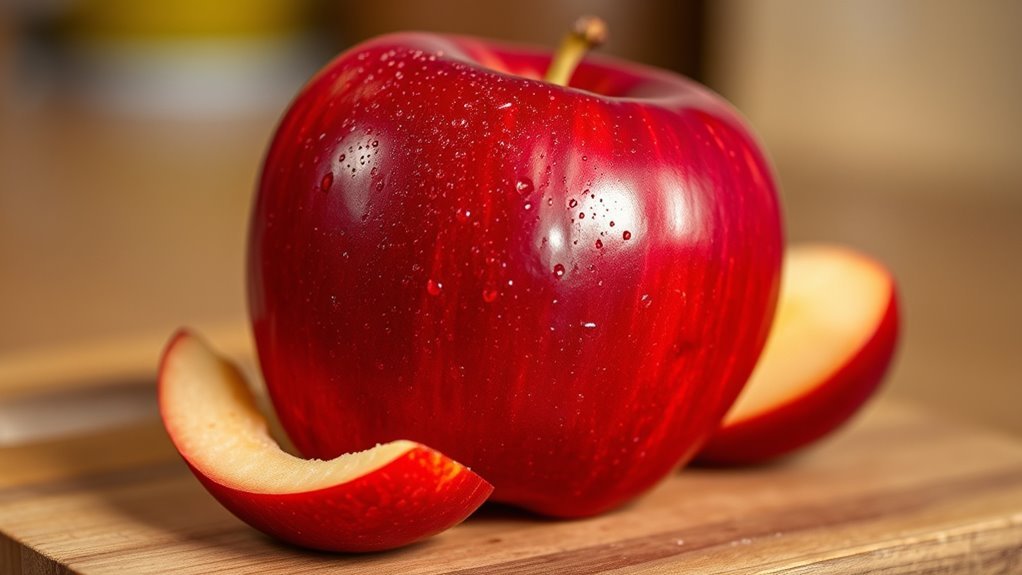
Although many people peel their apples, you miss out on a powerhouse of nutrients found in the skin. The apple skin is packed with antioxidants like polyphenols, flavonoids, and quercetin, which help protect your body from oxidative stress.
Besides antioxidants, the skin offers a rich source of dietary fiber, including insoluble fiber and pectin. This supports digestion and keeps you feeling full longer. You’ll also find higher concentrations of essential vitamins such as vitamin C, A, and K in the skin compared to the apple’s flesh.
On top of that, apple peels contain valuable phytochemicals like triterpenoids that provide anti-inflammatory and anti-cancer benefits. When you eat the skin, you maximize your intake of these nutrients, making your apple much more than just a sweet snack.
Apple Skin’s Antioxidants and Their Health Benefits
You’ll find powerful antioxidants like polyphenols, flavonoids, and quercetin concentrated in apple skin. These guys help fight off harmful free radicals in your body.
What’s great is that these compounds play a big role in reducing oxidative stress. That means they can help lower your risk of chronic diseases over time.
Key Antioxidant Compounds
Because apple skin contains a high concentration of polyphenols like flavonoids and anthocyanins, it packs a powerful antioxidant punch that you won’t find in the fruit’s pulp. Among these compounds, quercetin stands out as a major flavonol with strong antioxidant properties.
When you eat apple skin, you get access to antioxidants that can be up to 328 times higher than those in the pulp. These polyphenols, especially flavonoids like quercetin, help protect your cells by neutralizing harmful free radicals.
The phenolic compounds also contribute to reducing inflammation, making apple skin a valuable source of natural antioxidants that support your overall health. So, don’t peel away those powerful nutrients. Apple skin is where a lot of the magic happens.
Antioxidant Effects On Health
How exactly do the antioxidants in apple skin benefit your health? Apple skin is packed with powerful antioxidants like polyphenols and flavonoids, which help neutralize free radicals and reduce oxidative stress in your body. These antioxidants can be up to 328 times higher in the skin than in the apple’s pulp, giving your antioxidant intake a significant boost.
By eating the skin, you also get quercetin, a flavonoid known for its anti-inflammatory and heart-supporting effects. Reducing oxidative stress through these compounds supports your overall health and helps your body manage everyday challenges.
Just make sure to wash your apples well to enjoy the maximum antioxidant benefits while minimizing pesticide residues. Incorporating apple skin into your diet is a simple way to harness these health-boosting nutrients.
Role In Disease Prevention
When you include apple skin in your diet, you tap into a powerful source of antioxidants like quercetin, flavonoids, and polyphenols that actively fight inflammation and oxidative stress. These bioactive compounds play an essential role in disease prevention by reducing the risk of chronic illnesses such as heart disease and certain cancers.
Apple skin’s phenolic compounds have also been linked to protective effects against neurodegenerative diseases like Alzheimer’s. By eating the skin, you increase your intake of these antioxidants by up to 328 times compared to just the pulp.
Regular consumption supports your immune function and helps keep inflammation in check, making apple skin an easy and effective way to boost your overall health and defend against disease.
The Role of Fiber in Apple Skin for Digestion
You’ll find that the insoluble fiber in apple skin helps keep your digestion running smoothly. It does this by promoting regular bowel movements. Plus, there’s pectin—a type of soluble fiber in the skin—that plays a key role too. Pectin increases stool bulk and supports gut health. So, including apple skin in your diet can really make a difference in how well your digestive system functions.
Insoluble Fiber Benefits
Because apple skin contains a high amount of insoluble fiber, mainly cellulose, hemicellulose, and lignin, it plays an essential role in promoting healthy digestion. When you eat apple skin, you get a boost in digestive health thanks to this fiber type.
Here’s how insoluble fiber from apple skin benefits you:
- It adds bulk to your stool, helping prevent constipation and keeping bowel movements regular.
- It supports beneficial gut bacteria, reducing gastrointestinal discomfort and maintaining gut health.
- It increases satiety, which can help you manage your weight by curbing overeating.
Since apple skin provides up to 31% of the apple’s total fiber, including it in your diet can markedly enhance your digestive health and aid weight management.
Pectin’s Digestive Role
Although apple skin is well known for its insoluble fiber, its high pectin content plays an equally important role in digestion. Pectin, a type of soluble fiber, forms a gel-like substance in your gut that slows digestion and boosts nutrient absorption.
This helps regulate your digestive system and promotes healthy bowel movements. By increasing stool bulk, pectin can ease constipation, making it a natural digestive aid. Furthermore, pectin acts as a prebiotic, feeding beneficial gut bacteria that support your overall gut health.
The soluble fiber in apple skin also reduces intestinal inflammation and strengthens your gut barrier. So, when you eat apple skin, you’re not just getting fiber. You’re gaining significant digestive benefits that enhance your digestive health.
How Apple Skin Supports Heart Health
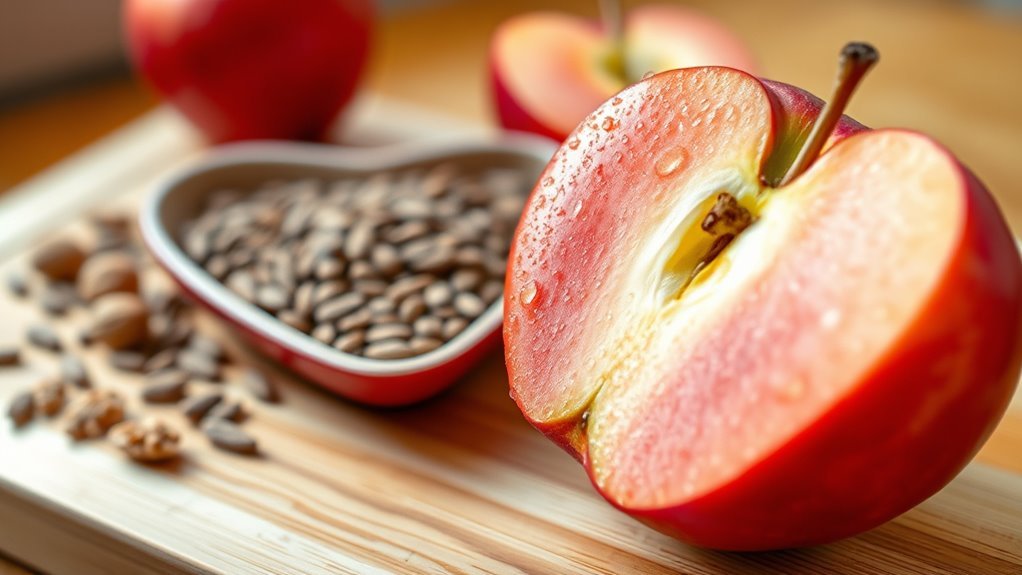
When you include apple skin in your diet, you tap into a powerful source of nutrients that actively support heart health. Apple skin is packed with quercetin, a flavonoid that helps reduce blood pressure and promotes cardiovascular health. Plus, its antioxidants fight oxidative stress, a key factor in heart disease.
The fiber in apple skin also plays an essential role in lowering LDL cholesterol, protecting your arteries.
Here are three ways apple skin supports your heart:
- Quercetin: Lowers blood pressure and reduces inflammation, benefiting cardiovascular health.
- Antioxidants: Combat oxidative stress, helping prevent damage to your heart and blood vessels.
- Fiber: Decreases LDL cholesterol, reducing the risk of atherosclerosis and promoting better vascular function.
Can Apple Skin Help Manage Blood Sugar Levels?
If you want to better manage your blood sugar levels, including apple skin in your diet can be a smart choice. Apple skin is packed with dietary fiber, especially pectin, which slows glucose absorption and helps keep your blood sugar stable. This means you’re less likely to experience sharp spikes after meals.
Beyond fiber, apple skin contains antioxidants like quercetin that reduce inflammation and may boost your insulin sensitivity. This helps your body regulate blood sugar more effectively. Studies show eating unpeeled apples results in lower post-meal blood sugar compared to peeled ones.
The soluble fiber in apple skin also helps you feel fuller longer, which supports steady blood sugar control. Incorporating apple skin regularly as part of a balanced diet can contribute to better glycemic regulation, making it a natural and tasty way to support your blood sugar management.
How Apple Skin Helps With Weight Management
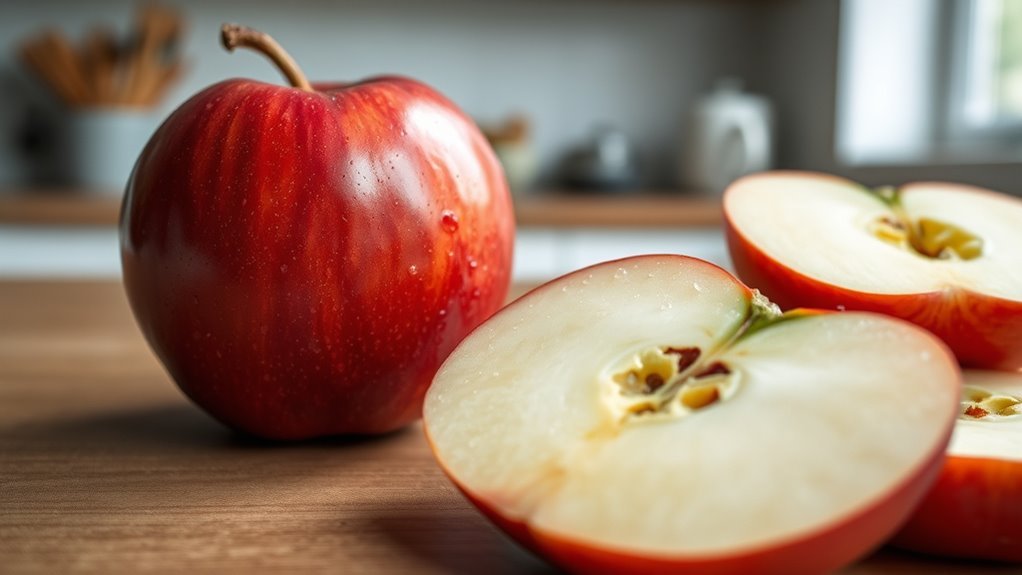
Three key ways apple skin supports weight management are through its fiber content, antioxidant properties, and blood sugar regulation. When you include apple skin in your diet, you tap into its rich fiber content, which boosts satiety and helps curb your appetite. This means you’ll feel full longer, reducing the urge to snack unnecessarily.
Apple skin’s fiber helps you feel full longer, curbing appetite and reducing unnecessary snacking.
Here’s how apple skin aids your weight management:
- Fiber increases satiety The fiber in apple skin slows digestion, keeping you satisfied and less likely to overeat.
- Antioxidants support metabolism Apple skin’s antioxidants may promote a healthier metabolism, which can help with weight control.
- Blood sugar regulation Eating apple skin helps stabilize blood sugar levels, preventing spikes that often trigger cravings.
Which Apple Skin Compounds Help Fight Inflammation?
Because apple skins are packed with powerful polyphenols like quercetin and flavonoids, they play a significant role in fighting inflammation. When you eat apple skins, you get a rich source of antioxidants that help reduce oxidative stress, a major contributor to chronic inflammation.
Quercetin, one of the key polyphenols in the peel, works by inhibiting inflammatory enzymes and signaling pathways, helping to calm your body’s inflammatory response. These anti-inflammatory compounds in apple skins vary by variety but generally provide a strong protective effect.
How Apple Skin Compounds May Reduce Cancer Risk
You’ll find powerful antioxidants in apple skins that help protect your cells from damage linked to cancer. Compounds like quercetin and chlorogenic acid work to neutralize harmful free radicals and support healthy cell function. So, by eating apple skins regularly, you’re giving your body natural phytochemicals that may reduce cancer risk.
Antioxidants and Cancer Prevention
While many focus on the flesh of the apple, its skin actually packs a powerful punch against cancer. The antioxidants and polyphenols in apple skin play a *vital* role in cancer prevention by neutralizing harmful free radicals.
When you eat the skin, you boost your intake of these protective compounds, which can inhibit cancer cell growth and reduce DNA damage.
Here’s how apple skin helps in cancer prevention:
- Rich in polyphenols: Compounds like quercetin and flavonoids fight oxidative stress linked to cancer development.
- Modulates cell behavior: These antioxidants influence cell signaling, slowing proliferation and promoting cancer cell death.
- Protective effects: Studies show apple peel extracts may defend against colon and breast cancers.
Anti-Cancer Phytochemicals
The powerful antioxidants in apple skin are just one part of how its compounds work to reduce cancer risk. Apple skins are packed with polyphenols like quercetin, flavonoids, and anthocyanins, all known for their anti-cancer properties.
These antioxidants neutralize free radicals that damage DNA, a major factor in cancer development. Research shows that the phytochemicals in apple skins can inhibit cancer cell growth, especially in breast, colon, and liver cancers.
Safety Concerns: Is Apple Skin Safe to Eat?
Although apple skins offer valuable nutrients and antioxidants, you need to be cautious about their safety before eating them. Pesticide residues are common on conventionally grown apples, with over 90% testing positive for multiple chemicals.
To guarantee safety, you should focus on the following:
- Proper washing: Rinsing apples with water, vinegar, or baking soda helps remove dirt, bacteria, and about 41% of pesticide residues.
- Choosing organic apples: These typically have fewer pesticide residues, making their skins safer to consume when cleaned thoroughly.
- Considering peeling: While peeling removes more pesticides, it also eliminates many nutrients found in the skin.
How to Clean Apples to Preserve Skin Nutrients
If you want to enjoy the full nutritional benefits of apple skin, you need to clean your apples properly. Start by rinsing them under warm water to remove surface dirt.
For better cleaning, use a soft brush or cloth to gently scrub the apple skin. This helps eliminate bacteria and pesticide residues without damaging the nutrients.
To tackle stubborn pesticides and wax coatings, soak your apples in a solution of one part vinegar to three parts water for a few minutes, then rinse thoroughly.
Avoid peeling apples since the skin contains most of the fiber, antioxidants, and polyphenols that offer health benefits. Proper cleaning reduces harmful chemical residues while preserving these valuable compounds.
How to Choose Apples With the Most Nutritious Skin
Now that you know how to clean apples to keep their skin nutrients intact, choosing the right apples becomes just as important. The peels carry much of the apple’s vitamins and nutrition, so picking the best ones ensures you get the most benefit.
Here’s how to choose apples with the most nutritious skin:
- Go organic or biodynamic. These apples have fewer pesticide residues on their peels, meaning you get cleaner, healthier skin packed with nutrients.
- Look for heirloom varieties. Heritage apples often contain higher levels of beneficial phytochemicals, boosting the vitamin content found in their skin.
- Pick firm, unblemished apples. Fresh, intact skin preserves the nutrition and ensures you’re eating apples at their peak.
Supporting local farmers who use minimal spraying also helps you find apples with the richest, safest skin nutrition. Choose wisely to maximize the vitamins and benefits hidden in every apple peel.
Easy Ways to Add Apple Skin to Your Diet
When you want to boost your nutrient intake effortlessly, adding apple skins to your meals is a simple and tasty strategy. Apple skin is rich in fiber content and antioxidants, offering impressive health benefits. You don’t have to complicate things. There are easy ways to add apple skin to your diet daily.
Here’s a quick guide to get you started:
| Method | How to Use | Benefits |
|---|---|---|
| Sliced in Salads | Toss apple slices with skins into salads | Adds fiber and crunch |
| Blended in Smoothies | Blend peels into fruit smoothies or purees | Boosts antioxidants and fiber |
| Baked Snack | Bake apples with skins as a dessert/snack | Retains nutrients and sweetness |
| Trail Mix Addition | Add dried apple peels to granola or mixes | Convenient fiber boost |
Frequently Asked Questions
How Does Apple Skin Affect Apple Storage and Shelf Life?
Apple skin plays a vital role in apple preservation by acting as a natural barrier against moisture loss and microbial contamination. When you store apples at the right temperature, the skin helps control moisture, slowing spoilage and decay.
Using proper packaging methods that maintain humidity and reduce oxygen exposure further enhances shelf life. So, by keeping the skin intact and managing storage conditions, you’ll keep apples fresher longer.
Can Apple Skin Cause Allergies in Some People?
Apple skin can definitely cause allergies in some people. It’s like a tiny storm of skin sensitivity waiting to happen!
If you have apple allergy or pollen cross-reactivity, especially from birch pollen, you might experience itching or swelling. This is a form of food intolerance linked to proteins in the skin.
To avoid reactions, you can peel or cook apples. This helps reduce those allergenic proteins and keeps you safe.
What Are the Environmental Impacts of Apple Skin Waste?
Apple skin waste impacts the environment mainly through slow waste decomposition, which can increase methane emissions in landfills. If you don’t manage it properly, it can lead to water pollution from runoff and attract pests, creating health risks.
However, when you compost apple skins, you improve soil enrichment by returning nutrients to the earth. Using apple peel waste sustainably helps reduce pollution and promotes healthier ecosystems overall.
How Does Cooking Alter the Nutrients in Apple Skin?
Cooking alters the nutrients in apple skin by affecting nutrient retention depending on cooking methods. You’ll notice nutrient loss, especially of heat-sensitive vitamins like vitamin C and some antioxidants, when you boil or bake at high temperatures.
However, steaming or baking at moderate heat helps preserve more nutrients. Despite some loss, dietary benefits like insoluble fiber remain stable, so choosing proper cooking methods lets you keep most of apple skin’s good stuff.
Are There Differences in Nutrient Content Between Organic and Conventional Apple Skin?
Yes, you’ll notice organic differences in nutrient density and phytochemical content in apple skins. Organic apple skins usually have higher nutrient retention, boasting greater levels of antioxidants and flavonoids like quercetin.
This boost in phytochemical content comes from reduced pesticide use, which helps preserve these beneficial compounds. When you choose organic, you’re getting more nutrients naturally, making the skin a richer source of healthful compounds compared to conventional apples.
Conclusion
You’ll find apple skin packed with antioxidants, fiber, and nutrients that support your heart, digestion, and blood sugar control. You can enjoy its benefits safely by cleaning your apples well and choosing varieties rich in nutrients.
You can snack on it raw, blend it into smoothies, or bake it into treats. Embrace apple skin’s power to nourish your body, protect your health, and add delicious texture to your meals every day.