How to Create a Vegan Meal Plan to Gain Weight
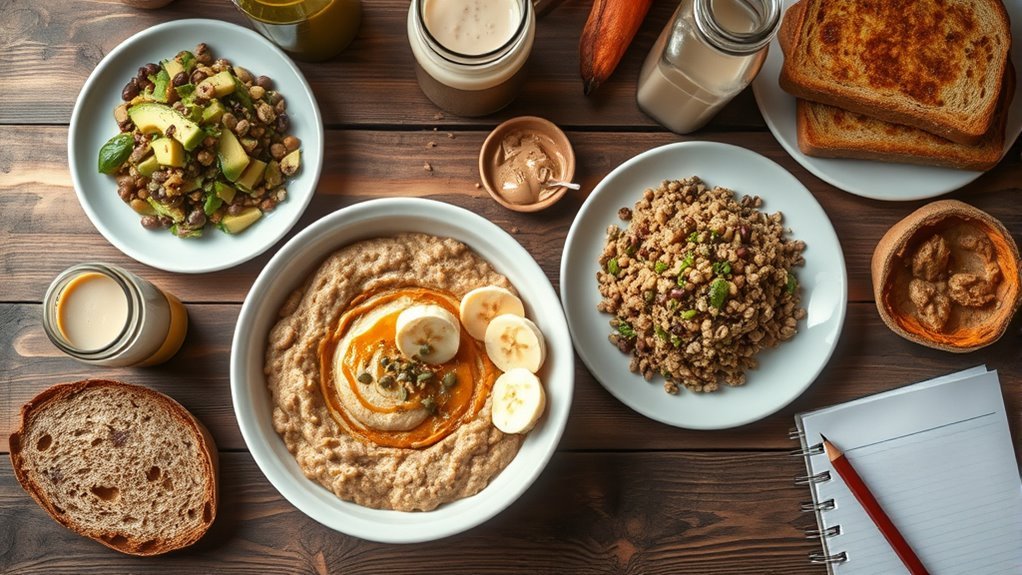
To create a vegan meal plan for weight gain, first calculate your calorie needs and add 500 to 1000 kcal for steady progress. Focus on calorie-dense foods like nuts, seeds, whole grains, and healthy fats.
Combine plant-based proteins, complex carbs, and fats in balanced meals and snacks throughout the day. Use vegan protein powders and nutrient-rich post-workout nutrition to support muscle growth.
Avoid processed, sugary foods to stay healthy. Keep going, and you’ll discover practical tips to boost gains effectively.
Calculate Calorie Needs for Vegan Weight Gain
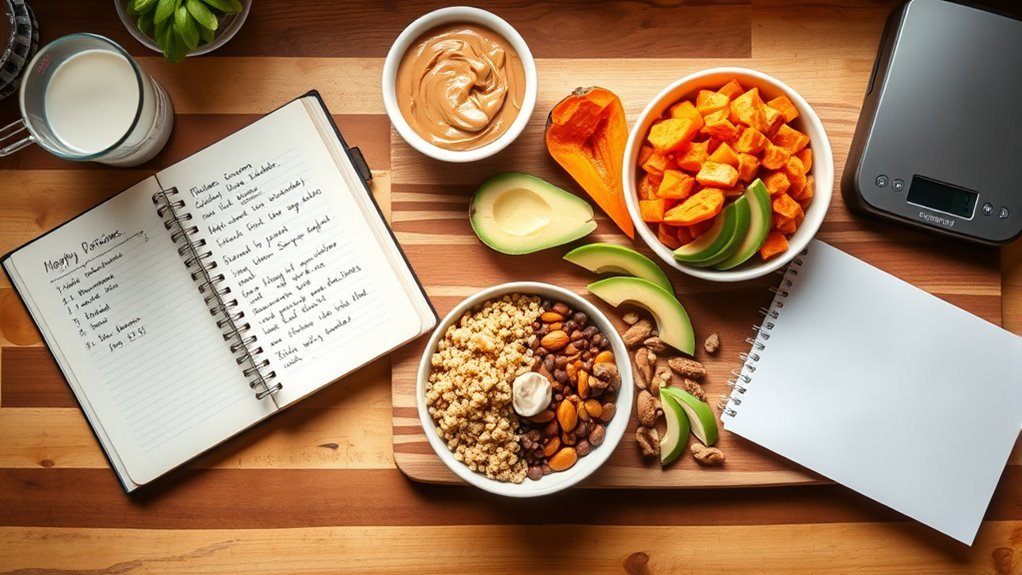
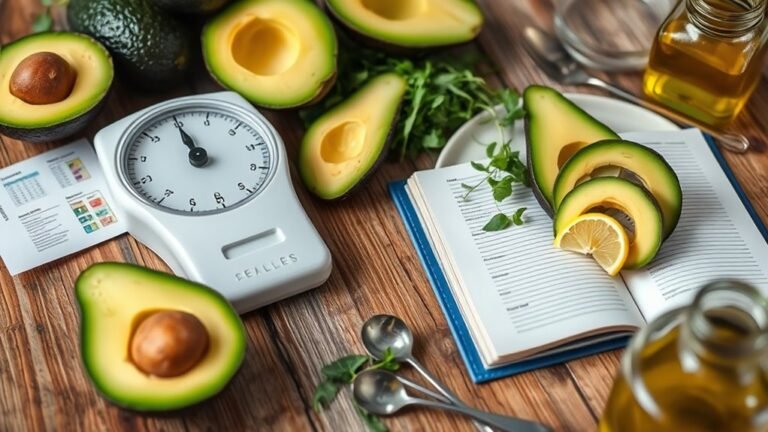
To gain weight on a vegan diet, start by calculating your daily calorie needs based on your age, gender, activity level, and current weight. Understanding your calorie needs lays the foundation for effective weight gain.
Most adults require around 2000 calories daily for women and 2500 for men, but your specific needs can vary widely. Aim for a calorie surplus of 500 to 1000 calories per day beyond your maintenance level to ensure gradual, healthy weight gain.
Use tools like the NIH Body Weight Planner or consult a dietitian to get a personalized estimate. Track your progress regularly, and if your weight gain is slower than expected, increase your calorie intake by adding larger portions or extra snacks.
Choose Calorie-Dense, Nutrient-Rich Vegan Foods
If you want to gain weight on a vegan diet, it’s a good idea to focus on nutrient-dense plant foods that are high in calories. Think about adding healthy calorie sources like nuts, seeds, oils, and starchy vegetables to your meals. These foods can fuel your body effectively. Plus, they help you increase your calorie intake without giving up important nutrients.
Nutrient-Dense Plant Foods
How can you maximize your calorie intake while staying true to a vegan diet? Focus on nutrient-dense foods that combine calorie density with essential nutrients. Choosing the right plant-based protein and calorie-dense foods will help you gain weight healthily and efficiently.
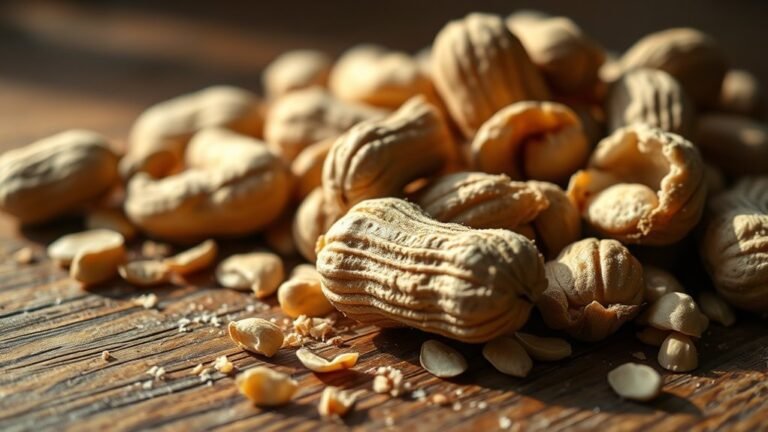
Incorporate these into your meals: nuts, seeds, and avocados for healthy fats and 160-200 calories per 100 grams. Whole grains like quinoa, oats, and brown rice provide complex carbs and 120-150 calories per 100 grams.
Plant-based protein sources such as lentils, tempeh, and tofu support muscle growth and nutrient needs. Dark leafy greens, berries, and sweet potatoes give you crucial vitamins and antioxidants.
Add coconut milk, tahini, and dried fruits for extra calories and nutrients. These nutrient-dense plant foods build a solid foundation for your vegan weight gain plan.
Healthy Calorie Sources
Although gaining weight on a vegan diet can seem challenging, focusing on calorie-dense, nutrient-rich foods makes it easier to reach your goals. Incorporate healthy fats from nuts, seeds, avocados, and coconut oil, which pack high calories in small portions.
Whole grains like quinoa and oats provide complex carbs for sustained energy. Don’t forget plant-based protein sources such as lentils, tofu, and tempeh to support muscle growth and calorie intake. Adding high-calorie snacks like trail mix and nut butters helps boost your daily calories effortlessly.
| Food Category | Examples | Benefits |
|---|---|---|
| Healthy Fats | Avocado, Nuts, Seeds | Calorie-dense, nutrient-rich |
| Whole Grains | Quinoa, Oats, Brown Rice | Sustained energy, fiber |
| Plant-Based Protein | Lentils, Tofu, Tempeh | Muscle growth, calorie boost |
Plan Balanced Vegan Meals With Protein, Carbs, and Fats
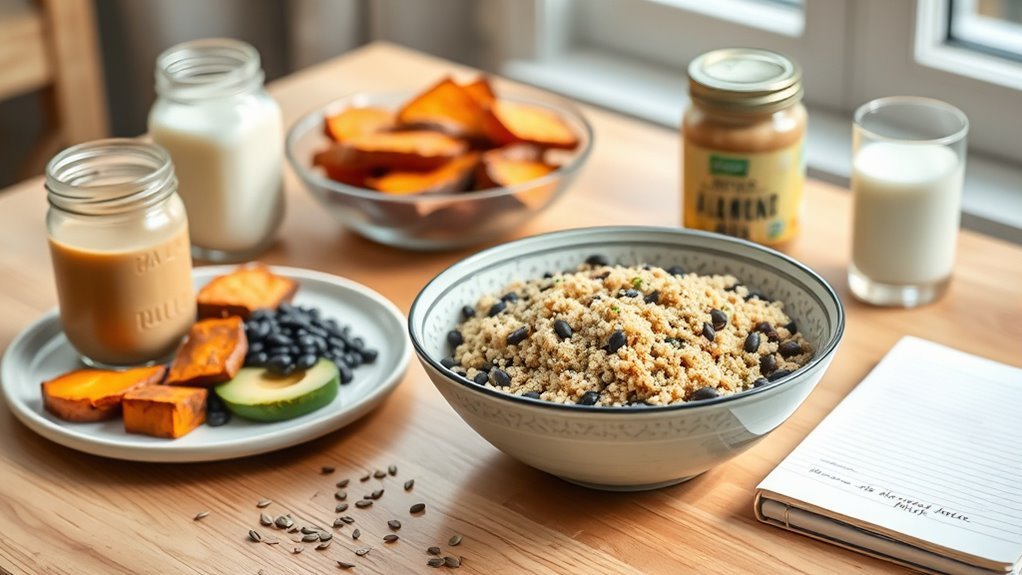
When you plan balanced vegan meals, combining protein, carbohydrates, and healthy fats guarantees you get the nutrients needed for effective weight gain. A well-rounded meal boosts your calorie intake while providing essential nutrients for muscle growth and overall health. Make sure each meal includes a variety of sources to keep your diet balanced and nutrient-dense.
Consider these key points to create balanced meals:
Focus on combining plant proteins, complex carbs, and healthy fats to craft balanced, nutrient-rich vegan meals.
- Incorporate plant-based protein like lentils, tofu, and vegan protein powders to meet your protein needs.
- Choose complex carbohydrates such as quinoa, oats, and sweet potatoes for sustained energy.
- Add healthy fats from avocados, nuts, seeds, and coconut oil to increase calorie density.
- Include nutrient-rich ingredients like dark leafy greens and berries for vitamins and minerals.
- Distribute calories evenly across meals and snacks, ensuring each contains protein, carbs, and fats.
Incorporate Plant-Based Proteins for Muscle Building
To build muscle effectively on a vegan diet, you need to focus on incorporating a variety of plant-based proteins that provide all essential amino acids. Foods like lentils, chickpeas, tofu, tempeh, and quinoa are excellent choices because they support muscle repair and growth.
Since no single plant protein contains all nine essential amino acids, eating a mix of these throughout the day guarantees your body gets what it needs for muscle synthesis. You can also use vegan protein powders made from pea, hemp, or rice protein to meet your increased protein demands.
Adding nuts, seeds, and legumes to your meals boosts protein intake and supplies healthy fats, which are important for weight gain. Aim to consume about 1.6 to 2.2 grams of protein per kilogram of your body weight daily, primarily from plant-based proteins, to effectively support muscle building on your vegan diet.
Make Easy Vegan Snacks to Boost Daily Calories
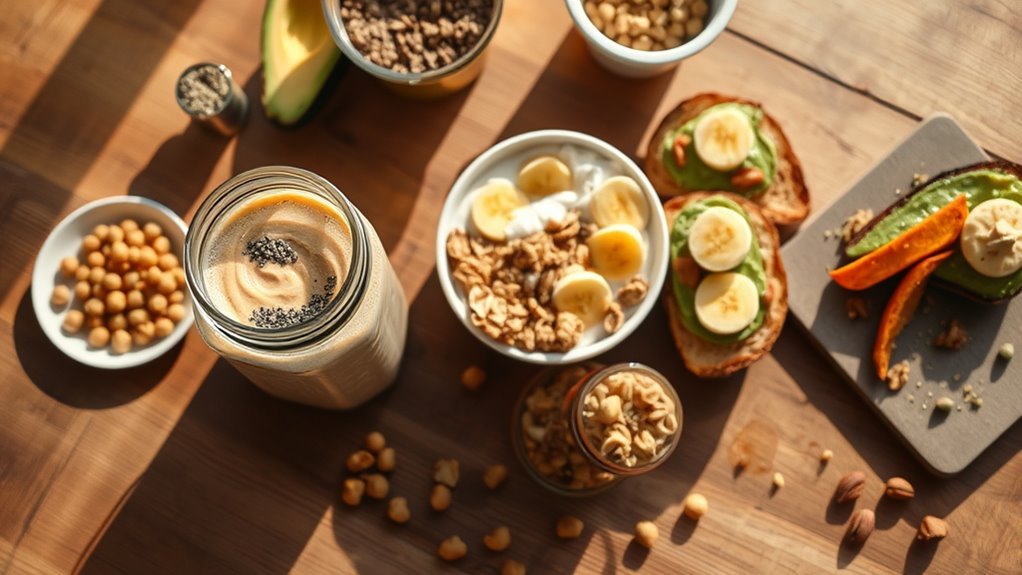
You can easily boost your daily calories by making quick, nutrient-packed vegan snacks. Just focus on calorie-dense ingredients like nut butters, dried fruits, and seeds to keep your energy up.
Simple options like trail mix, smoothies, and homemade bars make staying fueled both convenient and delicious. Plus, they’re super easy to whip up whenever you need a little extra bite.
Calorie-Dense Snack Ideas
How can you easily boost your daily calorie intake with simple, tasty snacks? Focus on high-calorie snacks packed with nutrient-rich ingredients to fuel your weight gain journey. Vegan energy balls made from oats, dates, nuts, and coconut offer a quick, portable option loaded with calorie-dense foods.
Incorporate a variety of snacks that combine fats, proteins, and carbs to keep you energized throughout the day.
Try these calorie-dense snack ideas:
- Trail mix with nuts, seeds, dried fruit, and vegan chocolate chips
- Avocado slices or guacamole paired with whole-grain crackers
- Smoothies blending bananas, nut butters, plant-based protein powder, and coconut milk
- Nut butter spread on rice cakes or toast
- Homemade vegan energy balls with oats and dried fruits
These snacks make it easy to add calories without sacrificing taste or nutrition.
Quick Nutritious Options
Although gaining weight on a vegan diet can seem challenging, quick nutritious snacks make it simple to boost your daily calorie intake without much effort. Incorporate calorie-dense snacks like nut butters, trail mix, and energy bars to easily up your calories.
Whip up smoothies using bananas, avocado, plant-based protein powder, and plant oils to add healthy fats and protein quickly. Keep dried fruits such as dates, raisins, and apricots handy for a natural energy boost.
For crunch, try roasted chickpeas, spiced nuts, or seed mixes, which provide both protein and healthy fats. Pre-made snack packs with hummus, whole grain crackers, and sliced fruits or veggies are perfect for on-the-go calorie boosts.
These quick options help you stay fueled and support healthy weight gain effectively.
Use Vegan Supplements and Post-Workout Nutrition
When aiming to gain weight on a vegan diet, incorporating supplements like pea, hemp, or rice protein powders can help you meet your increased protein needs for muscle growth. Vegan supplements play a crucial role in supporting muscle recovery and enhancing your overall progress.
Post-workout nutrition is equally important. Consuming quick-absorbing carbohydrates and protein soon after exercise replenishes glycogen stores and kickstarts repair.
Consuming fast-absorbing carbs and protein post-exercise replenishes glycogen and jumpstarts muscle repair.
To optimize your gains, focus on these essentials:
- Use vegan protein powders to boost daily protein intake.
- Include vegan creatine monohydrate to improve strength and muscle mass.
- Consume fast-absorbing carbs like maltodextrin or fruit juice post-workout.
- Take vegan-friendly BCAAs to support muscle repair and reduce soreness.
- Have a balanced post-workout meal or shake within 30 to 60 minutes for optimal nutrient uptake.
Adjust Portion Sizes and Meal Frequency for Steady Gain
To steadily gain weight on a vegan diet, you’ll need to adjust both your portion sizes and meal frequency to guarantee a consistent caloric surplus. Start by increasing portion sizes of calorie-dense foods like nuts, seeds, and whole grains in each meal. This helps raise your calorie intake without feeling overly full.
Next, aim for 4-6 smaller meals or snacks throughout the day instead of just a few large ones. This meal frequency keeps your energy levels steady and supports gradual weight gain.
Pay attention to your body’s signals and track your weight regularly. If progress stalls, tweak your portion sizes or add another meal to boost calorie intake without overwhelming yourself.
Focus on nutrient-rich, high-calorie foods every time you eat to avoid plateaus. By personalizing your portion sizes and meal frequency, you’ll create a sustainable plan that promotes steady, healthy weight gain on your vegan journey.
Avoid Foods That Hinder Healthy Vegan Weight Gain
Since healthy weight gain depends on the quality of your calories, you’ll want to steer clear of foods that offer little nutritional value. Junk foods, processed carbohydrates, and sugary snacks might seem tempting but can hinder your progress by promoting fat gain over muscle development. Instead, focus on nutrient-dense options that support muscle growth and overall health.
To avoid foods that hinder healthy vegan weight gain, watch out for:
- Highly processed carbohydrates like pastries, sugary cereals, and crisps
- Fast food and fried items with unhealthy fats and empty calories
- Sugary snacks, candies, and desserts such as ice cream and cakes
- Fizzy drinks, energy drinks, and sugary coffee beverages with no nutritional benefit
- Overeating low-nutrient foods instead of whole, minimally processed plant-based meals
Frequently Asked Questions
Can I Gain Weight on a Vegan Diet Without Eating Soy Products?
Yes, you can gain weight on a vegan diet without eating soy products. Focus on plant-based snacks like nuts and seeds, which are calorie-dense and nutritious.
Include nutrient-dense smoothies with ingredients like avocado and nut butters to boost calories. Explore vegan protein options such as pea, rice, or hemp protein powders to meet your protein needs.
How Do I Manage Digestive Issues While Increasing Vegan Calorie Intake?
It’s no coincidence that managing digestive issues while boosting vegan calories often involves probiotic supplements and digestive enzymes. They work together to ease your gut. You’ll want to identify any food sensitivities by keeping a food diary so you can avoid triggers.
Start with small, frequent meals and gradually increase fiber to let your digestive system adapt. Staying consistent with these steps helps you gain weight without discomfort.
What Are the Best Vegan Sources of Omega-3 Fats for Weight Gain?
For the best vegan sources of omega-3 fats, focus on plant-based oils like flaxseed oil and chia seed oil. Flaxseed benefits include a high amount of ALA, an essential omega-3 fatty acid, while chia seed sources provide both omega-3s and extra fiber.
You can also add walnuts and hemp seeds to boost your intake. These calorie-dense options help you gain weight while supporting your overall health.
How Important Is Meal Timing for Vegan Weight Gain Success?
Meal timing strategies are essential for your vegan weight gain success because they optimize nutrient absorption techniques. This ensures your body gets the right fuel when it needs it most.
By syncing meals with workout synchronization tips, you enhance muscle recovery and growth. Eating protein-rich and calorie-dense foods within 30 minutes to 2 hours post-workout maximizes gains.
Consistent meal intervals keep your energy steady, making your weight gain journey more effective.
Can Intermittent Fasting Work for Vegan Weight Gain?
Imagine you’re a knight in shining armor, steering meal timing strategies to conquer vegan intermittent benefits. Yes, intermittent fasting can work for vegan weight gain, but you’ll need to master fasting and nutrition balance.
Focus on calorie-dense, high-protein plant foods during your eating windows, and don’t let shorter feeding times limit your intake. With smart meal timing and nutrient focus, you’ll build muscle and gain weight effectively while enjoying fasting’s perks.
Conclusion
Now that you’ve got the blueprint, think of your vegan meal plan as a garden. Nurture it with calorie-rich, vibrant foods and watch your strength blossom.
By fueling your body with balanced meals and smart snacks, you’ll build muscle and gain weight steadily, like a river carving its path. Stay consistent, adjust as needed, and let your dedication harvest the healthy gains you’re aiming for.
Your journey to a stronger you starts on your plate!