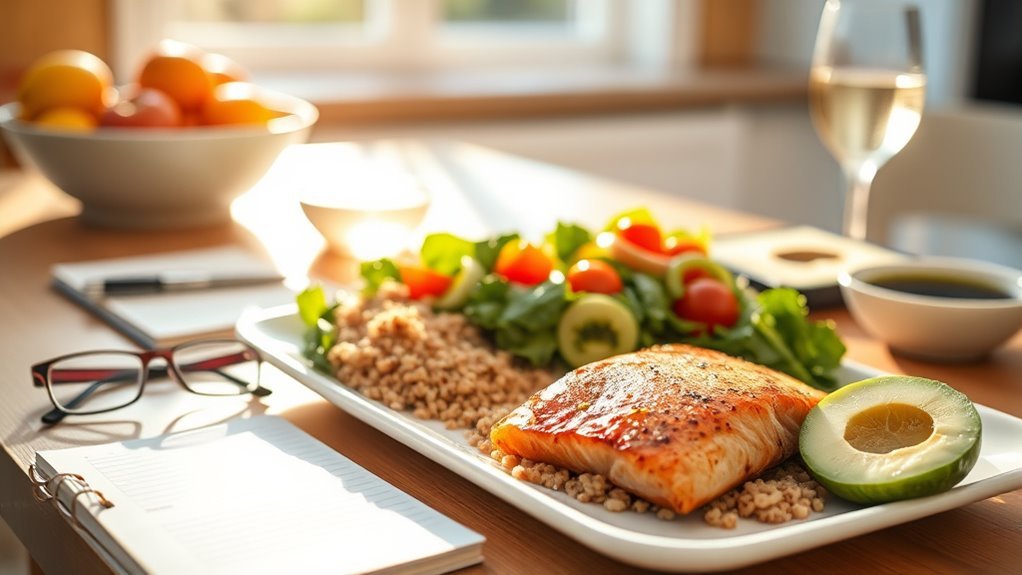
How to Create a Weight Loss Meal Plan for Women Over 50
To create a weight loss meal plan after 50, focus on nutrient-dense foods rich in calcium, vitamin D, protein, and healthy fats. These nutrients support your bones and metabolism.
Balance your calories using formulas like Mifflin-St Jeor. Aim for around 25-30% protein, 40-50% complex carbs, and 20-30% fats.
Control portions mindfully and adjust meals based on your activity. This helps sustain energy and muscle health.
Discover effective strategies to tailor your plan as your lifestyle evolves.
How to Create a Weight Loss Meal Plan for Women Over 50
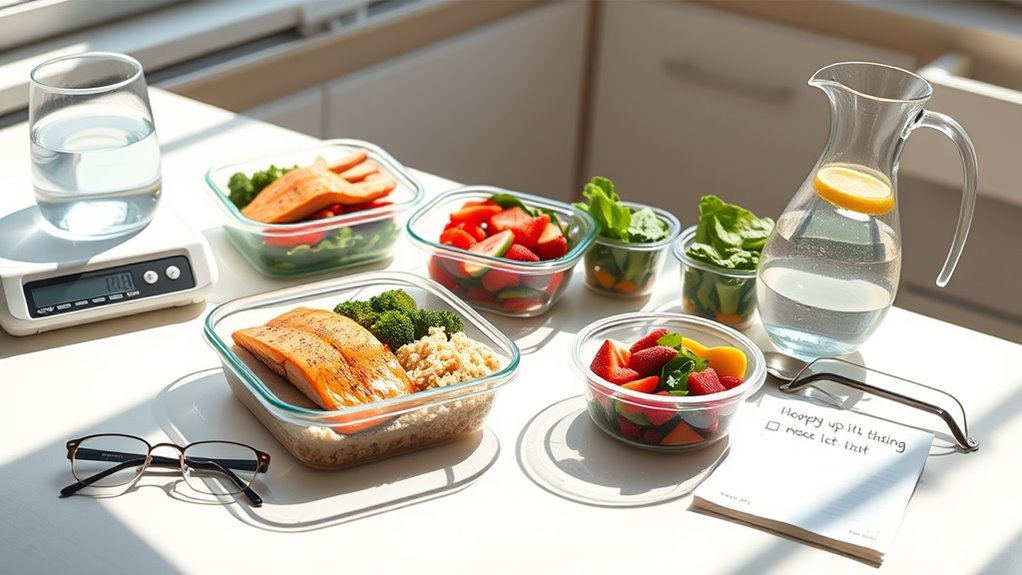
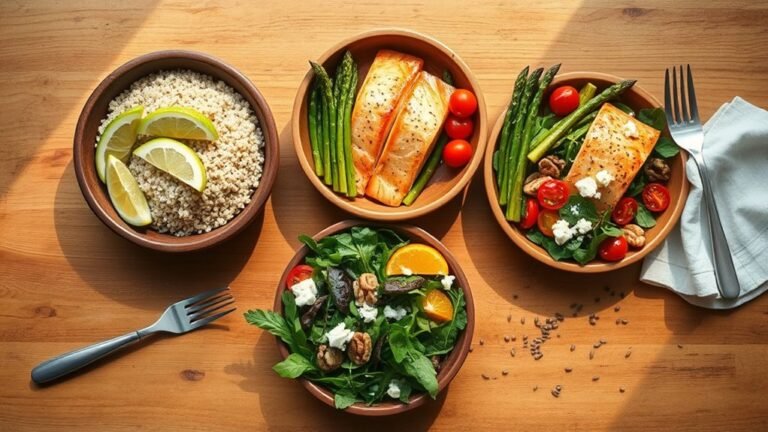
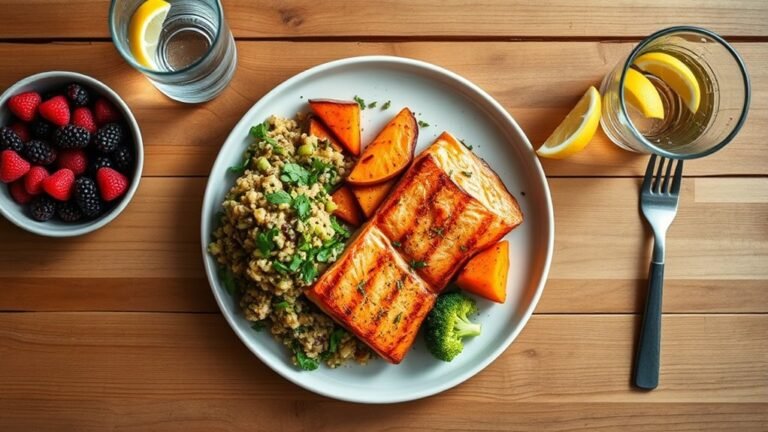
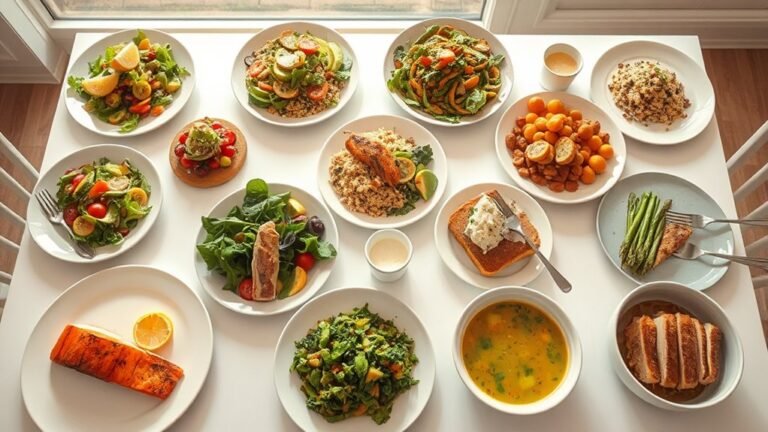
When creating a weight loss meal plan for women over 50, you should prioritize nutrient-dense foods that support bone health and muscle maintenance, like those rich in calcium, vitamin D, and protein. Focus on incorporating whole grains, fruits, vegetables, lean proteins, and healthy fats to create a balanced meal plan.
Portion control plays an essential role, so be mindful of serving sizes to avoid overeating while ensuring you get enough nutrients. Eating smaller, regular meals or snacks helps maintain energy and prevents hunger-driven overeating.
Tracking your calorie intake can keep you on target for a calorie deficit, which is fundamental for weight loss in women over 50. Prioritizing muscle maintenance is critical, so include protein-rich foods in every meal.
Healthy fats, like those from nuts and avocados, support overall health and satiety. By combining these strategies, you’ll create a sustainable meal plan that supports weight loss and long-term well-being.
Figuring Out Your Calorie Needs for Weight Loss After 50
Understanding your calorie needs is key to tailoring a weight loss plan that works for you after 50. Your age-related metabolism slows down, meaning your basal metabolic rate (BMR) decreases by about 1-2% every decade, so your caloric needs change.
To figure out your precise needs, consider these steps:
- Calculate your BMR using formulas like the Mifflin-St Jeor equation, which accounts for age, weight, height, and activity level.
- Factor in your daily activity level to estimate total caloric needs accurately.
- Create a calorie deficit by reducing your intake by about 500 calories per day to promote steady weight loss.
- Regularly review and adjust your dietary adjustments as your metabolism and lifestyle evolve.
Balancing Protein, Carbs, and Healthy Fats for Weight Loss
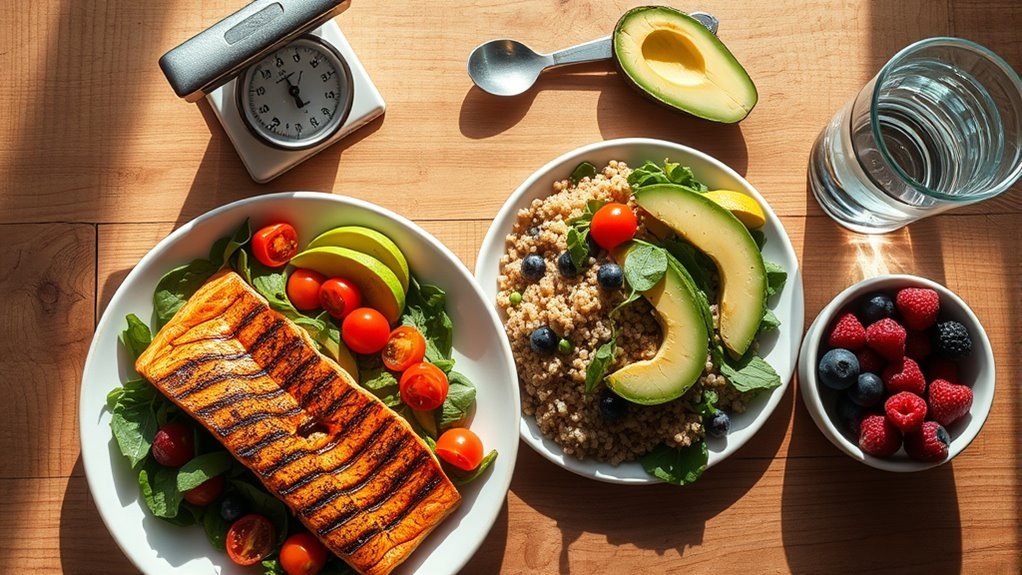
Since your body’s nutritional needs shift after 50, balancing protein, carbohydrates, and healthy fats becomes essential for effective weight loss. A balanced diet with 25-30% protein, 40-50% complex carbohydrates, and 20-30% healthy fats supports muscle mass, satiety, and nutrient intake.
Protein from lean sources like fish and Greek yogurt helps preserve muscle mass and keeps you full. Complex carbohydrates provide fiber and steady energy, while healthy fats from avocados and nuts regulate appetite and promote heart health.
| Macronutrient | Benefits |
|---|---|
| Protein | Preserves muscle mass, satiety |
| Complex Carbs | Provides fiber, sustained energy |
| Healthy Fats | Regulates appetite, heart health |
| Balanced Diet | Supports steady, sustainable weight loss |
Balancing these macronutrients guarantees you stay satisfied and energized, making weight loss manageable and sustainable.
Best Bone- and Muscle-Supporting Foods to Boost Metabolism
To keep your bones and muscles strong while giving your metabolism a nice little boost, try to include plenty of calcium-rich foods in your diet. Think dairy products or even fortified plant milks—they’re great options.
Also, don’t forget about lean proteins like fish and legumes. These help repair your muscles and keep your metabolism humming along smoothly.
And here’s a tip: make sure you’re getting enough metabolism-friendly nutrients like magnesium and omega-3s. They’re fantastic for maintaining your energy levels and helping your body recover after workouts.
Calcium-Rich Food Sources
When you focus on calcium-rich foods, you give your bones and muscles the support they need to stay strong and boost your metabolism. Prioritizing calcium helps maintain bone health and muscle maintenance, which are essential as you age.
Here are four top calcium sources to include in your meal plan:
- Greek yogurt and other dairy products provide a rich calcium boost.
- Leafy greens like kale, collard greens, and bok choy offer calcium plus indispensable nutrients.
- Fortified plant-based milks such as almond or soy milk are great alternatives if you’re lactose intolerant.
- Sardines and nuts and seeds (like almonds and chia seeds) supply calcium along with healthy fats that support muscle function.
Including these foods consistently helps you maintain strong bones and a healthy metabolism.
Protein for Muscle Health
Although aging naturally affects muscle mass, you can support muscle health and boost your metabolism by including adequate protein in your diet. Prioritize protein intake of 1.0 to 1.2 grams per kilogram of body weight daily to combat age-related muscle loss.
High-quality protein sources like lean meats, Greek yogurt, and fish deliver essential amino acids for muscle repair and growth. Pairing protein with resistance exercise enhances muscle maintenance and bone health.
| Food Source | Protein Type | Benefits |
|---|---|---|
| Greek Yogurt | High-quality | Rich in amino acids |
| Lean Meats | Lean Protein | Supports muscle maintenance |
| Beans & Lentils | Plant-based | Boosts bone health |
| Fish & Eggs | High-quality | Promotes muscle repair |
Focus on these to maintain strength and metabolism.
Metabolism-Boosting Nutrients
Building on the importance of protein for muscle health, focusing on a variety of metabolism-boosting nutrients can further support both muscle and bone strength as you age. Including nutrient-dense foods packed with these key elements helps maintain your metabolic rate and overall health.
Here are four essential metabolism-boosting nutrients to prioritize:
- Protein-rich foods like lean meats, eggs, and Greek yogurt sustain muscle mass and support metabolism.
- Omega-3 fatty acids found in fatty fish and walnuts reduce inflammation and promote bone health.
- Calcium and vitamin D from dairy, leafy greens, and fortified plant milks strengthen bones and prevent loss.
- Magnesium in nuts, seeds, and whole grains aids muscle function and metabolic processes.
Incorporating these nutrients supports your muscle function and bone health, making your weight loss plan more effective.
Portion Control Tips and Mindful Eating for Weight Loss Success
Mastering portion control and mindful eating plays a crucial role in your weight loss journey after 50. To manage portion sizes effectively, use smaller plates and bowls. They make servings look larger, helping you eat less without feeling deprived.
Master portion control with smaller plates to enjoy satisfying meals and support your weight loss after 50.
Pay close attention to your hunger cues and satiety signals. Eat only until you feel satisfied, not stuffed. Slowing down and chewing thoroughly enhances your body’s signals, reducing overall calorie intake.
Measuring portions with cups or a food scale is especially helpful when dealing with high-calorie foods like nuts or oils. Practicing mindful eating means eliminating distractions such as screens during meals so you stay fully aware of your food and your body’s needs.
Incorporating these portion control and mindful eating strategies into your meal planning boosts your food awareness, helping you maintain a balanced calorie intake and support sustainable weight loss success.
Meal Prep Tips to Stay Consistent With Your Weight Loss Plan
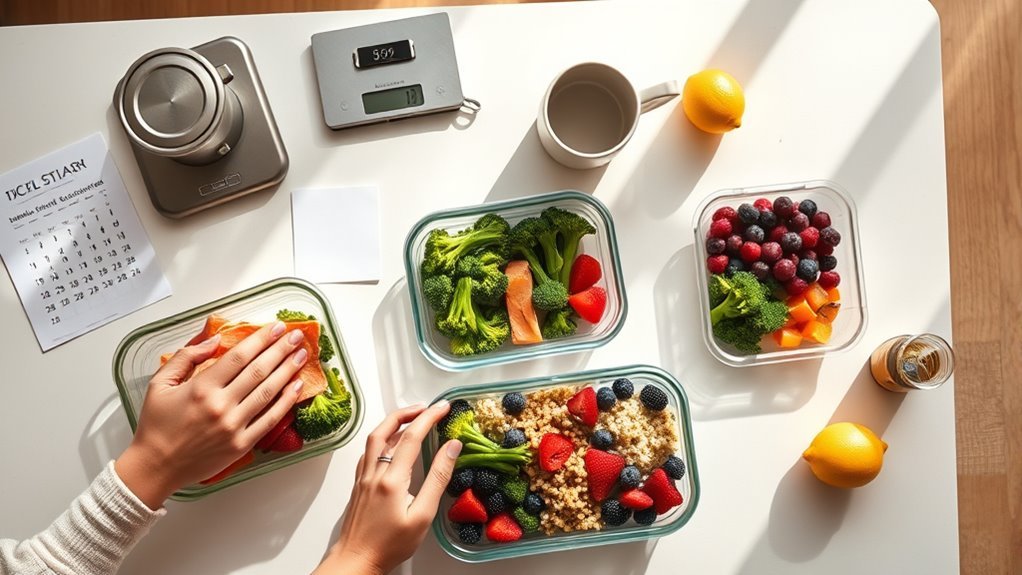
Keeping portion sizes in check and eating mindfully are powerful tools, but staying consistent with your weight loss plan often requires a bit more structure. Meal prep can be a game-changer by helping you avoid impulsive eating and maintain portion control.
To stay consistent, try these tips:
- Use batch cooking to prepare large portions of nutrient-dense meals. This saves time and guarantees healthy ingredients are always ready.
- Invest in meal containers to portion out individual servings. This makes tracking calories and macronutrients easier.
- Plan your meals each week and create a detailed grocery list. This keeps you focused and minimizes unnecessary purchases.
- Prep ingredients like washed veggies and cooked grains ahead of time. It streamlines meal assembly and reduces kitchen fatigue.
Adjusting Your Meal Plan Based on Exercise and Lifestyle Changes
When you start moving more, like increasing your workouts, you’ll want to eat a bit more to give your body the energy it needs and help with recovery. It’s important to notice how changes in your lifestyle affect your hunger and energy throughout the day. So, if you’re feeling hungrier or more tired, try adjusting your meals to match those needs. Being flexible with your eating plan makes it easier to stick with it and feel great overall.
Exercise Impact on Calories
Since exercise can considerably boost your daily calorie burn, you’ll need to modify your meal plan to match these changes. Physical activity increases your caloric expenditure, so tuning your intake helps maintain a calorie deficit for weight loss.
Strength training is especially beneficial as it raises your metabolic rate by building muscle, which impacts your resting energy needs. To tailor your meal plan effectively, consider these steps:
- Track your daily exercise and activity levels to estimate calorie burn accurately.
- Add 200-300 calories on active days to support recovery and maintain energy.
- Increase protein intake to support muscle growth from strength training.
- Adjust portion sizes based on changes in metabolic rate and overall caloric expenditure.
This approach ensures your meal plan aligns with your evolving exercise routine and energy needs.
Lifestyle Factors Adjustment
Although your exercise routine plays a big role in your calorie needs, other lifestyle factors also influence how you should adjust your meal plan. When your activity level changes, adjust your calorie intake by 200-300 calories to maintain a healthy weight.
On intense workout days, boost protein intake to support muscle recovery. Modify carbohydrate intake based on activity; eat more carbs on active days for energy and less on rest days to avoid weight gain.
Don’t forget to include nutrient-dense, fiber-rich foods to aid digestion and sustain energy. Hydration is vital. Aim for at least 68 ounces of water daily, especially during increased physical activity or hot weather.
Paying attention to these lifestyle factors guarantees your meal plan stays balanced and effective for your weight loss goals.
Frequently Asked Questions
How Does Menopause Affect Weight Loss After 50?
Menopause affects your weight loss by causing hormonal changes that slow down your metabolism and lead to muscle loss, making it harder to burn calories. You’ll notice fat redistribution, often around your abdomen, and appetite fluctuations that can increase cravings.
These changes impact your energy levels and emotional well-being, while also affecting bone health. Understanding these challenges helps you adapt your approach and stay motivated on your weight loss journey.
What Supplements Support Weight Loss for Women Over 50?
Did you know nearly 70% of women over 50 struggle with weight management? To support your journey, focus on supplement benefits like vitamin support from D and B12, which boost metabolism and energy.
Herbal aids such as green tea extract act as fat burners and metabolism boosters, while mineral supplements like calcium help with nutrient optimization. Combining these with appetite suppressants can make your weight loss efforts more effective and sustainable.
Can Intermittent Fasting Be Safe for Women Over 50?
Yes, intermittent fasting can be safe for you if you focus on shorter fasting windows, like 12 to 14 hours. This approach supports hormone balance and improves metabolic rate without extreme calorie restriction.
Managing meal timing helps enhance fat burning and boosts dietary adherence. Be mindful of how your body responds, especially with hormone changes, and consult your healthcare provider to guarantee intermittent fasting fits your health needs safely.
How Important Is Sleep for Weight Loss in Women Over 50?
Sleep quality and rest duration are vital for your weight loss, especially after 50. Poor sleep or sleep deprivation disrupts your hormonal balance, increasing hunger and cravings.
Establish night routines that improve your sleep environment and address sleep disorders to support healthy dream patterns and metabolic function. Prioritizing restful sleep helps regulate hormones like ghrelin and leptin, making it easier to lose weight and maintain energy throughout the day.
What Are Common Weight Loss Challenges Unique to Women Over 50?
Weight loss for you can feel like climbing a steep hill, thanks to hormonal fluctuations and a slower metabolism. You’ll face muscle mass decline and bone health concerns that limit activity, while medication effects and nutrient absorption issues add more hurdles.
Emotional eating might sneak in during stressful times, making it harder to stay on track. Recognizing these challenges helps you tailor your approach and keep moving forward despite the obstacles.
Conclusion
As you embrace this new chapter, think of your meal plan as a garden. Nurture it with balanced nutrients and mindful portions, and watch your health bloom.
By tuning into your body’s changing needs and adjusting your plan with care, you’ll cultivate strength, resilience, and confidence.
Remember, every small step you take waters this garden, helping you thrive gracefully and enjoy the vibrant, fulfilling life you deserve.