How to Create a Meal Plan to Lower LDL Cholesterol
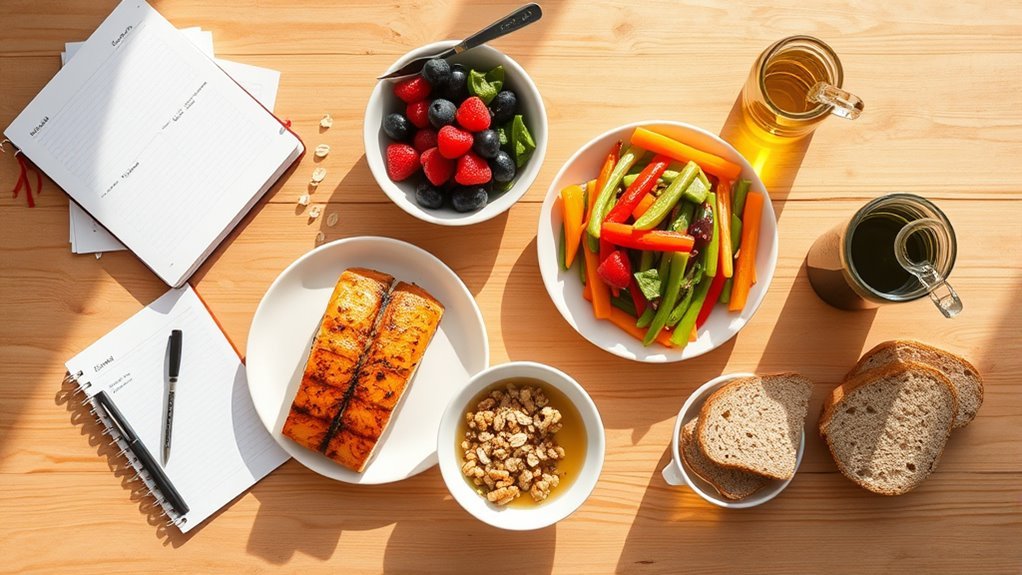
To create a meal plan that lowers your LDL cholesterol, focus on fiber-rich foods like oats, beans, and colorful vegetables.
Choose lean proteins such as lentils or fatty fish twice a week.
Replace processed fats with nuts, seeds, and vegetable oils.
Control portion sizes using smaller plates to avoid overeating.
Incorporate whole grains and schedule regular meal times to keep hunger and blood sugar stable.
Keep tracking your progress to fine-tune your plan and improve heart health even more.
How LDL Cholesterol Affects Your Heart
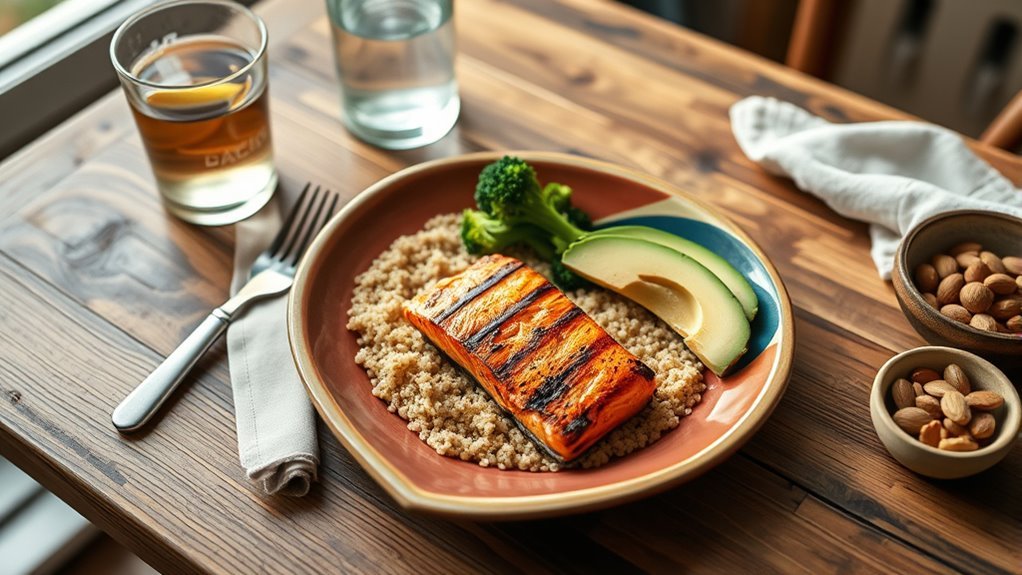
Although LDL cholesterol often gets overlooked, it plays an essential role in your heart health. When LDL levels rise, these cholesterol particles can penetrate your arteries, causing fatty deposits to build up. This buildup narrows and hardens your arteries, reducing blood flow to your heart.
Over time, this process increases your risk of heart disease and stroke. Each 1 mg/dL increase in LDL cholesterol raises your chance of coronary heart disease by about 2-3%. You might not notice symptoms initially, but the damage to your arteries can trigger inflammation and plaque formation, making your heart work harder.
Managing your LDL cholesterol is imperative because it directly affects how well your heart functions. By keeping your LDL in check, you reduce the strain on your arteries, improving blood circulation and lowering the risk of cardiovascular events. Understanding this connection empowers you to protect your heart effectively.
Identify Foods That Lower LDL Cholesterol
When you choose foods rich in soluble fiber, like oats and beans, you help lower your LDL cholesterol by trapping it in your digestive system before it enters your bloodstream. To effectively reduce LDL, focus on these key foods:
- Soluble fiber: Incorporate oats, barley, beans, and fruits to bind cholesterol in your gut.
- Plant-based proteins: Swap red meat for lentils, tofu, and beans to reduce saturated fat intake.
- Omega-3 fatty acids: Eat fatty fish like salmon or mackerel twice a week to lower LDL and triglycerides.
- Healthy fats: Replace processed food fats with nuts, seeds, and vegetable oils to improve cholesterol levels.
Plan Fiber-Rich Balanced Meals
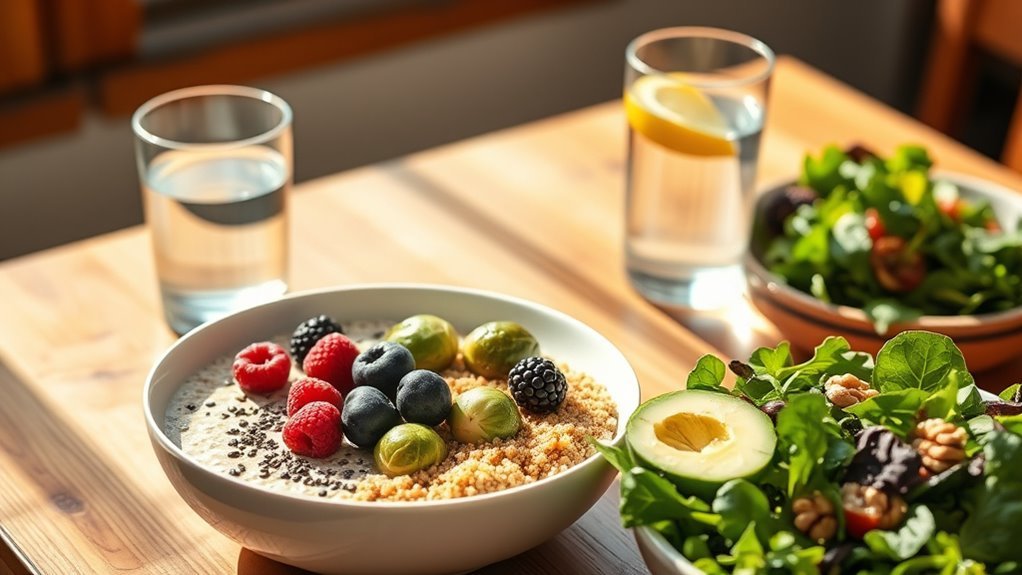
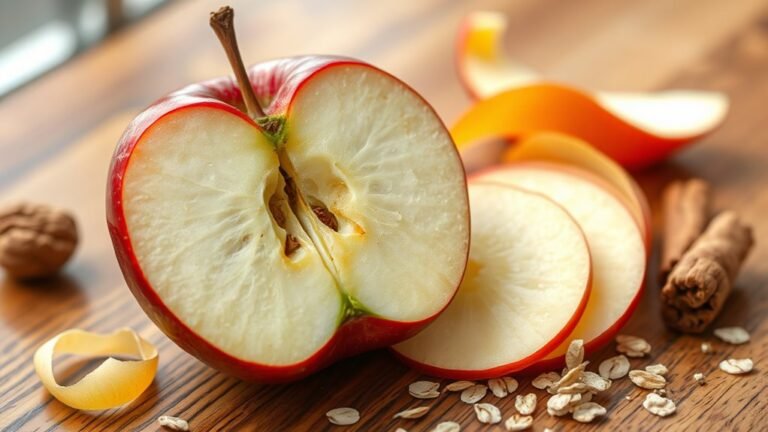
To lower your LDL cholesterol effectively, plan meals that include plenty of soluble fiber from oats, barley, beans, and fruits like apples and berries. These fiber-rich foods form a gel in your gut that binds cholesterol, helping to reduce LDL cholesterol levels.
Aim for 10 to 25 grams of soluble fiber daily, which can be as effective as some medications. Build your meal plan around whole grains such as brown rice, whole wheat bread, and barley to boost fiber intake and support heart health.
Replace refined grains and processed foods with these high-fiber alternatives to improve your lipid profile. Don’t forget to add a variety of colorful vegetables and legumes to your meals. They provide extra fiber, antioxidants, and nutrients that aid in lowering LDL cholesterol.
Choose Lean Proteins to Lower LDL Cholesterol
Adding fiber-rich foods to your meals sets a strong foundation for lowering LDL cholesterol, but choosing the right proteins can further improve your heart health. To reduce saturated fat and support your goal, focus on these lean protein choices:
Incorporating fiber and lean proteins strengthens your strategy to lower LDL cholesterol and boost heart health.
- Select lean meat cuts like sirloin or loin, which help reduce saturated fat intake.
- Incorporate plant-based proteins such as beans, lentils, and tofu to lower LDL cholesterol by up to 10%.
- Choose low-sodium cottage cheese as a heart-friendly dairy option.
- Trim visible fat and remove skin from poultry to considerably cut saturated fat consumption.
Make Meatless Meals to Lower Cholesterol
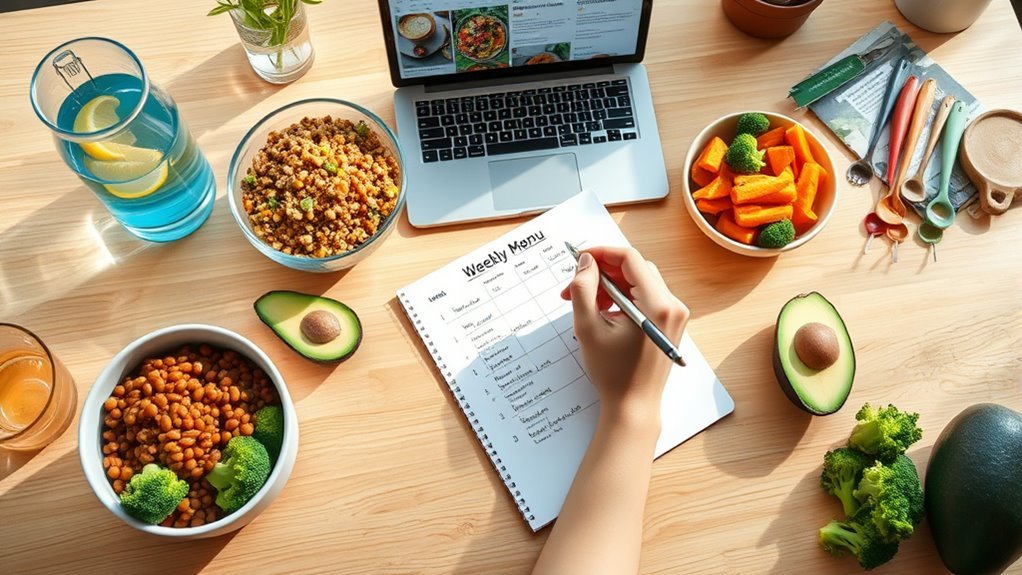
Although meat often takes center stage in meals, choosing meatless dishes can greatly lower your LDL cholesterol. By incorporating plant-based proteins like beans, lentils, and vegetables, you reduce saturated fat intake while boosting fiber, which helps lower cholesterol.
Meatless meals such as eggplant lasagna or portobello mushroom burgers offer satisfying flavors without the added cholesterol found in meat. You can also try vegetable casseroles and bean stews for nutrient-rich options that support heart health.
Replacing meat with legumes and vegetables several times a week improves your overall diet quality and encourages better cholesterol levels. Experiment with different plant-based ingredients in your favorite recipes to create meals that are both delicious and heart-friendly.
Embracing meatless meals not only helps you lower cholesterol but also enhances your nutrient intake, making it a smart choice for long-term health.
Add Omega-3 Rich Fish to Your Diet
When you include oily fish like salmon, mackerel, sardines, and trout in your meals at least twice a week, you boost your intake of heart-healthy omega-3 fatty acids. These nutrients play a vital role in lowering LDL cholesterol and triglycerides, markedly benefiting your heart health.
To maximize omega-3 benefits, follow these tips:
- Choose baking, broiling, grilling, or boiling methods instead of frying or breading to preserve omega-3 content.
- Add shellfish such as shrimp, crab, and lobster as low-saturated-fat alternatives to red meat for variety.
- Incorporate fortified foods like omega-3-enriched eggs, yogurt, and milk when fish consumption is limited.
- Plan your meals to include fish at least twice weekly, ensuring consistent omega-3 intake for sustained heart health.
Cook Vegetables Using Healthy Fats and Flavors
To keep your vegetables both flavorful and heart-healthy, cook them with small amounts of liquid vegetable oils or water instead of solid fats like butter. Using vegetable oils such as canola, olive, safflower, sunflower, or soybean oil adds healthy fats without raising LDL cholesterol. You can also try vegetable oil sprays to reduce saturated fat intake while still preventing sticking.
Enhance your vegetables’ taste by adding herbs and spices like rosemary, oregano, dill, and basil. These natural flavor boosters let you cut back on salt and unhealthy fats. Start with small amounts of herbs and spices, then adjust to suit your palate.
Experiment with different cooking methods such as steaming, sautéing with a bit of vegetable oil, or roasting with herbs and spices. These approaches help retain nutrients and make veggies delicious without relying on butter or margarine. By focusing on healthy fats and bold flavors, you’ll enjoy heart-friendly meals that support lowering LDL cholesterol.
Swap High-Fat Dairy for Low-Fat Alternatives
Choosing low-fat dairy options can markedly reduce your intake of saturated fats. This helps lower LDL cholesterol levels. Swapping full-fat dairy for low-fat dairy alternatives is a simple yet effective step in your meal plan.
Here’s how you can make smart choices:
- Replace whole milk with skim or 1% low-fat milk to cut saturated fat without losing calcium.
- Choose low-fat or fat-free cheese, like mozzarella or ricotta, to minimize saturated fat intake.
- Opt for nonfat Greek yogurt instead of full-fat versions for a protein boost without added saturated fat.
- Use low-fat or nonfat dairy spreads and creams in recipes to maintain heart-healthy fat consumption.
Be sure to read nutrition labels, aiming for dairy products with less than 3 grams of saturated fat per serving. By making these swaps, you’ll actively reduce LDL cholesterol and support better heart health.
Include Whole Grains and Fresh Vegetables Daily
Including whole grains and fresh vegetables daily boosts your intake of soluble fiber and antioxidants, which work together to lower LDL cholesterol and support heart health. You can easily incorporate whole grains like oats, brown rice, and barley into every meal to increase your soluble fiber intake. This fiber forms a gel in your gut that binds cholesterol, helping to reduce LDL cholesterol levels.
Make fresh vegetables such as spinach, peppers, cucumbers, and carrots a staple in your diet. Using them as main ingredients in salads, stir-fries, or soups naturally increases your fiber and nutrient intake. Aim to fill at least half your plate with colorful fresh vegetables to maximize fiber and heart-healthy phytochemicals.
Also, swap refined grains for whole grain alternatives whenever possible. This simple change enhances your fiber consumption, further supporting the reduction of LDL cholesterol and promoting overall cardiovascular health.
Control Portion Sizes and Meal Times
You can lower your LDL cholesterol by managing your portion sizes and sticking to regular meal times. When you eat smaller, consistent meals throughout the day, it helps prevent overeating and keeps your metabolism steady.
Plus, using tools like measuring cups can make portion control a lot easier and more accurate. It’s a simple way to stay on track without feeling overwhelmed.
Manage Portion Control
When you control portion sizes and stick to regular meal times, you’ll naturally reduce your calorie intake, helping to lower LDL cholesterol levels. Managing portion control is key to healthy eating and maintaining a heart-healthy lifestyle.
To do this effectively:
- Use smaller plates and measure serving sizes to avoid overeating.
- Eat smaller, more frequent meals to stabilize blood sugar and curb hunger.
- Set specific meal times to regulate hunger cues and prevent impulsive eating.
- Listen to your body’s hunger and fullness signals to practice mindful eating.
Schedule Consistent Meals
Controlling portion sizes works best when paired with a consistent meal schedule. Sticking to regular meal times helps regulate blood sugar and cholesterol levels, making it easier to manage LDL cholesterol.
When you schedule your meals and snacks, you prevent overeating and reduce cravings, supporting portion control and a heart-healthy diet. Consistency also stabilizes your metabolism and energy, helping you avoid impulsive, unhealthy food choices.
| Benefit | Why It Matters |
|---|---|
| Regular meal times | Regulate blood sugar and cholesterol |
| Portion control | Prevent overeating |
| Meal scheduling | Reduce cravings |
| Consistent metabolism | Steady energy levels |
| Planned meals | Balanced intake for LDL management |
A planned schedule with portion control helps you stay on track and lower LDL cholesterol effectively.
Track Your Progress and Adjust Your Meal Plan
Although creating a meal plan is a crucial first step, regularly tracking your progress guarantees it effectively lowers your LDL cholesterol. To confirm your plan works, you need to monitor key factors and adjust as necessary.
Here’s how to stay on top of your progress:
- Track your daily food intake, focusing on fiber, saturated fat, and cholesterol levels to spot areas for improvement.
- Monitor your LDL cholesterol through follow-up blood tests to see how your body responds.
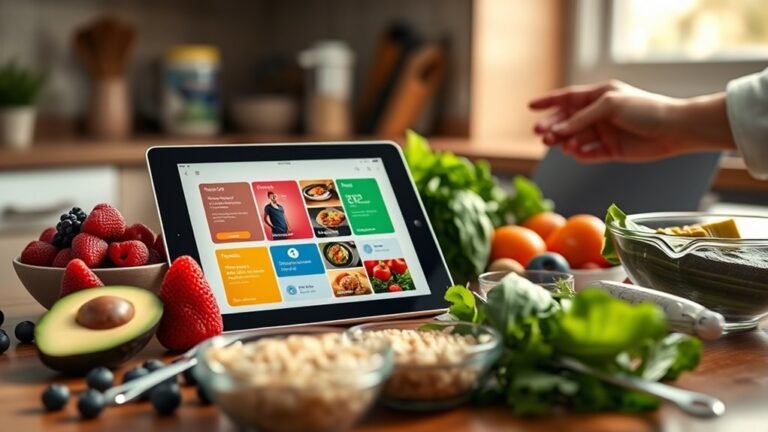
- Use consistent logs or measurement tools to compare changes over time and identify the most effective dietary adjustments.
- Adjust portion sizes, food choices, or meal frequency based on your tracked data and test results.
Don’t forget to consult your healthcare professional regularly. They can help interpret your progress and guide necessary modifications, ensuring your meal plan stays aligned with your cholesterol-lowering goals.
Frequently Asked Questions
How Often Should I Get My Cholesterol Levels Tested?
You should get your cholesterol testing frequency based on your risk factors. Generally, every 4-6 years is fine if you’re healthy.
However, if you have a family history or risk assessment methods highlight concerns, test more often. Blood test accuracy is essential, so use reputable labs.
For those testing for familial hypercholesterolemia, your doctor might recommend even earlier and more frequent checks to manage your health proactively.
Can Exercise Alone Significantly Lower LDL Cholesterol?
You can lower your LDL cholesterol by about 5-10% with regular exercise alone. Exercise benefits your heart health by boosting HDL (good cholesterol) and improving cholesterol reduction overall.
Physical activity like brisk walking, cycling, or swimming helps clear LDL from your bloodstream. Still, exercise works best combined with a healthy diet and lifestyle changes, so don’t rely on it as the only method to manage your cholesterol effectively.
Are Cholesterol-Lowering Supplements Effective and Safe?
Yes, cholesterol-lowering supplements can be effective, but you need to prioritize supplement safety. Herbal remedies like garlic or red yeast rice offer natural alternatives, but you should follow dosage guidelines carefully to avoid side effects.
Always consult your healthcare provider before starting any supplement, especially if you’re on medications. This way, you’ll guarantee the supplements work well for you without causing harm.
How Do Stress and Sleep Affect Cholesterol Levels?
Stress and poor sleep quality can both raise your LDL cholesterol levels by triggering inflammation and hormone imbalances. When you manage stress effectively, your body stays calmer, reducing cholesterol production.
Getting good sleep supports your liver’s ability to process cholesterol properly. Prioritizing stress management techniques like meditation and improving sleep quality through a consistent bedtime routine can help keep your cholesterol in check and promote overall heart health.
Is It Necessary to Avoid All Dietary Cholesterol Completely?
You don’t have to avoid all dietary cholesterol completely. Moderate eggs consumption is generally fine for most people, and dairy intake can be healthy if you choose low-fat options.
Shellfish effects on cholesterol are minimal when eaten in moderation. Instead, focus on limiting processed foods, which often raise LDL cholesterol. Balancing these foods thoughtfully helps you manage cholesterol without strict avoidance.
Conclusion
Think of lowering your LDL cholesterol like tending a garden: every healthy meal you plant helps your heart flourish. Just as one gardener turned her diet around and saw her cholesterol drop 20 points in three months, you can too by choosing fiber-rich foods, lean proteins, and whole grains.
Stick to your plan, adjust as needed, and watch your heart thrive. Small, consistent changes make a big difference in your heart’s health journey.