Does Cabbage Have Nutritional Value?
Yes, cabbage packs a serious nutritional punch you’ll want in your diet. It’s loaded with vitamins C and K, folate, fiber, and minerals like potassium and calcium.
These nutrients boost your immune system, support digestion, and help keep your heart and bones healthy.
You’ll also get antioxidants that fight inflammation.
Just be mindful of potential gas or interactions if you take blood thinners.
Keep exploring to uncover the full range of benefits and simple ways to enjoy it.
What’s Cabbage and Why It’s Good for You
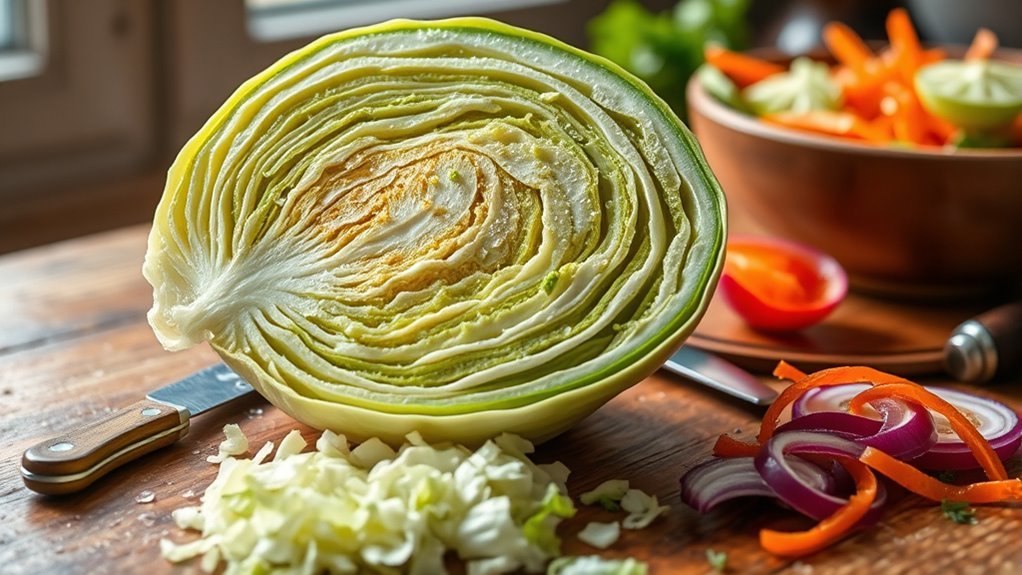
What makes cabbage such a valuable addition to your diet? This leafy green vegetable, a staple for nearly 2,000 years, belongs to the cruciferous vegetables family, known for its powerful nutritional benefits.
Cabbage isn’t just versatile and affordable; it’s packed with antioxidants and vitamins that help keep you healthy. Whether you enjoy it raw, cooked, or fermented, cabbage delivers a wealth of nutrients that support your well-being.
Cabbage offers versatile, affordable nutrition packed with antioxidants and vitamins to support your health in every meal.
Its different varieties, like green, purple, white, and red, each bring unique vitamins and antioxidants to the table. They enhance your meals with color and health benefits.
Adding cabbage to your diet means you’re fueling your body with a nutrient-dense food that boosts your immune system and promotes overall health. You’ll appreciate how this cruciferous vegetable fits easily into your meals while giving you a natural source of essential nutrients, making it a smart and tasty choice for a balanced diet.
Key Vitamins and Minerals in Cabbage
You’ll find that cabbage packs a powerful punch of essential vitamins like K, C, and folate. These nutrients play key roles in blood health and immune support. And that’s not all—cabbage also offers important minerals such as potassium, calcium, and magnesium. These help keep your body balanced and functioning smoothly.
Essential Vitamins Overview
How does cabbage pack such a nutritional punch? It’s loaded with essential vitamins that support your overall health. When you include cabbage in your diet, you tap into a rich source of nutrients that work together to keep your body functioning well.
Here are four key vitamins in cabbage:
- Vitamin C provides about 36% of your daily value per cup, boosting your immune system.
- Vitamin K offers roughly 85% of the recommended intake, which is vital for blood clotting and bone health.
- Folate gives around 10% of the daily value, and it’s important for cell growth and development.
- B vitamins include vitamin B6, thiamin, riboflavin, and niacin in smaller amounts, supporting energy metabolism.
These essential vitamins make cabbage a nutrient-rich choice for your meals.
Key Mineral Contributions
Along with the impressive vitamin content, cabbage offers a variety of minerals that play important roles in your health. It contains potassium, which helps regulate your blood pressure and supports proper muscle function.
You’ll also find calcium and magnesium in cabbage, both essential for maintaining strong bones and overall bone health. Furthermore, cabbage provides folate, a crucial nutrient that aids in cell growth and healthy fetal development.
These minerals, combined with the abundant vitamins in cabbage, make it a powerful vegetable for your diet. By including cabbage in your meals, you’re not only boosting your intake of key vitamins but also ensuring you get important minerals that support heart health, metabolism, and bone strength.
How Cabbage Supports Your Immune System
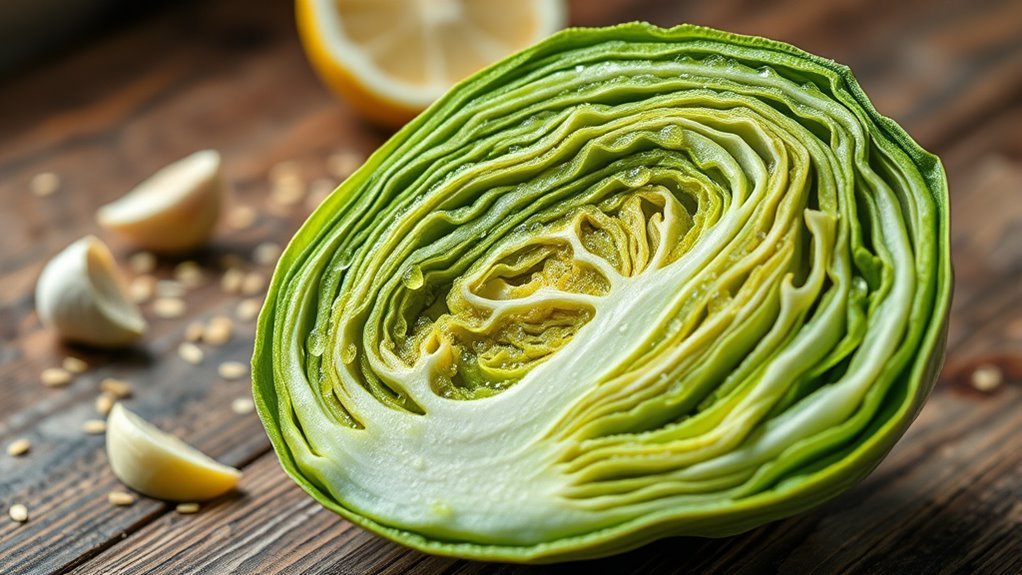
Because cabbage is packed with essential vitamins and antioxidants, it plays a powerful role in strengthening your immune system. When you include cabbage in your diet, you give your body key nutrients that enhance immune health and reduce inflammation.
Here’s how cabbage supports your immune system:
- It delivers a rich dose of vitamin C, providing 36% of your daily value per cup, which boosts your immune function.
- The antioxidants, like sulforaphane and kaempferol, help combat inflammation and protect your cells.
- Phytochemicals in cabbage stimulate immune cells, improving your body’s defense against infections.
- High vitamin K levels contribute to immune regulation and overall immune system strength.
Fiber Benefits for Digestion From Cabbage
While many people focus on cabbage’s vitamins, its fiber content plays an essential role in keeping your digestive system healthy. Cabbage is packed with insoluble fiber, which adds bulk to your stool and helps you maintain a regular bowel routine. This type of fiber moves through your digestive tract, promoting gut motility and preventing constipation.
Additionally, cabbage contains soluble fiber that supports beneficial gut bacteria. These friendly microbes help break down food and improve nutrient absorption, enhancing your overall gut health. Eating cabbage regularly can keep your digestive system running smoothly and reduce discomfort related to irregular digestion.
If you enjoy fermented cabbage products like kimchi or sauerkraut, you get an extra boost for your gut health through probiotics, which further aid digestion. Including cabbage in your diet means you’re actively supporting a balanced digestive system, promoting regular bowel movements, and preventing common digestive issues.
Antioxidants in Cabbage That Fight Inflammation
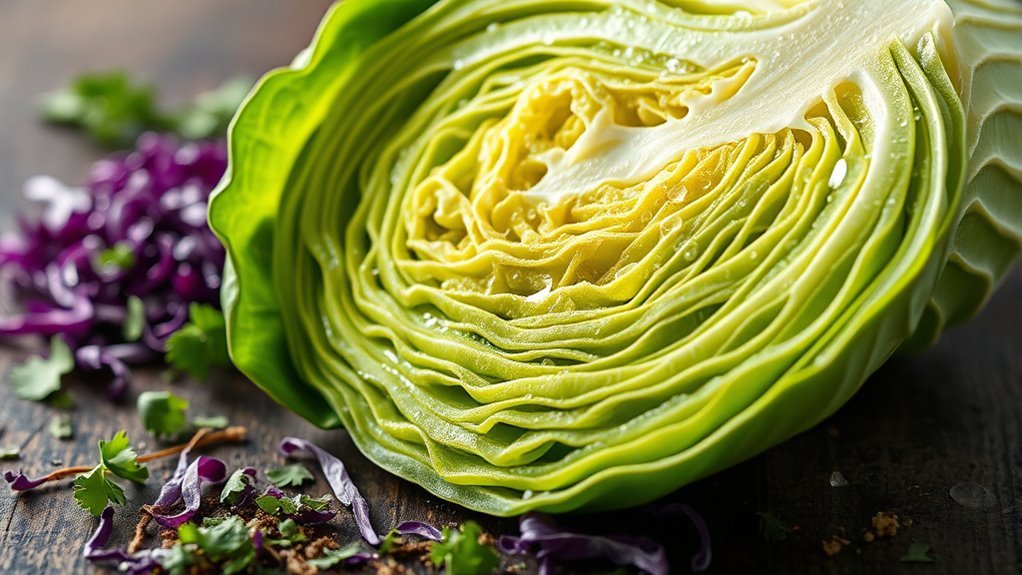
If you want to reduce inflammation naturally, adding cabbage to your diet can help. This vegetable is packed with antioxidants and phytochemicals that fight inflammation effectively. Red cabbage, in particular, contains high levels of anthocyanins, the compounds responsible for its vibrant purple color and strong anti-inflammatory properties.
Adding cabbage, especially red cabbage rich in anthocyanins, can naturally reduce inflammation with powerful antioxidants.
Here’s how cabbage works against inflammation:
- Antioxidants like anthocyanins neutralize free radicals, which cause inflammation and tissue damage.
- Phytochemicals such as kaempferol inhibit inflammatory pathways, reducing chronic swelling.
- Regular cabbage consumption lowers markers of inflammation in both animals and humans.
- These anti-inflammatory compounds help protect your body from persistent inflammation-related issues.
How Cabbage Supports Heart Health and Lowers Cholesterol
You’ll find that cabbage’s antioxidants are great for protecting your heart because they help reduce inflammation and improve how your blood vessels work. Plus, the soluble fiber in cabbage helps lower LDL cholesterol by blocking its absorption in your gut. So, adding cabbage to your diet is a smart and natural way to support heart health and keep your cholesterol levels in check.
Antioxidants and Heart Protection
Because cabbage is rich in antioxidants like anthocyanins and kaempferol, it plays a powerful role in supporting your heart health. These compounds reduce inflammation and protect your cardiovascular system.
Anthocyanins, especially abundant in red cabbage, help lower LDL cholesterol and blood pressure, key factors in preventing heart disease. Moreover, phytochemicals in cabbage shield your arteries from damage.
Here’s how cabbage benefits your heart:
- Antioxidants combat oxidative stress, reducing inflammation.
- Anthocyanins lower LDL cholesterol and blood pressure.
- Kaempferol supports cardiovascular health by protecting blood vessels.
- Phytochemicals protect arteries, decreasing heart attack risk.
Including cabbage in your diet delivers these heart-protective antioxidants, helping you maintain a healthier cardiovascular system.
Fiber’s Role in Cholesterol
Alongside antioxidants, the fiber in cabbage plays a significant role in supporting your heart health by managing cholesterol levels. The soluble fiber in cabbage binds to cholesterol in your digestive system, preventing it from entering your bloodstream. This action helps lower LDL, the “bad” cholesterol that contributes to arterial plaque buildup.
By regularly including cabbage in your diet, you provide your body with valuable dietary fiber, about 2 grams per two-cup serving, that supports healthy blood lipid profiles. Furthermore, cabbage’s natural phytosterols work alongside fiber to enhance cholesterol management.
Together, these components make cabbage a heart-healthy choice, reducing your risk of cardiovascular disease. Incorporating cabbage into your meals is a simple step toward better cholesterol control and overall heart health.
Vitamin K and Bone Strength Benefits From Cabbage
While many vegetables offer health benefits, cabbage stands out as an excellent source of vitamin K, providing about 85% of your daily recommended intake per cup. This nutrient is crucial for bone health because it activates proteins that help mineralize bones and reduce the risk of osteoporosis.
Cabbage provides 85% of your daily vitamin K, vital for bone mineralization and osteoporosis prevention.
By eating cabbage regularly, you support your bone density and overall bone strength, especially if you’re concerned about calcium absorption or bone loss.
Here’s why cabbage’s vitamin K matters:
- Activates proteins essential for calcium binding in bones.
- Helps prevent osteoporosis by maintaining bone density.
- Supports bone healing through blood clotting functions.
- Reduces fracture risk by strengthening the skeletal structure.
Including cabbage in your diet is a simple, effective way to boost bone health and keep your bones strong and resilient.
Side Effects to Know When Eating Cabbage
Cabbage offers impressive benefits for bone health, but it’s important to be aware of some potential side effects when adding it to your diet. Eating large amounts of cabbage can cause gas, bloating, and other gastrointestinal discomfort, especially if your digestive system is sensitive.
This happens because cabbage contains fiber and sulfur compounds that may suddenly overwhelm your digestive tract. If you have thyroid issues, you should be cautious since cabbage contains goitrogens that can interfere with thyroid hormone production.
Furthermore, the high vitamin K content in cabbage might affect medication like blood thinners, including Warfarin. To avoid these side effects, introduce cabbage gradually into your meals and monitor how your body reacts.
If you’re on medication or have a thyroid condition, consult your healthcare provider before considerably increasing your cabbage intake. Being mindful of these points will help you enjoy cabbage’s benefits without unwanted digestive or medication-related complications.
Cabbage Types and Nutritional Differences
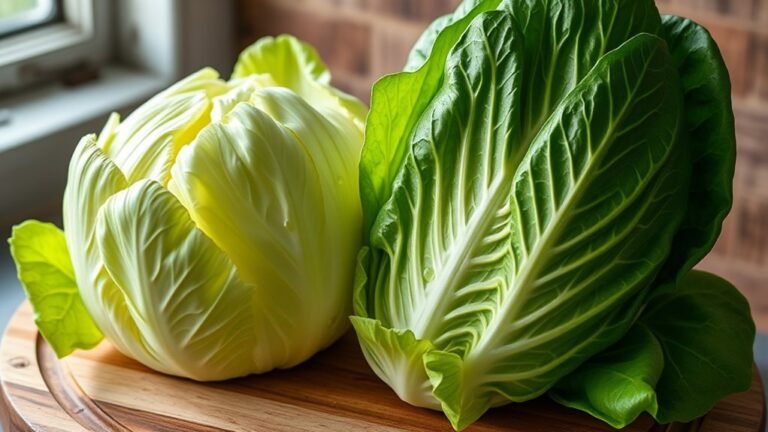
You’ll find green, red, and savoy cabbages each bring something different to the table when it comes to nutrients. For instance, red cabbage is great because it packs more vitamin C and antioxidants. On the other hand, savoy cabbage shines with its vitamin A, calcium, and iron. Meanwhile, green cabbage is your go-to for supporting bone health and digestion, thanks to its vitamin K and fiber content. So, depending on what your body needs, each type has its own unique benefits.
Common Cabbage Varieties
How do different types of cabbage stack up nutritionally? When exploring common cabbage varieties, you’ll find each offers unique nutrients and vitamins that contribute to your health. Here’s a quick look:
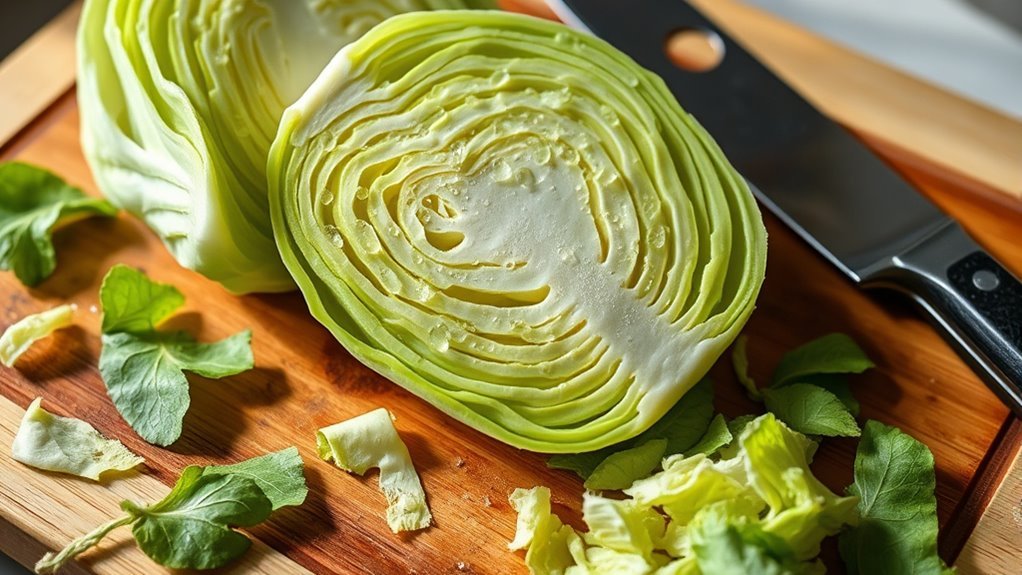
- Green cabbage is the most common, packed with vitamins C and K, and has a mild, crunchy texture.
- Red cabbage stands out with higher antioxidants, especially anthocyanins, which support heart health.
- Savoy cabbage offers crinkled leaves and a sweeter taste, rich in vitamin A, calcium, iron, and potassium.
- White cabbage, often used in sauerkraut, provides vitamin C but fewer antioxidants than red or purple types.
Different cabbage varieties vary in nutritional content, so including a mix can boost your intake of vitamins and antioxidants effectively.
Nutrient Profiles Compared
Although all cabbage varieties share a low calorie and fat content, they differ markedly in their nutrient profiles. When you choose green cabbage, you get high levels of vitamins C and K, essential for immune function and blood clotting.
Purple cabbage stands out with even more vitamin C and anthocyanins, powerful phytochemicals that give it its rich color and antioxidant benefits.
If you want vitamin A, along with calcium, iron, and potassium, savoy cabbage is your best bet. These differences arise from their unique colors and varieties, which influence the presence of specific vitamins and minerals.
Easy and Delicious Ways to Add Cabbage to Your Diet
Looking for simple ways to boost your meals with nutrition? Cabbage offers a versatile, healthy option packed with vitamins and minerals. Whether you enjoy it raw or cooked, its nutritional value shines through.
Here are four easy and delicious ways to add cabbage to your diet:
- Toss raw cabbage into salads for a crunchy texture and a vitamin C boost. Just one cup provides 54% of your daily needs.
- Add cooked cabbage to soups and stews to increase fiber intake, supporting digestion and heart health.
- Make coleslaw or kimchi with shredded cabbage to enjoy fermented foods that promote gut bacteria and improve nutrient absorption.
- Include sliced cabbage in stir-fries or use it as low-calorie wraps. This delivers antioxidants and enhances flavor.
Incorporating cabbage into your meals this way guarantees you reap its fiber, antioxidants, and overall nutritional benefits effortlessly.
Why Choose Cabbage Among Cruciferous Vegetables?
When you choose cabbage among cruciferous vegetables, you get a nutrient-dense option packed with vitamins C and K that support your overall health. Cabbage stands out for its unique phytochemicals like sulforaphane and kaempferol, which offer powerful anti-inflammatory and cancer-fighting health benefits.
Unlike some cruciferous vegetables, cabbage comes in various colors and varieties, each bringing different antioxidants and nutrients to your diet. Its high dietary fiber content aids digestion and helps with weight management, while its low-calorie nature fits well into any meal plan.
Plus, cabbage is more affordable and widely accessible, making it easy to include regularly in your meals. Whether raw, cooked, or fermented, cabbage offers versatility without sacrificing nutritional value.
Choosing cabbage means you’re getting a well-rounded mix of essential vitamins, antioxidants, and phytochemicals that work together to boost your health efficiently.
Frequently Asked Questions
Can Cabbage Help With Weight Loss?
Yes, cabbage can help with weight loss because its low calorie count and high fiber content make it excellent for appetite suppression. When you eat cabbage, the dietary fiber promotes fullness, reducing your overall calorie intake.
Its nutrient density supports your metabolism, giving you a subtle metabolic boost. Including cabbage in your meals aids weight management by helping you feel satisfied longer and preventing overeating, making it a smart choice for sustainable weight loss.
Is Cabbage Safe for People With Thyroid Issues?
Yes, you can eat cabbage if you have thyroid issues, but you should be careful. Cabbage contains goitrogenic compounds that might affect thyroid hormone production by interfering with iodine absorption.
Cooking cabbage lowers these compounds, making it safer. If you have autoimmune thyroid problems or take thyroid medication, moderate your intake of cruciferous vegetables and consult your doctor to guarantee proper hormone regulation and avoid complications.
How Should Cabbage Be Stored to Maintain Nutrients?
Don’t just toss cabbage in the fridge; store it right to preserve nutrients. Use refrigeration methods with an ideal temperature around 32°F to 40°F, and avoid airtight storage that traps moisture.
Instead, wrap it loosely in plastic or use a perforated storage container to control moisture and prevent spoilage. Follow storage duration tips by using cabbage within one to two weeks for the best nutrient preservation.
Keep it away from ethylene-producing fruits to maintain freshness.
Does Cooking Cabbage Reduce Its Nutritional Value?
Yes, cooking cabbage can reduce its nutritional value, but it depends on your cooking methods. Boiling causes significant nutrient loss because vitamins leach into the water, while steaming helps with better nutrient retention.
If you want to keep most nutrients, consider steaming or eating cabbage raw. Cooking may also cause flavor changes, making it milder or sweeter, but quick, gentle cooking preserves both nutrients and taste effectively.
Can Cabbage Cause Gas or Bloating?
Think of cabbage like a double-edged sword for your gut health. It’s packed with dietary fiber, which is great, but it can also spark digestive discomfort.
The flatulence causes stem from cabbage fermentation in your gut, producing gas symptoms that lead to bloating triggers. If you’re sensitive or new to eating it, these effects might hit harder. Gradually building your intake helps your system adjust and eases those unwelcome bloating episodes.
Conclusion
So, you’re thinking cabbage is just a boring veggie that’s only good for making your breath interesting? Think again. This leafy powerhouse sneaks in vitamins, fiber, and antioxidants like a nutritional ninja.
Sure, it might cause some gas, but hey, who doesn’t enjoy a little unexpected symphony now and then? Next time you pass on cabbage, remember: your body could be throwing a party without you. Don’t be the guest who misses out on the fun!