How to Make Pizza a Balanced Meal
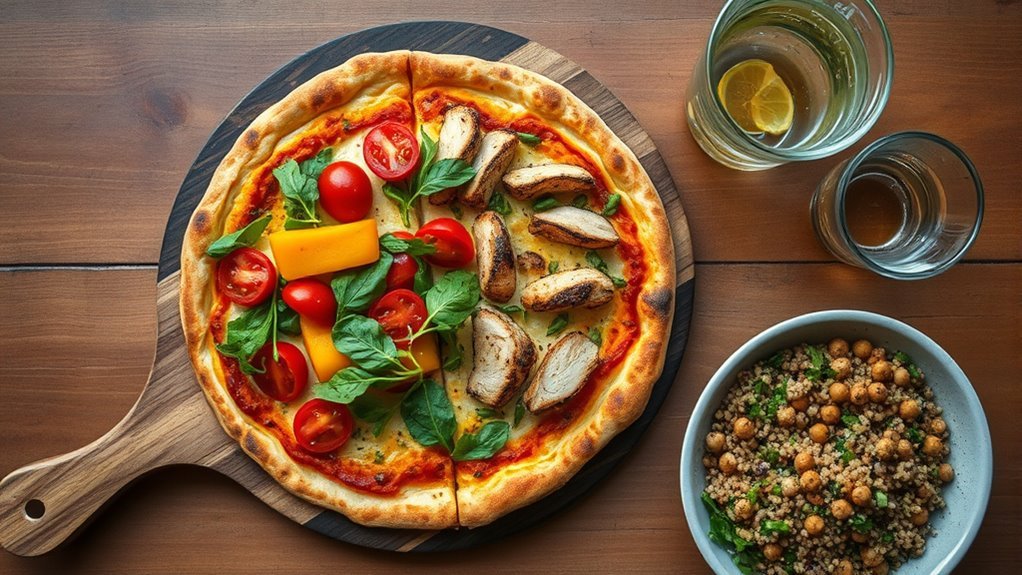
To make pizza a balanced meal, start with a whole-wheat or vegetable-based thin crust to boost fiber and nutrients.
Use low-sodium tomato sauce and sprinkle low-fat cheese lightly.
Load up on colorful veggies and add lean proteins like grilled chicken or plant-based options.
Pair your pizza with a crisp salad or fresh fruit, and sip water or herbal tea mindfully.
These steps help you enjoy a delicious, satisfying meal that supports your health.
Keep exploring for tips to elevate your pizza even further.
How to Build a Balanced and Healthy Pizza
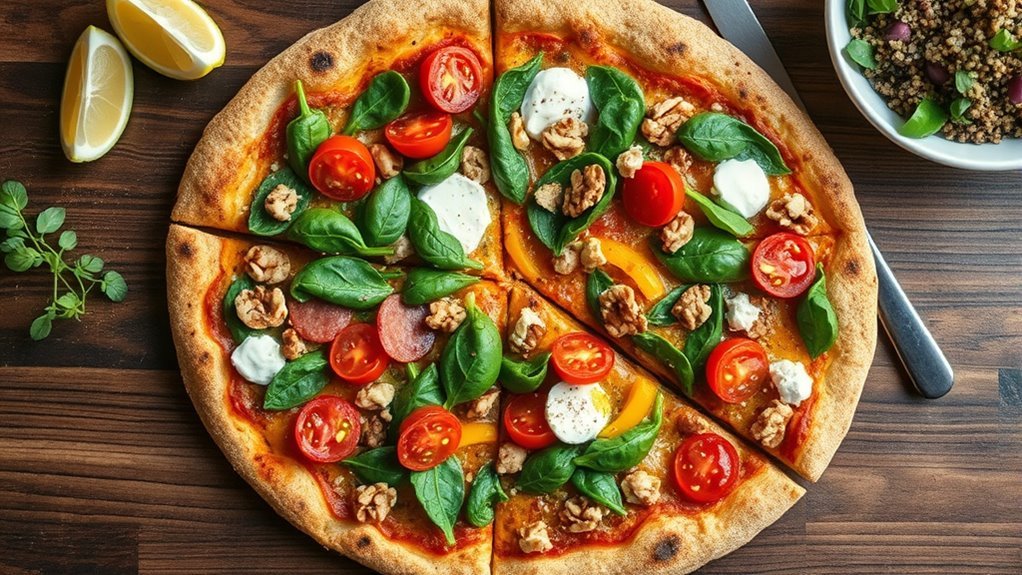
When you build a balanced and healthy pizza, focus on incorporating a variety of colorful vegetables like peppers, spinach, and tomatoes to boost fiber, vitamins, and minerals. Start with a whole-grain crust to increase dietary fiber and support digestion.
Incorporate colorful vegetables and choose whole-grain crusts to enhance fiber, vitamins, and digestion in your pizza.
Next, choose healthy toppings such as lean protein, like grilled chicken, seafood, or plant-based options like tofu. These provide essential nutrients without excess saturated fat. Add fresh mozzarella in moderate amounts to keep calcium and protein levels up while limiting saturated fat.
Vegetables should take center stage, not just as garnish but as main toppings, to enhance both flavor and nutrition. By balancing lean protein, moderate cheese, and plenty of vegetables on your pizza, you create a meal that satisfies hunger and nourishes your body.
This approach helps you enjoy pizza without compromising your health goals, making it a truly balanced and wholesome option every time.
Choose a Healthy Pizza Crust
How do you pick a pizza crust that supports your health goals? The crust forms the base of your pizza, so choosing wisely boosts both fiber and nutrition. Here are four healthy options to contemplate:
- Go for whole-wheat or spelt crusts. They pack more fiber and nutrients than traditional white flour.
- Try vegetable-based crusts like cauliflower to cut carbs and sneak in extra veggies.
- Choose thin crusts to reduce calories and sodium without sacrificing texture.
- Avoid store-bought crusts with hydrogenated oils and preservatives. Instead, opt for homemade or carefully selected healthy options.
Choose Tomato-Based Pizza Sauces
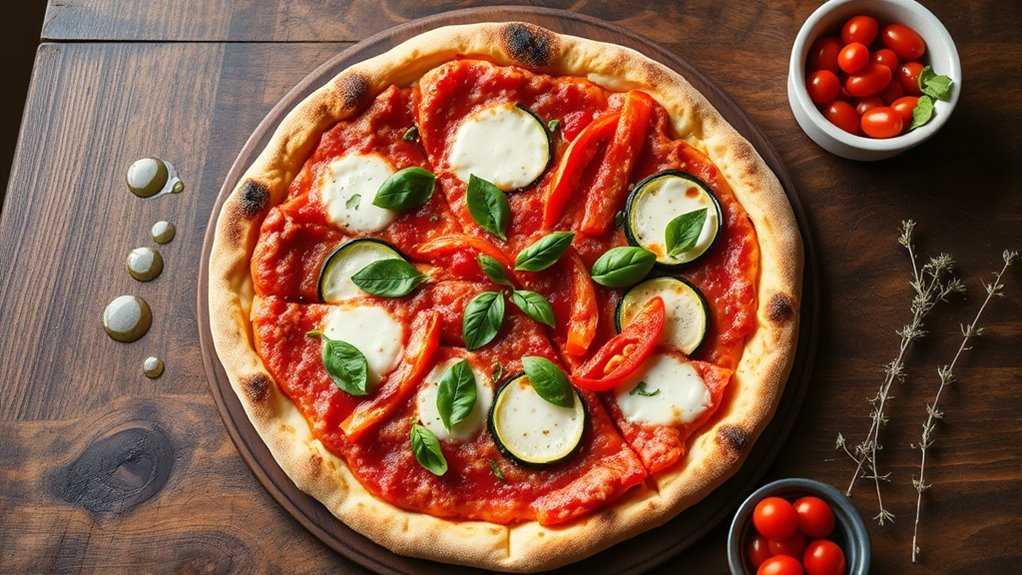
Since the sauce covers the crust, choosing a tomato-based option boosts your pizza’s nutrition with vitamins A and C, plus lycopene, a powerful antioxidant linked to heart health and cancer prevention. Opt for no-salt-added or low-sodium tomato sauce to keep your sodium intake in check without sacrificing flavor or nutrients.
Homemade or organic tomato sauces usually have fewer added sugars and preservatives, making them a healthier choice. To enhance both taste and health benefits, add herbs like garlic, oregano, and basil to your sauce. These herbs not only bring vibrant flavors but also contribute antioxidants and anti-inflammatory properties.
Use Cheese Wisely for Better Nutrition
After choosing a wholesome tomato-based sauce, it’s important to pay attention to the cheese you use. Cheese can add flavor and nutrients, but you want to avoid excess saturated fat and calories. Here’s how to use cheese wisely for better nutrition:
- Opt for low-fat cheese or part-skim varieties to reduce saturated fat while still getting calcium and protein.
- Practice portion control by spreading a thin layer of cheese or using smaller amounts to keep calories and sodium in check.
- Try alternatives like nutritional yeast, which adds cheesy flavor and nutrients without saturated fat or processed cheese additives.
- Pair cheese with plenty of vegetable toppings to boost taste and nutrition, letting you use less cheese overall.
Also, choose natural, minimally processed cheeses over highly processed cheese products. This helps you avoid unhealthy fats and additives, including those lacking beneficial monounsaturated fat. Using cheese wisely keeps your pizza balanced and satisfying.
Load Up on Veggies for Nutrients
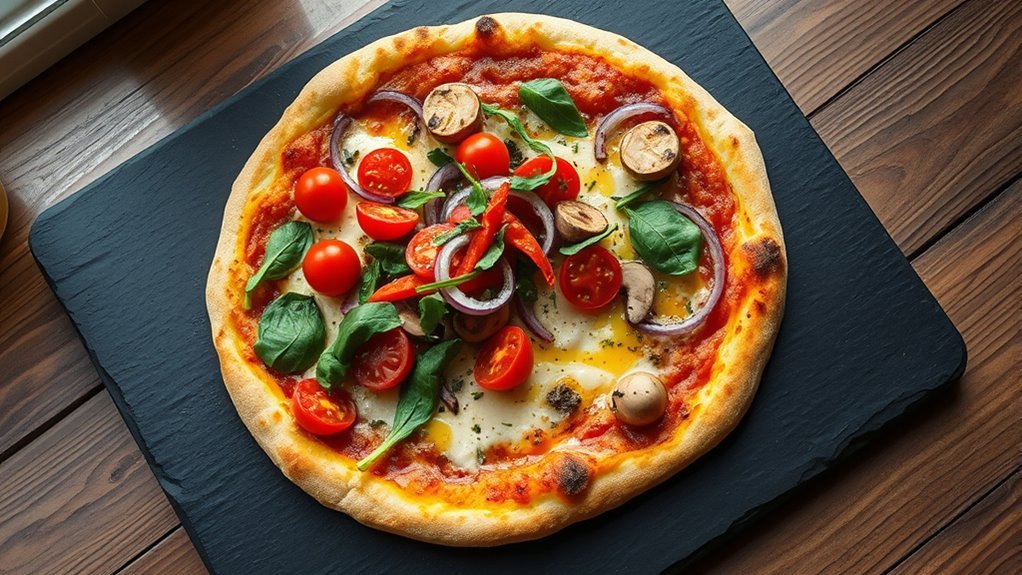
When you load your pizza with a variety of vegetables, you boost its fiber, vitamins, and minerals, making each slice more nourishing. Vegetables like tomatoes, bell peppers, and mushrooms add valuable nutrition without piling on calories. For example, bell peppers provide over 150% of your daily vitamin C needs per 100 grams, strengthening your immune system.
Including leafy greens such as spinach or arugula further enriches your pizza with vitamins A, K, and calcium, supporting bone health and overall wellness. Besides enhancing flavor and texture, vegetables increase fiber content, which helps keep you full longer and supports digestion. Their high water content also contributes to a satisfying, low-calorie meal.
Add Lean Proteins to Your Pizza
You can boost your pizza’s nutrition by choosing lean protein sources like grilled chicken, turkey, or plant-based options. And it’s a good idea to try to limit processed meats like pepperoni since they’re high in sodium and saturated fat. This simple swap helps keep your pizza balanced and heart-healthy.
Choose Lean Protein Sources
Although pizza is often seen as an indulgent treat, choosing lean protein toppings can transform it into a balanced meal. Lean protein options like grilled chicken or turkey breast boost protein without adding much saturated fat or sodium. You can also try plant-based proteins such as tofu or beans to keep things vegetarian and light.
Here’s how to choose lean protein sources for your pizza:
- Pick grilled chicken for a flavorful, low-fat protein boost.
- Opt for turkey breast to keep sodium and saturated fat low.
- Add plant-based proteins like tofu or beans to increase protein and fiber.
- Avoid heavy, fatty meats to maintain a balanced meal with essential amino acids.
This approach helps you enjoy pizza while supporting muscle repair and sustained energy.
Limit Processed Meats
Choosing lean protein toppings on your pizza can considerably improve its nutritional profile, especially when you limit processed meats. Processed meats like pepperoni, sausage, and ham are loaded with saturated fat and sodium, increasing your risk of heart disease.
A single slice with these toppings can contain over 8 grams of saturated fat and nearly 900 mg of sodium, surpassing daily limits. Instead, opt for lean proteins such as grilled chicken, shrimp, or plant-based alternatives.
These choices provide essential nutrition and protein without harmful additives or preservatives. Pairing lean proteins with fresh vegetables not only boosts flavor but also makes your pizza more balanced and better suited for a heart-healthy diet.
Try Healthy Pizza Crust and Topping Alternatives
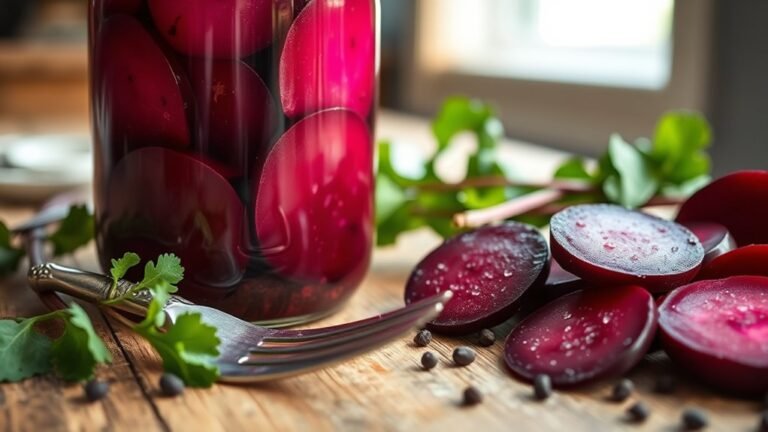
When you swap traditional pizza crusts for whole-wheat, cauliflower, or veggie-based options like beet or spinach, you boost your meal’s fiber, nutrients, and antioxidants while cutting down on refined carbs. Choosing whole grain or veggie-based crusts supports digestive health and adds nutrient-dense benefits to your pizza.
Here’s how to make smarter crust and topping choices:
- Opt for thin, homemade crusts to reduce calories and avoid hydrogenated oils found in many pre-made options.
- Use cauliflower or spinach crusts for a lower-carb, antioxidant-rich base.
- Load your pizza with healthy toppings like fresh veggies, lean proteins, and moderate cheese portions.
- Practice portion control by limiting slice size and balancing your meal with nutrient-packed ingredients.
Add Healthy Sides and Drinks and Practice Mindful Eating
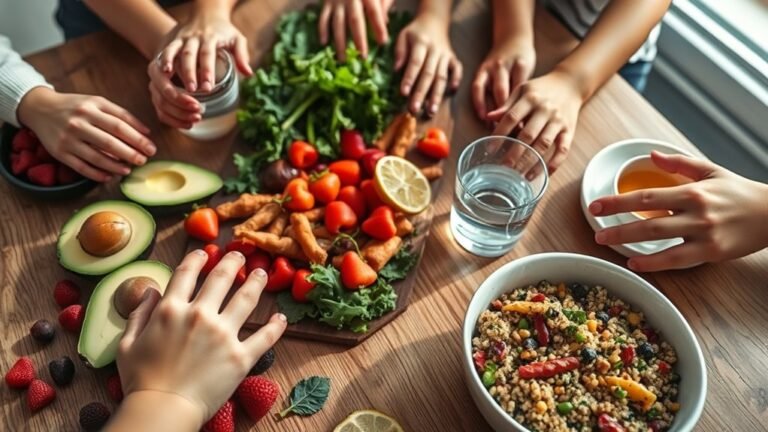
To make your pizza meal more balanced, why not add a side salad or some steamed veggies? They give you extra fiber and nutrients that your body will thank you for.
Also, instead of reaching for sugary sodas, try water infused with lemon or fresh herbs. It’s a great way to stay hydrated without piling on extra calories.
And here’s a tip: eat slowly and really pay attention to how full you feel. This mindful eating habit helps you enjoy your meal more and prevents overeating.
Nutritious Side Dish Ideas
Adding nutritious sides and drinks can transform your pizza night into a more balanced meal. Here are some smart side dish ideas to boost nutrition and flavor:
- Serve a crisp side salad or steamed vegetables to add up to 4 grams of fiber per serving, aiding digestion.
- Include fresh fruit like apple slices or berries for natural sweetness and antioxidants.
- Add nutrient-dense sides such as Greek yogurt topped with nuts or hummus with veggie sticks to increase protein and healthy fats.
- Practice mindful eating by savoring each bite slowly, which helps control portions and improves digestion.
These simple additions not only complement your pizza but also enhance the overall nutrient profile, making your meal both satisfying and wholesome.
Healthy Beverage Pairings
Pairing your pizza with the right beverages can make a big difference in keeping your meal balanced and enjoyable. Choose healthy beverages like water flavored with fruit or herbal teas to stay hydrated without added sugars or calories.
Low-fat milk or unsweetened almond milk also complements pizza well, adding essential nutrients without excess fat. Sparkling water offers a revitalizing alternative if you want some fizz without the sugar.
Alongside your meal, practice mindful drinking by sipping slowly and paying attention to your thirst cues. This helps avoid overconsumption and supports digestion.
Together with healthy sides, these beverage choices contribute to a more balanced pizza experience, letting you savor each bite and drink while nourishing your body.
Frequently Asked Questions
How Can I Store Leftover Pizza for Maximum Freshness?
To store leftover pizza for maximum freshness, use airtight containers or wrap slices tightly with foil or plastic wrap. Keep your pizza in the refrigerator at or below 40°F to maintain quality, and eat it within 3 to 4 days.
For longer storage, freeze your pizza using proper freezing techniques in sealed bags. Consume it within 1 to 2 months. When reheating, use an oven at 375°F to preserve texture, ensuring ideal freshness and taste.
What Kitchen Tools Help Make Homemade Pizza Easier?
Ever wonder how to get that perfect homemade pizza crust and toppings every time? You’ll want a rolling pin to shape your pizza dough evenly and a pizza peel to transfer it smoothly onto a preheated baking stone for that crispy crust.
A pizza cutter makes slicing effortless without ruining your work, and a cheese grater helps you evenly distribute cheese. These tools simplify your process and make your homemade pizza taste amazing!
Are There Specific Spices to Enhance Pizza Flavor Healthily?
You can definitely enhance your pizza’s flavor healthily by using herbs for flavor like oregano, basil, and rosemary. These herbs provide antioxidants in spices and act as anti-inflammatory herbs, boosting nutrition without adding calories.
Try low sodium seasoning options and spice blends with turmeric or black pepper to deepen flavor while improving absorption of nutrients. Adding crushed red pepper flakes gives you flavor without calories and revs up your metabolism too.
How Long Should Homemade Pizza Be Baked for Best Results?
You should bake your homemade pizza like a sunrise, slowly revealing its golden glow. Set your baking temperature to 425°F for about 15-20 minutes, but remember, thicker crusts might need 5-10 minutes more.
Keep an eye on your oven type since it affects baking time. Watch for that perfect cheese meltdown and guarantee even topping placement for thorough cooking. This way, your pizza comes out just right every time.
Can Pizza Be Part of a Weight Loss Meal Plan?
Yes, pizza can fit into your weight loss meal plan if you focus on portion control and use nutrient dense ingredients. Opt for vegetarian toppings like spinach and peppers, choose gluten free crusts if needed, and add lean protein options such as grilled chicken.
Swap regular cheese for low fat cheese to reduce calories. By making these smart choices, you’ll enjoy pizza without compromising your weight loss goals.
Conclusion
So, who knew pizza could be your ticket to a balanced meal? By choosing whole-grain crusts, tomato sauces, veggies, and lean proteins, you’re turning a guilty pleasure into a nutrition win.
Sure, it’s not exactly kale salad, but hey, you’re eating your greens, just with cheese and a crispy crust. Next time you crave pizza, remember: you’re not just indulging; you’re making a surprisingly smart food choice.
Now, isn’t that deliciously ironic?