Do Peanut Shells Have Any Nutritional Value?
Peanut shells don’t offer many calories or essential nutrients, but they’re packed with dietary fiber, which can help your digestion and support heart health.
However, eating too many can cause digestive issues or blockages, especially if you have certain health conditions.
They’re also low in helpful plant compounds compared to the peanuts themselves.
If you want to learn how peanut shells might affect your health and practical uses, there’s more useful info ahead.
What Are Peanut Shells Made Of?
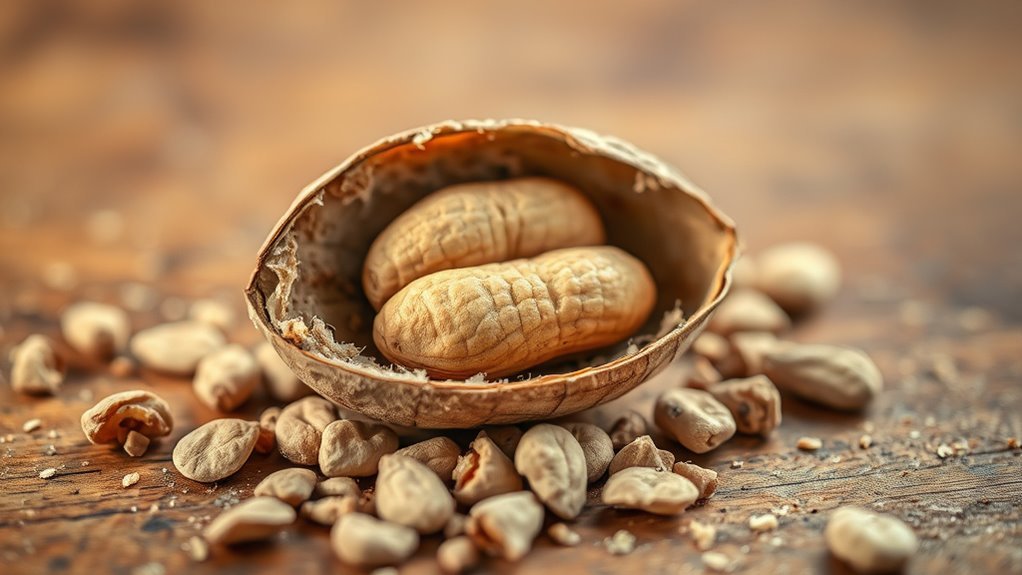
Although you might think peanut shells are just waste, they’re mainly made of about 84% dietary fiber, along with smaller amounts of protein, fat, water, and ash. When you look closer, peanut shells consist largely of complex plant cell wall components like hemicellulose and lignin, which give them their high dietary fiber content.
This fiber is mostly indigestible, but it plays a key role in the shell’s structure. Peanut shells also contain roughly 6% protein, 5% fat, 3% water, and 2% ash, though these amounts can vary depending on the peanut variety and processing methods.
Beyond these macronutrients, peanut shells hold beneficial phytochemicals such as polyphenols and flavonoids, which contribute to their antioxidant properties. While peanut shells don’t pack a strong nutritional value like the peanut itself, their composition highlights a significant source of dietary fiber and plant compounds that set them apart from other agricultural byproducts.
How Nutritious Are Peanut Shells?
You’ll find that peanut shells are mostly made up of dietary fiber, which is great for supporting digestion, but they don’t offer much else in terms of nutrition. Compared to the peanut itself, the shells have very few phytonutrients or other beneficial compounds. So, when you think about their overall nutritional value, it’s pretty limited.
Dietary Fiber Content
Since peanut shells contain about 84% dietary fiber by weight, they stand out as an exceptionally rich source of fiber. This dietary fiber is mostly insoluble, which means it won’t break down or provide calories, but it can still play a role in your digestive health. Unlike typical foods, peanut shells’ fiber surpasses that found in whole grain cereals and wood pulp.
Here’s why this matters to you:
- It supports bowel regularity, helping prevent constipation.
- It promotes a feeling of fullness, which can aid in controlling appetite.
- Though indigestible, it influences gut function positively by adding bulk to your stool.
Phytonutrients and Benefits
How nutritious are peanut shells beyond their impressive fiber content? They’re packed with valuable phytonutrients like polyphenols, flavonoids, luteolin, resveratrol, and procyanidins, which provide antioxidant and anti-inflammatory benefits. These compounds help protect your cells from damage and may reduce the risk of chronic diseases.
Lab studies also highlight peanut shells’ potential cardiovascular and anticancer effects thanks to these bioactive substances. While peanut shells have minimal calories and protein, they contain amino acids like arginine and leucine, supporting muscle growth and overall health.
Health Benefits of Peanut Shell Fiber
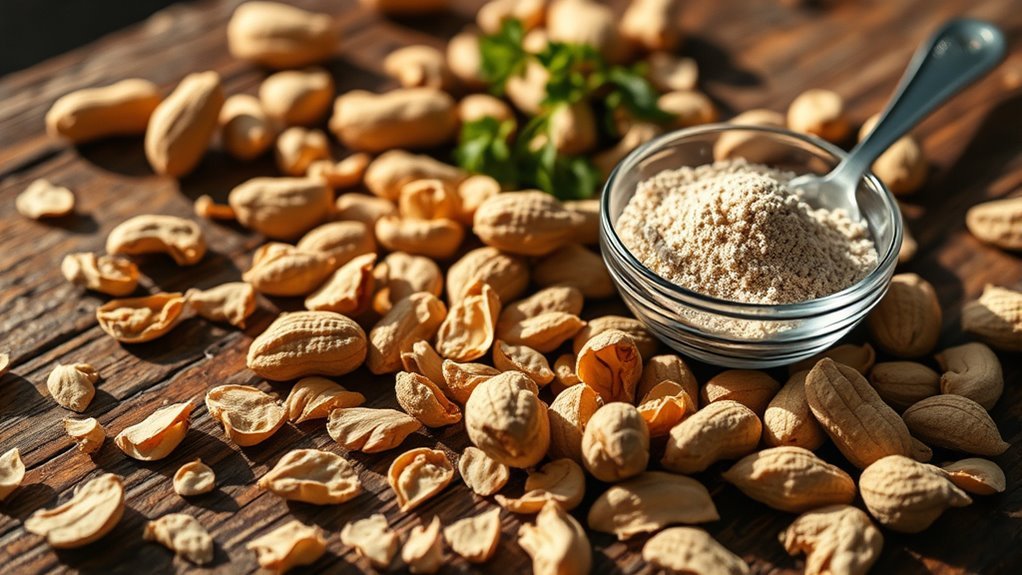
Although peanut shells might seem like mere waste, they offer impressive health benefits due to their high dietary fiber content, which makes up about 84% of their composition. This dietary fiber is mostly insoluble, meaning it helps keep your digestive system moving smoothly and prevents constipation. But the benefits don’t stop there.
When you include peanut shell fiber in your diet, you could experience improved heart health by lowering cholesterol levels and reducing cardiovascular risk. It also enhances gut health as the fiber acts like a prebiotic, feeding good bacteria. Plus, it supports better weight management through increased feelings of fullness, helping you eat less overall.
Digestive and Health Risks of Eating Peanut Shells
You might think peanut shells are harmless, but eating them can actually cause some serious digestive issues. That’s because they’re mostly made up of fiber that your body can’t really break down.
If you eat a lot of them, it could lead to blockages in your gastrointestinal tract, and sometimes that means you might need medical help to get things moving again. So, it’s definitely something to be cautious about.
Also, if you find yourself eating peanut shells repeatedly, it might be a sign of an underlying health issue like pica, which is worth talking to a doctor about.
Digestive Complications
Why risk digestive troubles by eating peanut shells? These shells are indigestible and can cause serious digestive complications. When you consume them, they may accumulate in your gastrointestinal tract, potentially forming bezoars that block normal digestion.
This can lead to intestinal obstruction, which sometimes requires surgery.
Here are three reasons to avoid eating peanut shells:
- They disrupt nutrient absorption due to their high fiber and indigestible nature.
- Large amounts can cause painful blockages requiring medical intervention.
- Habitual eating might signal underlying feeding disorders like pica.
If you want to protect your digestive health, steer clear of peanut shells. They offer no nutritional benefit and pose unnecessary risks to your digestive system.
Potential Health Hazards
Digestive complications from eating peanut shells highlight a broader range of health hazards you should consider. Since peanut shells are mostly indigestible, they can accumulate in your gastrointestinal tract, potentially forming bezoars that cause intestinal blockages.
Consuming large amounts raises your risk of obstruction, which might require surgery. Eating shells can also interfere with your digestion and nutrient absorption, leading to discomfort or other complications.
Habitual consumption may signal pica, a feeding disorder where you crave nonnutritive substances. These potential health hazards aren’t just about your digestive system; they indicate broader risks tied to the shells’ indigestible nature. It’s best to avoid eating peanut shells to protect your digestive health and overall well-being.
Are Peanut Shells Safe From Contaminants?
Although peanut shells are less prone to containing aflatoxins than the nuts themselves, it’s important to handle them properly to guarantee safety. Peanut shells have low moisture and antimicrobial properties, which reduce the risk of contaminants. However, during cultivation and storage, fungi and mycotoxins can still pose a threat if you’re not careful.
To assure the safety of peanut shells, follow these key steps:
- Store shells in dry, clean environments to prevent fungal growth.
- Use proper processing methods like crushing and soaking to eliminate potential contaminants.
- Always source shells from reputable suppliers who follow strict harvesting and storage protocols.
Nutritional Differences Between Peanut Shells and Kernels
Ensuring peanut shells are free from contaminants is just one part of understanding their role in nutrition. When you compare peanut shells and kernels, the nutritional differences are striking.
Peanut shells consist mainly of dietary fiber (about 84%), with very little protein and fat. Kernels, on the other hand, pack a nutritious punch with 25-30% protein, healthy fats, vitamins, and minerals.
This means shells provide mostly indigestible fiber, while kernels supply essential nutrients your body needs.
Here’s a quick snapshot of the nutritional differences:
| Nutrient | Peanut Shells |
|---|---|
| Dietary Fiber | 84% |
| Protein | 6% |
| Fat | 5% |
| Nutrient | Peanut Kernels |
| Dietary Fiber | Low |
| Protein | 25-30% |
| Fat | High (healthy fats) |
These differences highlight why peanut kernels contribute more to your diet than shells do.
Non-Food Uses of Peanut Shells
You can put peanut shells to work beyond the kitchen. For example, they’re great for enriching your soil or using as natural mulch to help keep moisture in your garden.
Plus, they make fantastic materials for crafts. Adding texture and a rustic touch to your DIY projects is easy with peanut shells.
Exploring these uses not only helps you reduce waste but also gives you a chance to get creative at the same time. It’s a win-win!
Composting And Soil
How can peanut shells boost your garden’s health? By composting crushed and soaked peanut shells, you speed up decomposition and enhance microbial activity. Using peanut shells as mulch helps retain soil moisture, suppress weeds, and regulate temperature, keeping plants happy.
Plus, dried and crushed peanut shells improve soil aeration and add organic matter, promoting robust growth.
Here’s why you’ll love using peanut shells in your garden:
- They’re an eco-friendly alternative to synthetic soil conditioners.
- They create a healthier environment for roots to thrive.
- They reduce water usage by maintaining soil moisture.
Incorporate peanut shells into your compost or soil routine, and watch your garden flourish naturally!
Crafts And Household Uses
Although often discarded, peanut shells offer surprising versatility for crafts and household uses that go beyond the garden. You can transform peanut shells into eco-friendly crafts like wreaths, mosaics, and ornaments by using glue, dye, or paint. When decorated with glitter, they become natural elements perfect for home decoration.
Beyond crafts, crushed peanut shells work well as biodegradable deodorizers in shoes, bags, or rooms when combined with herbs or essential oils. They also serve as sustainable packing materials, cushioning fragile items while supporting waste valorization.
For sustainability enthusiasts, peanut shells burn as clean kindling, releasing a mild nutty aroma. By repurposing peanut shells, you embrace an eco-friendly lifestyle that reduces waste and enhances your household’s creative and practical needs.
Processing Peanut Shells for Food Ingredients
Since peanut shells consist of about 84% dietary fiber, they present a valuable resource that can be transformed into functional food ingredients. Through careful processing, like crushing and soaking, you can safely convert peanut shells into fiber-rich flours and concentrates. This not only boosts the nutritional value of your food with added dietary fiber but also introduces beneficial phytochemicals such as polyphenols and flavonoids.
By incorporating peanut shells as functional ingredients, you tap into exciting culinary innovation while contributing to food waste reduction. To make the most of this resource, focus on:
- Ensuring proper processing to remove contaminants and enhance digestibility.
- Leveraging the nutritional benefits of fiber and phytochemicals.
- Exploring new recipes that incorporate these sustainable food ingredients.
Processing peanut shells this way highlights their untapped potential and aligns with advancing sustainable food innovation.
How Peanut Shells Support Sustainable Food Practices
When you choose to repurpose peanut shells, you actively support sustainable food practices by reducing waste and enhancing resource efficiency. Peanut shells, made up of about 84% dietary fiber, serve as a valuable material for sustainable fiber production.
By using them as natural mulch or soil amendments, you help improve soil health while cutting down on agricultural waste. Composting peanut shells speeds up decomposition and enriches the soil, fostering sustainable gardening efforts you can easily implement.
Furthermore, processing these shells into food ingredients or functional additives offers an eco-friendly alternative to simply discarding them. Upcycling peanut shells into biofuels, animal feed, or packaging materials further reduces environmental impact and promotes circular economy principles.
When Should You Avoid Eating Peanut Shells?
If you have digestive issues or young children around, you should steer clear of eating peanut shells due to the risk of choking and intestinal blockages. Peanut shells are indigestible and can accumulate in your digestive tract, potentially causing serious problems like bezoars that may require medical treatment. You also want to avoid peanut shells if you have allergies or sensitivities, as contaminants on the shells could trigger reactions.
Avoid peanut shells if you have digestive issues, young children nearby, or allergies due to choking and health risks.
Here are three key situations when you should avoid peanut shells:
- If you or someone you care for has a feeding disorder like pica, since eating peanut shells could signal underlying health concerns.
- If you have a history of gastrointestinal problems, to prevent blockages or irritation.
- When serving snacks to children, because peanut shells pose a choking hazard and are tough to digest.
Summary: Should You Eat Peanut Shells?
Although peanut shells contain a high amount of dietary fiber, eating them provides little nutritional benefit and can pose health risks such as digestive blockages and exposure to contaminants. While the fiber content might seem appealing, peanut shells lack significant protein, fat, or essential nutrients that contribute to a balanced diet.
Eating them could interfere with your digestion, potentially causing gastrointestinal issues like bezoars or blockages. Furthermore, peanut shells may carry contaminants like aflatoxins, which present health concerns even if less common than in the nut itself.
Given these factors, you should avoid regularly consuming peanut shells. The minimal nutritional gain simply doesn’t outweigh the potential dangers. Instead, focus on eating the peanut kernels, which are nutrient-rich and safe.
To conclude, while peanut shells offer some fiber, it’s best to steer clear of eating them to protect your digestive health and avoid unnecessary risks.
Frequently Asked Questions
Can Peanut Shells Cause Allergies Like Peanut Kernels?
Peanut shells themselves don’t usually cause allergy concerns because the proteins that trigger peanut allergies are in the kernels, not the shells. However, if peanut shells are contaminated with nut proteins during handling or processing, they could pose a risk.
If you have a peanut allergy, you should avoid shells unless you’re sure they’re free from contamination. Always play it safe to prevent any allergic reactions.
How Do Peanut Shells Affect the Flavor of Food Products?
Peanut shells affect the flavor of food products by providing flavor enhancement with their natural nutty, earthy, and toasted aroma. When you use them properly, they add a subtle complexity that can elevate baked goods or snacks.
Just be careful with the amount and preparation, because overusing them might introduce a bitter or woody taste, which could overpower the flavor you’re trying to highlight.
Are There Any Culinary Recipes That Incorporate Peanut Shell Flour?
You might be surprised, but yes, culinary innovations have started incorporating peanut shell flour into recipes. Chefs and food scientists are experimenting with it in bread, cookies, and even cakes, using its unique flavor and high fiber content to boost nutrition.
What Is the Environmental Impact of Disposing Peanut Shells Improperly?
Improperly disposing of peanut shells harms the environment by increasing waste in landfills, where they decompose slowly and release methane, a harmful greenhouse gas. You’ll also contribute to air pollution if shells are burned, releasing toxic particles.
Poor waste management can contaminate soil and water, too. Instead, you should compost or recycle peanut shells to reduce pollution, return nutrients to the soil, and support sustainable waste management practices.
Can Peanut Shells Be Used in Cosmetic or Skincare Products?
You can use peanut shells in cosmetic uses, especially since they contain up to 60% dietary fiber, making them great natural exfoliants. Their abrasive texture helps gently remove dead skin cells, while their antioxidant polyphenols support skin health.
Plus, their antimicrobial properties aid in reducing bacteria. When properly processed, peanut shells become sustainable, biodegradable ingredients perfect for eco-friendly skincare products that scrub, refresh, and protect your skin.
Conclusion
You might think peanut shells are just waste, but they actually offer valuable fiber that can boost your digestion and support sustainable food practices. While they’re tough to chew and not meant to be eaten raw, properly processed peanut shell ingredients can be a smart addition to your diet.
Don’t let the odd texture fool you. Embracing peanut shells in the right way can benefit your health and the planet. Give it a try!