Does Shrimp Shell Have Nutritional Value and How to Unlock It?
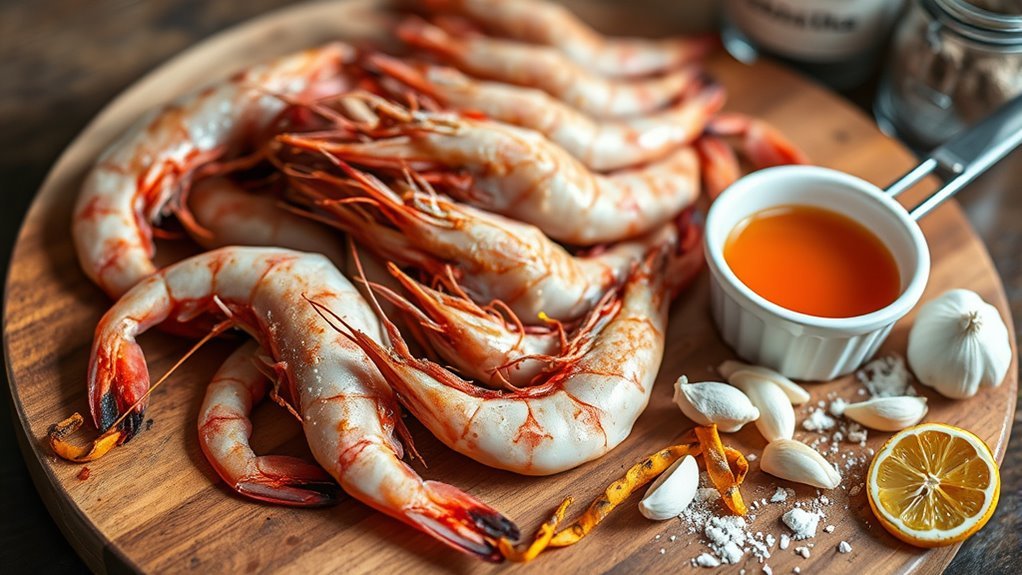
Yes, shrimp shells have valuable nutrients like chitin, minerals, and flavor compounds that enhance your dishes and nutritional intake. You can access their benefits by properly cleaning, roasting, or frying the shells to improve digestibility and flavor.
Simmering them makes a rich, umami-packed stock full of natural nutrients.
With the right preparation and cooking techniques, you’ll transform shrimp shell waste into a tasty, nutrient-rich ingredient that adds depth to your meals and supports sustainability.
Want to know how to do it?
What’s Inside Shrimp Shells?
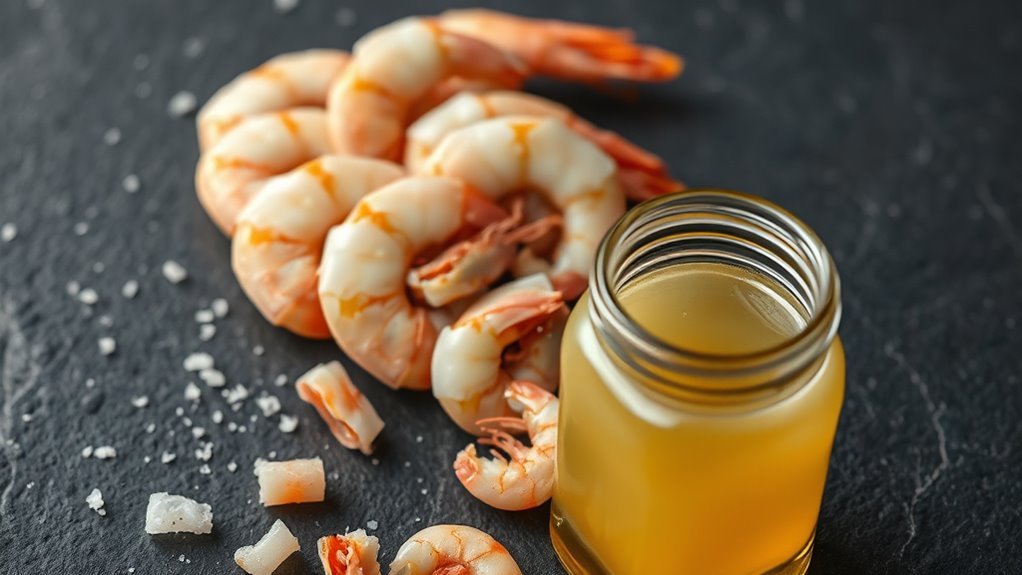
Although shrimp shells might seem like mere waste, they actually contain valuable components that can benefit you in many ways. The main ingredient in shrimp shells is chitin, a polysaccharide that provides structural support and can be transformed into chitosan, widely used in health and industrial products.
Besides chitin, shrimp shells hold minerals like calcium carbonate, though in smaller amounts than the meat. You’ll also find trace proteins, minerals, and powerful bioactive compounds such as astaxanthin, known for its antioxidant properties.
Intriguingly, shrimp shells contain volatile compounds and flavor molecules that can enhance the taste of seafood dishes when used correctly. Understanding what’s inside shrimp shells opens up possibilities for using them beyond simple disposal, tapping into their nutritional and functional benefits.
Is It Safe to Eat Shrimp Shells?
While shrimp shells contain some nutrients, they aren’t easy for your body to digest and can pose choking risks, especially for children. The main component, chitin, is non-digestible, which may lead to gastrointestinal discomfort if you consume shrimp shells regularly.
Their tough texture and low digestibility make shrimp shells generally unsafe for regular eating, particularly for those with sensitive digestion.
Here’s a quick look at the safety concerns and nutritional aspects of shrimp shells:
| Factor | Details | Impact on You |
|---|---|---|
| Digestibility | Chitin-rich, non-digestible | Can cause discomfort |
| Nutritional Value | Minimal calcium compared to meat | Limited benefit |
| Safety Risks | Tough texture, choking hazard | Especially risky for kids |
Given these points, eating shrimp shells without proper preparation isn’t recommended for your safety.
Why You Need to Prepare Shrimp Shells Right
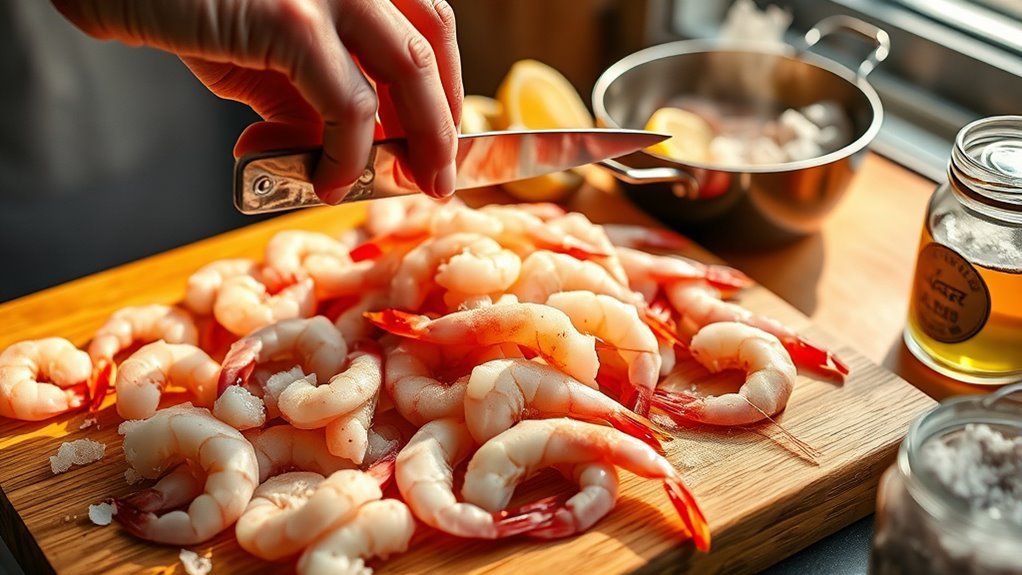
Because shrimp shells contain tough fibers and potential contaminants, you need to prepare them properly to make them safe and enjoyable to eat. Cleaning shrimp shells thoroughly by removing the vein and antennae ensures they’re free from impurities and ready for consumption or further use.
Cooking them well, whether by deep-frying or dehydrating, transforms the shells into a crispy, palatable snack. This not only enhances texture but also reveals their potential flavors. Adding seasonings like cilantro or Sichuan peppercorn during cooking can boost both taste and nutritional value.
Proper preparation also helps you maximize the beneficial compounds in shrimp shells, like chitin, amino acids, and minerals. Without the right steps, these nutrients might remain trapped or less accessible. So, taking care with how you prepare shrimp shells is key to enjoying their full flavor and health benefits safely and deliciously.
How to Extract Nutrients From Shrimp Shells
When you want to get the most out of shrimp shells, you start by cleaning, drying, and grinding them into a fine powder. This powder releases valuable nutrients like chitin, calcium carbonate, zinc, and phosphorus.
To extract chitin, you can apply enzymatic or chemical treatments, which isolate it with high purity. From chitin, it’s possible to produce chitosan, a versatile biopolymer used in medicine, agriculture, and industry.
While boiling shrimp shells releases minerals and amino acids for stock, processing them into powder or through specialized extraction methods delivers concentrated nutrients for supplements or food additives. By handling shrimp shells this way, you guarantee maximum nutrient availability and usability.
This method transforms what would be waste into a rich source of essential compounds, making shrimp shells a valuable resource beyond just flavoring.
How to Make Shrimp Shell Stock
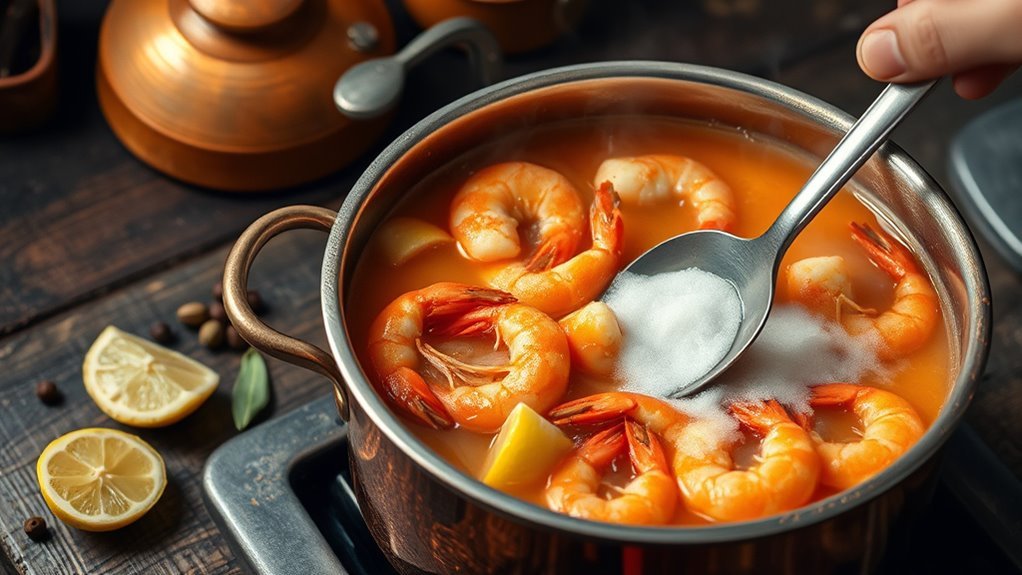
Extracting nutrients from shrimp shells doesn’t stop at powders and supplements. You can also create a flavorful, nutrient-rich stock. Start by sautéing the shrimp shells in oil until they turn pink, which releases their rich flavor compounds.
Then, add water, herbs, and aromatics like garlic or ginger, and simmer the mixture for 30 to 40 minutes. This process extracts maximum umami and valuable nutrients from the shells. To deepen the flavor, consider adding a splash of wine during simmering.
Once done, strain the stock through a fine mesh to remove the shells and solids, leaving you with a clear, savory liquid. You can store your shrimp shell stock in airtight containers for up to three days in the refrigerator or freeze it for longer use.
Making shrimp shell stock is a simple, efficient way to release the nutritional benefits hidden in shrimp shells while enhancing your dishes with rich, natural flavor.
Delicious Recipes and Uses for Shrimp Shells
Although many people discard shrimp shells, you can transform them into delicious dishes and flavorful additions that elevate your cooking. Try deep-frying shrimp shells until crispy. They make a unique, crunchy snack or garnish with an irresistible umami flavor.
You can also simmer shrimp shells to make a nutrient-dense stock rich in protein, minerals, and antioxidants like astaxanthin. This stock adds depth to risottos, bisques, and sauces, enhancing their flavor profiles without waste.
Incorporating shrimp shells in your recipes not only maximizes resources but also enriches your dishes with natural nutrients like chitin and calcium. So instead of tossing them, embrace shrimp shells as a versatile ingredient that brings both taste and nutrition to your kitchen.
Environmental and Economic Benefits of Shrimp Shells
Because shrimp shells contain valuable compounds like chitosan, they offer significant environmental and economic benefits. When you recycle shells, you reduce seafood waste and cut down pollution from shell disposal. Plus, chitosan extracted from shells can create biodegradable packaging, helping you support eco-friendly solutions.
Using shells for such value-added products also opens new economic opportunities in bioplastics, pharmaceuticals, and agriculture, turning waste into profit and lessening reliance on non-renewable materials.
Here’s a quick look at how shrimp shells benefit the environment and economy:
| Benefit Type | Application | Impact |
|---|---|---|
| Environmental | Water treatment | Reduces pollution |
| Economic | Bioplastics | Creates jobs, supports industry |
| Sustainability | Biodegradable packaging | Cuts synthetic waste |
How Shrimp Shells Boost Flavor and Umami in Cooking
You can unlock rich umami flavors by using shrimp shells because they contain nucleotides and glutamates that really enhance savory tastes. When you simmer or fry the shells, these compounds release quickly, adding depth to your broths and sauces.
Getting the hang of these extraction techniques helps you boost flavor naturally. Plus, it lets you create more complex and delicious seafood dishes with ease.
Umami Compounds in Shells
How exactly do shrimp shells elevate the flavor of your dishes? They’re packed with umami compounds like ribonucleotides, inosinate and guanylate, that naturally enhance savory taste.
When you cook shrimp shells, they release volatile compounds that add a rich, seafood aroma and deepen the broth’s flavor. The chitin in the shells interacts with amino acids, creating synergistic umami effects that intensify the overall taste.
Plus, cooking frees up glutamates, which are key umami molecules boosting flavor complexity. Together, these nucleotides and amino acids make shrimp shells a potent, natural source of umami, giving your dishes a delicious depth you might not get otherwise.
Using shrimp shells isn’t just about nutrition. It’s about unlocking powerful umami to transform your cooking.
Flavor Extraction Techniques
When you simmer shrimp shells in hot water or broth, their volatile compounds and nucleotides quickly infuse the liquid, creating a rich, umami-packed seafood stock. To release their full flavor potential, try these techniques:
- Fry or roast the shells first to trigger Maillard reactions. This develops deep, complex aromatic flavor compounds.
- Use pressure cooking or quick infusions to speed up the extraction. This intensifies savory notes.
- Take advantage of chitin’s porous structure by adding seasonings early. This ensures the shells absorb and transfer flavor compounds efficiently.
Frequently Asked Questions
Can Shrimp Shell Supplements Aid in Weight Loss?
Yes, shrimp shell supplements can aid in weight loss by providing chitosan, which binds to dietary fats and may reduce fat absorption. When you take these supplements alongside a healthy diet and exercise, they might help you lose weight modestly.
The fiber in shrimp shells can also make you feel fuller, helping control your appetite and prevent overeating. However, results vary, so don’t rely solely on these supplements for weight loss.
Do Shrimp Shells Cause Allergies in Sensitive Individuals?
Yes, shrimp shells can cause allergies in sensitive individuals. You should be aware of allergy risks because the chitin and proteins in the shells may trigger reactions.
Even if you cook or process the shells, allergenic proteins remain active. If you have a shellfish allergy, handling or consuming shrimp shells could lead to symptoms like hives, swelling, or difficulty breathing.
It’s best to avoid them entirely to stay safe.
How Long Can Shrimp Shell Powder Be Stored Safely?
You might think shrimp shell powder lasts forever, but its shelf stability maxes out at about 6 months when stored airtight, cool, and dry. Push it past a year, and you risk losing its nutrients to oxidation, like letting a treasure turn to dust!
To keep it potent longer, pop it in the fridge or freezer, avoid moisture and light, and always check for weird smells or clumps before using it.
Are There Cultural Dishes That Traditionally Use Whole Shrimp Shells?
Yes, you’ll find many cultural traditions that use whole shrimp shells in their dishes. In Japan, tempura and sushi often include shells for texture and flavor. Chinese cuisine uses them in salt and pepper shrimp, while Thailand adds whole shrimp to spicy salads and stir-fries.
Coastal communities in Vietnam and Korea also embrace eating shrimp shells, maximizing flavor and authenticity. These traditions show shells aren’t just waste; they’re part of the culinary experience.
Can Shrimp Shells Be Composted for Garden Use?
You can compost shrimp shells for garden enrichment, and here’s a neat fact: chitin in shrimp shells can boost soil health by improving its structure. When you clean and break them into smaller pieces, they decompose faster, releasing valuable minerals like calcium and nitrogen.
Adding composted shrimp shells to your garden enriches the soil naturally, promoting healthy plant growth while supporting sustainable gardening practices you’ll appreciate.
Conclusion
Don’t toss those shrimp shells just yet. They’re a hidden treasure trove of nutrients and flavor. With the right prep, you can discover their full potential, turning scraps into delicious stocks and umami-rich dishes.
By doing this, you not only boost your meals but also help the environment and your wallet. Remember, every cloud has a silver lining, and those shells are yours, ready to elevate your cooking and reduce waste!