What Does Nutritional Yeast Taste Like?
You’ll find nutritional yeast tastes mildly cheesy with a hint of nuttiness and a subtle savory tang that’s not overpowering. Its flaky texture blends easily into sauces or soups, adding comforting richness without dairy. This flavor comes from natural fermentation, giving it a pleasant umami punch similar to aged Parmesan but drier and less salty. If you want to discover how to perfect its use and pairing, there’s plenty more to explore.
What Does Nutritional Yeast Taste Like?
Although it might seem unfamiliar at first, nutritional yeast offers a unique taste that many people quickly grow to love. When you try it, you’ll notice a mild cheesy flavor with a hint of nuttiness. It’s not overpowering, so you can sprinkle it on popcorn, pasta, or salads without worrying about it overwhelming other flavors.
You’ll find it slightly savory and somewhat tangy, which makes it a great addition to vegan dishes as a cheese substitute. The texture is flaky or powdery, so it blends well into sauces or soups.
As you use it more, you’ll appreciate how it enhances your meals with a subtle richness that’s both comforting and satisfying, making your cooking more exciting.
What Makes Nutritional Yeast Taste Nutty and Savory?
The mild cheesy and nutty flavors you notice in nutritional yeast come from its unique composition and fermentation process. As a deactivated yeast, it undergoes fermentation, which produces natural compounds like glutamic acid and ribonucleotides. These compounds are responsible for the umami, savory taste that gives nutritional yeast its depth.
Furthermore, the presence of B vitamins and proteins contributes subtle richness. The nutty notes arise from the yeast’s cell walls and the way its natural sugars and amino acids interact during processing.
When you sprinkle nutritional yeast on your food, these flavor components work together to create that pleasant, savory punch, making it a popular seasoning for enhancing dishes without overwhelming them.
How Does Nutritional Yeast’s Flavor Compare to Cheese?
When you taste nutritional yeast, you might notice similarities to cheese, especially aged varieties like Parmesan. Its flavor carries a nutty, savory, and slightly tangy profile that mimics the umami depth found in many hard cheeses.
Unlike dairy cheese, nutritional yeast lacks creaminess or moisture, so it feels drier and flakier on your palate. You’ll also find it less salty and with a mild bitterness that cheese usually doesn’t have.
This unique flavor makes it a popular vegan substitute when you want that cheesy punch without dairy. While it doesn’t perfectly replicate cheese, nutritional yeast gives you a comparable rich, savory taste that enhances dishes with a cheesy essence, helping you enjoy familiar flavors in a plant-based way.
Best Foods to Pair With Nutritional Yeast
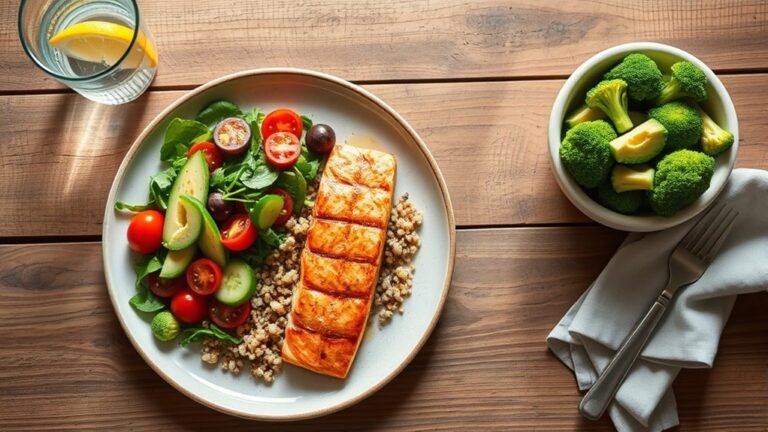
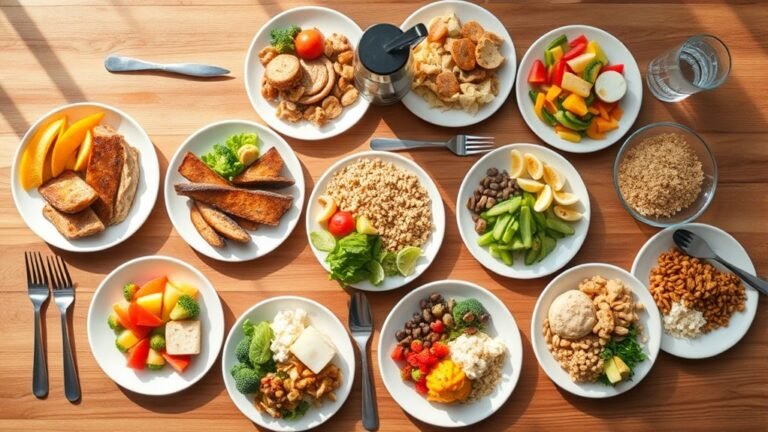
If you want to boost your meals with a savory, cheesy kick, nutritional yeast pairs beautifully with a variety of foods. Sprinkle it over popcorn or roasted vegetables for an instant flavor upgrade. It blends well into creamy sauces, soups, and mashed potatoes, adding depth without dairy.
You can also stir it into pasta dishes or use it as a topping on avocado toast. For a quick snack, mix nutritional yeast into hummus or sprinkle it on salads for a nutty, cheesy note.
It’s a great addition to grain bowls and can enhance the taste of scrambled tofu or eggs. Experiment with your favorite recipes—you’ll find nutritional yeast adds a satisfying umami punch that complements many dishes.
Mistakes That Make Nutritional Yeast Taste Bad
Although nutritional yeast can enhance many dishes, certain mistakes can make it taste unpleasant or off-putting. One common error is using too much at once; its strong, cheesy flavor can quickly become overpowering and bitter if you pile it on.
Another mistake is adding it to overly hot foods—high heat can dull its nutty notes and create a burnt taste. Also, storing nutritional yeast improperly exposes it to moisture and air, which ruins its flavor and texture.
In the end, mixing it with acidic ingredients like lemon juice or vinegar too early can cause it to clump and taste off. Avoid these pitfalls, and you’ll enjoy the full savory, umami experience nutritional yeast offers without any bitterness or unpleasant aftertaste.
How to Use Nutritional Yeast for Better Flavor
Avoiding common mistakes is just the first step to enjoying nutritional yeast. To boost its flavor, sprinkle it on dishes at the end of cooking or use it as a finishing touch. Heat can dull its taste, so steer clear of cooking it for too long.
Try adding it to popcorn, pasta, or roasted veggies for a cheesy, nutty kick. You can also blend nutritional yeast into sauces or dressings to enhance richness without overpowering other flavors.
Start with small amounts—too much can make your dish bitter. Pair it with acidic ingredients like lemon juice or vinegar to balance its savory notes.
How to Choose the Best Nutritional Yeast for Your Recipes
When selecting nutritional yeast for your recipes, consider factors like flavor profile, texture, and nutritional content to find the best fit for your taste and dietary needs.
First, check the flavor—some brands offer a nuttier or cheesier taste, while others might be more neutral.
Second, evaluate the texture; finer flakes blend smoothly into dishes, while coarser flakes add crunch.
Third, review the nutritional content, especially if you want added B vitamins or gluten-free options.
Here’s a quick guide:
- Taste-test different brands for flavor intensity.
- Choose texture based on how you plan to use it.
- Verify nutritional labels to match your dietary goals.
Frequently Asked Questions
Is Nutritional Yeast Safe for People With Yeast Allergies?
If you have a yeast allergy, you might want to avoid nutritional yeast since it’s a deactivated yeast product. Always check with your doctor first, as it could trigger allergic reactions even though it’s inactive.
Can Nutritional Yeast Be Used as a Vitamin B12 Supplement?
Yes, you can use nutritional yeast as a vitamin B12 supplement since many brands are fortified with it. Just check the label to verify it contains B12, especially if you rely on it for your daily intake.
How Should Nutritional Yeast Be Stored to Maintain Freshness?
You should store nutritional yeast in an airtight container, kept in a cool, dry place away from direct sunlight. This helps maintain its freshness, flavor, and nutritional value for several months. Don’t refrigerate it.
Does Nutritional Yeast Lose Nutritional Value When Cooked?
Nutritional yeast does lose some B vitamins when cooked at high heat, but most nutrients remain intact if you add it at the end of cooking or sprinkle it on dishes. That way, you’ll preserve its benefits.
Is Nutritional Yeast Gluten-Free and Suitable for Celiac Diets?
Yes, nutritional yeast is gluten-free and safe for celiac diets. You can confidently add it to your meals without worrying about gluten contamination, making it a great cheesy, nutrient-packed option for your gluten-sensitive needs.
Conclusion
You’ll find nutritional yeast has a nutty, savory flavor that often reminds you of cheese, making it a great addition to many dishes. To get the best taste, pair it with your favorite savory foods and avoid common mistakes like overheating it. Choose high-quality nutritional yeast, and you’ll easily enhance your meals with its unique, cheesy goodness. Give it a try—you’ll quickly see why so many people love this versatile ingredient!