How Does Grilling Food Preserve Some Nutritional Value?
When you grill food, high heat cooks it quickly, sealing in juices and locking nutrients like vitamin B12, iron, and omega-3s before they degrade. This method limits water exposure, so water-soluble vitamins like C and B stay put instead of leaching out. Grilling also preserves protein structure and enhances lycopene availability. By controlling heat and using smart techniques, you keep more nutrients intact while enjoying great flavor. Keep exploring to discover more ways grilling boosts your meals’ nutrition.
How Grilling Preserves Vitamins and Minerals Better Than Other Methods
Although many cooking methods can deplete nutrients, grilling helps preserve vitamins and minerals better because it uses high heat for a shorter time.
When you grill, you reduce the exposure of food to water, unlike boiling, which can leach water-soluble vitamins like vitamin C and B vitamins into the cooking water.
You also avoid prolonged heat exposure, which breaks down sensitive nutrients.
Plus, grilling’s direct heat seals the food’s surface quickly, locking in juices and nutrients.
You won’t lose as many minerals since they’re stable at high temperatures and less likely to dissolve out during grilling.
Why Quick Cooking at High Heat Helps Retain Nutrients
Because grilling cooks food quickly at high heat, it helps you retain more nutrients compared to slower methods. When you grill, the intense heat sears the food’s surface, locking in vitamins and minerals before they can break down.
This short cooking time means fewer nutrients leach out into cooking liquids, unlike boiling or stewing. Plus, grilling minimizes exposure to oxygen and water, both of which can degrade sensitive nutrients.
By cutting down cooking time, you preserve the natural nutritional profile better. So, when you grill, you’re not only enhancing flavor but also preserving the valuable nutrients that slow cooking methods might diminish.
This makes grilling an efficient way to enjoy healthier, nutrient-rich meals without sacrificing taste.
Nutrients That Benefit Most From Grilling
When you grill your food, certain nutrients hold up better than others and even become more available for your body to use. Grilling’s quick, high heat preserves or enhances these key nutrients:
- Vitamin B12 – Found in meats, it stays stable and supports your energy and brain function.
- Iron – Grilling helps retain iron in meats, essential for oxygen transport and preventing fatigue.
- Lycopene – In tomatoes and red peppers, grilling breaks down cell walls, making this antioxidant easier for your body to absorb.
- Protein – The structure of protein remains intact, providing essential amino acids without nutrient loss from prolonged cooking.
Choosing Foods That Keep Nutrients When Grilled
To maximize nutrient retention while grilling, you’ll want to select foods that naturally withstand high heat without losing their beneficial properties.
Vegetables like bell peppers, zucchini, and asparagus hold up well and retain vitamins A and C.
Meats rich in protein, such as chicken breast and lean cuts of beef, maintain their amino acids even when grilled.
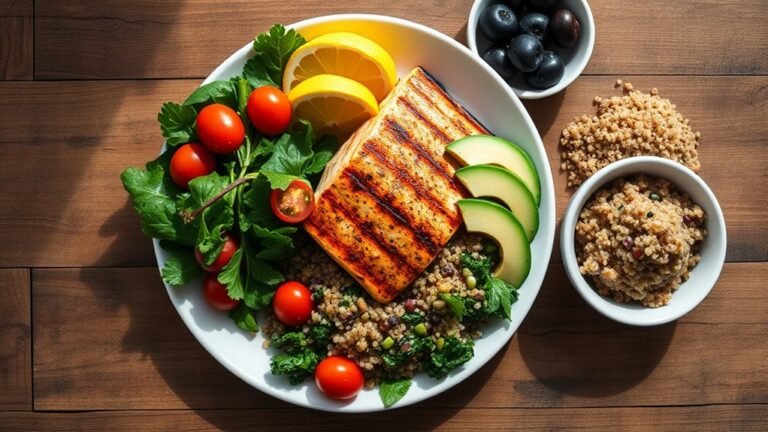
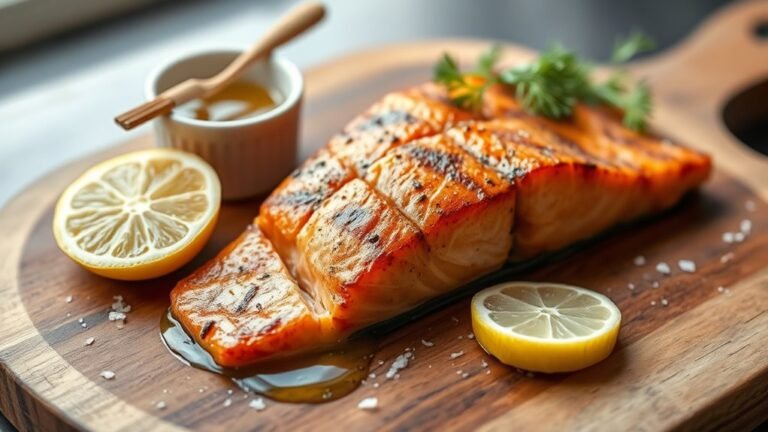
Fish, especially fatty types like salmon, keeps its omega-3 fatty acids intact if grilled carefully.
You should also consider fruits like pineapple and peaches, which caramelize nicely without nutrient loss.
Avoid watery vegetables like lettuce, which wilt quickly and lose nutrients on the grill.
Grilling Techniques to Maximize Nutrition
Although grilling naturally enhances flavor, using the right techniques guarantees you preserve the most nutrients in your food. To maximize nutrition when you grill, focus on controlling heat and cooking time. Here are four tips to help you get it right:
- Preheat your grill to medium heat to avoid burning while cooking evenly.
- Use marinades with acidic ingredients like lemon juice or vinegar; they help reduce harmful compounds and lock in nutrients.
- Flip your food frequently to prevent charring, which can destroy vitamins and create toxins.
- Keep grilling times short by cutting food into smaller pieces, preserving vitamins sensitive to heat.
How Grilling Cuts Added Fats and Calories for Healthier Meals
Since grilling allows excess fat to drip away from your food, it naturally reduces added fats and calories compared to other cooking methods like frying or sautéing. When you grill, the heat causes fat to melt and drip off, preventing your meal from sitting in extra grease.
This means you get leaner, healthier dishes without sacrificing flavor. Plus, grilling doesn’t require you to add heavy oils or butter, which often increase calorie counts.
Common Grilling Mistakes That Cause Nutrient Loss
Grilling offers a great way to keep your meals lean and flavorful, but certain mistakes can strip away valuable nutrients during the process. To preserve nutrition, avoid these common errors:
- Overcooking: Leaving food on the grill too long breaks down vitamins and minerals.
- High Flames: Charring from intense flames creates harmful compounds and destroys nutrients.
- Skipping Marinades: Marinades not only add flavor but also protect nutrients from heat damage.
- Using Too Much Oil or Butter: Excess fats can mask natural flavors and add unnecessary calories, reducing the health benefits of grilled food.
Frequently Asked Questions
Is Grilling Safe for Pregnant Women?
Yes, grilling can be safe for you during pregnancy if you avoid undercooked meat and charred parts. Make sure to cook food thoroughly and practice good hygiene to reduce any risk of foodborne illnesses for you and your baby.
Can Grilling Produce Harmful Chemicals?
Yes, grilling can produce harmful chemicals like heterocyclic amines (HCAs) and polycyclic aromatic hydrocarbons (PAHs). You can reduce risks by avoiding charring, using marinades, and grilling at moderate temperatures.
How Does Grilling Affect Food Flavor Compared to Other Methods?
Grilling enhances food flavor by adding a smoky, charred taste you won’t get from boiling or steaming. You’ll notice caramelization and Maillard reactions that create richer, more complex flavors, making your meals tastier and more satisfying.
What Equipment Is Best for Beginner Grillers?
You’ll want a simple charcoal or gas grill to start, as they’re easy to use and clean. Grab a sturdy spatula, tongs, and a grill brush. These basics will help you grill confidently and safely.
How Long Can Grilled Food Be Stored Safely?
You can safely store grilled food in the fridge for 3 to 4 days. Make sure to cool it promptly, use airtight containers, and reheat thoroughly before eating to keep it safe and tasty.
Conclusion
When you grill your food, you lock in more vitamins and minerals compared to boiling or frying. The quick, high heat helps preserve nutrients like vitamin C and B vitamins, while also cutting down added fats and calories. By choosing the right foods and using smart grilling techniques, you keep meals nutritious and tasty. Just avoid common mistakes like overcooking, and you’ll enjoy healthier, nutrient-packed dishes every time you fire up the grill.