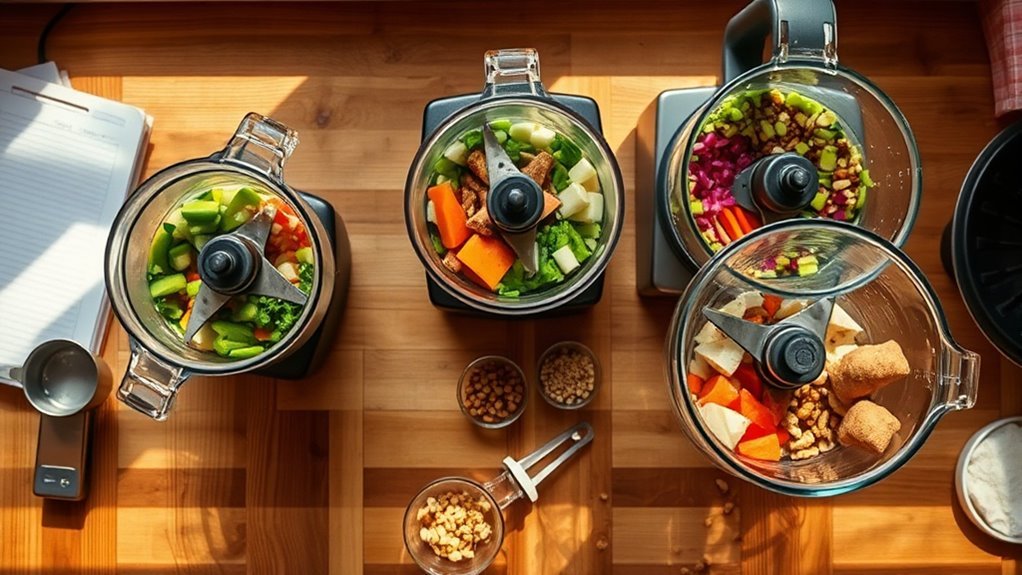
What Size Food Processor Do I Need: 10 Tips to Choose Right
You’ll want a food processor size that matches your typical tasks and household size to avoid oversizing pitfalls. For small tasks like herbs or dressings, a 3 to 4 cup mini works best.
If you cook for a couple or small family, a 7 to 9 cup midsize is ideal for everyday chopping and dough.
Families or batch cooks benefit from an 11 to 14 cup full-size.
Remember, liquid capacity is less than dry volume, so choose wisely. Keep going to discover tips on matching size, care, and accessories.
How to Choose the Right Food Processor Size
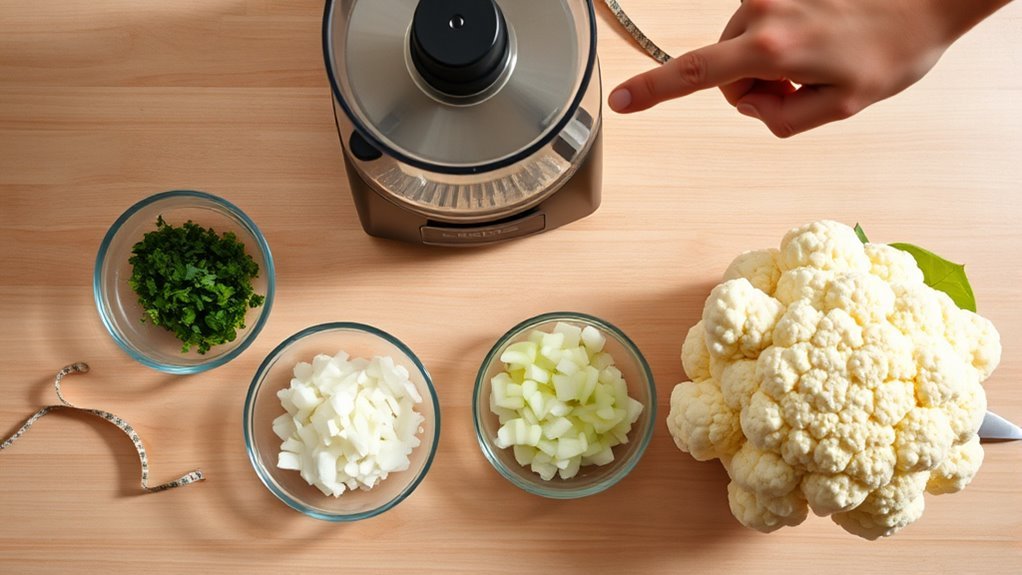
Start by matching your food processor size to the tasks you do most. If you mainly chop herbs or whip dressings, a 3–4 cup mini works perfectly. For everyday vegetable prep and small doughs, a 7–9 cup model fits well.
Families, batch cooks, or those mixing dough regularly should consider an 11–14 cup processor. A practical rule of thumb is that a 9–11 cup food processor serves as the versatile “do-everything” choice for most kitchens.
Only step up if you routinely handle large batches or dough because oversizing often leads to frustration. Big bowls don’t process small amounts efficiently. Keep in mind that bowl sizes are rated by dry volume; liquids have a lower max capacity, so check the liquid max line carefully.
If you need to handle both tiny daily tasks and occasional big batches, opt for a full-size food processor with a nesting mini bowl rather than just an oversized single bowl.
Understanding Food Processor Size and Capacity
When you choose a food processor, it’s important to understand that the bowl capacity listed refers to dry volume, not liquid. Dry cup ratings like 7 cup or 14 cup don’t equal safe liquid capacity, which is usually less than half that amount. For liquids, always follow the max fill line to prevent leaks.
The food processor Buying Guide suggests picking a bowl size that matches your typical kitchen tasks. Oversizing for rare big jobs can lead to more cleaning, storage hassle, and less efficient processing of small batches.
Here’s a quick size overview:
| Size Tier | Dry Cup Capacity | Best Use |
|---|---|---|
| Mini/Chopper | 1.5 – 4 cups | Herbs, dressings, small tasks |
| Midsize | 7 – 9 cups | Everyday veggies, small doughs |
| Full-size | 11 – 16 cups | Families, batch cooking, dough |
Choose wisely for an efficient, enjoyable experience.
Why Choosing the Right Food Processor Size Matters
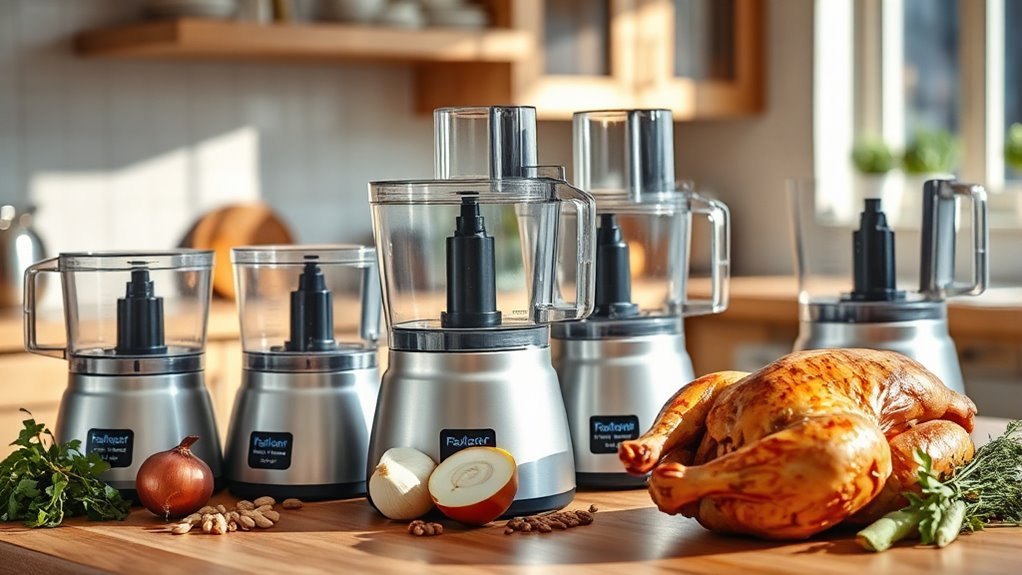
Choosing the right food processor size is all about matching the bowl to the tasks you do most often. If you go too big, small jobs won’t process evenly, and you might end up wasting space and effort.
Matching Size To Tasks
Match your food processor size to the tasks you do most to get the best performance and convenience. For everyday chopping, pestos, hummus, small doughs, and making nut butters, a 7 to 9 cup midsize model hits the versatile sweet spot.
If you often shred large quantities like whole cabbage heads or handle big dough batches, an 11 to 14 cup processor is better suited. Mini units (1.5 to 4 cups) excel at quick jobs like garlic, herbs, and dressings but can’t manage large slicing discs or big batches.
Avoiding Oversized Processors
Although a larger food processor might seem like a smart investment, using an oversized model can lead to frustrating results, especially when working with small quantities. Large bowls, like those between 11 and 16 cups, struggle with small volumes since food often misses the blade sweep and gets unevenly chopped.
Plus, oversized processors take up more counter space, weigh more, and have more parts to clean. Their safe liquid capacity is usually less than half the bowl size, increasing the risk of leaks when making soups or batters.
To avoid these issues, choose a size that matches your everyday needs. A 7 to 9 cup model suits most tasks, while a 3 to 4 cup mini handles small jobs efficiently without wasting space or effort.
Mini Food Processors: When Less Is More
If you often prepare small portions or single servings, a mini food processor can be a game-changer in your kitchen. Mini processors typically hold 1.5 to 4 cups, making them perfect for chopping herbs, garlic, or small onions without wasting ingredients. They excel at emulsifying dressings, whipping up pesto, and blending single-portion dips where a full-size bowl feels excessive.
Because mini food processors need little volume to work efficiently, they process ingredients evenly and avoid the common “food thrown to the sides” issue of larger bowls. They’re also quick to set up and clean, which saves you time. If your kitchen space is limited and you rarely batch-cook, a mini is the ideal choice.
For one- or two-person households, a 3 to 4-cup mini hits the sweet spot, while a smaller 1.5 to 2-cup model works if you only need tiny amounts at a time.
Midsize Food Processors for Everyday Use
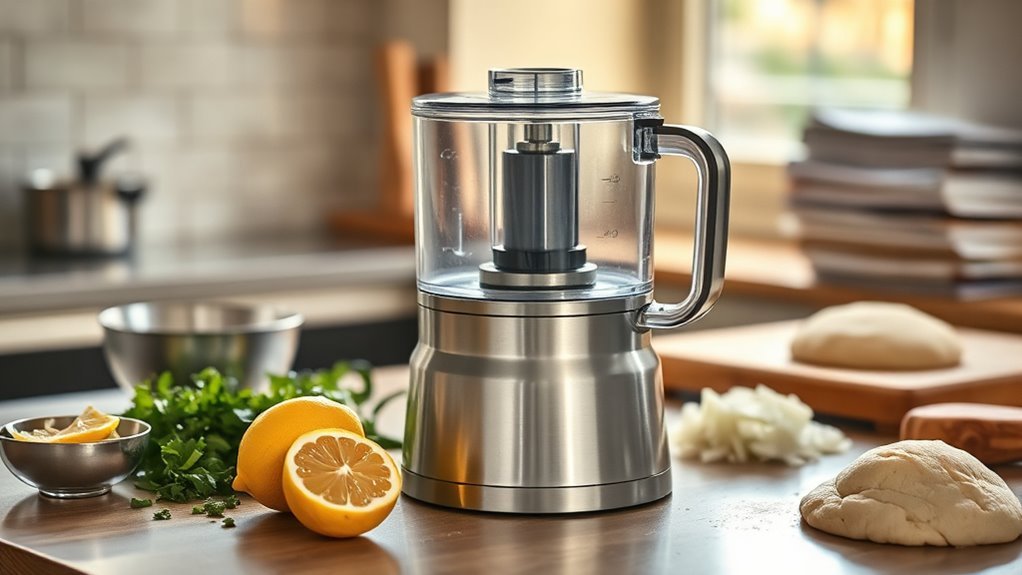
Midsize food processors usually hold between 7 and 9 cups, making them the perfect all-around tool for everyday kitchen tasks. If you prep meals for a couple or a small family, a midsize food processor offers the right balance of capacity and convenience. It handles chopping vegetables, shredding cheese, slicing carrots, and making small doughs without dominating your countertop.
With a midsize food processor, you get versatility and efficiency without overfilling the bowl, which can happen with larger models. Most come equipped with essential accessories like multi-purpose S-blades, shredding and slicing discs, and sometimes dough blades. This size also provides enough motor power for typical kitchen tasks, so you won’t need to upgrade unless you frequently prepare larger batches.
Consider a midsize food processor if you want to:
- Save counter space while prepping daily meals
- Process modest quantities evenly
- Use common attachments for versatile results
- Avoid the bulk of full-size machines
Full-Size Food Processors for Families and Batch Cooking
Full-size food processors deliver the capacity and power you need to tackle family meals and batch cooking with ease. With a dry capacity between 11 and 16 cups, these machines handle large tasks like shredding cheese in bulk, processing whole heads of cabbage, or kneading double batches of pizza dough in one go.
For a typical family of four to six, choosing an 11–14 cup model usually fits most needs, while 14–16 cups suit those who regularly prepare very large batches. Keep in mind, the liquid capacity is much lower than the dry cup rating, so always check the bowl’s max line for soups or batters.
Full-size processors come with trade-offs: they take up more counter space, weigh more, and require extra cleaning, plus they aren’t ideal for small jobs. To cover all bases, consider a full-size model with a nested mini bowl, so you can efficiently handle both large and small food prep tasks.
Liquid Capacity vs. Dry Cup Ratings: What You Need to Know
When you see a food processor’s cup rating, keep in mind it measures dry ingredients—not liquids. So, you’ll want to pay attention to the bowl’s marked liquid max line because the safe liquid capacity is usually less than half the dry cup rating.
If you overfill with liquids, it can cause leaks and damage the seal. That’s why it’s always a good idea to check the manufacturer’s guidelines before processing soups or batters.
Dry Cups Versus Liquids
Understanding the difference between a food processor’s dry cup rating and its liquid capacity can save you from messy leaks and ruined recipes. The cup number on the bowl, like 7-cup or 14-cup, measures dry ingredients, not liquids. Liquids behave differently and often can’t fill even half that volume safely.
Keep these points in mind:
- The liquid max line on the bowl is your true limit for liquids.
- Overfilling with thin batters, soups, or nut butters often causes leaks.
- A 14-cup processor might safely handle only 5–6 cups of liquid.
- Always check the liquid max before processing oil-rich nut mixtures or soups.
Knowing this helps you pick the right size for your needs and avoid seal failures.
Safe Liquid Fill Limits
Because food processor bowl sizes measure dry ingredients, you can’t assume their cup rating applies to liquids. The “cup” number, like 14 cup, refers to dry volume and doesn’t indicate the safe liquid fill limit.
In fact, the maximum liquid capacity is often less than half the dry capacity to prevent leaks. When blades spin, liquid can rise above the central drive shaft and escape past the lid seal if you overfill.
For example, a 14 cup food processor bowl usually holds only 5 to 6 cups of liquid safely. Always check the bowl’s liquid max line rather than relying on the headline cup rating.
If you make soups or batters regularly, pick a processor with a liquid capacity that matches your batch size to avoid messes and seal failures.
Why Oversizing Your Food Processor Is a Mistake
Picking a food processor that’s too large can quickly backfire on you. Oversizing might seem like a smart choice, but it often leads to uneven chopping because large bowls require a minimum volume of food to reach the blade’s sweep. Small daily tasks in an oversized machine can leave ingredients flung to the sides.
Plus, bigger processors are heavier, take up more counter and storage space, and have more parts to wash, which makes cleanup tedious.
Consider these pitfalls of oversizing:
- Uneven processing due to insufficient food volume in large bowls.
- Increased physical burden: heavier weight and larger footprint.
- More complicated cleanup with extra parts and bulk.
- Misleading capacity ratings: large dry cup numbers don’t guarantee liquid volume or batch size.
Unless you often make large batches, stepping up only one size from your typical needs avoids these issues and guarantees better everyday performance.
Matching Food Processor Size to Your Household Needs
When you’re picking out a food processor, it really helps to think about how many people you’re cooking for and how often you’ll be using it. If it’s just you or maybe two people, a smaller 3 to 4-cup model is perfect—it takes care of everyday prep without taking up too much space.
But if you’ve got a bigger family or like to cook in batches, going for an 11 to 14-cup processor can save you a lot of time on those bigger jobs. Just be careful not to go too big if most of what you do involves smaller tasks, since that can get a bit cumbersome.
Household Size Considerations
Choosing the right food processor size depends largely on how many people you cook for and the types of meals you prepare. If you’re cooking for one or two, a 3 to 4 cup mini is perfect for quick tasks like chopping herbs or making single-avocado guacamole.
Couples or small families benefit from a 7 to 9 cup midsize model. It’s ideal for shredding cheese, making pesto, and handling small doughs. For families of four or batch cooks, an 11 to 14 cup full-size processor easily tackles large shredding jobs and kneads pizza dough.
Consider these household size guidelines:
- Mini (3 to 4 cups): herbs, dressings, small chopping
- Midsize (7 to 9 cups): veggies, hummus, small doughs
- Full-size (11 to 14 cups): large batches, pizza dough
- Nested bowls: for mixed daily and big tasks
Task Frequency Guidelines
You’ll want to match your food processor size to how often you use it and the tasks you perform most. For everyday chopping, making pesto, hummus, or small doughs, a 7–9 cup midsize processor is the most versatile choice.
If your tasks are mostly single-portion dressings, salsas, or garlic pastes, a 3–4 cup mini chopper is faster to set up and easier to clean, avoiding overkill.
For families or batch cooks who shred cabbage, make double doughs, or process large batches regularly, an 11–14 cup full-size unit works best. Don’t size up just in case—larger bowls need minimum volumes and can struggle with small jobs.
If you need both tiny everyday tasks and big batches, pick a full-size model with a nested mini bowl or get a separate mini processor.
Accessories and Care Tips to Get the Most From Your Food Processor
Maximize your food processor’s potential by focusing on a core set of accessories, like a sharp S-blade, a reversible slicing/shredding disc, and a dough blade. These handle chopping, slicing, grating, and kneading without cluttering your storage space. These essentials let you make everything from chunky salsas to smooth nut butter with ease.
To get the most from your machine and prolong its life, use the pulse setting with short bursts for controlled chopping, especially with delicate ingredients like herbs. Clean immediately by running the bowl with hot water and dish soap at low speed, then rinse and air-dry thoroughly to prevent odors and mold.
Store blades and discs safely in a dedicated case or upright sleeve to protect edges and avoid cuts. Check your manual for dishwasher-safe labels; many metal blades are top-rack safe, but plastic lids and seals usually require hand washing.
Following these tips guarantees your food processor stays efficient and safe for all your culinary tasks.
Frequently Asked Questions
How Do I Clean Hard-To-Reach Parts of My Food Processor?
To clean hard-to-reach parts of your food processor, use a small brush with soft bristles to get into tight spots. Brush tips help dislodge stuck food particles without damaging the components.
You can also soak removable parts in warm, soapy water to loosen debris before brushing. Don’t forget to carefully wipe down the base with a damp cloth, avoiding electrical areas.
Regular cleaning keeps your processor working smoothly and hygienic.
Can I Use a Food Processor for Hot Soups or Cooking?
Think of your food processor as a trusty blender’s cousin. It’s great for chopping and mixing, but it’s not built for hot blending or cooking. You shouldn’t use it directly with hot soups because the heat can warp the plastic and damage the motor.
Instead, let your soup cool slightly, then blend it in batches. For cooking, stick to your stove or a dedicated appliance designed to handle heat safely.
What Safety Features Should I Look for in a Food Processor?
You should look for locking mechanisms that guarantee the lid and bowl securely snap into place before the processor runs, preventing accidents. Also, check for non-slip feet to keep it stable during use.
Overload protection is key, too. It stops the machine from overheating. These features help you use your food processor safely and confidently, so you won’t have to worry about spills, injuries, or damage while prepping your meals.
How Noisy Are Food Processors Typically During Operation?
Food processors typically operate at a moderate volume, so you shouldn’t expect them to be silent. While some models run quieter than others, most create enough noise to be noticeable in your kitchen.
If noise is a concern, you can look for processors with noise-reducing features or use them during less busy times. Just remember, a bit of sound is normal when chopping and blending tough ingredients.
Are There Energy-Efficient Food Processors Available?
You’ll find energy-efficient models that sip power like a gentle breeze, not a storm. These food processors use advanced motors and smart designs to chop and blend without guzzling electricity.
When you choose one, you’re saving energy and cutting costs, all while enjoying powerful performance. Look for those labeled energy-efficient or with Energy Star ratings. They’re built to be eco-friendly kitchen companions, making your cooking greener and your bills lighter.
Conclusion
Choosing the right food processor is like picking the perfect pair of shoes. You want a fit that feels just right, not too tight or too loose. A mini processor is your comfy slipper for quick tasks, while a midsize one is like sturdy sneakers ready for everyday hustle.
Oversizing? That’s like wearing boots in the summer—unnecessary and cumbersome. Match your processor to your kitchen’s rhythm, and you’ll always step into effortless cooking.