How to Follow a DASH Diet Meal Plan Step by Step
To follow a DASH diet meal plan, start by calculating your calorie needs and setting sodium limits under 2,300 mg, ideally 1,500 mg.
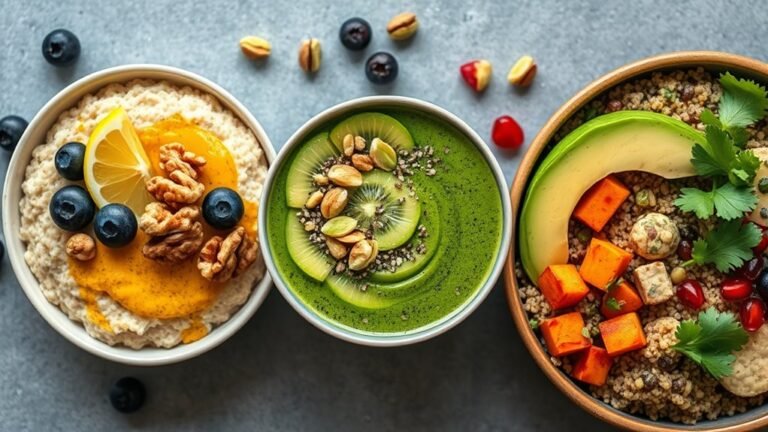
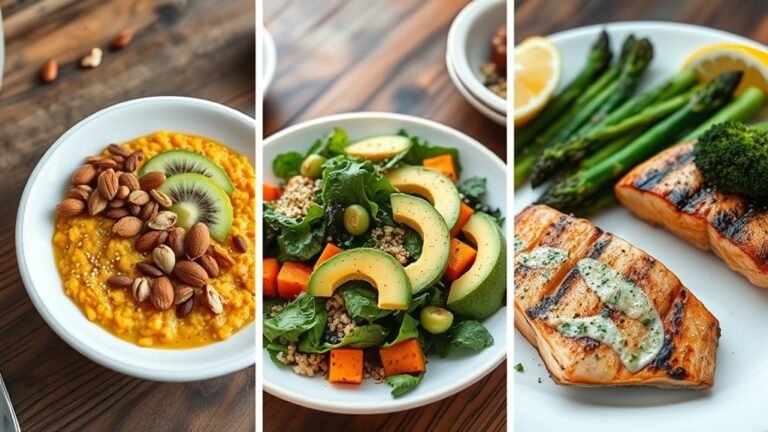
Focus on eating plenty of fruits, vegetables, whole grains, lean proteins, and low-fat dairy.
Use herbs and spices instead of salt to add flavor, and choose healthy cooking methods like baking or steaming.
Track your meals to stay on target and adjust portions based on your activity and blood pressure.
Keep going, and you’ll discover more tips to optimize your DASH plan.
How To Follow The DASH Diet Meal Plan
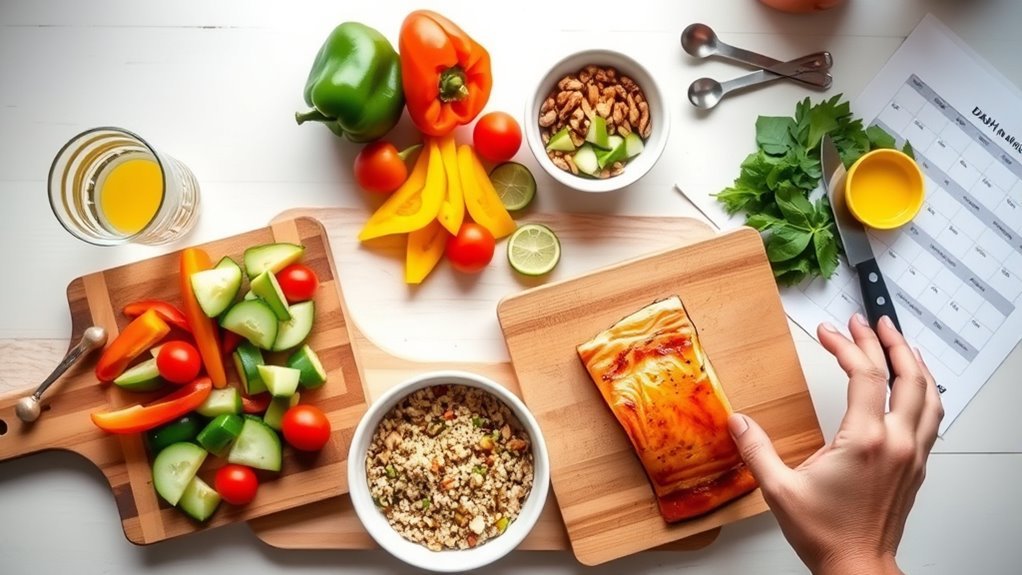
Before you begin, familiarize yourself with the recommended daily servings of vegetables, fruits, whole grains, lean proteins, and low-fat dairy that fit your calorie needs. This knowledge sets a solid foundation for following the DASH diet effectively.
Use meal planning tools to compare your current eating habits with DASH guidelines. Gradually adjust portion sizes and swap food choices to include nutrient-dense options like nuts, beans, and fish.
Be mindful of sodium intake by limiting processed foods and preparing meals ahead of time, which helps you control added salt. Instead of salt, rely on herbs and spices to enhance flavor.
Tracking your food intake regularly ensures you stay on target with DASH’s goals. By focusing on balanced portion sizes and smart meal planning, you’ll find it easier to maintain a healthy diet that supports your blood pressure management and overall wellness.
Understand DASH Diet’s Key Nutrient And Sodium Guidelines
Although the DASH diet includes a variety of nutrient-rich foods, you’ll need to pay close attention to key minerals like potassium, calcium, and magnesium. At the same time, keep sodium intake well below 2,300 mg daily, ideally closer to 1,500 mg, to effectively manage your blood pressure. This focus helps guarantee you’re getting the right balance of nutrients without excess sodium that can raise blood pressure.
Prioritize potassium, calcium, and magnesium while keeping sodium under 1,500 mg for optimal blood pressure control.
To follow the DASH guidelines, remember to:
- Aim for about 4,700 mg of potassium daily through fruits, vegetables, and nuts.
- Stick to specified servings of low-fat dairy, whole grains, lean proteins, and seeds to meet calcium, magnesium, and fiber needs.
- Limit processed foods high in sodium and saturated fats to keep your sodium intake in check.
Calculate Your Daily Calorie And Sodium Needs For DASH
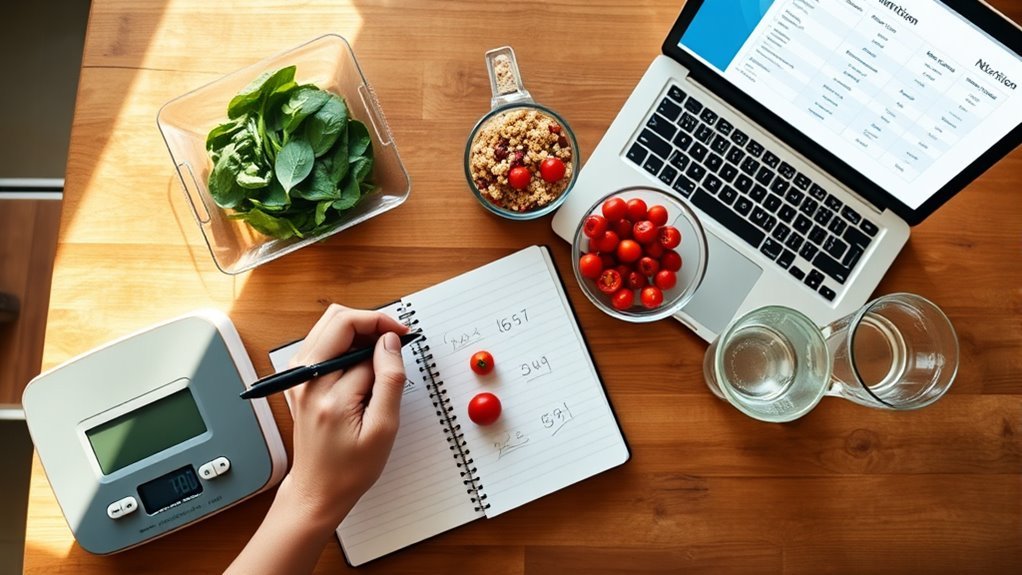
To follow the DASH diet effectively, start by figuring out your daily calorie needs. This depends on your age, gender, activity level, and what your weight goals are. Once you have that number, you can set a sodium intake target. Aim for 1,500 mg for the best results, but if that feels too strict, up to 2,300 mg is still good. Just keep in mind that as your activity level or health changes, you should adjust both your calorie and sodium goals accordingly.
Determine Calorie Requirements
When you calculate your daily calorie and sodium needs for the DASH diet, you’ll tailor your plan to support your health goals effectively. Determining your calorie requirements guarantees you consume the right amount of energy without overdoing it.
Your calorie needs typically range from 1,200 to 2,600 daily calories, depending on factors like age, sex, weight, height, and activity level. To find your specific calorie requirements, consider these steps:
- Use an online calculator or app designed for DASH diet planning.
- Consult a healthcare professional for personalized advice based on your health goals.
- Track your intake regularly to ensure your daily calories meet but don’t exceed your needs.
This approach helps you maintain a balanced diet aligned with your health goals.
Set Sodium Intake Goals
Setting clear sodium intake goals is essential for following the DASH diet effectively and managing your blood pressure. The standard DASH diet suggests keeping your sodium intake under 2,300 mg daily, but aiming for 1,500 mg can provide greater blood pressure benefits.
To set realistic goals, calculate your daily calorie and sodium needs by considering your age, sex, weight, and height. Use online calculators or consult a healthcare professional for accuracy.
Gradually lower your sodium intake by reading food labels carefully and choosing lower sodium options, especially with processed and packaged foods. Regularly monitoring your blood pressure will help you see how your sodium intake affects your health and allow you to make necessary adjustments to stay on track.
Adjust Based On Activity
Understanding your daily calorie and sodium needs plays a key role in tailoring the DASH diet to fit your lifestyle. Your activity level directly impacts your calorie needs and portion sizes, so modifying these factors ensures you stay on track without feeling deprived.
Here’s how to adjust based on activity:
- Calculate your daily calorie needs using age, sex, weight, height, and activity level to guide portion sizes.
- Estimate your sodium intake limit, aiming for less than 2,300 mg or as low as 1,500 mg for better blood pressure control.
- Track your current intake and adjust meal plans as your activity level changes to maintain balanced calorie and sodium intake.
Regularly reassess these factors to keep your DASH diet aligned with your health goals.
Plan DASH Diet Meals With Fruits, Vegetables, And Whole Grains
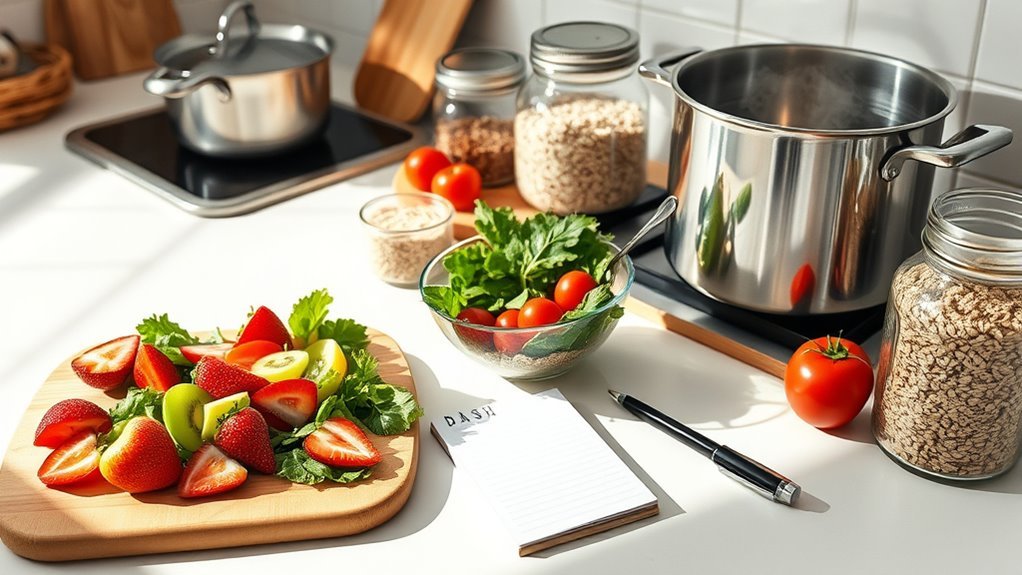
You should prioritize fresh fruits because they give you the most nutrients without any added sugars or sodium. Plus, whole grains like brown rice and whole-wheat bread are great to include—they boost your fiber intake and support heart health. When you balance these choices, your meals stay nutritious and fit perfectly with the DASH guidelines.
Prioritize Fresh Fruits
Incorporate at least four to five servings of fresh fruits and vegetables into your daily meals to meet the DASH diet’s potassium and fiber goals. Prioritize fresh fruits like apples, berries, peaches, and oranges to maximize nutrient intake. Use proper portion sizes, such as one medium fruit or ½ cup sliced, to track servings easily.
Here’s how to prioritize fresh fruits effectively:
- Choose fresh, unprocessed fruits over canned or dried to avoid added sugars and sodium.
- Incorporate fruits as natural sweeteners in recipes and snacks instead of processed sugars.
- Complement your fruit intake with whole grains like brown rice or oats for balanced meals.
Emphasize Whole Grains
Fresh fruits provide essential nutrients, but pairing them with whole grains can take your DASH diet meals to the next level. Aim to include at least three servings of whole grains daily, such as whole-wheat bread, brown rice, or quinoa.
Whole grains boost fiber intake and increase nutrient density, offering magnesium, potassium, and dietary fiber, which are key for blood pressure control. Swap out refined grains like white rice or white flour for their whole-grain versions to enhance satiety and health benefits.
When shopping, look for labels stating “100% whole grain” or at least 3 grams of fiber per serving. By combining whole grains with fruits and vegetables, you’ll create balanced meals that support heart health and keep you energized throughout the day.
Choose Lean Proteins And Low-Fat Dairy For The DASH Diet
When choosing proteins for your DASH diet, focus on lean options like skinless chicken, turkey, fish such as salmon, and plant-based sources like beans and lentils. These lean proteins help support heart health by reducing saturated fat intake.
Pair these with low-fat dairy products like skim milk, low-fat yogurt, and reduced-fat cheese to meet your calcium needs without adding excess fat. For sodium reduction, flavor your meals with herbs, spices, and citrus instead of salt.
Here’s how you can make the most of lean proteins and low-fat dairy on the DASH diet:
- Aim for 3-6 ounces of cooked lean meat or fish per meal to balance nutrients and calories.
- Choose fat-free or low-fat dairy options to get essential calcium while minimizing saturated fat.
- Use natural seasonings to keep sodium levels low and enhance flavor.
This approach will help you maintain heart health and stick to the DASH diet guidelines effectively.
Foods To Limit And Avoid On The DASH Diet
To stick with the DASH diet, you’ll want to limit foods high in sodium, saturated fats, and added sugars. So, that means cutting back on processed foods, fatty meats, full-fat dairy, and sweets. Keeping these in check really helps lower your blood pressure and supports overall heart health.
Foods High In Sodium
Since sodium can quickly add up in your daily meals, it’s important to watch out for common high-sodium foods that can easily push you beyond the DASH diet’s recommended limits. Processed foods like canned soups, deli meats, and frozen meals often contain over 1,000 mg of sodium per serving.
To stay on track, limit these:
- Packaged snacks such as chips and salted nuts, which have 200–400 mg of sodium per ounce.
- Fast food like burgers, fries, and fried chicken, frequently packing more than 1,500 mg per meal.
- Condiments including soy sauce, ketchup, and salad dressings, with soy sauce providing about 1,000 mg per tablespoon.
Always check nutrition labels so you can control your salt intake and keep your sodium within DASH guidelines.
Saturated Fat Sources
Where do saturated fats hide in your diet, and why should you limit them on the DASH plan? Saturated fats mainly come from fatty meats, full-fat dairy, and tropical oils like coconut and palm oil. These fats can raise your LDL cholesterol, increasing heart disease risk.
Processed foods, including many baked goods and snacks, often sneak in hidden saturated fats. To protect your heart health, the DASH diet recommends keeping saturated fat intake under 6% of your daily calories.
Instead of saturated fats, choose healthy fats from sources like olive oil, nuts, and seeds. By swapping saturated fats for unsaturated fats, you support better cholesterol levels and overall cardiovascular health while still enjoying flavorful meals.
Added Sugars And Sweets
Although sweet treats can be tempting, the DASH diet encourages you to limit added sugars and sweets to help manage your blood pressure and maintain a healthy weight. Consuming too many sugary foods and processed desserts can lead to weight gain and higher blood pressure.
To stay on track, focus on these key points:
- Limit foods high in added sugars like candies, baked goods, and sugar-sweetened beverages.
- Avoid processed desserts as much as possible, opting for naturally sweet options like fresh fruits.
- Stick to the American Heart Association’s guidelines: no more than 6 teaspoons of added sugars daily for women and 9 teaspoons for men.
Build Balanced DASH Meals With Proper Portion Sizes
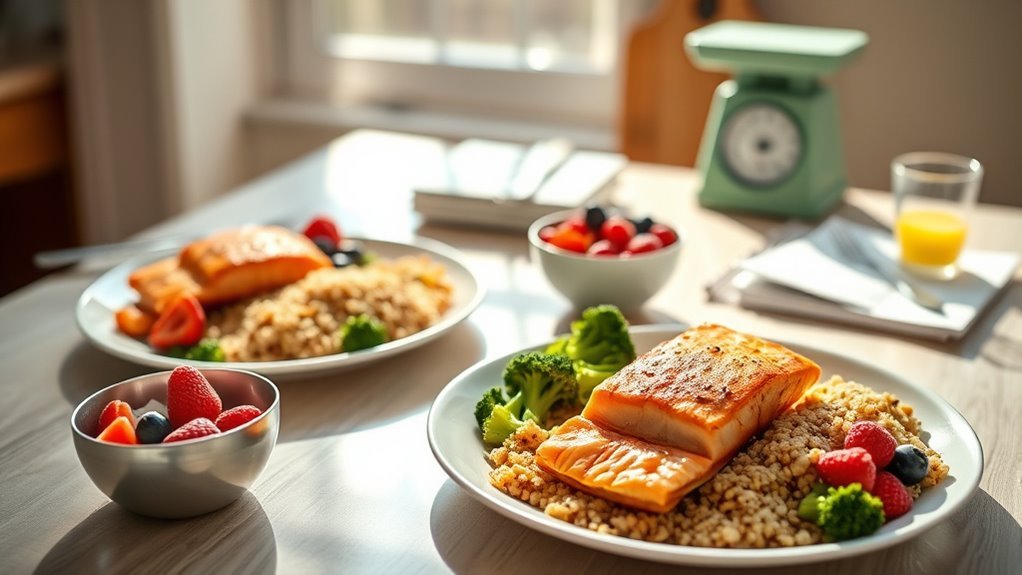
When you build balanced DASH meals, using proper portion sizes helps you meet nutritional goals and control sodium intake effectively. Start by following serving size guidelines, like 1 cup of vegetables or 1 ounce of nuts, to keep your portions in check.
Accurate portion control ensures you don’t consume excess calories or sodium, which is key to managing blood pressure. Include a variety of nutrient-rich foods from each food group: fruits, vegetables, whole grains, lean proteins, and low-fat dairy.
Aim for about 45-50% of your calories from carbohydrates, focusing on fiber-rich whole grains. Measure ingredients precisely using cups, spoons, or a food scale to maintain consistency.
Adjust your portions based on your individual calorie needs, making sure sodium stays under 2,300 mg daily. By balancing your meals with correct serving sizes across food groups, you’ll support heart health while enjoying satisfying, nutrient-packed dishes.
Healthy DASH Diet Snacks To Keep You Satisfied
Looking for snacks that satisfy your hunger without derailing your DASH diet? Choosing healthy foods that are nutrient-rich and low in salt is key to staying on track and supporting heart health. Here are three satisfying low-salt snacks to keep you energized between meals:
Satisfy hunger with nutrient-rich, low-salt snacks that support your DASH diet and heart health.
- Enjoy a small bowl of low-fat yogurt topped with fresh berries or peach slices for a creamy, nutrient-rich treat.
- Munch on raw veggies like carrots, celery, or cucumber paired with hummus to add fiber and essential nutrients.
- Snack on whole-wheat crackers spread with natural peanut butter or a handful of unsalted almonds for a balance of healthy fats, protein, and complex carbs.
These options help you control portions and sodium intake while keeping you full and satisfied. Incorporate these snacks into your DASH meal plan to maintain energy and support overall heart health effortlessly.
Use Flavorful Seasonings To Cut Sodium Without Losing Taste
To keep your meals flavorful without relying on salt, you can turn to herbs, spices, and citrus juices that add vibrant taste while slashing sodium intake. Using flavorful seasonings like garlic, onion powder, and pepper helps you reduce sodium without sacrificing the taste you love.
Fresh herbs such as basil, cilantro, and rosemary bring natural aroma and depth to your dishes, making every bite satisfying. You can also experiment with smoked paprika or ginger for a bold twist.
Don’t forget to finish your meals with a splash of vinegar or balsamic glaze, adding tangy flavor without increasing sodium. To further support your sodium reduction goals, look for commercial seasoning blends labeled low-sodium or salt-free. They’re convenient and effective.
Keep Track Of Your Meals And Nutrient Goals
Although it might seem tedious at first, keeping track of your meals and nutrient intake is vital for sticking to your DASH diet goals. Using a food diary or tracking app helps you record everything you eat and drink, including portion sizes. This way, you stay mindful of your choices.
Monitoring your sodium intake is essential. Aim to keep it below 2,300 mg daily, or 1,500 mg if you want greater blood pressure control.
Keep your sodium intake under 2,300 mg daily for health, or 1,500 mg for better blood pressure control.
To effectively track your progress, focus on these steps:
- Log all meals and snacks with portion sizes to compare against DASH diet guidelines.
- Monitor key nutrients like potassium, calcium, magnesium, and fiber to meet your nutrient goals.
- Review your food diary regularly to spot patterns and ensure you’re on track with your sodium intake and overall diet.
Adjust Your DASH Meal Plan Based On Results And Preferences
Once you’ve tracked your meals and nutrient intake for a while, you can use that information to fine-tune your DASH meal plan. Regularly reviewing your blood pressure and nutrient levels helps you decide if adjustments in sodium, potassium, or calories are needed.
Pay attention to how your body responds and make changes accordingly. Modify portion sizes or swap food choices based on your preferences and health goals. For example, increase plant-based proteins or whole grains if you need more fiber, while keeping sodium within limits.
You can also adjust fruit and vegetable servings to better suit your taste without straying from DASH guidelines. Keep tracking your progress over time to see which adjustments improve your blood pressure control and overall satisfaction with the diet.
Find DASH Diet Recipes And Cooking Tips For Success
When you focus on nutrient-rich ingredients like whole grains, lean proteins, fruits, and vegetables, creating DASH-friendly recipes becomes simpler and more enjoyable. To find DASH diet recipes that fit your lifestyle, use meal planning to organize your weekly menus around low sodium meals. This helps you control salt intake without sacrificing flavor.
Here are three healthy cooking tips for success:
- Use herbs, spices, and salt-free seasonings to flavor dishes instead of high-sodium condiments.
- Choose cooking methods like baking, steaming, or sautéing to preserve nutrients and reduce added fats.
- Replace processed snacks with homemade options like fruit salads, nuts, or whole-grain crackers.
Frequently Asked Questions
Can the DASH Diet Help With Weight Loss Beyond Blood Pressure Control?
Yes, the DASH diet can help you achieve weight loss benefits beyond just controlling blood pressure. By focusing on nutritional balance with plenty of fruits, vegetables, whole grains, and lean proteins, it encourages healthier eating habits.
Although it has dietary restrictions like limiting sodium and added sugars, these changes promote lifestyle changes that support weight loss and overall health. Sticking to the DASH diet helps you shed pounds while improving heart health.
Is the DASH Diet Suitable for Children and Teenagers?
Yes, the DASH diet is suitable for children and teenagers because it supports child nutrition and teen health by emphasizing fruits, vegetables, whole grains, and lean proteins. If your child has dietary restrictions, you can adapt the plan accordingly.
Incorporating the DASH diet into family meal planning helps everyone eat healthier together. This makes it easier to maintain good habits and support your child’s growth and well-being.
How Does the DASH Diet Compare With Other Heart-Healthy Diets?
Coincidentally, when you compare the DASH diet with other heart-healthy plans, you’ll find it excels in nutritional benefits by focusing on fruits, veggies, and low sodium. Unlike some diets with strict restrictions, DASH offers flexible dietary restrictions that fit various lifestyles.
This makes lifestyle integration easier for you, blending well with everyday habits. So, in a diet comparison, DASH stands out for balanced nutrition and practical adaptability.
Are There Any Supplements Recommended While Following the DASH Diet?
You generally don’t need extra supplements while following the DASH diet since it emphasizes nutrient-rich foods. However, if you’re concerned about vitamin intake or mineral supplementation, especially calcium, potassium, or magnesium, talk to your doctor first.
They can guide you on supplement safety based on your individual needs. Remember, focusing on whole foods usually covers most nutrient considerations, making supplements unnecessary unless you have a specific deficiency or medical condition.
Can I Follow the DASH Diet if I Have Food Allergies or Intolerances?
You can absolutely follow the DASH diet with food allergies or intolerances. Imagine crafting meals as carefully as a painter selects colors. Food allergy management is key. Use diet modification tips to swap out allergens without losing flavor.
Focus on allergen-free recipes and safe food choices to keep your meals both nutritious and enjoyable. This approach lets you stick to DASH principles while honoring your body’s needs.
Conclusion
So, following the DASH diet meal plan is as complicated as assembling furniture without instructions, except you actually get to enjoy delicious fruits, veggies, and lean proteins along the way. You’ll track nutrients, slash sodium, and still savor flavors.
This proves healthy eating doesn’t have to be a bland punishment. Stick with it, adjust as needed, and soon you’ll wonder why you ever thought eating well was so hard. Irony of health, right?