
Is Nutritional Yeast Gluten Free and Safe to Use?
Nutritional yeast is naturally gluten-free since it’s made from Saccharomyces cerevisiae yeast, not grains containing gluten. However, cross-contamination can happen during processing if it’s made in facilities handling gluten products. To stay safe, choose brands labeled gluten-free or certified gluten-free and avoid bulk options prone to contamination. Use clean utensils and store it separately from gluten foods. If you want to understand how to pick the best gluten-free nutritional yeast and use it safely, keep exploring the details.
Does Nutritional Yeast Contain Gluten?
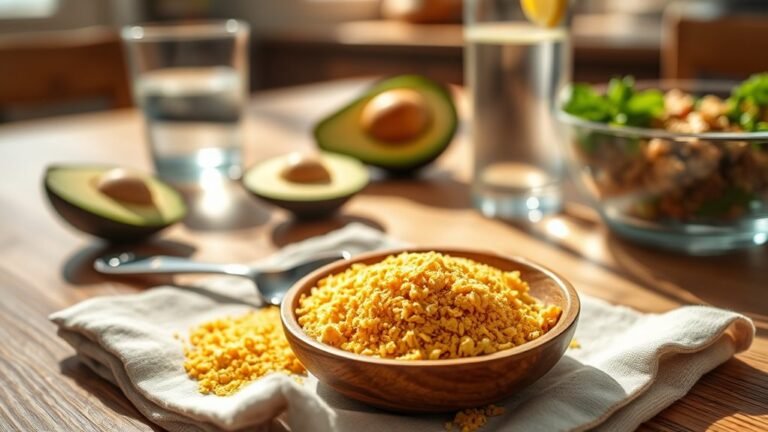
Although nutritional yeast is a popular ingredient for adding flavor and nutrients to meals, you might wonder if it contains gluten. The good news is that pure nutritional yeast itself doesn’t contain gluten. It’s made from a strain of Saccharomyces cerevisiae yeast, which is naturally gluten-free.
However, you should always check the packaging or contact the manufacturer to be sure. Cross-contamination during processing or packaging can introduce gluten in some brands.
If you have celiac disease or a gluten sensitivity, look for products labeled gluten-free or certified gluten-free to avoid any risks.
What Is Nutritional Yeast and How Is It Made?
When you choose nutritional yeast, you’re selecting a deactivated yeast made from a strain called Saccharomyces cerevisiae, grown specifically for its nutritional benefits. It’s cultivated on a sugar-rich medium, often molasses, then harvested and heated to deactivate it, meaning it won’t cause fermentation.
This process preserves its rich nutrient profile and gives it a cheesy, nutty flavor.
Here’s what happens during production:
- The yeast ferments sugar, multiplying rapidly.
- It’s then carefully washed and dried to stop activity.
- Finally, it’s processed into flakes or powder for easy use.
Understanding this helps you appreciate why nutritional yeast is a popular choice for boosting vitamins and flavor in gluten-free diets.
Can Nutritional Yeast Get Contaminated With Gluten?
Since nutritional yeast is produced through controlled fermentation and processing, it typically contains no gluten on its own. However, contamination can happen during packaging or if it’s processed in facilities that also handle gluten-containing grains.
If you’re sensitive to gluten, you need to be cautious about cross-contact risks. Some brands take extra steps to prevent contamination by using dedicated gluten-free facilities and clearly labeling their products.
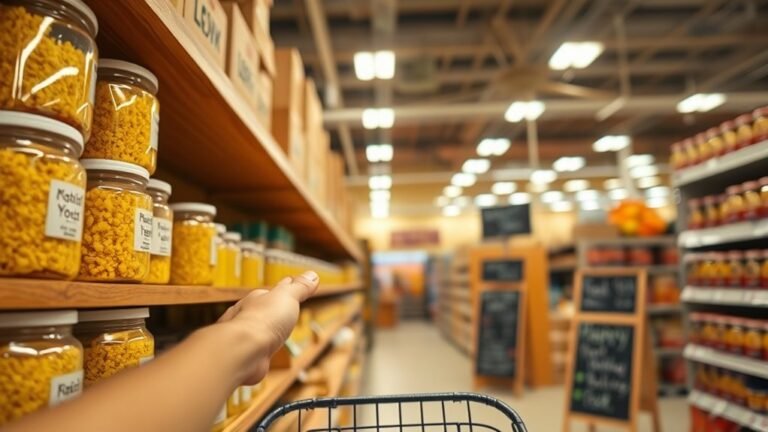
When buying nutritional yeast, check for gluten-free certification or statements on the packaging. Avoid bulk bins or loose yeast where cross-contamination is more likely.
Is Nutritional Yeast Safe for People With Celiac Disease?
If you have celiac disease, you’ll want to be careful about adding nutritional yeast to your diet. While pure nutritional yeast is naturally gluten-free, cross-contamination during processing can pose risks.
To stay safe, you should:
- Choose nutritional yeast labeled specifically as gluten-free.
- Avoid products processed in facilities that also handle gluten-containing grains.
- Consult your healthcare provider before introducing new supplements.
Which Nutritional Yeast Brands Are Truly Gluten-Free?
To guarantee your nutritional yeast is truly gluten-free, paying attention to brand choices is key. Some brands specifically test their products to ensure they contain no gluten, making them safer for those with gluten sensitivities or celiac disease.
Popular gluten-free options include Bragg, Red Star, and Bob’s Red Mill, all of which clearly label their products as gluten-free. These brands avoid cross-contamination during processing and packaging.
On the other hand, some nutritional yeast brands don’t provide clear gluten-free assurances, so it’s best to steer clear if you want to be cautious.
How to Identify Gluten-Free Nutritional Yeast Products
When you’re selecting nutritional yeast, checking the packaging carefully helps confirm it’s gluten-free. Look for clear gluten-free labels or certifications, which show the product has been tested and verified. Also, read the ingredient list to ensure no gluten-containing additives or fillers are included.
Be mindful of cross-contamination warnings, as some brands process nutritional yeast in facilities that handle gluten. To identify gluten-free options, focus on these key points:
- Certified gluten-free seals or symbols on the packaging
- Ingredient lists free from wheat, barley, rye, or malt
- Statements about manufacturing in gluten-free or dedicated facilities
How to Use Nutritional Yeast Safely on a Gluten-Free Diet
After confirming your nutritional yeast is gluten-free, you’ll want to use it in ways that keep your diet safe and enjoyable. Always check the packaging for gluten-free certification to avoid cross-contamination risks. Use clean utensils and surfaces when handling nutritional yeast to prevent gluten exposure from other foods.
Incorporate it into recipes like soups, sauces, or salads for a cheesy flavor boost without gluten worries. When dining out, ask about the source and preparation to verify it hasn’t contacted gluten-containing ingredients.
Store nutritional yeast in a sealed container away from gluten products to maintain its purity. By staying vigilant with labels, preparation, and storage, you can confidently enjoy nutritional yeast as a nutritious, gluten-free addition to your meals.
Frequently Asked Questions
Does Nutritional Yeast Lose Nutrients During Cooking?
Yes, nutritional yeast loses some nutrients when cooked, especially heat-sensitive vitamins like B12. To preserve most benefits, you should add it after cooking or use it as a topping on finished dishes instead of cooking it directly.
Can Nutritional Yeast Cause Allergic Reactions?
Yes, nutritional yeast can cause allergic reactions in some people, especially if you’re sensitive to yeast or mold. If you notice itching, swelling, or digestive issues, you should stop using it and consult your doctor.
How Does Nutritional Yeast Compare to Brewer’s Yeast?
Nutritional yeast has a cheesy flavor and is often fortified with B vitamins, while brewer’s yeast tastes bitter and is mainly used for fermentation. You’ll find nutritional yeast more popular in cooking and vegan diets.
What Are the Health Benefits of Nutritional Yeast?
You’ll boost your immune system, improve digestion, and support energy production with nutritional yeast. It’s packed with B vitamins, protein, and antioxidants, making it a great addition to your diet for overall health and essentiality.
Can Nutritional Yeast Be Used in Vegan Recipes?
Yes, you can definitely use nutritional yeast in vegan recipes. It adds a cheesy, nutty flavor and boosts protein and B vitamins, making your dishes tastier and more nutritious without any animal products.
Conclusion
Nutritional yeast is naturally gluten-free, making it a safe choice for your gluten-free diet. However, cross-contamination can happen during processing, so always check for certified gluten-free labels. If you have celiac disease or a severe gluten intolerance, choosing trusted brands and reading ingredient lists carefully is essential. By being mindful and selecting verified products, you can enjoy nutritional yeast’s flavor and benefits without worrying about gluten exposure.
4 Comments