What Is a Balanced Dinner Meal?
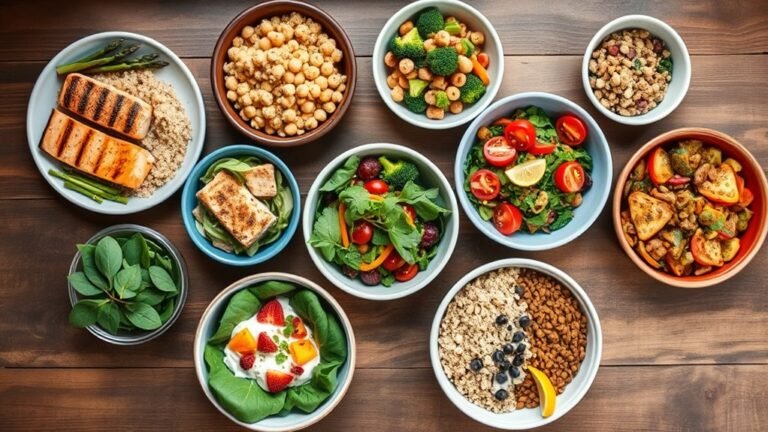
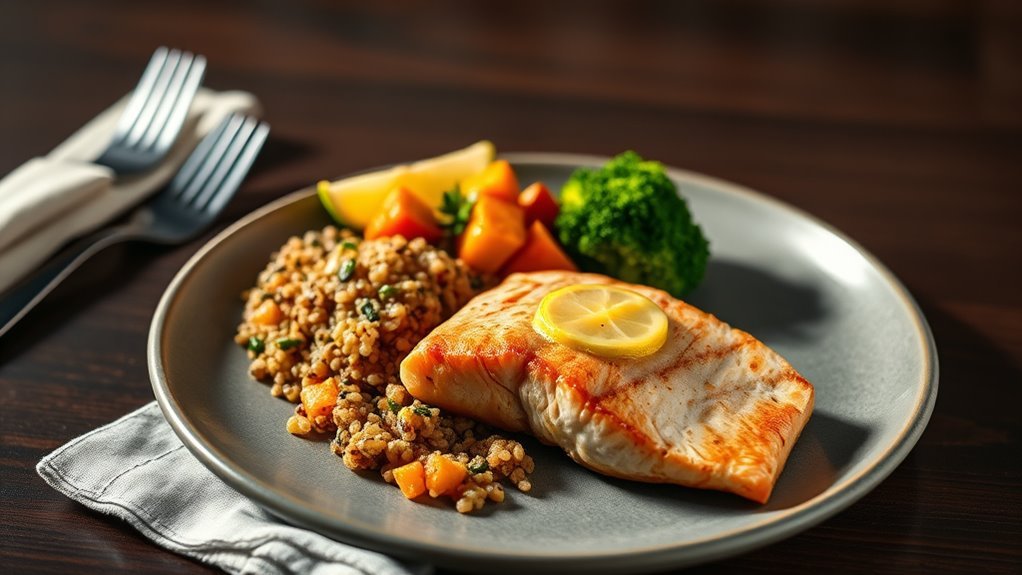
A balanced dinner meal gives you a mix of protein, colorful vegetables, whole grains, and healthy fats to keep your body energized and nourished.
Fill half your plate with veggies, a quarter with lean protein like fish or beans, and a quarter with whole grains such as brown rice.
Choose healthy oils like olive oil and limit added sugars and unhealthy fats.
You can also tailor meals to your tastes and culture while staying healthy.
Keep exploring to make meals both nutritious and enjoyable.
What Is a Balanced Dinner Meal and Why It Matters
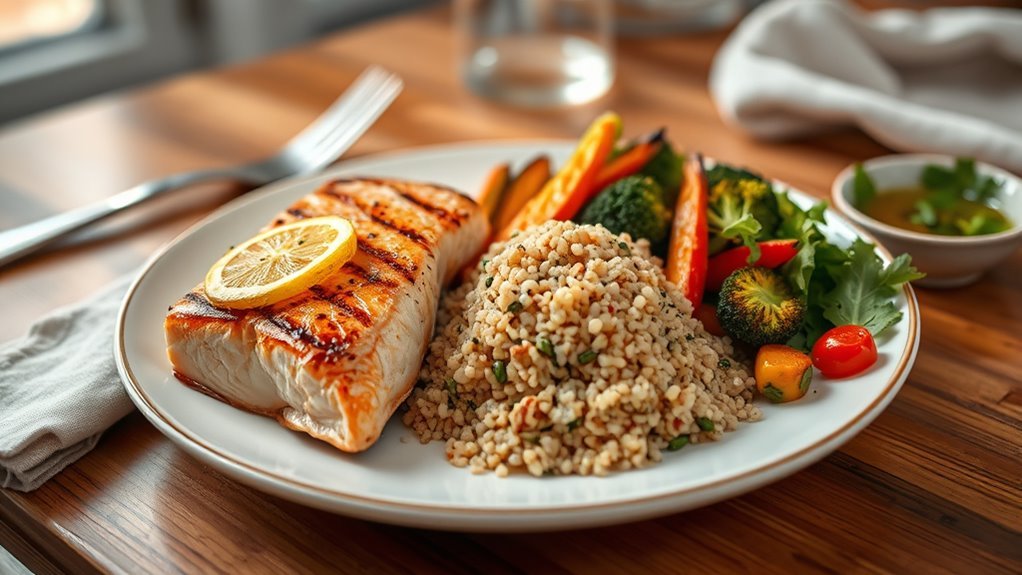
Although many meals might seem complete, a balanced dinner meal specifically includes a variety of nutrient groups in the right proportions to support your overall health. When you focus on a balanced dinner, you guarantee your plate has protein, vegetables, whole grains, and healthy fats.
These components work together to provide essential nutrients your body needs daily. Including protein helps repair tissues and build muscles, while whole grains supply steady energy. Vegetables add crucial vitamins and minerals, and healthy fats support brain function and hormone production.
Eating this way doesn’t just fuel you; it also promotes feelings of fullness, so you’re less likely to overeat later. Plus, meals balanced with these nutrient groups play a key role in reducing risks of chronic diseases like heart disease and stroke.
How to Portion Your Plate for a Balanced Dinner
When you portion your plate correctly, you make it easier to enjoy a balanced dinner that meets your nutritional needs. Start by filling half your plate with colorful vegetables to boost your intake of fiber and micronutrients.
Then, allocate about 25% of your plate to whole grains like brown rice or whole-wheat bread for steady energy throughout the evening. Reserve the remaining 25% for healthy protein sources such as fish, poultry, beans, or nuts, which support muscle repair and growth.
Using visual cues like a divided plate or portioned bowls helps you maintain these balanced proportions when preparing your meals. Keep in mind that these portions are approximate and can be adjusted based on your individual caloric needs and dietary preferences.
Choosing Proteins for a Balanced Dinner
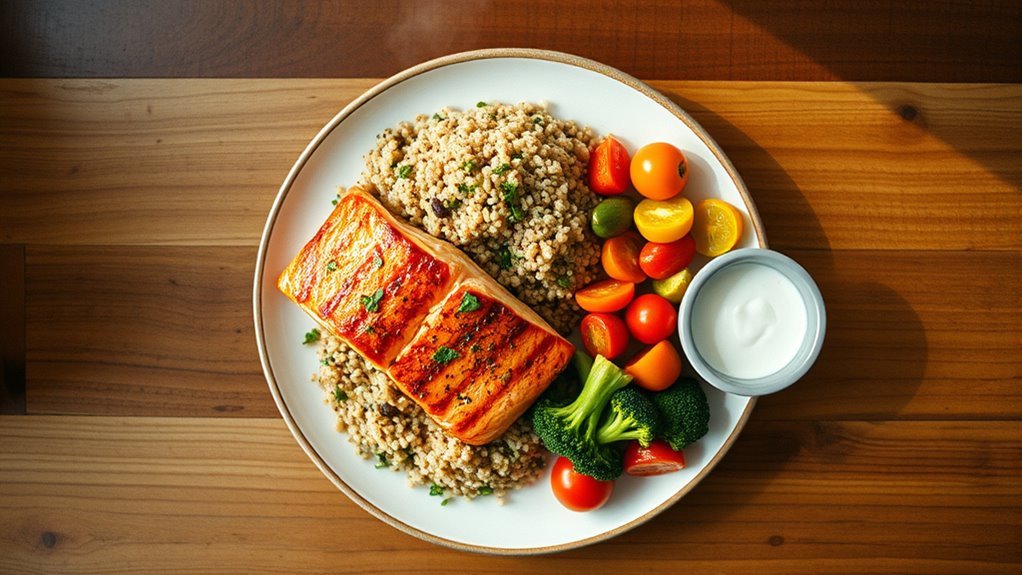
Why does choosing the right protein matter for your balanced dinner? Protein sources provide the essential amino acids your body needs for muscle repair and overall health. To build a balanced diet, focus on incorporating a variety of protein options.
Lean meats and seafood offer high-quality protein while helping you maintain energy balance. Including at least two servings of fish weekly, especially oily fish rich in omega-3s, supports heart health.
Don’t overlook plant-based proteins like beans, lentils, and nuts. They add fiber, antioxidants, and healthy fats that complement your meal. Limiting red and processed meats reduces health risks, so try to moderate those choices.
Adding Colorful Vegetables and Fruits to Your Balanced Dinner
You should try to fill half your plate with colorful vegetables and fruits because it really helps boost the variety of nutrients you get and supports your overall health. When you include different colors—like red, green, and orange—you’re making sure to get a wide range of vitamins and antioxidants.
And you know what? A vibrant plate doesn’t just nourish your body; it also makes your meal look more appealing and enjoyable to eat. It’s a win-win!
Importance of Variety
How can adding colorful vegetables and fruits transform your balanced dinner? By embracing variety, you boost both the appeal and nutritional value of your meal.
Filling half your plate with diverse produce like red tomatoes, orange carrots, and green spinach ensures you get a broad spectrum of phytochemicals, antioxidants, and fiber. These compounds work together to support your immune health and reduce the risk of chronic diseases such as heart disease and cancer.
Including a range of colorful vegetables not only enhances flavor but also guarantees a more all-encompassing nutrient intake, providing over 90% of your daily vitamin C and A needs. By prioritizing variety, you make your dinner more vibrant, satisfying, and beneficial for your overall well-being.
Nutrient Diversity Benefits
When you fill half your plate with colorful vegetables and fruits, you access a range of essential micronutrients and antioxidants that work together to protect your heart, reduce stroke risk, and lower the chances of certain cancers.
Including a variety of colorful vegetables promotes dietary diversity, ensuring you receive different phytochemicals that support immune function and overall health. This nutrient diversity enhances nutrient absorption, helping you avoid nutrient deficiencies that can compromise your well-being.
Research links diets rich in varied colors to better health outcomes, including a significant reduction in chronic disease risk. By prioritizing colorful vegetables and fruits in your balanced dinner, you not only enrich your meals but also boost your body’s defenses and long-term significance.
Colorful Plate Appeal
Adding a vibrant mix of colorful vegetables and fruits to your dinner plate not only boosts nutrient intake but also enhances the meal’s visual appeal. By filling half your plate with diverse produce, you get a rich variety of antioxidants, vitamins, and minerals that support your health.
Choosing colorful vegetables increases nutrient density while making your meals more satisfying and vibrant. Avoid starchy veggies like potatoes to maximize benefits. Here’s a quick guide to help you create visually appealing, nutrient-dense dinners:
| Color | Vegetable/Fruit | Key Nutrients |
|---|---|---|
| Red | Tomatoes, Strawberries | Lycopene, Vitamin C |
| Green | Spinach, Broccoli | Iron, Folate |
| Orange/Yellow | Carrots, Mango | Beta-carotene, Vitamin A |
| Purple | Eggplant, Blueberries | Anthocyanins, Fiber |
Embrace variety for balanced, vibrant meals!
Why Whole Grains and Starchy Veggies Matter
Because whole grains and starchy vegetables like brown rice, potatoes, and whole-wheat pasta provide complex carbohydrates, they give you steady energy and help keep your blood sugar stable. Including these foods in your balanced dinner is key for sustained significance and overall health. Here’s why they matter:
- Complex carbohydrates and dietary fiber in whole grains and starchy vegetables slow digestion, preventing blood sugar spikes and promoting digestive health.
- Their nutrient density means you get more vitamins, minerals, and antioxidants compared to refined carbs, supporting your body’s essential functions.
- Eating whole grains and starchy veggies regularly can lower cholesterol and reduce the risk of heart disease, thanks to the fiber content.
Using Healthy Fats and Oils for Balanced Dinners
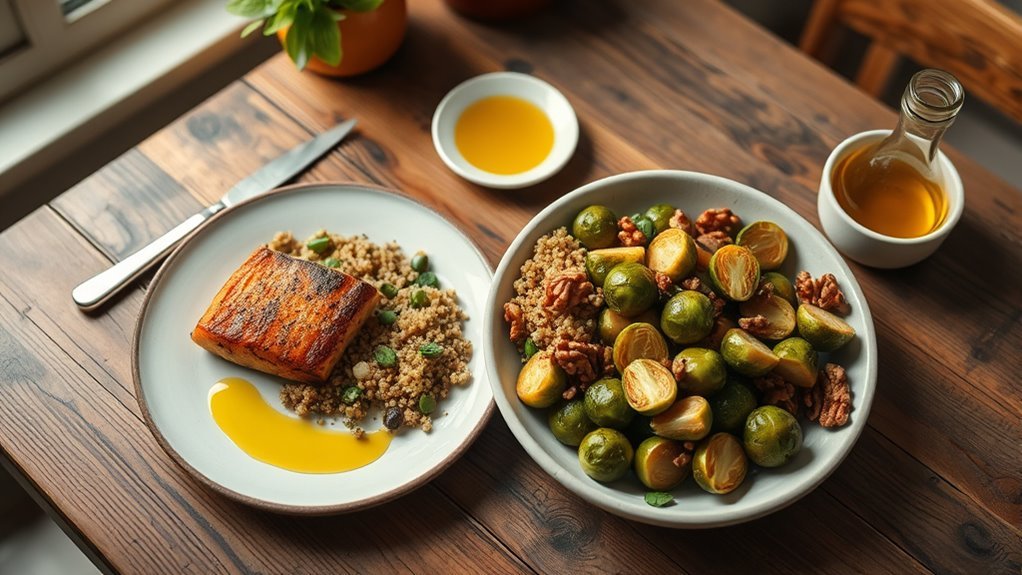
You can boost your dinner’s nutrition by choosing healthy oils like olive or canola. These oils support heart health and provide essential fatty acids. When you’re cooking or dressing your salad, try to use plant-based oils.
At the same time, it’s a good idea to steer clear of saturated fats like butter or harmful trans fats. By swapping out unhealthy fats for unsaturated oils, you’ll improve your meal’s overall fat quality. Plus, you’ll be doing your long-term health a big favor.
Types Of Healthy Oils
How can choosing the right oils transform your dinner into a heart-healthy meal? Using healthy oils like olive oil, rich in monounsaturated fats, can notably improve your heart health by lowering bad cholesterol.
These oils also provide antioxidants and vitamin E, which protect your cells and support overall wellness. When selecting cooking oils, consider these points:
- Opt for oils high in monounsaturated fats, such as olive oil, to reduce heart disease risk.
- Include oils with antioxidants and vitamin E to enhance nutrient absorption and cellular health.
- Avoid saturated fats and trans fats to maintain a balanced intake of healthy fats.
Cooking With Plant Oils
Selecting healthy oils like olive oil naturally leads to exploring how to cook with these fats to create balanced dinners. When you use plant oils such as olive oil and canola oil, you add healthy fats rich in monounsaturated fats and polyunsaturated fats.
These fats support heart health by lowering LDL cholesterol and reducing inflammation. Plus, plant oils contain essential fatty acids your body can’t make, which aid hormone function and cell health.
Cooking with these oils also provides antioxidants like vitamin E that protect your cells from oxidative damage. By replacing saturated fats with olive or canola oil, you help prevent cardiovascular issues and promote overall dietary balance.
Using moderate amounts of plant oils is a smart way to enhance both flavor and nutrition in your meals.
Avoiding Unhealthy Fats
Although fats are essential for a balanced dinner, it’s important to avoid unhealthy options like trans fats and excessive saturated fats. These fats can raise your risk of heart disease and other chronic conditions.
To keep your meals healthy, follow these tips:
- Limit butter and avoid partially hydrogenated oils, as they contain trans fats harmful to your heart.
- Steer clear of processed foods, which often hide trans fats and unhealthy saturated fats.
- Use healthy oils like olive or canola, which have monounsaturated fats that support cardiovascular health.
Limiting Sugar, Salt, and Unhealthy Fats at Dinner for Better Health
When you limit added sugars, salt, and unhealthy fats at dinner, you actively reduce your risk of heart disease, type 2 diabetes, and high blood pressure. Limiting sugar helps lower inflammation and insulin resistance, two key factors that contribute to chronic diseases.
Keeping your salt intake in check supports healthy blood pressure, which is vital for maintaining heart health. Instead of processed foods loaded with hidden sugars and salt, choose whole ingredients and cook meals from scratch.
Opt for healthy fats like olive oil, nuts, or avocados rather than trans fats found in fried and packaged foods. These healthier fats help reduce harmful cholesterol levels and improve cardiovascular function.
Adapting Balanced Dinners to Your Culture and Preferences
Balancing your dinner doesn’t mean giving up the flavors and traditions you love. You can create balanced meals by adapting cultural cuisines with traditional ingredients while keeping essential food groups like vegetables, proteins, and whole grains. Meal adaptation allows you to respect your heritage and meet nutritional guidelines.
Here are three ways to tailor your balanced dinners:
- Adjust portion sizes to fit your cultural practices, whether that’s multiple small courses or family-style dishes.
- Use visual guides, like filling half your plate with vegetables and dividing the rest between protein and whole grains, customized to your cultural flavors.
- Incorporate familiar spices and cooking methods to keep meals enjoyable and aligned with healthy eating principles.
This approach helps you enjoy diverse cultural cuisines while maintaining balanced meals that support your health and preferences.
Frequently Asked Questions
Can I Have a Balanced Dinner if I’M Vegetarian or Vegan?
Yes, you can have a balanced dinner as a vegetarian or vegan by focusing on plant-based proteins like beans, lentils, and tofu. Meal planning helps guarantee nutrient diversity and meets your protein intake needs despite dietary restrictions.
Use vegan sources rich in healthy fats and fiber, combine flavors creatively, and practice portion control. This approach guarantees a satisfying, nutritious meal that supports your health and tastes great every time.
How Late Is Too Late to Eat a Balanced Dinner?
Imagine you’re savoring a balanced dinner while the clock ticks past 9 pm. Late night snacking might seem tempting, but it’s too late. Eating close to bedtime disrupts digestion, triggers sleep disruption, and can cause metabolic slowdown.
Dinner timing matters. Finishing at least 2-3 hours before sleep helps manage evening hunger, controls calorie intake, and releases fasting benefits overnight. Avoid late dinners to keep your body and sleep on track.
What Are Some Quick Balanced Dinner Ideas for Busy Nights?
For quick prep on busy nights, you can whip up stir-fries using lean protein sources like chicken or tofu, paired with colorful veggie options like bell peppers and broccoli. Add grain choices such as quinoa or brown rice for energy.
Use flavor enhancements like garlic, ginger, or fresh herbs to keep it tasty. Meal planning and portion control help you stay on track, and simple cooking tips like one-pan meals save time without sacrificing nutrition.
How Does Hydration Factor Into a Balanced Dinner?
Hydration importance during dinner can’t be overstated. You’ll boost digestion and nutrient absorption by drinking water or eating hydrating foods like veggies.
Pay attention to thirst cues and sip fluids throughout your meal to maintain electrolyte balance and prevent dehydration. Proper hydration timing helps regulate appetite and supports overall fluid intake, enhancing your metabolic health.
Avoid sugary drinks to maximize water benefits, making your balanced dinner even more effective for your body.
Can Balanced Dinners Help With Weight Loss or Management?
Imagine Sarah, who lost 15 pounds by focusing on calorie control and portion sizes at dinner. Balanced dinners help you manage weight by emphasizing nutrient density and food variety, keeping you full longer.
Paying attention to glycemic index and meal timing supports steady energy, while mindful eating reduces overeating. Plus, meal prep makes it easier to stick to healthy choices.
Conclusion
So, you’ve learned to balance your plate like a pro: protein, veggies, whole grains, and healthy fats all in harmony. Who knew dinner could be both delicious and good for you?
It’s almost ironic that eating well doesn’t mean sacrificing flavor or fun. Next time you sit down, remember: a balanced dinner isn’t just about nutrition. It’s your secret weapon to feeling great without turning mealtime into a chore.
Enjoy every bite!