What Foods to Eat on a Mediterranean Diet Meal Plan
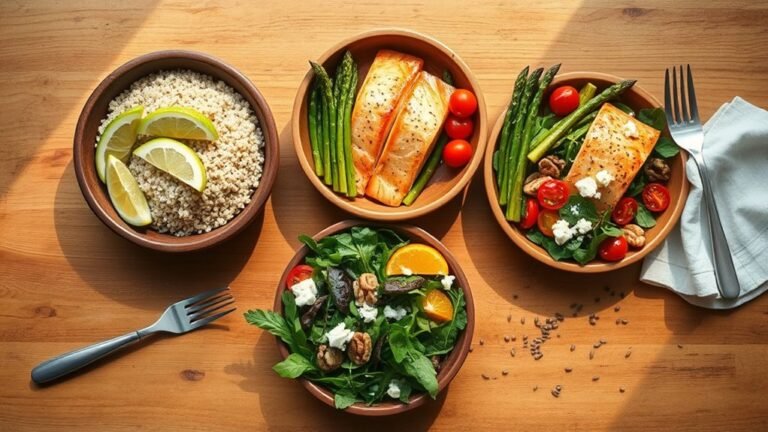
On a Mediterranean diet meal plan, you’ll fill your plate with colorful vegetables, fresh fruits, whole grains like quinoa and barley, and legumes such as beans and lentils.
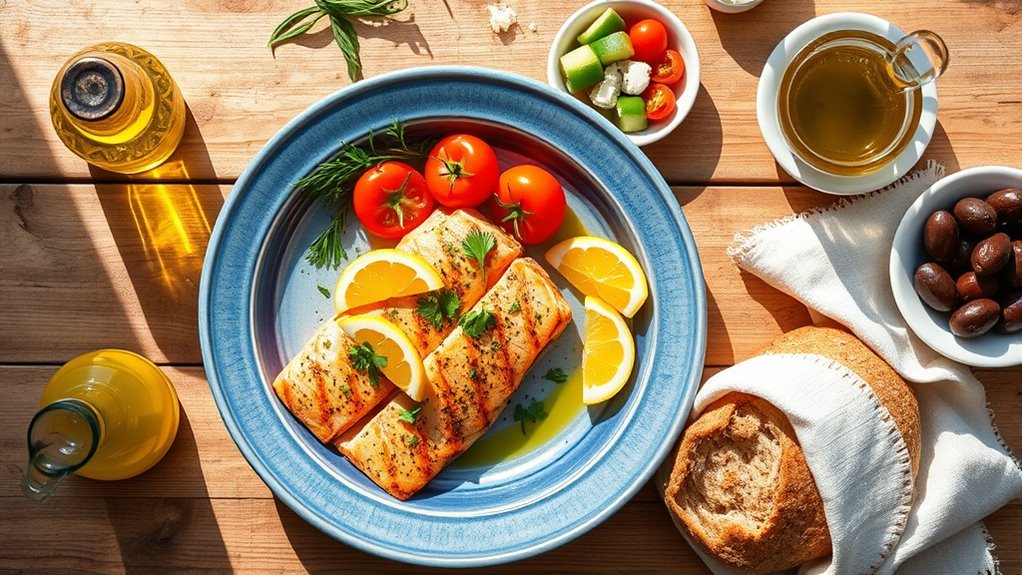
Use extra virgin olive oil for healthy fats and enjoy fish or seafood several times a week.
Include moderate portions of lean poultry, eggs, and low-fat dairy while limiting red meat and processed foods.
Keep exploring to uncover smart snack ideas and flavor tips that make this diet delicious and satisfying.
What Is the Mediterranean Diet? Core Principles and Benefits
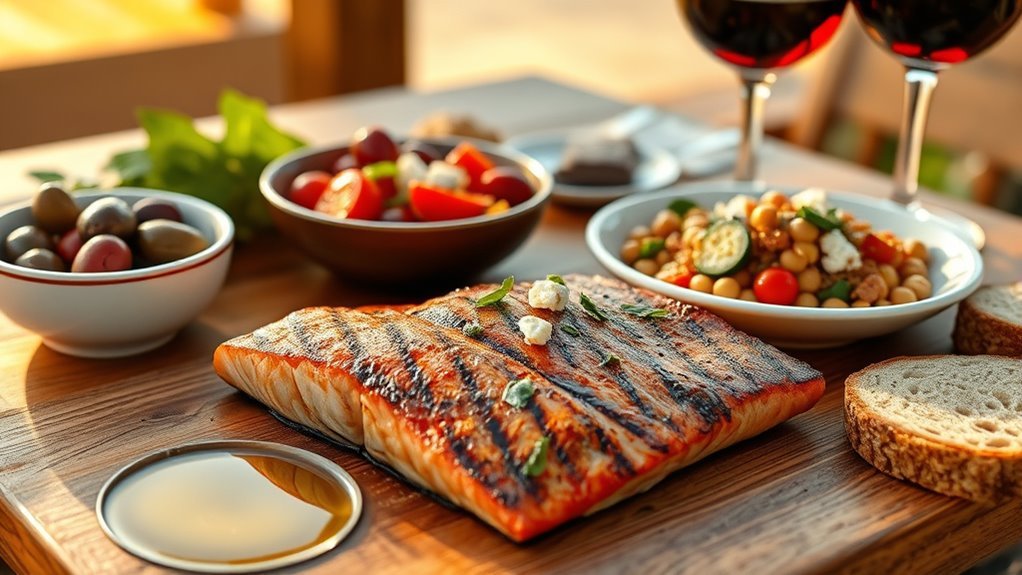
Although you might already know a bit about it, the Mediterranean diet focuses on traditional eating habits from countries near the Mediterranean Sea. It highlights plant-based foods, healthy fats like olive oil, and plenty of seafood.
You’ll base your meals on vegetables, fruits, whole grains, legumes, and nuts. These provide fiber and antioxidants that support your health. Healthy fats, especially olive oil, play a key role by helping reduce inflammation and protect your heart.
Seafood is encouraged regularly for its omega-3 fatty acids, which benefit cardiovascular health. You’ll also enjoy moderate amounts of poultry, eggs, and dairy, while limiting red meat and processed foods.
Drinking red wine in moderation is another characteristic element, adding antioxidants to your diet. Research shows that following this diet can lower your risk of heart disease, aid weight management, and improve overall wellness.
Core Foods of the Mediterranean Diet Meal Plan
Building your meals around the key components of the Mediterranean diet makes it easy to enjoy both flavor and nutrition. You’ll focus on abundant vegetables, fruits, whole grains, legumes, and nuts as the foundation. Healthy fats come primarily from extra virgin olive oil, replacing less healthy saturated and trans fats.
Incorporate fish and seafood, especially fatty types like salmon, sardines, and tuna, at least three times a week to boost omega-3 intake.
Key core foods to include are:
- Vegetables, fruits, whole grains, legumes, and nuts for fiber and essential nutrients
- Olive oil as your main source of dietary fat
- Fish and seafood regularly for heart-healthy fats
- Moderate servings of lean poultry, eggs, and dairy for balanced protein
This combination helps you build flavorful, nutrient-dense meals that align perfectly with Mediterranean diet principles.
How to Include Vegetables, Fruits, and Legumes Every Day
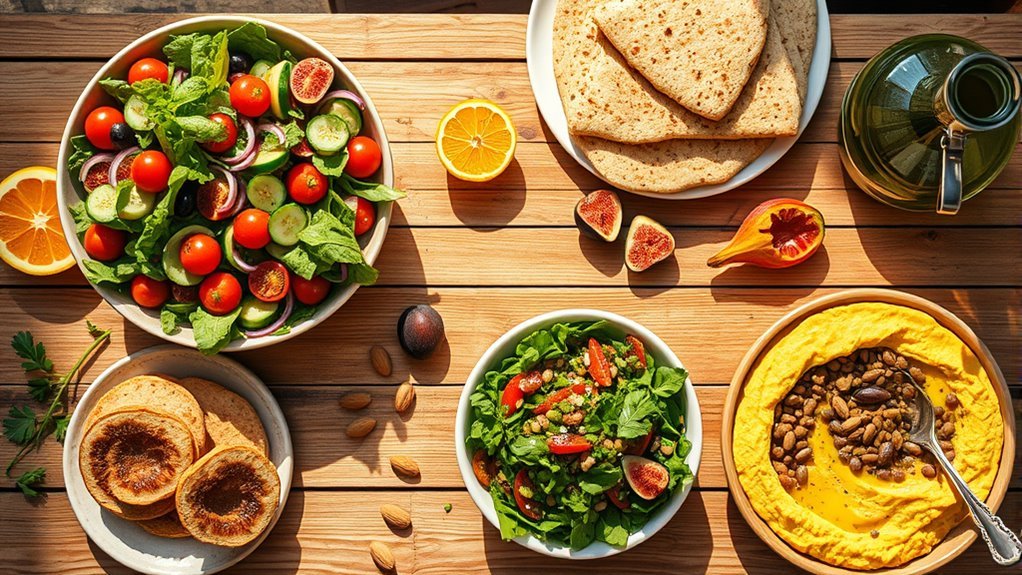
You can easily boost your Mediterranean diet by including a variety of colorful vegetables and fresh fruits in every meal. It’s a simple way to add more flavor and nutrients to what you eat.
And don’t forget about legumes! Adding beans, lentils, or chickpeas a few times a week gives you extra protein and fiber, which are great for your health.
Try to make half your plate fruits and veggies. This little habit helps make sure you get the nutrients you need every day without much effort.
Daily Vegetable Variety
When you make vegetables, fruits, and legumes a daily habit, you’ll naturally boost your nutrient intake and keep meals exciting. Aim for at least three servings of vegetables each day, including a cup of leafy greens at lunch and roasted vegetables at dinner.
Add colorful fruits like berries and melons to your plate for antioxidant variety. Don’t forget to sprinkle herbs and plant foods into every meal to enhance flavor and nutrient diversity.
Include leafy greens in salads or smoothies. Roast a mix of vegetables for dinner sides. Snack on vegetable sticks with hummus. Top whole-grain toast with chopped tomatoes and fresh herbs.
This approach guarantees you enjoy a range of tastes and nutrients daily, supporting your Mediterranean diet goals.
Incorporating Fruits Legumes
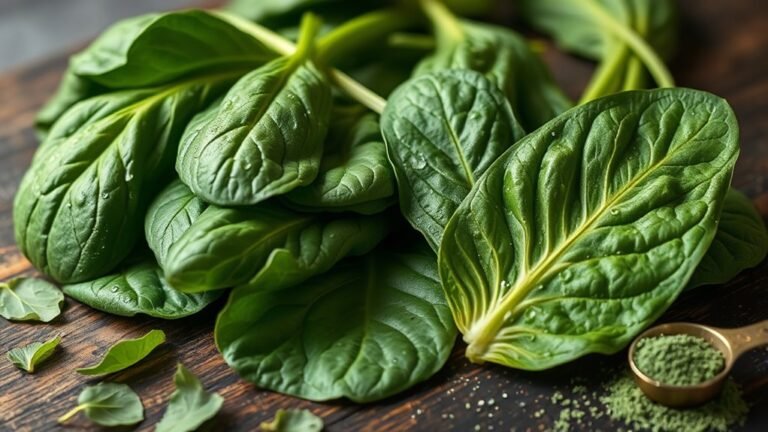
Although it might seem challenging at first, incorporating fruits, vegetables, and legumes into your daily meals becomes easy once you plan ahead. Aim for at least three servings of fruits and vegetables daily, filling half your plate with colorful veggies like spinach or peppers.
Add fruits to breakfast or snacks for extra nutrition and fiber. Include legumes such as beans, lentils, and chickpeas several times a week by tossing them into salads, stews, or using them as a protein source.
Combining legumes with grains or vegetables boosts fiber intake and supports heart health. Whether fresh, frozen, or canned, choose options without added sugar or sodium.
Thoughtful meal planning guarantees you enjoy these nutrient-dense foods every day, enhancing both flavor and wellness.
Best Whole Grains and Serving Sizes for Mediterranean Meals
Since whole grains form the foundation of many Mediterranean meals, choosing varieties like brown rice, quinoa, farro, barley, bulgur, and couscous can boost your intake of fiber, vitamins, and minerals. To maximize benefits, opt for minimally processed whole grains that keep their bran and germ intact. This guarantees you get the most fiber and nutrients in every bite.
Aim for serving sizes around ½ cup of cooked grains or one slice of whole-grain bread per meal. Including 3-6 servings of these whole grains daily helps keep you full, supports digestion, and stabilizes blood sugar levels. Using these grains as the base for salads or grain bowls fits perfectly with Mediterranean diet principles.
Keep these tips in mind:
- Choose whole grains like brown rice, quinoa, and barley.
- Stick to recommended serving sizes to balance carbs.
- Prioritize minimally processed grains for better nutrition.
- Incorporate whole grains in diverse meals for variety and health.
Healthy Fats in the Mediterranean Diet: Why Extra Virgin Olive Oil Matters
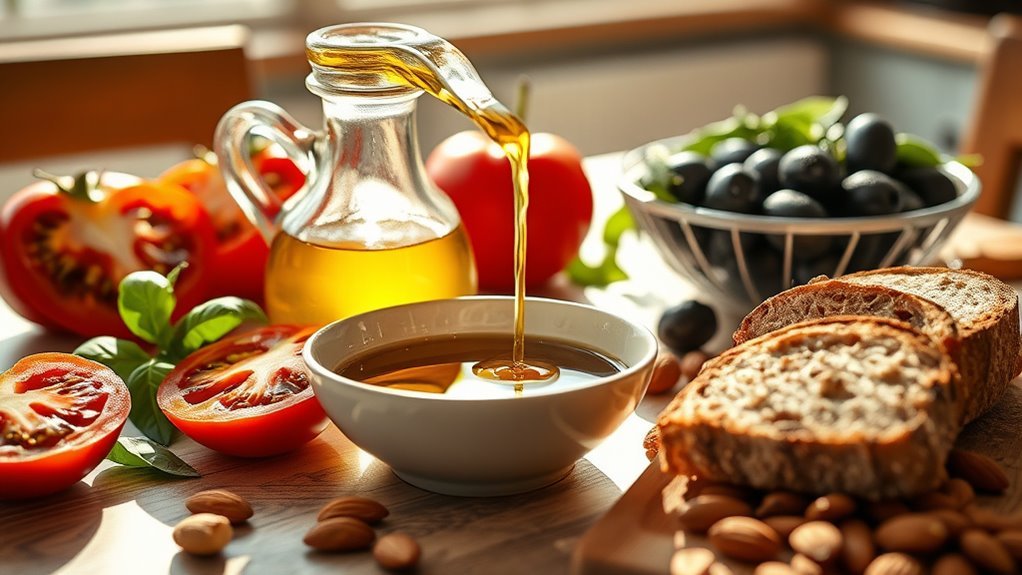
Whole grains provide a solid nutritional base for Mediterranean meals, but the fats you use to prepare and dress your dishes play an equally important role. Extra virgin olive oil stands out as a key source of healthy fats in this diet.
Rich in monounsaturated fats, it helps reduce bad LDL cholesterol, lowering your risk of heart disease. Beyond fats, extra virgin olive oil contains antioxidants like polyphenols, which combat inflammation and protect your cardiovascular health.
One notable compound, oleocanthal, mimics anti-inflammatory medications, potentially reducing chronic inflammation. Using extra virgin olive oil instead of saturated or trans fats markedly benefits your blood vessel health and circulation by improving endothelial function.
How to Enjoy Fish, Poultry, Eggs, and Dairy in Moderation
When you include fish, poultry, eggs, and dairy in your Mediterranean diet, focusing on moderation and quality makes all the difference. These foods provide essential lean proteins and healthy fats that support your overall health without overwhelming your meal plan.
Enjoy fish rich in omega-3s, like salmon or sardines, at least three times a week to boost heart health. Poultry, such as lean chicken or turkey, fits well in moderate portions, about once or twice weekly.
Include omega-3 rich fish thrice weekly and lean poultry once or twice for balanced nutrition.
Eggs are a nutritious option, but keep to one yolk per day or four per week if you’re mindful of cholesterol. For dairy, small daily servings of low-fat yogurt or cheese add calcium and probiotics.
Remember these tips for balance:
- Choose fatty fish regularly for healthy fats.
- Opt for lean cuts of poultry.
- Limit egg yolks to moderate amounts.
- Enjoy small portions of low-fat dairy daily.
Moderation guarantees you get the benefits without overdoing it.
Foods to Limit or Avoid on a Mediterranean Diet Meal Plan
You’ll want to cut back on added sugars found in sweets and sugary drinks because they can cause your energy to spike and crash. Also, watch out for processed foods and those high in sodium, like canned soups and salty snacks. These can raise your blood pressure and aren’t great for your heart health. Instead, try to focus on fresh, whole foods—that’s really the key to getting all the benefits of the Mediterranean diet.
Added Sugars And Sweets
Although sweet treats can be tempting, you should limit foods high in added sugars like baked goods, candies, and sweetened cereals on a Mediterranean diet. Processed desserts such as sweetened yogurt and granola bars often contain excessive added sugars, so enjoy them sparingly.
Sugary drinks, including sodas and fruit juices, add unnecessary sugar without fiber or nutrients and are best avoided. Instead, focus on natural sweetness from fruit to satisfy your sweet tooth.
Keep in mind to limit:
- Baked goods with hidden added sugars and unhealthy fats
- Processed desserts high in sugar content
- Sweetened yogurt varieties
- Sugary drinks like sodas and fruit juices
Choosing whole fruit helps you enjoy sweetness while staying true to the Mediterranean diet’s principles.
Processed And High-Sodium Foods
Since processed and high-sodium foods often contain excessive salt and unhealthy fats, you should limit or avoid items like packaged snacks, fast food, and frozen meals on a Mediterranean diet.
Many processed foods, including canned soups and deli meats, pack high sodium and preservatives that can raise your blood pressure. Baked goods such as commercial bread, cookies, and pastries often hide trans fats and added salt, making them unsuitable choices.
Foods like potato chips and instant noodles also contribute to excessive sodium and unhealthy fats intake. By steering clear of these items, you reduce your risk of cardiovascular disease and support heart health.
Instead, focus on fresh, whole foods with natural flavors, which align better with the Mediterranean diet’s principles and promote overall wellness.
Smart Snacks and Mediterranean Flavors to Elevate Your Meals
When hunger strikes between meals, choosing smart snacks can keep your energy steady and your Mediterranean diet on track. Opt for healthy snacks rich in Mediterranean flavors to satisfy cravings without compromising nutrition.
Smart snacking with Mediterranean flavors keeps energy steady and cravings satisfied without sacrificing nutrition.
Nuts and seeds like walnuts and almonds offer omega-3 fatty acids and fiber, while fresh fruits such as berries, apples, and figs provide natural sweetness and antioxidants. Vegetables like cucumber, cherry tomatoes, and bell pepper strips paired with hummus or tahini create nutrient-dense, flavorful options.
You can also elevate your snacks by adding Greek yogurt topped with honey, nuts, or fresh fruit for protein and probiotics. Don’t forget to boost taste with herbs and spices like oregano, basil, and sumac, which add zest without extra sodium.
Try these smart snack ideas to keep your meals exciting and wholesome:
- A handful of mixed nuts and seeds
- Fresh fruit with a sprinkle of cinnamon
- Veggie sticks with herbed hummus
- Greek yogurt drizzled with honey and nuts
Frequently Asked Questions
Can I Follow a Mediterranean Diet if I’m Vegetarian or Vegan?
Yes, you can follow a Mediterranean diet if you’re vegetarian or vegan. Focus on plant-based proteins like beans, lentils, tofu, and nuts. Use dairy alternatives and explore vegan-friendly recipes for variety.
Incorporate nutrient sources such as leafy greens and fortified foods to meet your needs. Meal substitution with these options keeps the diet balanced. Add herbs and spices for flavor enhancement, and consider dietary supplements to cover nutrients like B12 efficiently.
How Do I Meal Prep for a Week on a Mediterranean Diet?
To meal prep for a week on a Mediterranean diet, start with a detailed shopping list and ingredient list. Use batch cooking to prepare grains, roasted veggies, and proteins all at once. Portion meals into airtight containers for easy storage and reheating.
Incorporate time-saving techniques like making dips and dressings ahead. Try recipe ideas like grilled chicken with quinoa or veggie-packed salads. These meal prepping tips keep you organized and save time throughout your week.
Are There Any Mediterranean Diet-Friendly Desserts or Sweet Treats?
Delight in delicious, diet-friendly desserts! Mediterranean desserts often feature healthy sweet treats like fruit-based desserts bursting with berries or figs.
You’ll love nut-based sweets paired with honey desserts, offering natural sweetness without guilt. For dairy-free treats, try baked fruit desserts seasoned with a sprinkle of cinnamon or a drizzle of date paste.
These options satisfy your sweet tooth while sticking to wholesome, nourishing Mediterranean flavors you can feel good about.
How Does the Mediterranean Diet Impact Blood Sugar and Diabetes?
The Mediterranean diet improves your blood sugar regulation by emphasizing low glycemic index foods and balanced carbohydrate intake. It boosts your insulin sensitivity through healthy fats like olive oil and nuts, helping stabilize blood glucose levels.
This diet supports better metabolic health, reducing blood sugar spikes and promoting diabetes prevention. By choosing whole grains, legumes, and fish, you actively lower your risk of type 2 diabetes and manage existing conditions more effectively.
Can I Drink Alcohol, and Which Types Are Best on This Diet?
You can enjoy wine pairings, respect alcohol moderation, and explore thoughtful beverage choices on this diet. For social drinking, red wine offers health benefits due to antioxidants like resveratrol.
Follow drinking guidelines by limiting women to one glass and men to two, always with meals. If you prefer alcohol alternatives, consider sparkling water or herbal teas.
Conclusion
You’ll love how the Mediterranean diet blends flavor and health effortlessly. Did you know people following this plan have a 30% lower risk of heart disease?
By focusing on fresh veggies, whole grains, healthy fats like extra virgin olive oil, and moderate protein, you’re not just eating well. You’re investing in long-term wellness.
So go ahead, enjoy vibrant meals packed with nutrients that satisfy both your taste buds and your body.