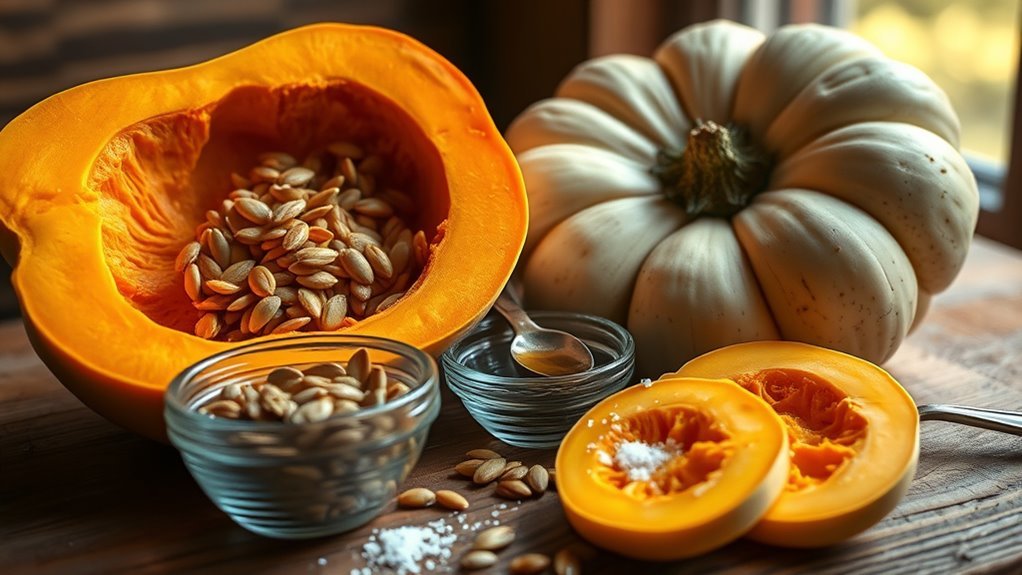
Understanding the Nutritional Value of Squash
You get a powerful mix of vitamins A, C, and B6, plus fiber, potassium, and magnesium when you eat squash. These nutrients help support your vision, immune system, brain health, digestion, and heart.
Different squash types offer various benefits, so choosing the right one can boost specific health goals.
Cooking gently and storing properly preserves these nutrients, maximizing their impact.
Keep exploring, and you’ll discover even more ways squash can enhance your wellness.
Key Nutrients That Make Squash a Superfood
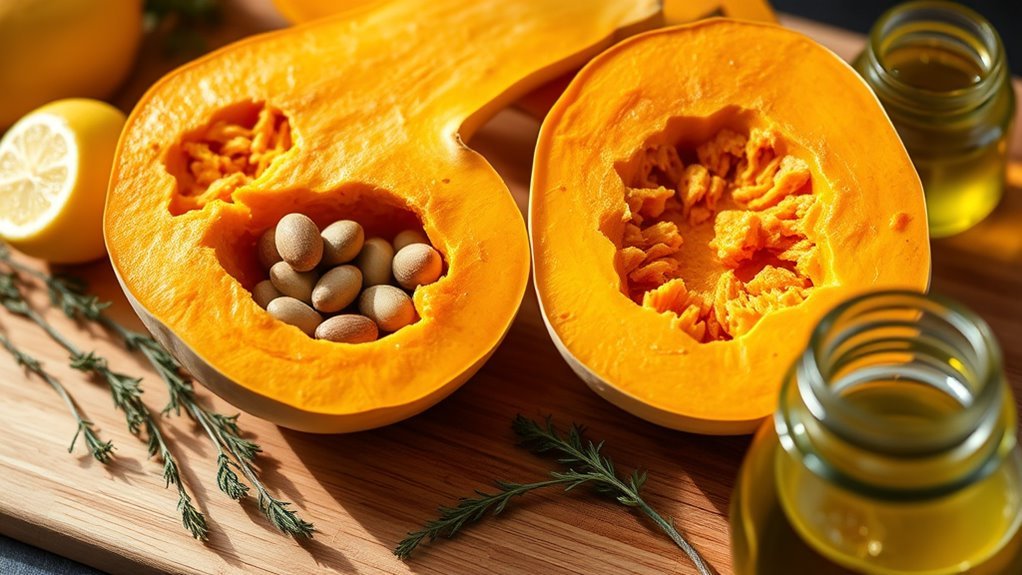
While you might not always think of squash as a superfood, it packs a powerful nutritional punch that supports your overall health. This vibrant vegetable is loaded with vitamins A and C, both essential for maintaining strong immunity and healthy skin.
The carotenoids in squash, such as beta-carotene, act as antioxidants that help protect your eyes and may lower cancer risk. You’ll also benefit from its dietary fiber, which aids digestion and helps regulate blood sugar.
Squash supplies important minerals like magnesium and potassium, vital for muscle function, blood pressure control, and overall cardiovascular health. Including squash in your meals guarantees you get a variety of these key nutrients that work together to keep your body functioning at its best.
Why Fiber and Antioxidants Matter for Your Health
You’ll find that the fiber in squash helps keep your digestion smooth and your blood sugar steady. Plus, it helps you feel full longer, which is a nice bonus. At the same time, antioxidants like vitamin C and beta-carotene are working to protect your cells from damage and give your immune system a boost. So, when you put it all together, these nutrients really play a big role in keeping you healthy overall.
Benefits of Dietary Fiber
How exactly does dietary fiber in squash benefit your health? It supports your digestion by adding bulk to stool, helping you avoid constipation and stay regular. Plus, the soluble fiber in squash can lower your blood cholesterol, cutting your heart disease risk.
Here’s why you’ll want to include squash in your diet:
- Improves digestion and bowel regularity
- Lowers blood cholesterol levels
- Enhances feelings of fullness, aiding weight management
- Stabilizes blood sugar, supporting diabetes control
Role of Antioxidants
Because antioxidants in squash, like beta-carotene and vitamin C, neutralize harmful free radicals, they play a crucial role in protecting your cells from damage. These antioxidants reduce oxidative stress, lowering your risk of chronic diseases.
Plus, the fiber in squash boosts gut health, which enhances antioxidant absorption and effectiveness. Together, fiber and antioxidants work synergistically to defend your body against cellular damage and support immune health.
| Antioxidant | Role in Health |
|---|---|
| Beta-carotene | Protects cells, reduces aging |
| Vitamin C | Boosts immunity, fights stress |
| Fiber | Supports gut, enhances absorption |
| Oxidative Stress | Reduced by antioxidants |
Eating squash means you’re actively fighting oxidative stress and promoting lasting wellness.
Vitamins A, C, and B6: How They Support Your Body
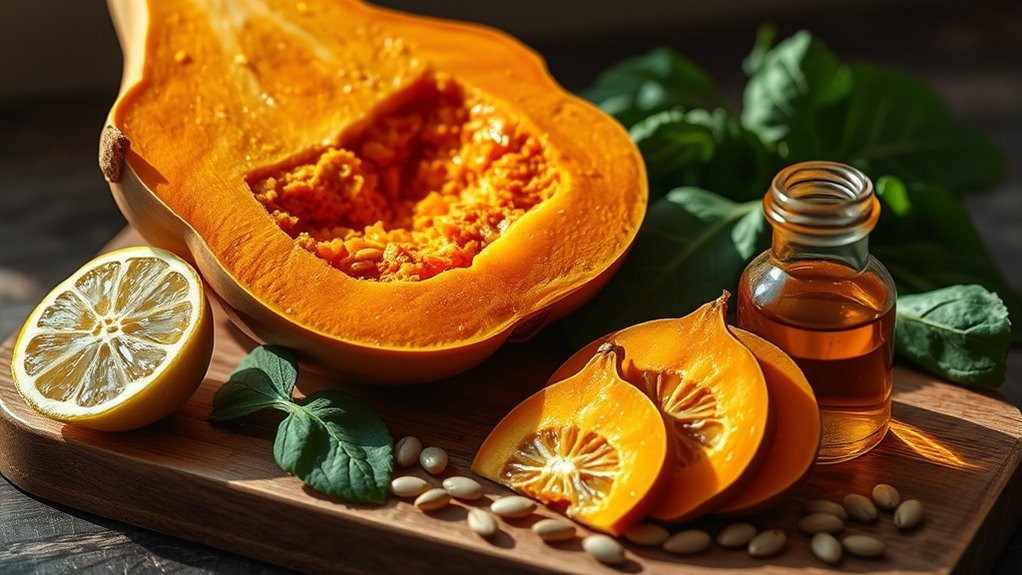
You rely on vitamins A, C, and B6 in squash to keep your vision sharp, immune system strong, and brain functioning well. Vitamin A supports healthy skin and eyesight. Then, vitamin C boosts your immune response and helps heal wounds. Meanwhile, vitamin B6 plays a key role in brain health and reducing heart disease risk.
Vitamin A Benefits
Why does vitamin A play such an essential role in your health? Vitamin A, mainly from beta-carotene found in squash, supports your body in powerful ways. It’s vital for maintaining vision health and preventing night blindness.
Plus, it acts as a strong antioxidant, protecting your cells from damage. Here’s how vitamin A benefits you:
- Enhances your vision, especially in low light.
- Prevents night blindness, keeping your eyes sharp.
- Supports healthy skin and mucous membranes, strengthening your body’s barriers.
- Provides antioxidants that guard your cells from oxidative stress.
Role of Vitamin C
How does vitamin C boost your health beyond just preventing colds? When you eat squash rich in vitamin C, like acorn or butternut, you support your immune function by stimulating white blood cell production.
Vitamin C also acts as a powerful antioxidant, protecting your cells from damage caused by oxidative stress. This helps lower your risk of chronic diseases such as heart disease and certain cancers.
Moreover, vitamin C enhances collagen synthesis, which promotes healthy skin, joints, and faster wound healing. It also improves iron absorption from plant-based foods, reducing anemia risk.
Importance of Vitamin B6
What makes vitamin B6 such an essential nutrient in squash? It’s necessary for your brain health, immune function, blood health, and cardiovascular health.
When you eat squash rich in vitamin B6, you:
- Boost brain health by producing neurotransmitters that keep your mind sharp.
- Support immune function through the synthesis of antibodies and white blood cells.
- Enhance blood health by aiding hemoglobin production, which carries oxygen and keeps you energized.
- Lower cardiovascular risks by regulating homocysteine levels, protecting your heart.
If you don’t get enough vitamin B6, you might feel irritable, depressed, or notice a weakened immune response. So, including squash in your diet helps guarantee you’re covered for these essential functions, keeping your body balanced and healthy.
Minerals in Squash: Benefits for Heart and Muscles
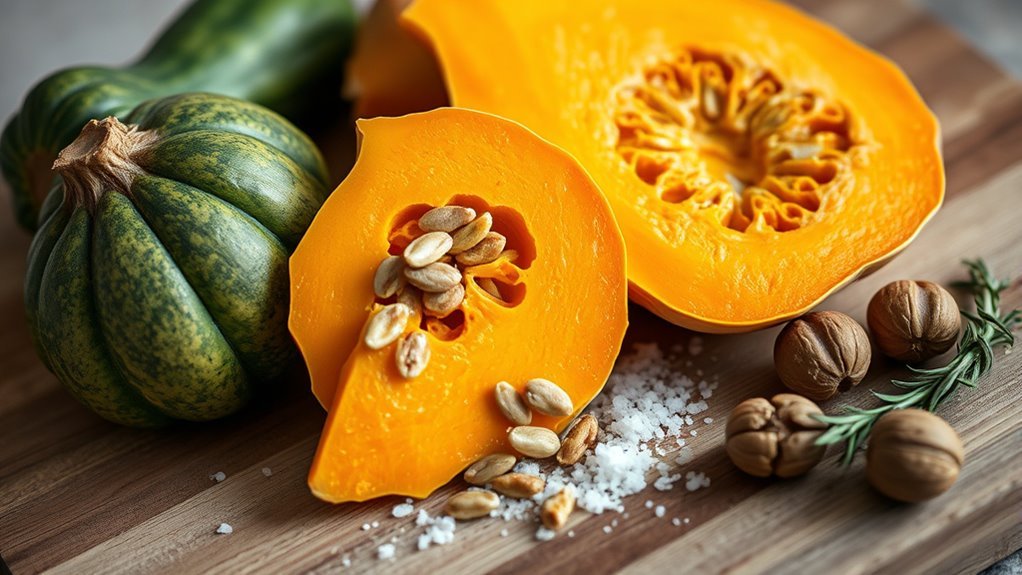
Because you rely on your heart and muscles every day, it’s important to give them the nutrients they need to function well. Squash is rich in essential minerals like potassium and magnesium, which play key roles in heart health and muscle relaxation.
Potassium helps regulate your blood pressure by balancing sodium levels and promoting vasodilation, supporting a healthy cardiovascular system. Meanwhile, magnesium aids muscle relaxation, reducing cramps and spasms during physical activity.
The mineral content in squash also supports proper nerve transmission, essential for smooth muscle coordination and overall bodily function. By including squash in your diet regularly, you provide your body with these important minerals, helping prevent cardiovascular diseases linked to mineral deficiencies.
With its powerful blend of potassium and magnesium, squash is a natural, tasty way to keep your heart strong and muscles functioning at their best.
Comparing Nutrients in Popular Squash Varieties
While all squash varieties offer valuable minerals like potassium and magnesium, their nutrient profiles can differ considerably. When comparing popular types, you’ll find distinct benefits that cater to various nutritional needs.
Each squash type delivers unique nutrients, making them beneficial for diverse health needs.
- Butternut squash packs about 48 calories per 100g and shines with high levels of vitamin A and vitamin C, boosting your immune system and skin health.
- Acorn squash provides roughly 17% of your daily vitamin C in a half-cup serving and is rich in potassium and magnesium, supporting heart and muscle function.
- Spaghetti squash is low in calories, around 42 per cup, and offers vitamin B6 and fiber, aiding digestion and brain health.
- Pumpkin, although not on your list, is rich in beta-carotene, which your body converts to vitamin A, crucial for eye health.
Understanding these differences helps you appreciate the unique nutritional value each squash variety brings to your plate.
How to Choose Squash for Maximum Nutritional Benefits
When choosing squash, you’ll want to focus on size and appearance to get the most nutrients and best flavor. Pick small to medium-sized squash, as they offer higher nutrient density. Check for firm, heavy squash with shiny, unblemished skin and a fresh stem. That’s a sign of freshness and quality.
Brightly colored varieties like deep orange or yellow usually have more beta-carotene and antioxidants, so choose those when possible. Avoid any squash with soft spots or bruises, which can mean spoilage and nutrient loss. Proper storage is key: keep your squash in a cool, dry place or refrigerate it, and use it promptly to maintain its nutritional value.
Simple Ways to Prepare Squash Without Losing Nutrients
Choosing the right squash is just the first step to enjoying its full nutritional benefits. How you prepare it plays a huge role in preserving nutrients. To maximize nutrient retention, try these simple cooking methods:
- Use steaming instead of boiling. Steaming preserves vitamins and antioxidants by avoiding nutrient loss in water.
- Roast squash at moderate temperatures. This keeps beta-carotene and vitamin C intact while boosting flavor.
- Cut squash into larger pieces before cooking. Bigger pieces reduce surface exposure, helping preserve water-soluble nutrients.
- Whenever possible, cook with minimal water. Baking or steaming limits nutrient leaching compared to boiling.
Also, keeping the edible skin adds extra fiber and nutrients, enhancing the squash’s health benefits. By following these tips, you’ll enjoy squash that’s both delicious and rich in nutrients, making your meals healthier and more satisfying.
How Eating Squash Can Boost Your Wellness and Prevent Disease
Because squash is packed with antioxidants like beta-carotene and vitamin C, eating it regularly can help reduce oxidative stress and lower your risk of chronic diseases such as cancer and heart disease. These antioxidants protect your cells and support disease prevention.
Regularly eating squash, rich in antioxidants, helps reduce oxidative stress and lowers chronic disease risk.
Squash’s high fiber content also plays a vital role in boosting your wellness by improving digestive health, regulating blood sugar, and aiding weight management. Moreover, nutrients like vitamin B6 promote brain health and may reduce depression risk.
Minerals such as magnesium and potassium help maintain healthy blood pressure and cardiovascular function. By incorporating squash into your diet, you strengthen your immune system and support overall well-being.
Embracing squash not only enriches your meals but also provides essential nutrients that work together to enhance your health. So, making squash a regular part of your diet is a simple yet powerful step toward long-term wellness and disease prevention.
Frequently Asked Questions
Can Squash Be Stored Long-Term Without Losing Nutritional Value?
Yes, you can store squash long-term without losing much nutritional value if you use proper storage techniques. Keep it in a cool, dark, and dry place to maximize its shelf life and nutrient retention.
Freezing cooked or pureed squash is an effective preservation method, maintaining nutrients for up to 8-12 months freeze duration. Just avoid heat and moisture exposure, and regularly check for spoilage to keep your squash healthy and nutritious.
Are There Any Common Allergies Associated With Eating Squash?
Yes, you can have a squash allergy, though it’s rare. You might experience symptoms of hypersensitivity like itching, swelling, or rashes. Cross reactivity with pollen, especially ragweed, can trigger these reactions.
Cooking squash often reduces allergens, making it safer for sensitive people. If you suspect an allergy, it’s smart to get allergy testing options from your doctor before eating squash regularly. This helps you avoid uncomfortable or dangerous reactions.
How Does Squash Compare Nutritionally to Other Vegetables?
Think of squash as a colorful treasure chest in your vegetable basket. Its nutritional comparison shows it shines with high vitamin content, especially vitamin A from beta-carotene, surpassing many greens.
Its mineral levels, like potassium and magnesium, stand tall alongside other veggies. You’ll appreciate its antioxidant properties and dietary fiber, which support digestion and health.
Squash offers a well-rounded, nutrient-rich option that’s low in calories but big on benefits.
Can Squash Be Included in Low-Carb or Keto Diets?
You can include squash in your low-carb or keto diet by choosing the right types. Summer squash like zucchini has low squash carbohydrate content and fits well with keto diet compatibility due to its minimal sugar levels in squash.
These low carb vegetable options provide dietary fiber in squash, helping digestion without spiking carbs. Just watch portion sizes, especially with higher-carb winter varieties, to keep your carb intake in check.
What Are the Environmental Benefits of Growing Squash?
Imagine you’re a farmer practicing sustainable farming, choosing squash because it conserves water and boosts soil health. Growing squash helps you reduce water usage thanks to its low needs and improves soil through its root system, which also supports pest resistance naturally.
Plus, incorporating squash in crop rotation keeps your land fertile and less prone to pests. You’re not just harvesting food, you’re nurturing the environment efficiently.
Conclusion
By adding squash to your meals, you’re not just enjoying a tasty side. You’re fueling your body with essential nutrients that support heart health, boost immunity, and keep your muscles strong.
Just like a knight trusted his armor, you can trust these vibrant veggies to protect your wellness. Choose wisely, prepare simply, and savor the benefits.
Embracing squash is a timeless way to nourish yourself and stay healthy in today’s fast-paced world.