10 Key Nutritional Values of Red Peppers You Should Know
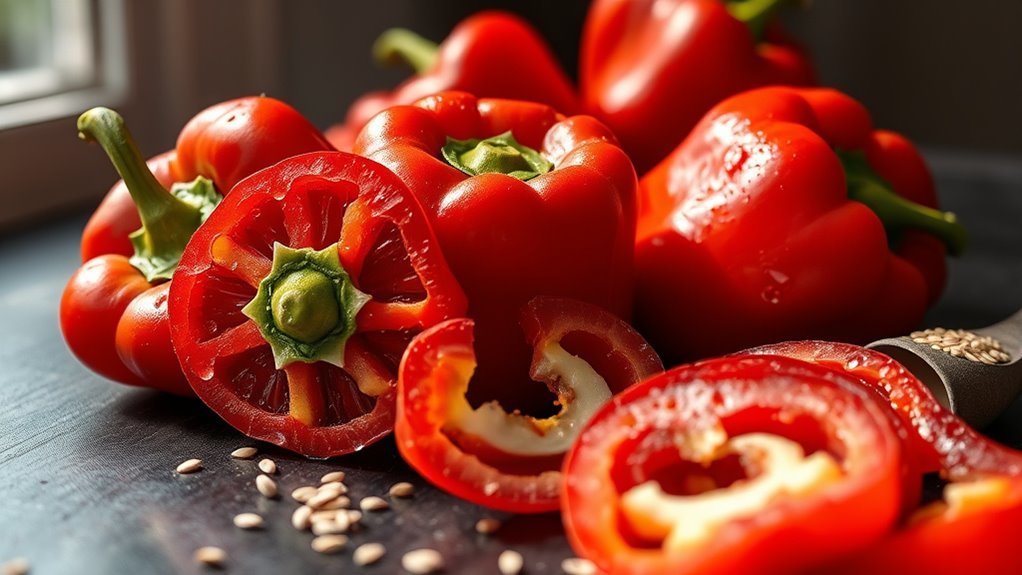
You’ll get powerful nutrition from red peppers, with just 26 calories per 100g and plenty of vitamin C to boost your immune system. They’re loaded with eye-friendly vitamin A and antioxidants like carotenoids that protect your cells.
Red peppers offer fiber for digestion, B vitamins for energy, and compounds that reduce cancer risk.
Plus, their anthocyanins support brain health.
Keep exploring to uncover easy ways to add these nutrient-packed peppers to your meals and reap their full benefits.
Calories and Macronutrients in Red Bell Peppers
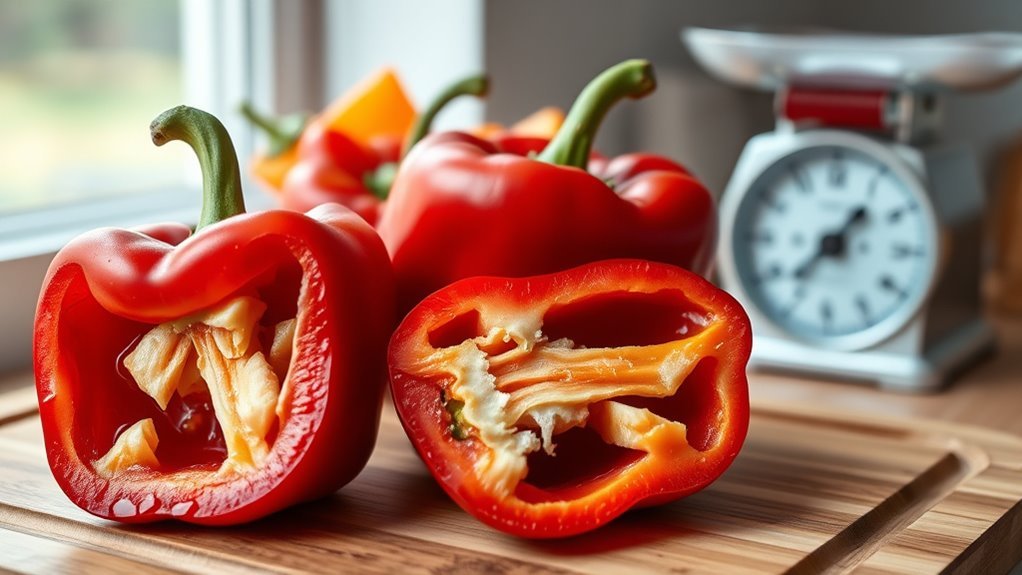
Although red bell peppers are vibrant and flavorful, they’re also incredibly light on calories. In just a 3.5 oz (100g) serving, you get about 26 calories, making them a smart choice if you’re watching your intake.
When it comes to macronutrients, red bell peppers are mostly water, which keeps the calorie count low while helping you stay hydrated. You’ll find around 6 grams of carbohydrates, which make up most of the calories, primarily from natural sugars.
Protein and fat are minimal, with roughly 1 gram of protein and only 0.3 grams of fat per serving. This balance means red bell peppers provide energy without overloading on any single macronutrient.
Whether you’re adding them to a salad or snacking on them raw, red bell peppers offer a light, nutritious boost without compromising your calorie goals.
Vitamin C in Red Peppers and Immune Support
You get a huge boost of vitamin C from just one medium red pepper, which helps keep your immune system strong. Plus, this powerful antioxidant fights inflammation and protects your cells from damage.
When you eat red peppers regularly, you’re giving your body a great way to defend against illness and promote overall health. It’s an easy and tasty way to support your well-being every day.
Vitamin C Content
Because red peppers pack about 152 mg of vitamin C per serving, providing roughly 169% of your daily needs, they play a powerful role in boosting your immune system. Vitamin C in red peppers acts as a potent antioxidant, shielding your immune cells from oxidative damage.
Including red peppers in your diet regularly helps prevent vitamin C deficiency, which can weaken your immune support. To get the most out of their vitamin C content, it’s best to eat red peppers raw since cooking methods like roasting can reduce their vitamin C levels by up to 25%.
Immune System Benefits
When you include red peppers in your diet, you boost your immune system thanks to their high vitamin C content. This vitamin C acts as a powerful antioxidant, protecting immune cells and enhancing their function.
Eating red peppers regularly helps reduce cold duration by strengthening your immune response. Plus, vitamin C supports white blood cell production, which is essential for fighting infections.
| Benefit | Explanation |
|---|---|
| High Vitamin C | Provides 169% of daily intake |
| Immune Cell Protection | Antioxidant shields immune cells |
| White Blood Cell Boost | Increases infection-fighting cells |
| Cold Recovery | Shortens and lessens severity |
| Overall Immune Support | Strengthens defenses and resilience |
Including red peppers is a smart way to enhance your immune system naturally.
Antioxidant Protection
Although cooking can reduce some vitamin C content, red peppers still pack a powerful antioxidant punch that protects your cells from oxidative damage. Just one medium red pepper provides about 169% of your daily vitamin C needs, making it an excellent antioxidant source.
This vitamin C not only shields your cells but also boosts your immune system by enhancing white blood cell function and supporting faster wound healing. Even when roasted, red peppers retain significant antioxidant benefits despite losing up to 25% of their vitamin C.
Vitamin A and Carotenoids for Eye Health
If you want to protect your vision and support your immune system, including red peppers in your diet is a smart choice. Red peppers are packed with carotenoids like capsanthin and beta-carotene, which your body converts into vitamin A.
Just one medium-sized red bell pepper provides around 234 micrograms of vitamin A, essential for maintaining healthy vision and boosting immune function. The vibrant red color signals high carotenoid content, which plays a crucial role in promoting eye health.
Regularly eating red peppers helps protect your retina from oxidative damage thanks to their antioxidant-rich carotenoids. These nutrients also lower your risk of age-related eye issues such as macular degeneration and cataracts.
Fiber in Red Peppers and Digestive Wellness
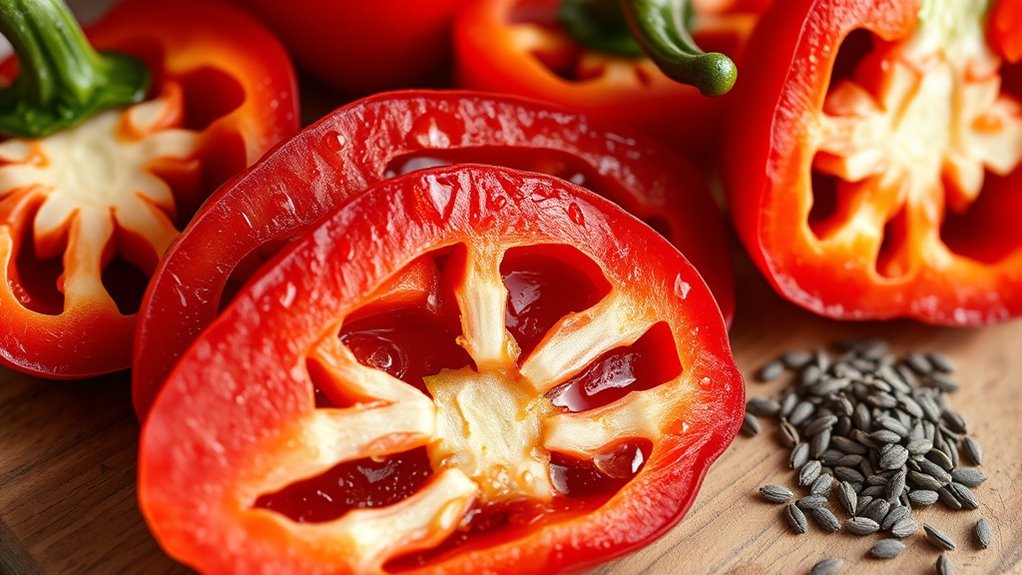
Beyond supporting eye health, red peppers also play a significant role in your digestive wellness thanks to their fiber content. A 100g serving offers about 2.1g of dietary fiber, which helps keep your digestion smooth and bowel movements regular. This fiber promotes a healthy gut environment, reducing your risk of colon cancer.
Plus, it aids weight management by helping you feel full longer, cutting down on overall calorie intake. The fiber in red peppers also supports better nutrient absorption and stable blood sugar levels, enhancing your overall digestive wellness.
| Benefit | Fiber Amount (per 100g) | Impact on Digestive Wellness |
|---|---|---|
| Dietary Fiber | 2.1g | Supports regular bowel movements |
| Colon Cancer Risk | N/A | Promotes a healthy gut environment |
| Weight Management | N/A | Increases satiety, reduces calorie intake |
| Nutrient Absorption | N/A | Improves nutrient uptake |
| Blood Sugar Regulation | N/A | Maintains stable blood sugar levels |
B Vitamins in Red Peppers: What They Do for You
When you eat red peppers, you get a solid boost of B vitamins that play crucial roles in keeping your body energized and your brain sharp. Red peppers provide about 25% of your daily vitamin B6 needs per serving, which supports red blood cell formation and brain health.
Vitamin B6 also regulates amino acid metabolism and helps synthesize neurotransmitters, positively impacting your mood and cognitive function. Besides vitamin B6, red peppers contain smaller amounts of other B vitamins like thiamine, riboflavin, niacin, and pantothenic acid.
These vitamins work together to support energy metabolism, helping convert the food you eat into usable energy. Moreover, B vitamins in red peppers assist in maintaining proper nerve function, ensuring your nervous system runs smoothly.
Folate, another B vitamin present, is essential for DNA synthesis and cell division, particularly important during pregnancy. Including red peppers in your diet is a tasty way to support overall metabolic health and keep your body functioning at its best.
Essential Minerals in Red Peppers for Heart Health
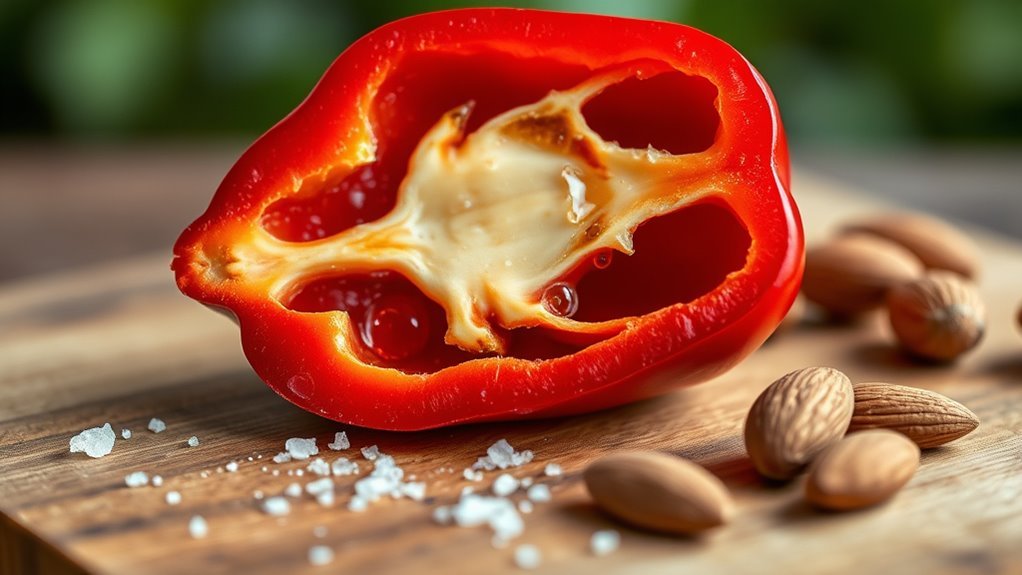
You’ll find that red peppers are packed with potassium. This mineral helps keep your heart beating strong by regulating blood pressure and fluid balance. What’s great is that red peppers are also low in sodium, so you don’t have to worry about excess salt affecting your cardiovascular health. On top of that, minerals like magnesium in red peppers support healthy muscle and nerve function. All in all, they make a really heart-friendly choice.
Potassium’s Role In Heart
Although many minerals support heart health, potassium stands out for its powerful role in regulating blood pressure and heartbeat. Red peppers are a rich source, providing about 237 mg of potassium per 100 grams.
This mineral helps maintain healthy blood pressure by counteracting sodium’s effects, lowering your risk of hypertension and related heart diseases. Plus, potassium supports proper muscle and nerve function, which is essential for a steady heartbeat and preventing arrhythmias.
Including red peppers in your diet can greatly benefit your cardiovascular system.
| Benefit | Potassium Role | Source |
|---|---|---|
| Blood Pressure | Regulates and lowers it | Red Peppers |
| Heartbeat Regulation | Prevents arrhythmias | Red Peppers |
| Muscle & Nerve Health | Supports proper function | Red Peppers |
Sodium Content And Impact
Potassium plays a major role in maintaining heart health, but it’s just as important to keep an eye on sodium intake. Red peppers contain only about 5 mg of sodium per serving, which is less than 1% of the daily recommended amount.
This low sodium content makes them an excellent choice if you want to support heart health naturally. Including red peppers in your meals helps reduce the risk of hypertension and cardiovascular disease by preventing excessive sodium consumption often found in processed foods.
Minerals Supporting Cardiovascular Health
When you include red peppers in your diet, you tap into a powerful mix of essential minerals that support cardiovascular health. Red peppers provide potassium, about 237 mg per 100 grams, which helps regulate blood pressure and keeps your heart functioning smoothly.
They also contain magnesium, a key mineral that maintains normal heart rhythm and lowers the risk of cardiovascular disease. Together with vitamin C, these minerals reduce inflammation and protect your blood vessels.
Adding red peppers to your meals can help lower hypertension risk and promote overall heart health. Plus, the folate in red peppers aids in metabolizing homocysteine, preventing arterial damage.
Antioxidants in Red Peppers That Fight Disease
Because red peppers ripen with a boost in carotenoids like capsanthin, violaxanthin, and lutein, they pack a powerful antioxidant punch. These carotenoids are key to red peppers’ antioxidant properties, helping your body fight oxidative stress.
Red peppers gain potent antioxidants like capsanthin and lutein as they ripen, aiding your body against oxidative stress.
Capsanthin, the dominant carotenoid, not only provides vibrant color but also delivers anti-inflammatory and disease-fighting benefits. Alongside carotenoids, red peppers contain polyphenols such as quercetin and luteolin.
These compounds work together to neutralize harmful free radicals that can damage your cells. By regularly including red peppers in your diet, you support your body’s natural defenses against oxidative damage, which contributes to overall health.
This antioxidant-rich profile makes red peppers a smart choice if you want to protect yourself from chronic health issues. So, when you snack on or cook with red peppers, you’re giving your body valuable nutrients that help maintain its resilience and robustness.
Red Peppers and Cancer Risk Reduction
You can lower your risk of certain cancers by including red peppers in your diet. That’s because they contain beta-cryptoxanthin, which is a powerful carotenoid. Plus, red peppers are packed with antioxidants like vitamin C and other carotenoids. These antioxidants help protect your cells from damage that might lead to cancer. So, adding red peppers to your meals is an easy and natural way to give your body a little extra defense.
Beta-Cryptoxanthin Cancer Protection
Although many nutrients contribute to cancer prevention, beta-cryptoxanthin in red peppers stands out for its powerful antioxidant effects. This carotenoid converts to vitamin A, supporting cellular health and offering cancer protection.
Eating red peppers regularly may reduce your risk of bladder, lung, and colon cancers by protecting cells from oxidative damage that can lead to cancer.
Here’s how beta-cryptoxanthin makes a difference:
| Benefit | Impact on Cancer Protection |
|---|---|
| Antioxidant action | Neutralizes harmful free radicals |
| Vitamin A precursor | Supports immune function and cell repair |
| Cancer risk reduction | Linked to lower bladder, lung, colon cancer rates |
Including red peppers in your diet taps into these benefits for effective cancer protection.
Antioxidants Lower Cancer Risk
When you include red peppers in your meals, you tap into their rich antioxidant content, which plays a crucial role in lowering cancer risk. Red peppers are packed with carotenoids like capsanthin, which protect your cells from oxidative damage linked to cancer development.
Alongside carotenoids, antioxidants such as vitamin C neutralize free radicals that can harm your DNA and increase cancer risk. The polyphenols quercetin and luteolin found in red peppers may also help inhibit cancer cell growth, supporting overall cellular health.
As red peppers ripen, their antioxidant capacity rises, potentially boosting their cancer-preventive effects even more. By regularly eating red peppers, you actively reduce your cancer risk through these powerful antioxidants and carotenoids working together to safeguard your body.
Anthocyanins in Red Peppers: Supporting Brain Health
Because red peppers contain anthocyanins, natural pigments that give them their deep color, they play a powerful role in supporting brain health. These compounds help improve cognitive function by slowing age-related memory loss and protecting neural pathways.
Eating deep-colored red peppers rich in anthocyanins can boost brain plasticity and encourage neurogenesis, which keeps your mind sharp.
Here’s a quick look at how anthocyanins in red peppers benefit your brain:
| Benefit | Impact on Brain Health |
|---|---|
| Neural Protection | Shields brain cells from damage |
| Memory Preservation | Slows cognitive decline |
| Brain Plasticity Enhancement | Supports learning and adaptability |
| Neurogenesis Stimulation | Promotes growth of new neurons |
Including red peppers in your diet means you’re actively supporting your brain’s long-term health and cognitive function.
Easy Ways to Add Red Bell Peppers to Your Diet
If you want to enjoy the health benefits of red bell peppers without much hassle, there are plenty of simple ways to add them to your meals. These vibrant vegetables not only brighten your plate but also boost your nutrient intake effortlessly. Here are easy ways to add red bell peppers to your diet:
Red bell peppers effortlessly brighten meals while boosting your nutrient intake with simple, healthy additions.
Slice raw red bell peppers into salads and sandwiches for a fresh crunch. Roast or grill them to enhance sweetness and use as toppings on pizzas, wraps, or pasta.
Stuff with quinoa, veggies, or lean meats, then bake for a colorful, nutritious meal. Chop and toss into stir-fries, omelets, or fajitas to raise vitamin C and antioxidants.
Cut into strips and enjoy as a crunchy snack with hummus or low-fat dips.
Frequently Asked Questions
Are Red Peppers Safe for People With Allergies?
Red peppers can be tricky if you have allergies. You might experience allergy symptoms like itching, swelling, or a rash due to cross reactivity concerns, especially if you’re sensitive to pollen or nightshade plants.
To stay safe, you should consult an allergist before eating red peppers. Cooking them might also help reduce allergic reactions.
Always follow safe consumption tips to avoid discomfort and make sure you’re not risking a severe reaction.
How Should Red Peppers Be Stored for Maximum Freshness?
To preserve red peppers’ freshness, use proper storage techniques. Keep them unwashed and place them in a breathable paper or perforated plastic bag. Store the peppers in your refrigerator’s vegetable crisper drawer for ideal refrigeration, which maintains humidity and slows spoilage.
Avoid storing them near ethylene-producing fruits like apples or bananas since that speeds ripening. With these steps, you’ll maximize freshness, keeping your red peppers crisp and tasty for up to two weeks.
Can Red Peppers Be Consumed Raw During Pregnancy?
You can absolutely enjoy red peppers raw during pregnancy, just like Mary Poppins might say, “A spoonful of sugar helps the medicine go down,” but here it’s a crunch of red pepper boosting your nutrient absorption.
Raw peppers maximize pregnancy benefits since cooking methods often reduce vitamin C and folate. Just wash them well to keep things safe, and include them as part of a balanced diet to support your and your baby’s health.
Do Red Peppers Interact With Any Medications?
Yes, red peppers can interact with medications. Their antioxidants may affect medication absorption, so you should be cautious if you’re on certain drugs.
Also, red peppers have blood thinning effects due to their vitamin K1 content, which might interfere with blood-thinning medications like warfarin. To avoid any medication interactions or complications, it’s best you consult your healthcare provider before adding large amounts of red peppers to your diet.
Are There Different Nutritional Values Between Red and Green Peppers?
You might think red and green peppers are nutritionally the same, but a nutritional comparison reveals otherwise. The color impact is significant. Red peppers, being fully ripe, pack more vitamins A and C and powerful antioxidants than green ones.
This means you get enhanced health benefits from red peppers, including better immune support and antioxidant protection. So, choosing red peppers can boost your nutrient intake compared to green peppers.
Conclusion
Think of red peppers as your body’s vibrant little superheroes. Packed with vitamin C, antioxidants, and fiber, they boost your immune system and keep digestion smooth.
Just like a trusty sidekick in a movie, these colorful veggies quietly work behind the scenes, reducing disease risk and supporting brain health. Adding red peppers to your meals is an easy win for your wellness, turning everyday dishes into powerful, nutrient-rich fuel for your body and mind.