

3 Reasons Meal Plans Are Worth It
Meal plans save you time by cutting down daily meal decisions and last-minute grocery trips.
They help you cut costs by preventing impulsive buys and reducing food waste through organized shopping and ingredient prep.
Plus, meal plans give you better control over your food choices, allowing you to stick to healthy ingredients and portion sizes that match your goals.
There’s a lot more to discover about how meal planning can streamline your lifestyle and boost your nutrition.
Save Time and Simplify Weekly Meal Planning
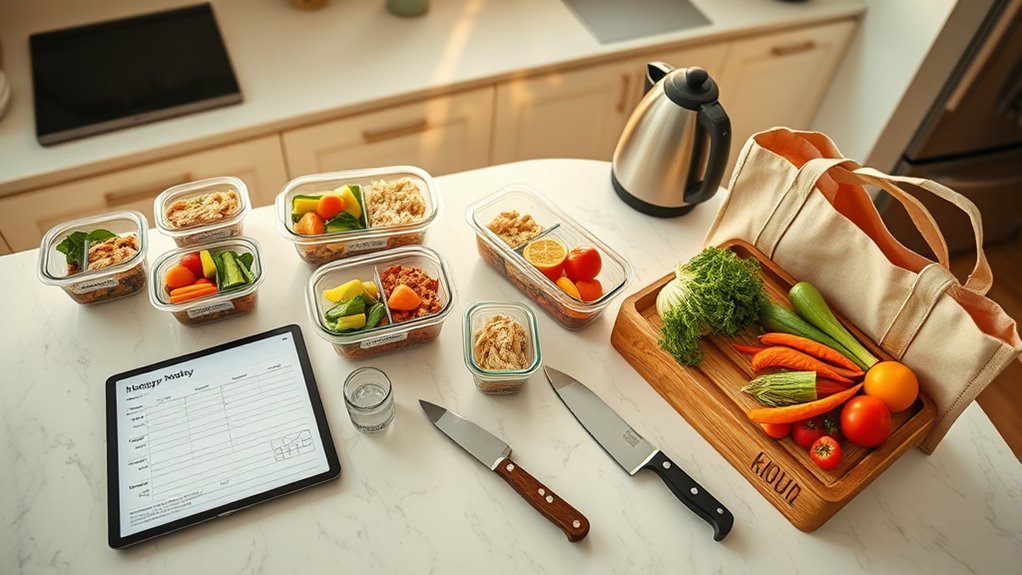
When you use a meal plan, you cut down the time spent deciding what to cook each day and avoid last-minute grocery trips. Meal planning helps you save time by providing a clear schedule for your week, so you know exactly what’s on the menu.
Creating a weekly meal plan lets you organize your grocery list efficiently, streamlining your shopping and making it quicker and easier. This organized shopping reduces stress and keeps you focused.
Plus, by prepping ingredients ahead of time based on your plan, you can cut cooking time in half on busy nights. This meal prep step is a major time-saving hack that simplifies your evenings.
Overall, meal planning isn’t just about food. It’s about making your whole week smoother. With a quick and easy system in place, you’ll reduce decision fatigue and have more mental energy for other priorities.
Embracing meal planning is a smart way to simplify your life.
Cut Costs and Food Waste With Meal Plans
Meal plans can save you around $2,200 a year by cutting down food waste and preventing impulsive grocery buys. With meal planning, you plan ahead and create a precise grocery list that guarantees you buy only what you need.
This reduces food waste by maximizing ingredient usage across your weekly menu. Fewer shopping trips mean less temptation to pick up unnecessary items that might spoil. Plus, using ingredients in multiple meals through meal prep helps reduce food waste and save money.
| Benefit | How It Helps | Result |
|---|---|---|
| Meal Planning | Creates a clear grocery list | Avoids impulsive buys |
| Plan Ahead | Organizes weekly menu | Maximizes ingredient usage |
| Ingredient Usage | Uses items in multiple meals | Reduces leftover perishables |
| Shopping Trips | Limits frequency of store visits | Cuts unnecessary purchases |
| Reduce Food Waste | Focus on seasonal, fresh produce | Extends ingredient freshness |
Gain Control Over Your Food Choices With Meal Plans
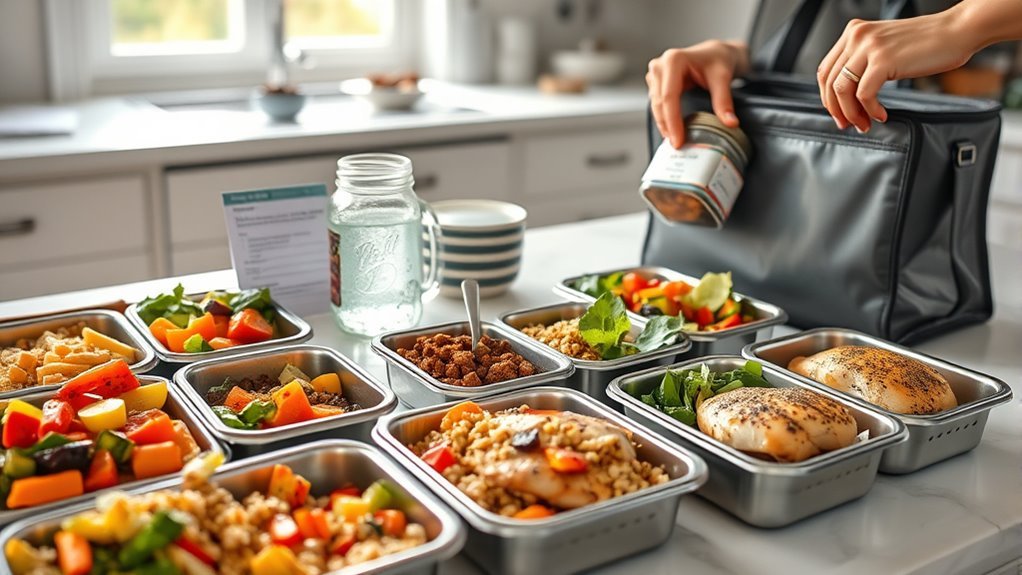
Because you plan your meals ahead, you gain greater control over the ingredients and portion sizes you consume, helping you meet your dietary goals more effectively. Meal planning lets you choose healthy ingredients that align with your lifestyle objectives, whether that means lowering sodium or going vegetarian.
With a structured plan, you avoid impulsive eating and reduce reliance on processed foods, leading to better nutrition overall. This control over food choices also makes it easier to manage food inventory.
You buy only what you need, which helps reduce waste and ensures you use ingredients efficiently. When you have a clear plan, sticking to your dietary goals becomes simpler, and you feel more confident about your daily nutrition.
Ultimately, meal planning empowers you to take charge of your eating habits, supporting a healthier, more balanced lifestyle tailored to your needs.
Frequently Asked Questions
How Do Meal Plans Support Mental Well-Being?
Meal plans support your mental well-being by encouraging mindful eating, which boosts your cognitive focus and mood regulation. They help reduce stress and manage anxiety by creating emotional stability and mental clarity through habit formation.
Sticking to a meal plan builds self-discipline, improving your energy levels and overall resilience. By following a structured routine, you’ll find it easier to maintain balance, feel more in control, and enhance your mental health daily.
Can Meal Plans Help With Managing Cravings?
Imagine your cravings as mischievous winds trying to sway your ship. With meal plans, you take the helm, mastering snacking control and portion moderation to steer clear of stormy temptation.
You’ll find craving reduction and hunger management become natural as consistent food choices boost appetite regulation. Snack planning helps you resist emotional eating and sugar cravings, making food consistency your anchor.
This way, you navigate toward lasting health without being tossed by impulsive desires.
Do Meal Plans Promote Dietary Variety?
Yes, meal plans definitely promote dietary variety. You can include vegetarian options, gluten free choices, and plant based options easily. They let you explore international cuisines, add seasonal ingredients, and try budget friendly meals.
Whether you need quick recipes, kid friendly menus, low carb plans, or high protein diets, meal plans help you mix it up and avoid eating the same foods every day. You’ll enjoy more diverse, balanced meals this way.
How Do Meal Plans Contribute to Balanced Nutrition?
Think of meal plans as your nutritional compass, guiding you through calorie control and portion sizes to keep your body fueled just right. They weave nutrient balance and food variety into every meal, respecting your dietary restrictions with ease.
Are Meal Plans Effective for Long-Term Weight Management?
Yes, meal plans are effective for long-term weight management because they help you with calorie control and portion management. They save you time and money through cost efficiency and streamlined meal preparation.
With accountability tools and goal tracking, you stay motivated and on track. Meal plans offer structured flexibility, supporting dietary adherence while encouraging habit formation.
This combination makes it easier for you to maintain healthy eating habits and reach your weight goals sustainably.
Conclusion
Meal plans are like a well-tuned playlist, keeping your week flowing smoothly without skips or stops. When you use them, you’ll save time, cut costs, and reduce food waste effortlessly.
Plus, you’ll gain control over what you eat, making healthier choices without the stress. By sticking to meal plans, you’re not just organizing your meals; you’re creating a rhythm that makes your life easier and your food more enjoyable.