

10 Tips for a Healthy Meal Plan for Picky Eaters
You can create healthy meals for picky eaters by combining familiar favorites with new foods introduced slowly and repeatedly. Use dips, sauces, and fun shapes to make textures and flavors more appealing.
Focus on nutrient-dense ingredients like colorful veggies, lean proteins, and whole grains. Keep mealtimes positive, offer small portions, and avoid pressure.
Simple, flexible recipes help busy days go smoothly. For more strategies that make expanding food variety easier, keep exploring these helpful tips.
Why Do People Become Picky Eaters?

Although picky eating often starts in childhood, it can affect people of all ages. You might notice that picky eating arises as you develop strong food preferences and sensory sensitivities, especially to certain textures and tastes.
Developmental factors play a big role too. Genetics can make you more sensitive to bitter or intense flavors, making some foods harder to enjoy. If you experience anxiety or sensory processing issues, or if you have developmental disorders like autism spectrum disorder, picky eating tendencies might be even stronger.
Your early environment matters as well. Limited exposure to a variety of foods when you’re young can lead to selective eating habits. Over time, these preferences can become deeply ingrained, and negative mealtime experiences can reinforce your avoidance of certain foods.
Understanding these reasons behind picky eating can help you approach meal planning with more empathy and targeted strategies to expand your food choices.
Include Familiar Foods to Boost Meal Acceptance
When you include familiar foods in meals, you create a comforting foundation that encourages picky eaters to try new options. Serving dishes that your child already enjoys helps build trust and increases meal acceptance.
Pair new foods like vegetables or fruits with familiar tastes, such as cheese or sweet flavors, to make them less intimidating. You can also get creative by presenting familiar foods in fun shapes or pairing them with favorite dips. This gently introduces new foods without pressure.
Using familiar ingredients as a base, like adding veggies to a favorite pasta, seamlessly blends healthy eating into meals. Consistently offering familiar foods provides stability and makes kids more open to sampling unfamiliar items over time.
Introduce New Foods Slowly and Repeatedly

Because picky eaters often need multiple exposures to new foods, you should introduce unfamiliar items slowly and consistently. Start by offering new foods alongside familiar favorites to create positive associations and reduce resistance.
Repeated exposure, often 8 to 10 times, is key to increasing food acceptance, even if the new item is initially rejected. Don’t be discouraged if your picky eater refuses after a few tries; persistence and patience matter.
Introduce gradually by including small portions and keep offering the food over several weeks. Use positive reinforcement like praise or encouragement to create a calm, pressure-free environment that motivates your picky eater to try the food again.
Avoid forcing or pressuring, as it can backfire. By consistently providing opportunities to taste new foods, you’ll help your picky eater build comfort and eventually accept a wider variety of healthy options.
Texture and Flavor Tips to Make New Foods Appealing
You can make new foods more inviting by paying attention to texture preferences and mixing familiar sensations with new ones. For example, adding dips, sauces, or seasonings helps boost flavor and makes trying different foods easier. When you offer a variety of tastes and textures together, you encourage your picky eater to explore and enjoy mealtime more. It’s all about making the experience fun and approachable!
Texture Preferences Matter
Although picky eaters often have strong texture preferences, you can boost their willingness to try new foods by offering familiar flavors in different forms. Paying close attention to texture cues helps you tailor food presentation to match their comfort level.
For example, if they prefer smooth and creamy textures, try pureeing vegetables into sauces or smoothies instead of serving them raw. Gradually exposing them to varied textures like chopped, shredded, or lightly cooked can increase acceptance over time.
Enhance Flavor Variety
Adding a variety of flavors and textures can make new foods more appealing to picky eaters. You can mix sweet, savory, crunchy, and creamy textures in one meal to cater to different preferences and encourage trying new foods.
Use herbs, spices, and seasonings to boost flavor without extra sugar or salt, making unfamiliar dishes more enticing. Pair new foods with familiar textures or flavors, like adding veggies to a favorite pasta or blending fruits into smoothies.
Try different cooking methods, like roasting, grilling, or steaming, to create varied textures and deepen flavor profiles. Remember, it might take 8 to 10 tries before your child accepts a new flavor, so introduce subtle changes gradually to build a lasting variety in their diet.
Balance Meals With Nutrient-Dense Ingredients
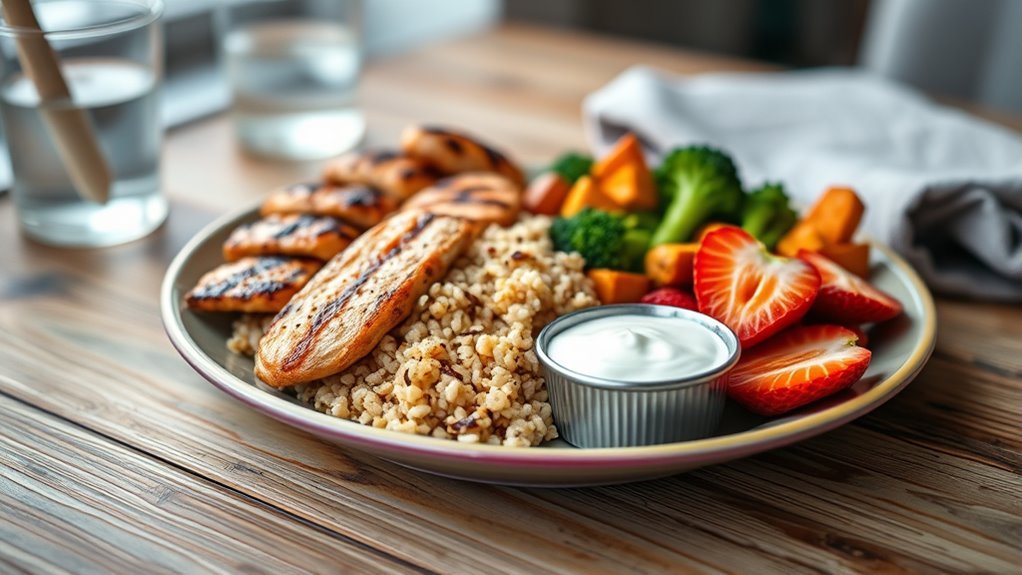
When planning meals for picky eaters, focus on nutrient-dense ingredients that deliver maximum health benefits without overwhelming their plates. Balance meals by incorporating a variety of colorful fruits and vegetables to provide essential vitamins and antioxidants.
Choose healthy foods like nuts, seeds, and lean proteins to boost nutrition without adding bulk. Prioritize whole grains such as quinoa, brown rice, or whole wheat bread to supply fiber and sustained energy.
Minimally processed foods help preserve natural nutrients and reduce added sugars and unhealthy fats. To address common micronutrient gaps in picky eaters, gradually introduce fortified foods or supplements rich in iron and zinc.
Plan Snacks for Picky Eaters
Since snacks play a crucial role in your child’s daily nutrition, planning them thoughtfully can make a big difference for picky eaters. Focus on offering a variety of healthy snacks with different textures, like crunchy, creamy, or chewy, to keep your child interested.
Including familiar flavors like peanut butter, cheese, or yogurt helps increase acceptance. Nutrient-dense options like fruit and vegetable smoothies boost vitamins without overwhelming taste buds.
Present snacks in colorful, appealing ways to make them even more enticing. Balancing protein, healthy fats, and fiber in snacks supports your child’s energy and growth.
Here’s a simple snack plan to guide you:
| Snack Type | Texture | Key Nutrients |
|---|---|---|
| Fruit smoothie | Creamy | Vitamins, fiber |
| Cheese cubes | Chewy | Protein, calcium |
| Veggie sticks | Crunchy | Fiber, vitamins |
| Peanut butter dip | Creamy | Healthy fats, protein |
| Yogurt parfait | Creamy, crunchy | Protein, probiotics |
Mixing these textures and nutrients keeps snacks healthy and appealing.
Make Mealtime Positive for Picky Eaters
Creating a calm and relaxed atmosphere during mealtime helps reduce anxiety and makes your picky eater more open to trying new foods. You can make mealtime positive by involving your child in meal preparation. When picky eaters help choose and prepare dishes, they feel a sense of ownership that encourages them to try a variety of foods.
Avoid pressuring your child to eat; instead, offer new foods alongside familiar favorites regularly. This repeated exposure helps build positive associations with different tastes and textures over time. Remember to model healthy eating behaviors yourself because your example influences your picky eater more than words.
Keeping mealtime upbeat and stress-free fosters a positive environment where your child feels safe exploring new foods. By focusing on variety and patience, you’ll help your picky eater develop healthier eating habits without battles or frustration.
How to Adjust Meals for Adult Picky Eaters
Although adult picky eaters can be more set in their food preferences, you can still expand their palate by introducing new options alongside familiar favorites. Adjusting meals for an adult picky eater means blending their preferred textures and flavors into a balanced diet while gently encouraging them to try new foods.
Use small changes, like adding a new vegetable to a favorite dish, and offer repeated exposure without pressure to build acceptance. Collaborate with a registered dietitian to tailor a meal plan that respects dislikes and supports health goals.
| Strategy | Description |
|---|---|
| Familiar + New | Pair known foods with new options |
| Gradual Changes | Introduce small tweaks in recipes |
| Repeated Exposure | Offer disliked foods 8-10 times non-pressured |
| Professional Guidance | Work with a dietitian for personalized plans |
This approach helps maintain nutrition and encourages an adult picky eater to expand their food choices healthfully.
Prepare Simple, Flexible Recipes for Busy Days
Three key strategies can help you prepare simple, flexible recipes that fit busy days without sacrificing nutrition. First, focus on meals needing minimal ingredients and prep, like sheet pan dinners or one-pot dishes. These recipes save time and reduce stress.
Second, keep versatile ingredients on hand, such as frozen veggies, pre-cooked grains, and canned proteins. These let you quickly assemble balanced meals during busy days.
Third, plan for adaptability with customizable options like smoothies, energy bites, or simple sandwiches. This way, you can adapt to preferences and available ingredients.
To streamline cooking further, use pre-chopped or pre-measured items to cut down prep time. Also, batch cooking and freezing portions in advance ensures healthy meals are ready when you need them most.
Get Support From Dietitians to Expand Food Variety
While simple, flexible recipes make mealtime easier, expanding your picky eater’s food variety often requires more tailored guidance. A dietitian can offer professional guidance customized to your child’s unique tastes and textures, helping you introduce new foods gradually without overwhelming them.
Studies show that working with a dietitian improves food acceptance rates considerably, especially when using repeated exposure techniques. These experts design meal plans that blend familiar flavors with new, nutritious options, increasing acceptance of fruits and vegetables by up to 50% over time.
Plus, many insurance plans, including Medicare and providers like Blue Cross Blue Shield and Aetna, cover dietitian services for feeding concerns. Getting support from a registered dietitian not only broadens your picky eater’s food variety but also makes mealtime less stressful and more successful.
Don’t hesitate to reach out for professional guidance to help your family build healthier, more diverse eating habits.
Frequently Asked Questions
How Can I Handle Picky Eating During Social Events?
You can handle picky eating during social events by creating a positive mealtime environment and offering healthy snack ideas your child enjoys. Use creative meal presentation to make new foods more appealing, and introduce gradual food exposure by mixing familiar items with new options.
Avoid pressure and keep things relaxed, encouraging your child to watch peers eat. This approach helps reduce anxiety and boosts their willingness to try different foods over time.
What Are Effective Strategies to Reduce Mealtime Battles?
Think of mealtime battles like a storm you can calm. You can reduce tension by sticking to consistent mealtime routines that provide stability.
Use positive reinforcement to reward any small attempts at trying new foods. Gradual exposure to unfamiliar items, paired with creative presentation, makes trying new things less intimidating.
Keep the atmosphere light and pressure-free, and you’ll see cooperation grow as mealtimes become more enjoyable for everyone.
Can Picky Eating Affect My Child’s Growth or Development?
Yes, picky eating can affect your child’s growth or development. When they avoid many foods, they risk nutrient deficiencies that are vital for healthy growth.
These deficiencies can lead to growth delays and developmental concerns if not addressed. Dietary restrictions from selective eating limit essential vitamins and minerals, impacting their physical and cognitive progress.
It’s important to monitor their intake and consult professionals to prevent long-term effects on their development.
How Do I Encourage Hydration if My Child Dislikes Water?
Long before smartphones, you found clever ways to make tasks fun, so do the same with hydration. Use flavor enhancement by infusing water with fruits like lemon or berries.
Make it appealing with fun presentation. Colorful cups and straws catch attention. Gradual introduction helps; offer small sips alongside favorite drinks.
Don’t forget hydrating alternatives like watermelon or cucumber, which sneak fluids into meals. These steps make drinking water less intimidating and more enjoyable for your child.
Are There Supplements Recommended for Picky Eaters?
Yes, supplements can help picky eaters address nutritional deficiencies caused by dietary restrictions. You can consider supplement options like multivitamins that cover essential vitamins and minerals, especially iron, zinc, and vitamin D.
These supplements may also support appetite regulation, making it easier for your child to try new foods. Always consult a healthcare professional before starting supplements to guarantee safe dosages and avoid any nutrient toxicity.
Conclusion
Just like a gardener tends to each unique flower, you can nurture your picky eater’s palate with patience and care. By blending familiar favorites with new flavors, you’re planting seeds of healthy habits that will grow over time.
Remember, every small bite is a step toward a balanced meal and a positive mealtime. Keep mixing, matching, and encouraging, and your efforts will bloom into a vibrant, nutritious journey for both of you.